

 Products
 Bars
Bars
 Beads & Spheres
 Bolts & Nuts
 Crucibles
 Discs
Discs
 Fibers & Fabrics
 Films
Films
 Flake
Flake
 Foams
Foams
 Foil
Foil
 Granules
 Honeycombs
 Ink
Ink
 Laminate
 Lumps
Lumps
 Meshes
 Metallised Film
 Plate
Plate
 Powders
 Rod
Rod
 Sheets
 Single Crystals
 Sputtering Target
 Tubes
Tubes
 Washer
 Wires
Wires
 Converters & Calculators
 Write for Us



What Is Lanthanum Hexaboride Electrode

Introduction
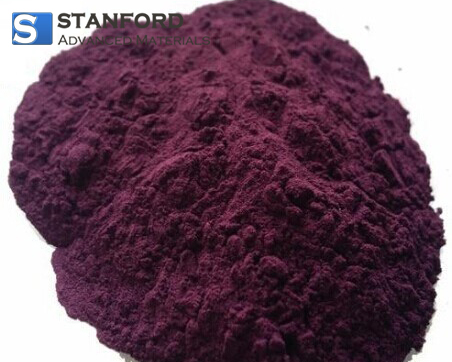
Lanthanhexaboride (LaB6) is available in a distinctive violet powder form. The compound is identified by the formula LaB6. Its properties support use in advanced research and industrial applications.
Lanthanhexaboride (violet powder form) is supplied with a standard composition.
Synthesis of Lanthanhexaboride
During the synthesis of LaB6, lanthanum(III) oxide and borax are dissolved in a suitable salt melt. The solution is electrolysed at elevated temperatures with graphite anodes. Deposition occurs on graphite or steel cathodes. The product is insoluble in water and hydrochloric acid, thereby ensuring physical stability.
Applications in Nuclear Fusion and Thermoelectric Power Generation
Because of its high melting point and thermal radiation capacity, LaB6 is considered for use in nuclear fusion reactors and thermoelectric power generation systems. The material withstands extreme thermal conditions. Quantitative performance metrics are available in specialised studies.
Electron-Emitting Cathodes
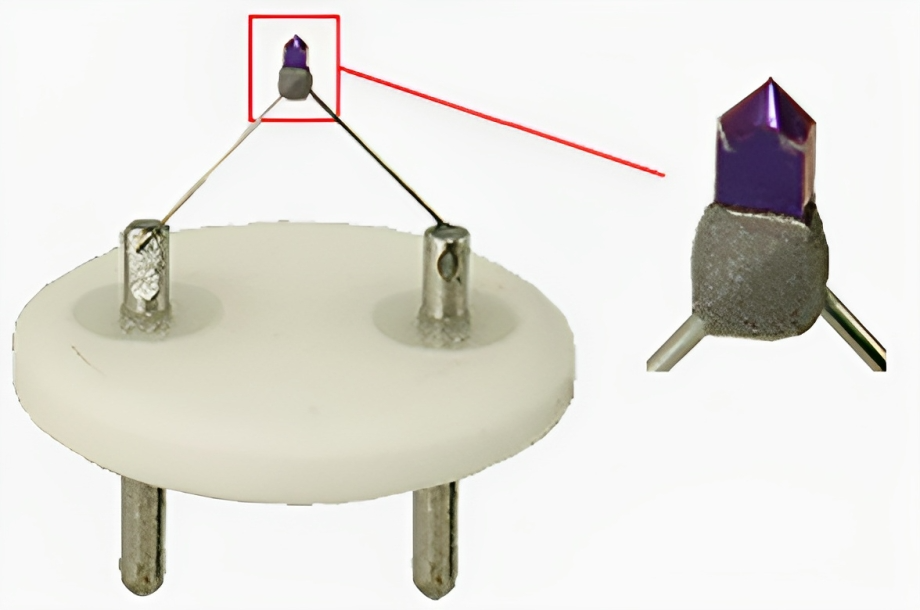
LaB6 is used for fabricating electron‐emitting cathodes. Structured single crystals of LaB6 are produced by standard techniques. Measured emission currents at moderate temperatures meet the requirements for electron microscopy operation.
Versatility in Electron Beam Systems
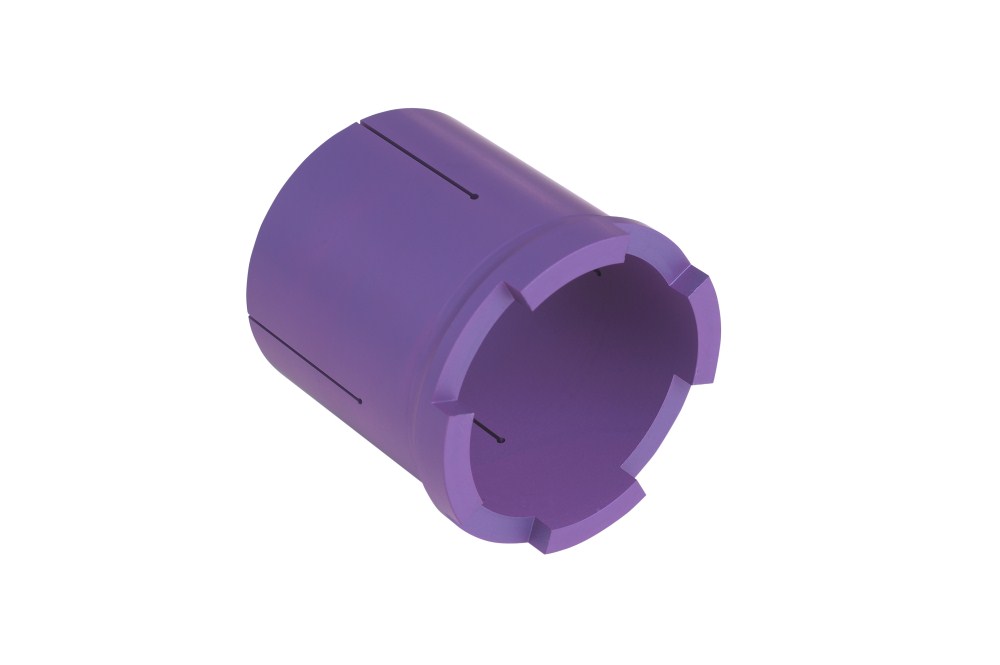
LaB6 is incorporated in various electron beam systems. It is applied in electron beam engraving and serves in heat sources, burners and accelerators. The material is used for manufacturing components that meet strict engineering criteria.
Extensive Applications
LaB6 is employed in sectors such as radar, aerospace, electronics, instrumentation, medical devices, domestic appliances, metallurgy and environmental protection. Its forms include powders, polycrystalline structures and single crystals.
Conclusion
Lanthanhexaboride is manufactured by a well‐defined synthesis process and exhibits clearly measurable properties. It is applied for enhancing electron‐emitting cathodes, nuclear fusion reactors and thermoelectric power systems. Future investigations may expand its range of applications.
Stanford Advanced Materials supplies advanced materials for research and industrial applications. The organisation contributes to a better understanding of compounds such as LaB6 and supports progress in relevant technological fields.
 Chin Trento


