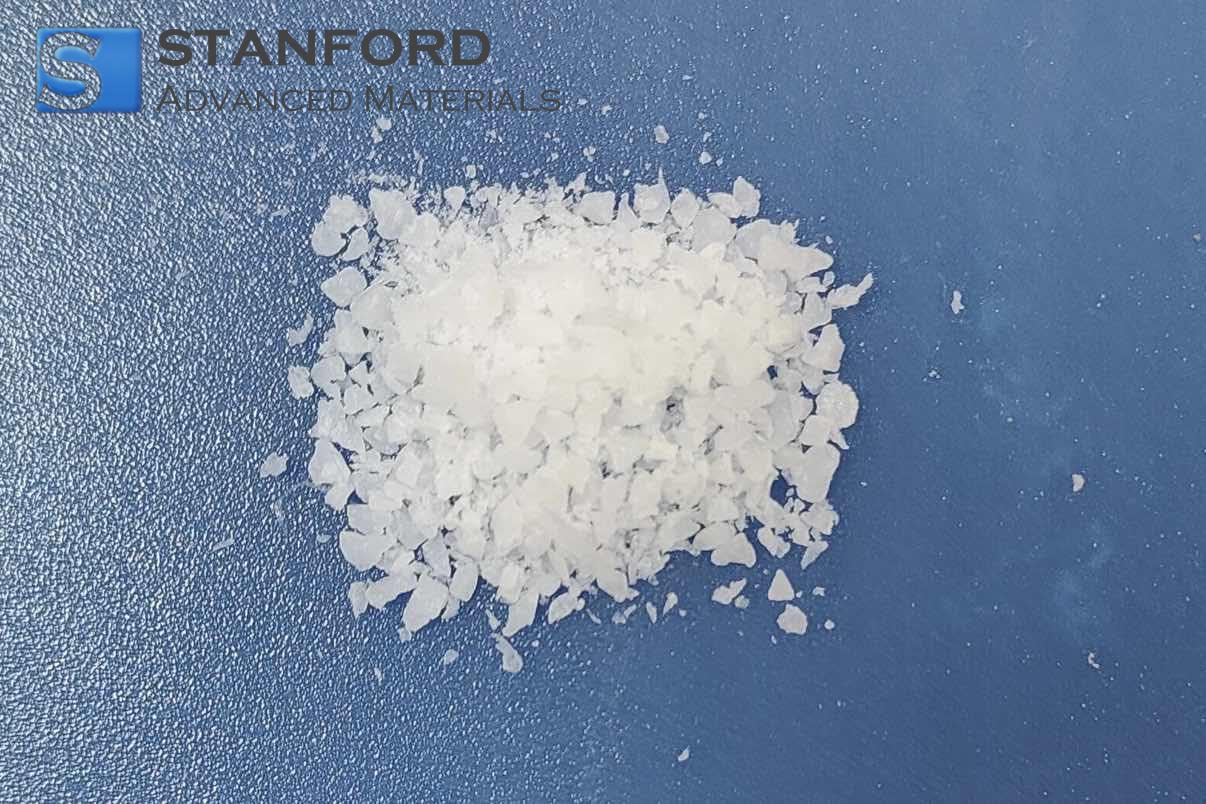
OH-PLLA-OH, High Molecular Weight Grades, IV ≥ 3 dl/g, Mw ≥ 480 kDa Description
OH-PLLA-OH (High Mw Grade) is an end-functionalised biodegradable polymer characterised by its long polymer chains. With a molecular weight ≥ 480 kDa and intrinsic viscosity ≥ 3 dl/g, it delivers exceptional mechanical strength, durability, and an extended degradation profile. The structure, featuring hydroxyl groups at both ends, provides a platform for modification and ensures its role as a base material for formulating high-performance, long-lasting degradable materials.
OH-PLLA-OH, High Molecular Weight Grades, IV ≥ 3 dl/g, Mw ≥ 480 kDa Applications
1. Polymer Synthesis & Modification
- High-Performance Copolymer Backbone: Serves as a macro-initiator or primary chain for synthesising block and graft copolymers where mechanical strength is critical.
- Polymer Alloy & Composite Enhancement: Acts as a high-modulus phase in polymer blends or composites to improve mechanical properties such as tensile strength and impact resistance.
2. Advanced Materials & Formulation
- Structural Composites & Engineering Plastics: Used as the continuous matrix in fabricating high-strength, biodegradable composites for applications in automotive, aerospace (interiors), or durable consumer goods.
- Protective & Functional Coatings: Formulated into high-build, wear-resistant coatings or barrier films that require long-term environmental stability and controlled end-of-life degradation.
OH-PLLA-OH, High Molecular Weight Grades, IV ≥ 3 dl/g, Mw ≥ 480 kDa Packing
The product is supplied in standard vacuum-sealed, moisture-proof packaging with desiccant to ensure stability during transportation and storage. We offer flexible packaging sizes tailored to customer requirements from R&D to production scale.
Additional Information
As an important option within the biodegradable polyester material system, high molecular weight OH-PLLA-OH achieves a specific balance between mechanical performance and degradation characteristics through its long-chain molecular structure. This material demonstrates performance in mechanical strength and degradation cycle that aligns with its molecular weight characteristics, making it suitable for application scenarios with defined requirements for material service life.
The design philosophy of this product focuses on maintaining material performance stability during its intended service cycle. The retention of hydroxyl groups at both ends not only provides the material with chemical reactivity but also preserves possibilities for subsequent functional improvements. In applications that prioritise long-term performance reliability, this combination of structural strength and chemical activity holds practical value.
Stanford Advanced Materials ensures that the product maintains stable molecular characteristics and end-group functionality even under high molecular weight conditions through mature polymerisation processes and strict quality control systems. This precise control over the material's core parameters provides technical assurance for the reliability of product applications.
In the field of materials where sustainable development concepts are increasingly prominent, this high molecular weight grade of OH-PLLA-OH offers a feasible technical pathway for balancing long-term usage performance with environmental friendliness. The performance characteristics it demonstrates provide valuable references for developing material solutions that meet usage requirements while considering environmental impact.
Specification
|
Specification
|
Details
|
|
Product Name
|
OH-PLLA-OH (High Mw Grade)
|
|
Appearance
|
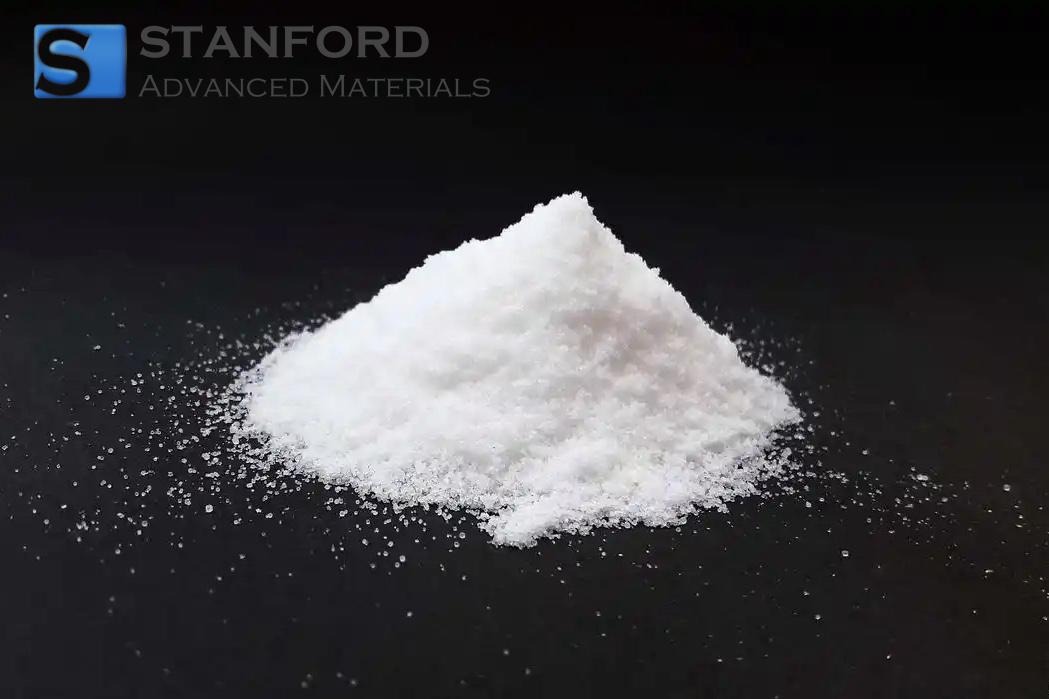
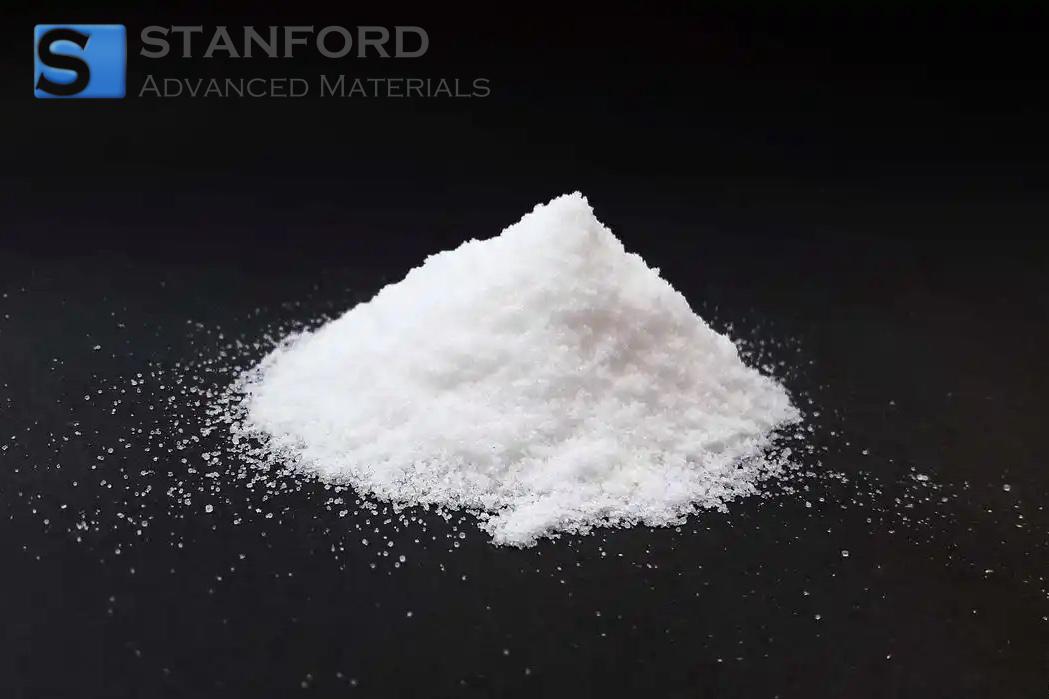
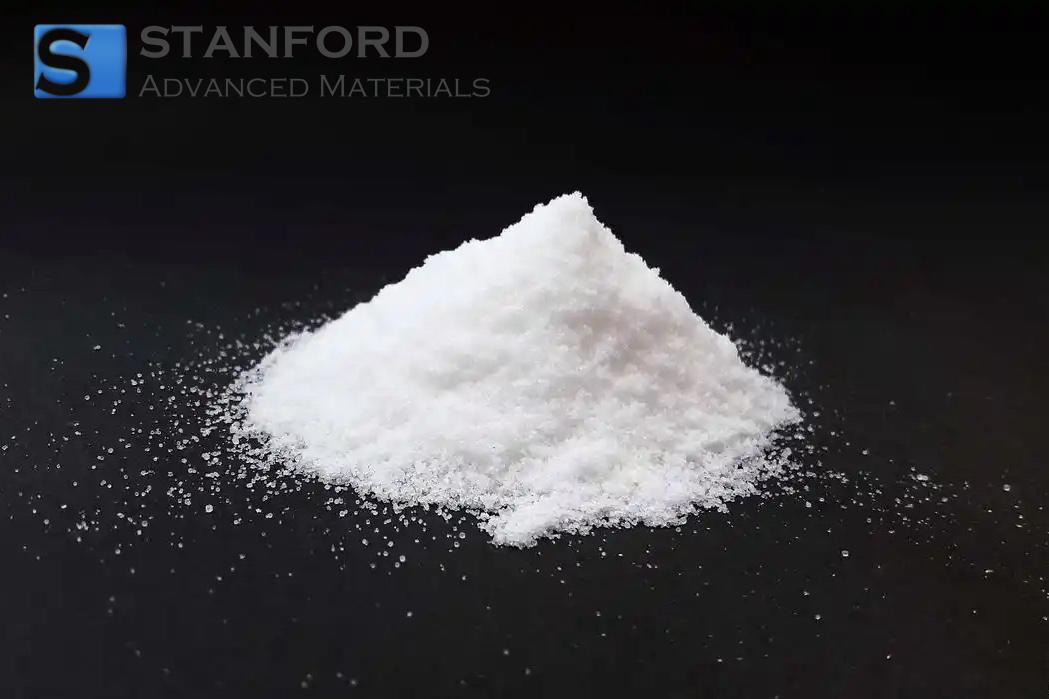
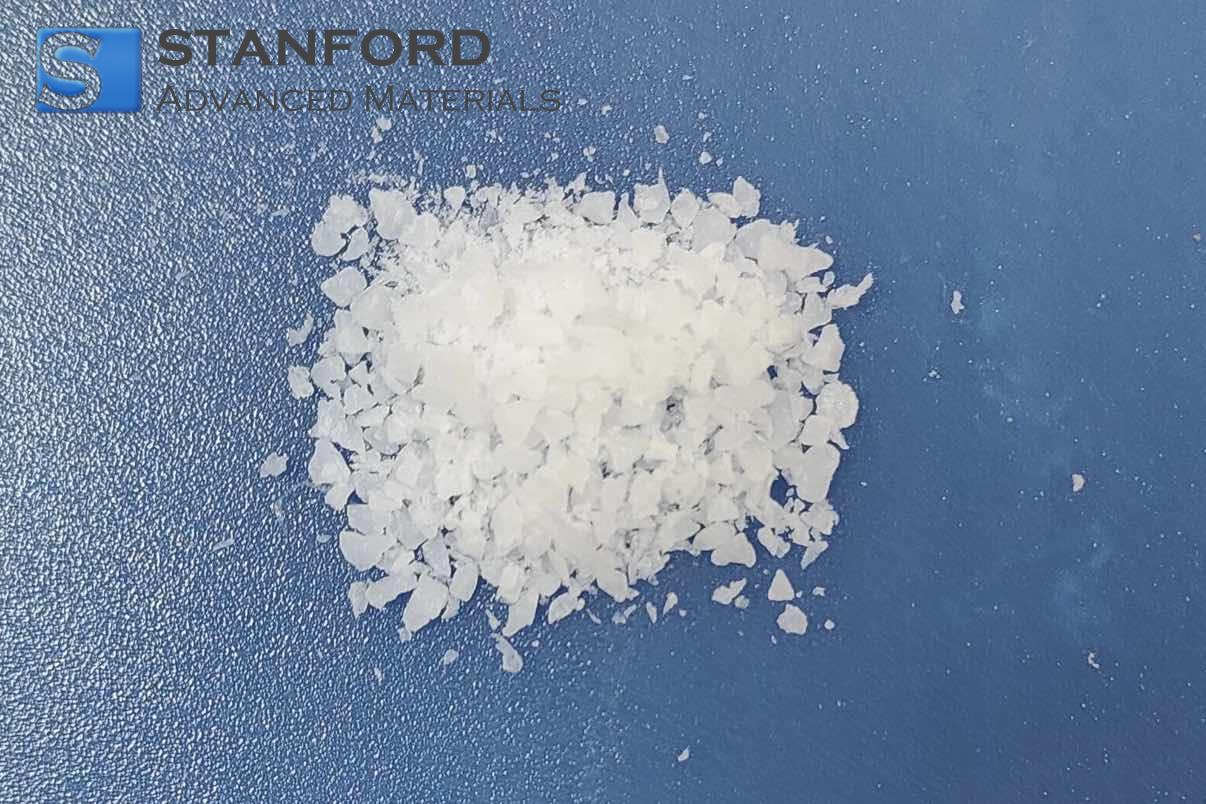
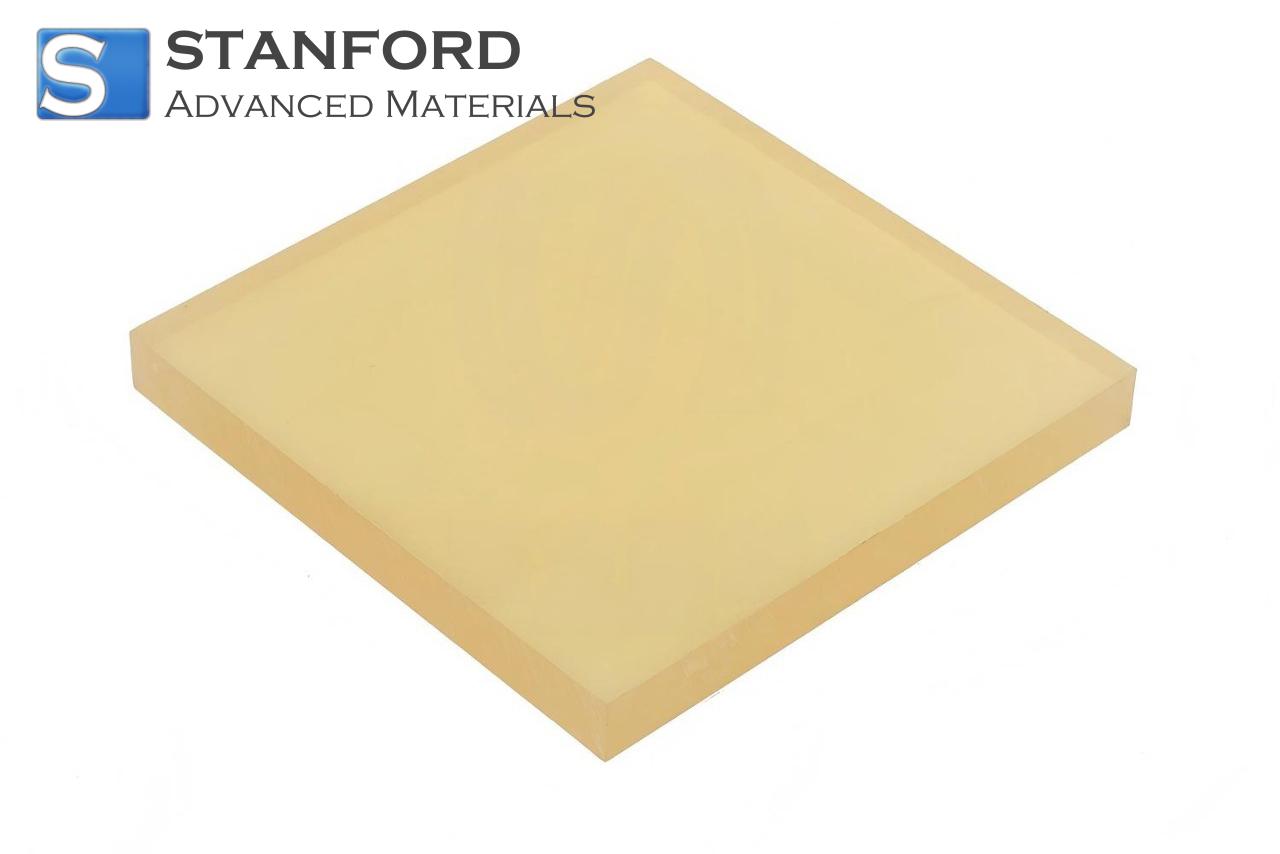
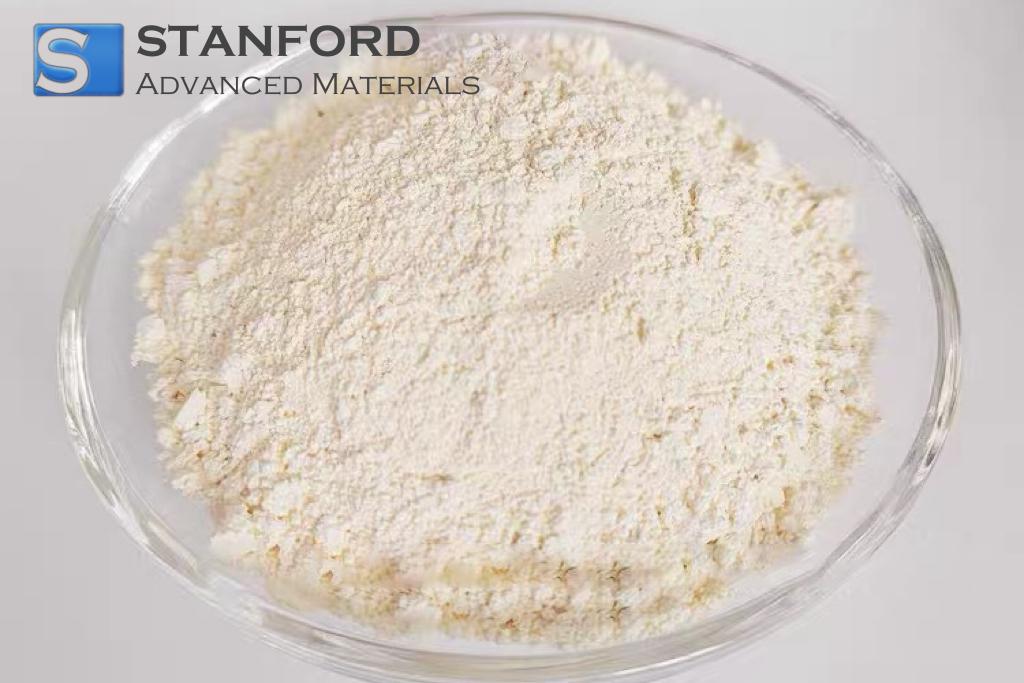
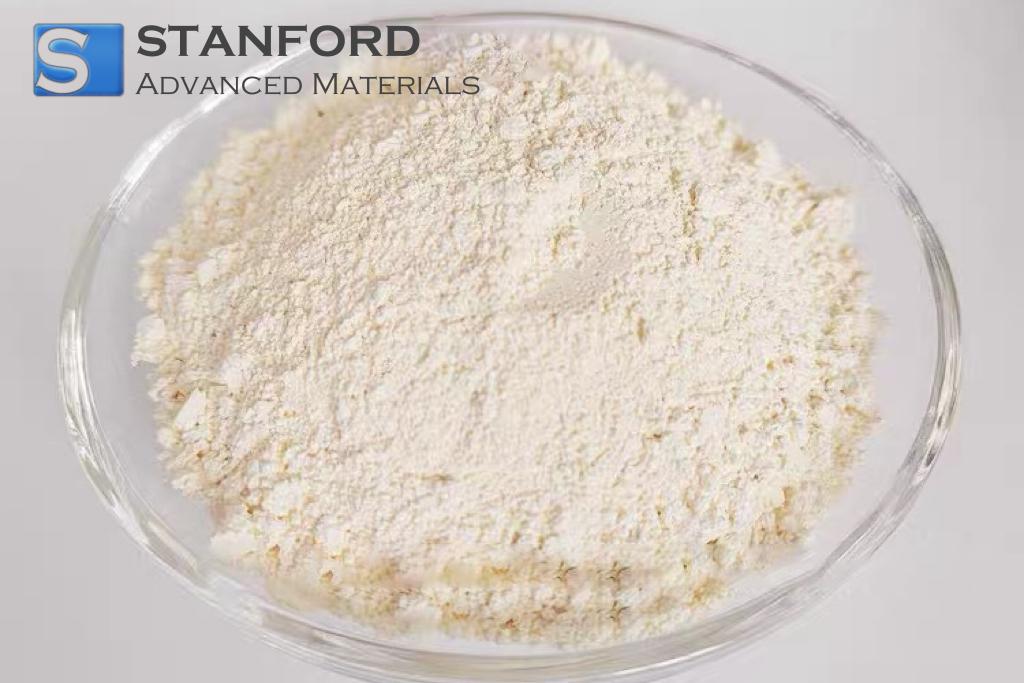
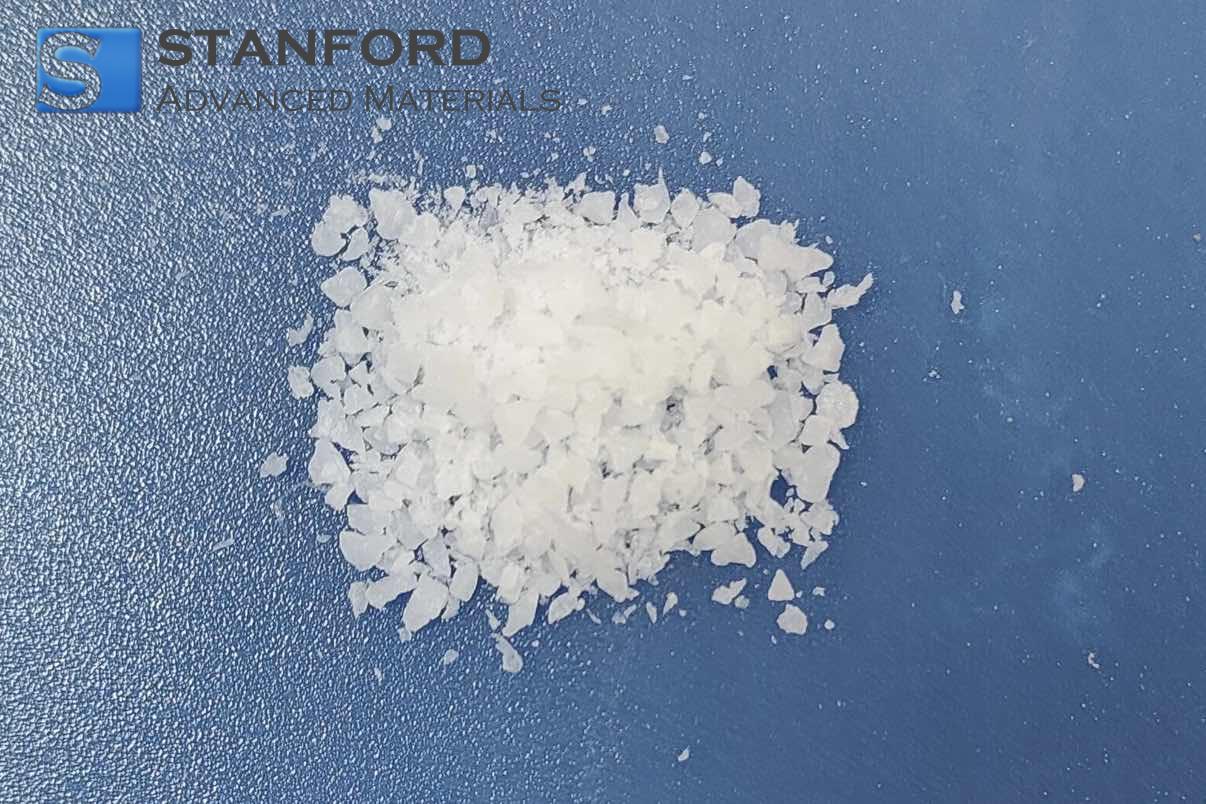
White to pale-yellow powder or granules
|
|
Glass Transition Temperature (Tg)
|
60–65 °C
|
|
Melting Point
|
170–180 °C
|
|
Molecular Weight (Mw)
|
Available in precise sub-grades:
480–730 kDa;
730–1020 kDa;
1020–1370 kDa;
1370–1700 kDa;
1700–2060 kDa
|
|
Intrinsic Viscosity (IV)
|
Corresponding sub-grades:
3.0–4 dl/g;
4.0–5.0 dl/g;
5.0–6.0 dl/g;
6.0–7.0 dl/g;
7.0–8.0 dl/g
|
|
Loss on Drying
|
≤ 0.5 %
|
|
Residue on Ignition
|
≤ 0.5 %
|
|
Total Heavy Metals
|
≤ 10 ppm
|
|
Catalyst Residue
|
≤ 200 ppm
|
|
Monomer Residue
|
≤ 1 %
|
*The above product information is based on typical data and is for reference only. Actual specifications may vary.
CUSTOMER REVIEWS
No reviews for current products.


 Products
 Bars
Bars
 Beads & Spheres
 Bolts & Nuts
 Crucibles
 Discs
Discs
 Fibers & Fabrics
 Films
Films
 Flake
Flake
 Foams
Foams
 Foil
Foil
 Granules
 Honeycombs
 Ink
Ink
 Laminate
 Lumps
Lumps
 Meshes
 Metallised Film
 Plate
Plate
 Powders
 Rod
Rod
 Sheets
 Single Crystals
 Sputtering Target
 Tubes
Tubes
 Washer
 Wires
Wires
 Converters & Calculators
 Write for Us