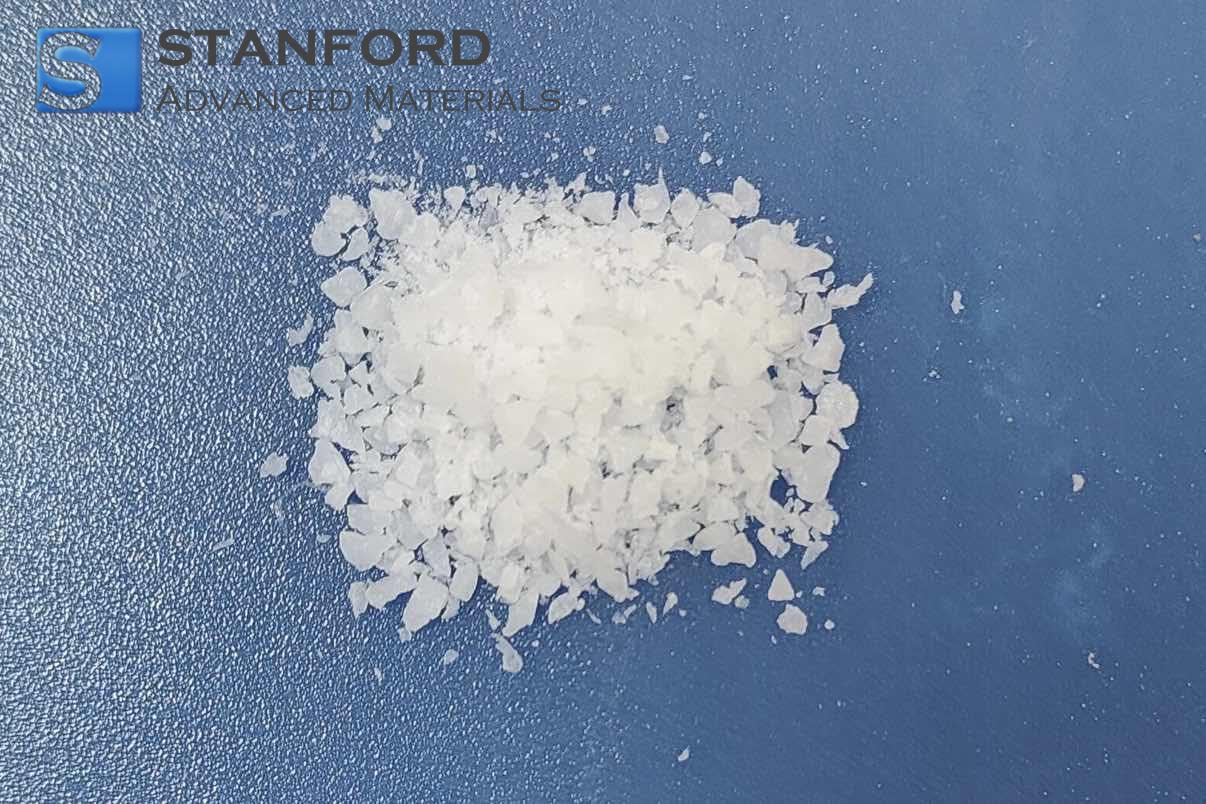
OH-PLLA-COOH, Low Molecular Weight Grades, IV ≤ 1 dl/g, Mw ≤ 90 kDa Description
OH-PLLA-COOH (Low Mw Grade) is an end-functionalised biodegradable polymer characterised by its short polymer chains and hydroxyl and carboxyl groups at each chain end. With a molecular weight ≤ 90 kDa and intrinsic viscosity ≤ 1 dl/g, it offers faster degradation profiles, good solubility, and lower processing viscosity. The dual end-group structure provides a versatile platform for chemical modification, ensuring its utility as a precursor or additive in designing functional and degradable materials.
OH-PLLA-COOH, Low Molecular Weight Grades, IV ≤ 1 dl/g, Mw ≤ 90 kDa Applications
1. Polymer Synthesis & Modification
- Polymer Building Block: Serves as a macro-initiator or chain segment for synthesising well-defined block or graft copolymers.
- Functional Additive: Acts as a degradation modifier, plasticiser, or reactive additive in coatings, adhesives, or composite systems, improving compatibility or introducing degradation sites via its end groups.
2. Functional Materials & Formulations
- Degradable Coatings & Films: Used in preparing short-term protective coatings, packaging films, or degradable barrier layers, where its rapid degradation aligns with environmental requirements.
- Biomedical Materials: Utilises its biocompatibility, controllable degradation, and end-group reactivity for applications such as tissue engineering scaffold components or drug carriers that interact with biological environments.
- High-Performance Composites: Serves as a reactive additive to enhance interfacial bonding or as a degradable component in the development of environmentally friendly composite materials.
OH-PLLA-COOH, Low Molecular Weight Grades, IV ≤ 1 dl/g, Mw ≤ 90 kDa Packing
The product is supplied in standard vacuum-sealed, moisture-proof packaging with desiccant to ensure stability during transportation and storage. We offer flexible packaging sizes tailored to customer requirements from R&D to production scale.
Additional Information
Hydroxyl- and carboxyl-terminated low molecular weight PLLA represents a versatile and tunable class of biodegradable polymers. Its well-defined molecular weight, dual reactive end groups, and predictable degradation make it a valuable tool for material scientists and formulators aiming to design functional, sustainable materials with tailored lifetimes and performance.
Stanford Advanced Materials (SAM) leverages advanced polymerisation techniques and stringent quality control to ensure precise molecular weight grading, excellent batch-to-batch consistency, and reliable dual end-group functionality, providing stable and reliable material support throughout the customer's journey from R&D to production.
With the rapid development of fields such as precision medicine, biodegradable packaging, and green composites, SAM remains committed to providing structurally precise and performance-reliable specialty polymer materials, supporting customers in achieving technological breakthroughs and product innovation.
Specification
|
Specification
|
Details
|
|
Product Name
|
OH-PLLA-COOH (Low Mw Grade)
|
|
Appearance
|
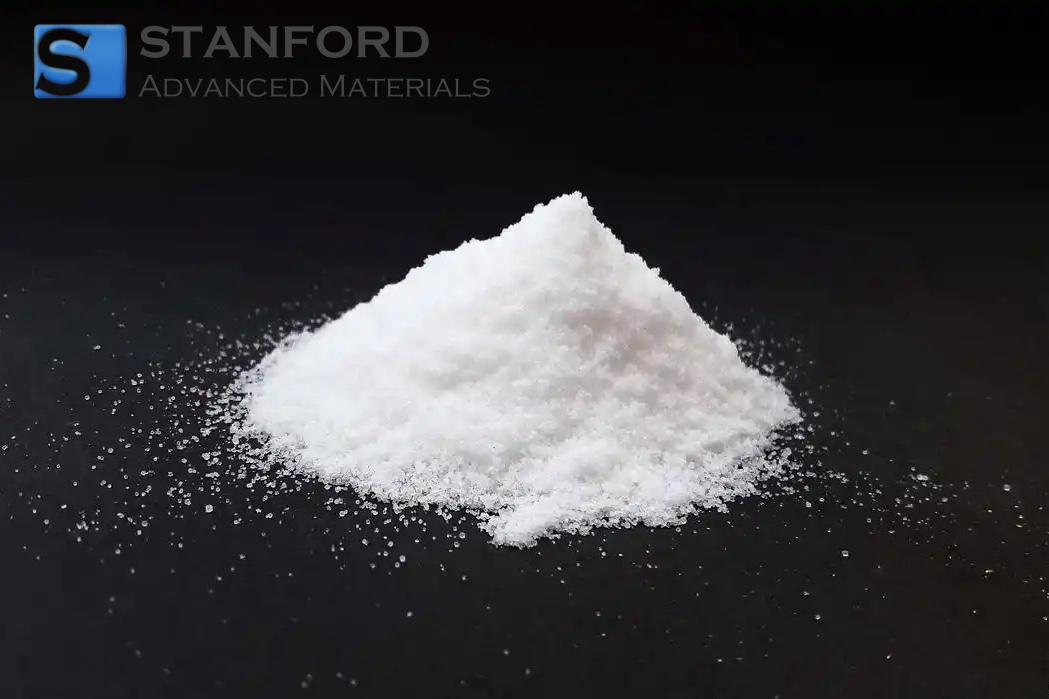
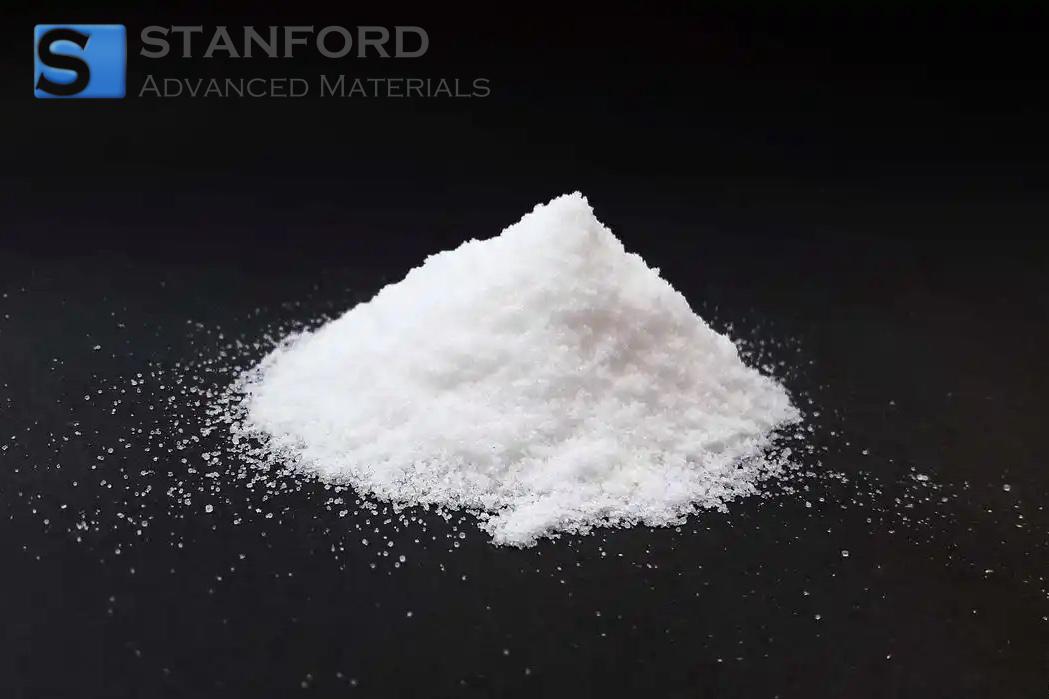
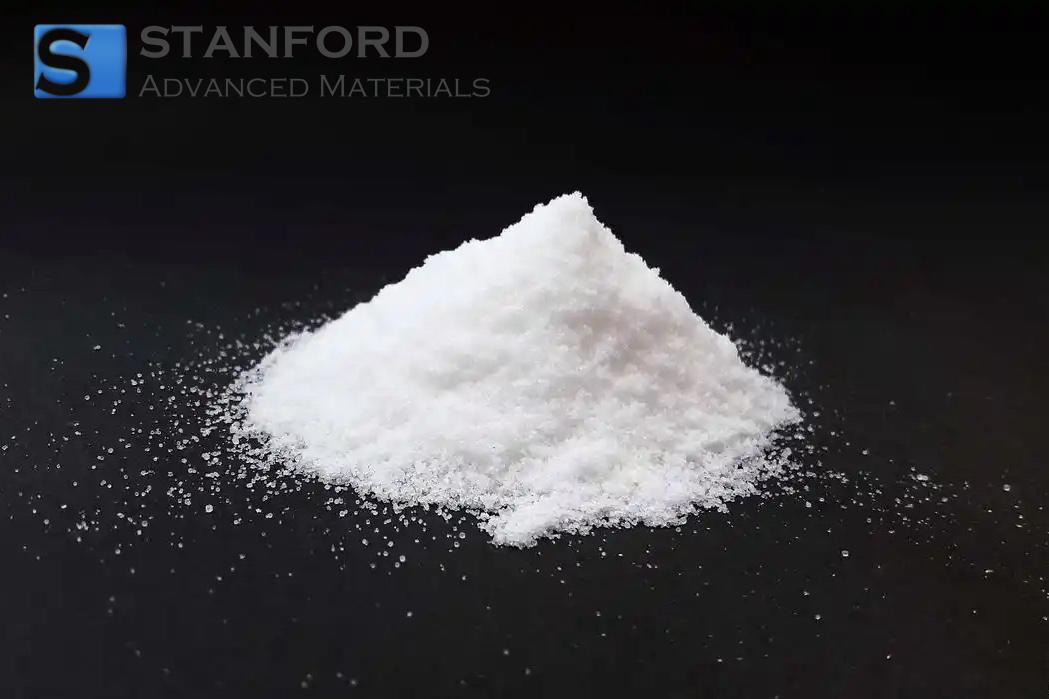
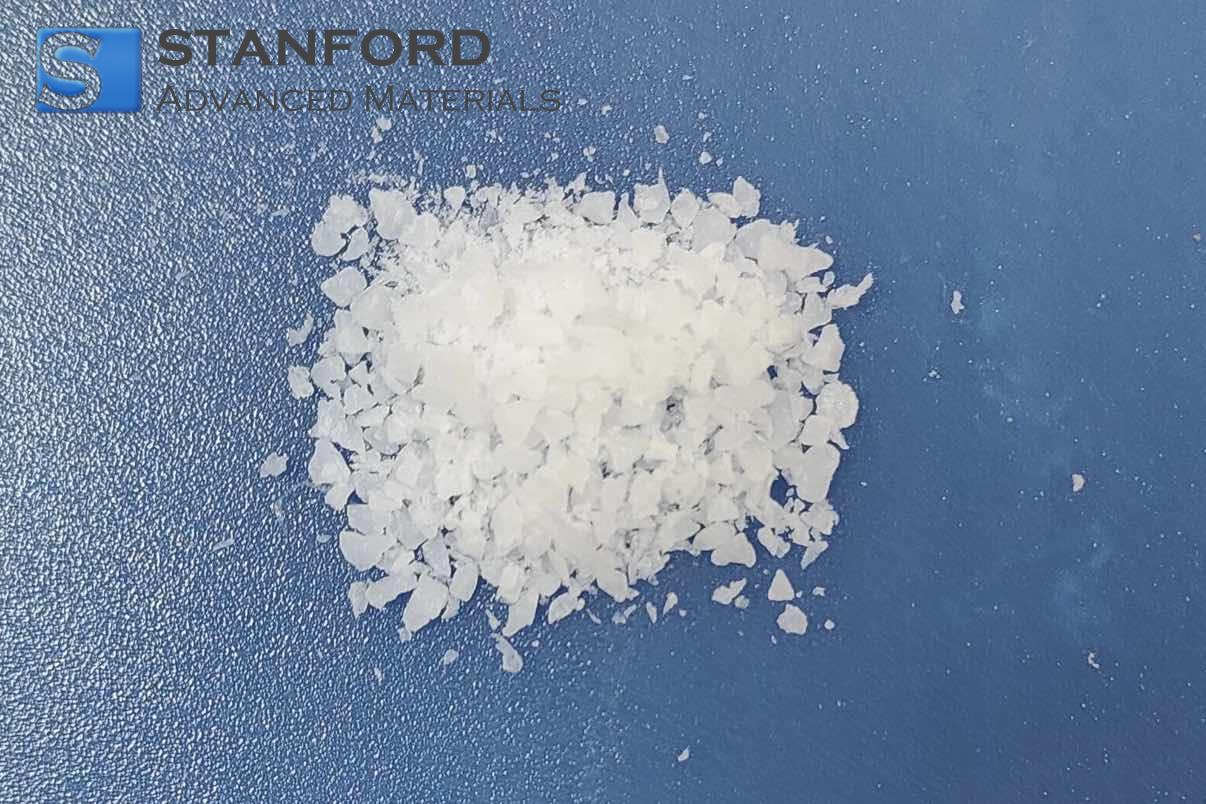
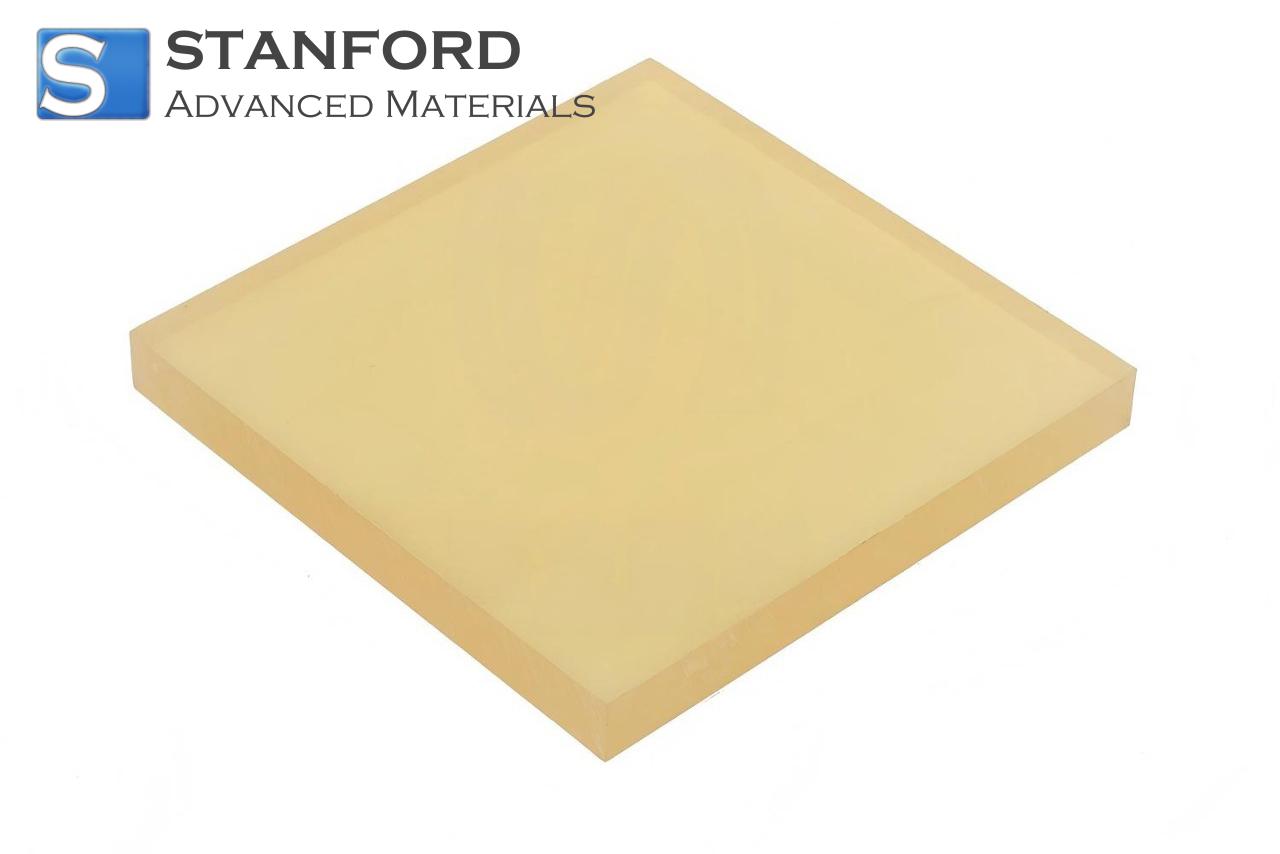
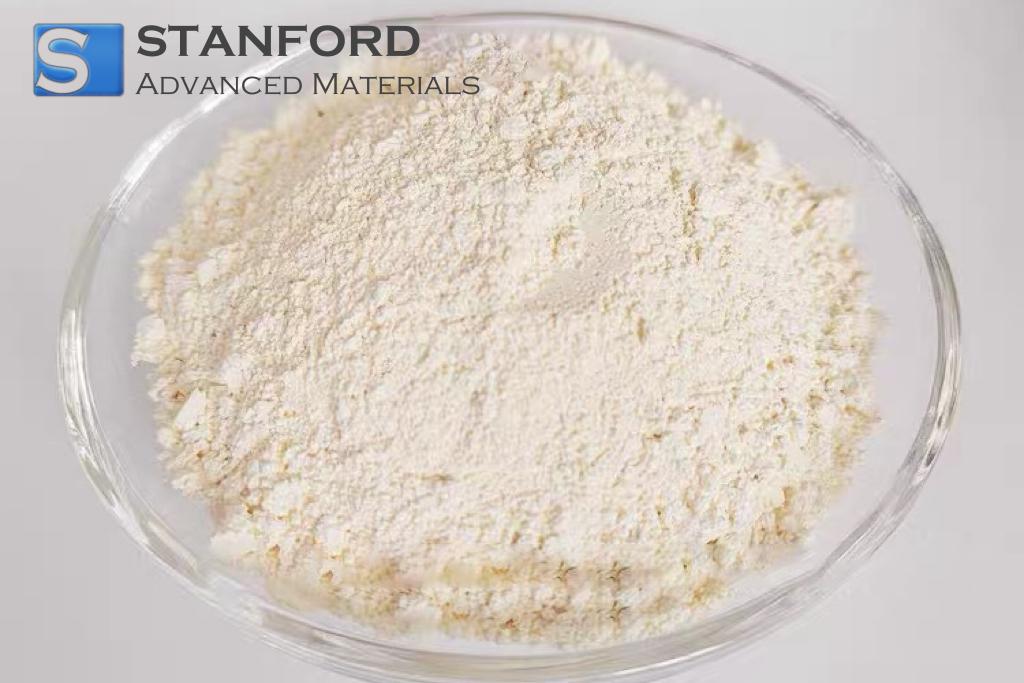
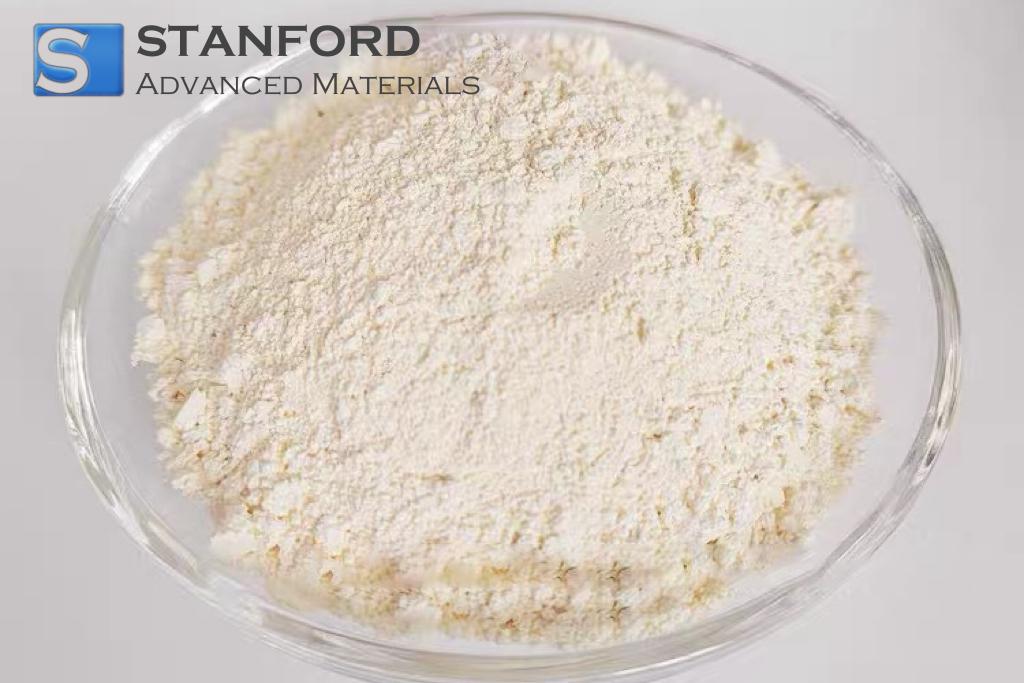
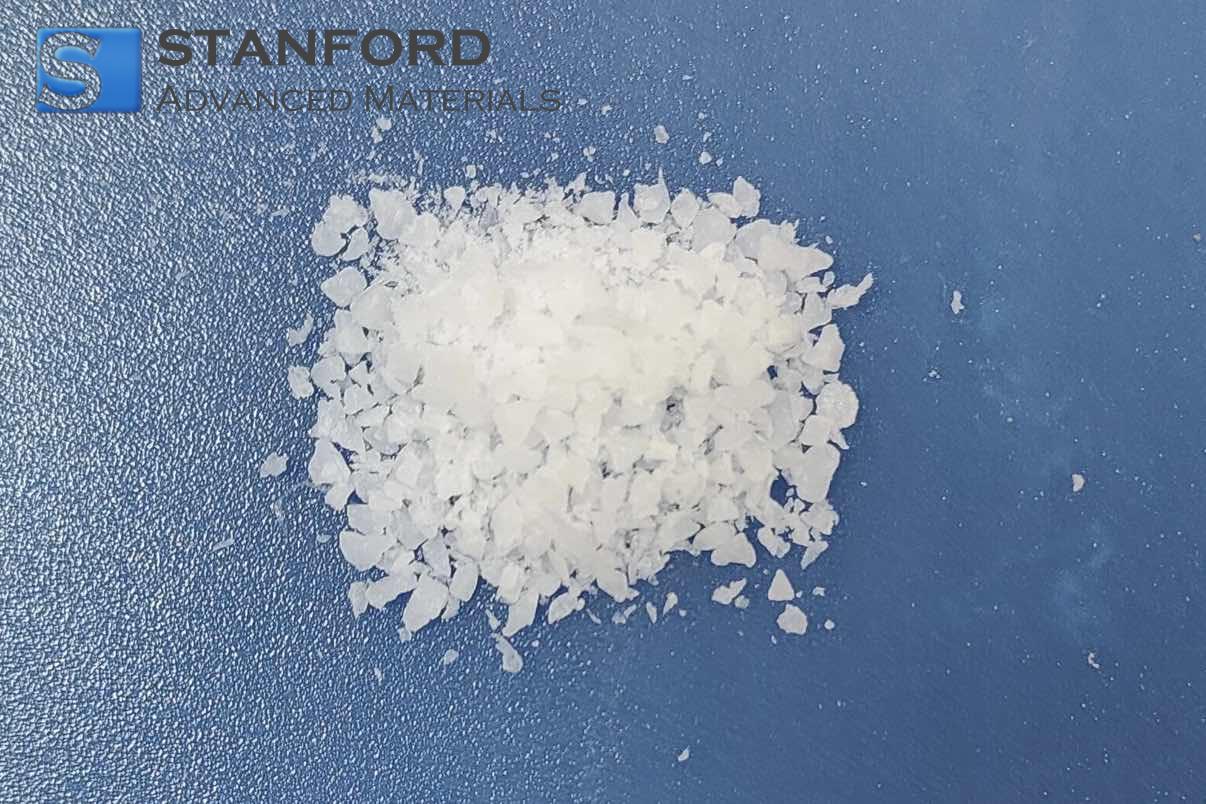
White to off-white powder
|
|
Glass Transition Temperature (Tg)
|
60–65 °C
|
|
Melting Point
|
170–180 °C
|
|
Molecular Weight (Mw)
|
Available in precise sub-grades:
≤ 15 kDa;
15–30 kDa;
30–55 kDa;
55–90 kDa
|
|
Intrinsic Viscosity (IV)
|
Corresponding sub-grades:
≤ 0.3 dl/g;
0.3–0.5 dl/g;
0.5–0.7 dl/g;
0.7–1.0 dl/g
|
|
Loss on Drying
|
≤ 0.5 %
|
|
Residue on Ignition
|
≤ 0.5 %
|
|
Total Heavy Metals
|
≤ 10 ppm
|
|
Catalyst Residue
|
≤ 200 ppm
|
|
Monomer Residue
|
≤ 1 %
|
*The above product information is based on theoretical data and is for reference only. Actual specifications may vary.
Frequently Asked Questions
Q1: What are the key material performance characteristics of this low molecular weight, dual-end-capped PLLA?
A1: Its low molecular weight (≤ 90 kDa) results in shorter polymer chains with reduced entanglement, leading to faster degradation, better solubility, and lower melt or solution viscosity. The dual hydroxyl and carboxyl end-group structure provides enhanced reactivity for further chemical modifications.
Q2: What is the practical significance of offering multiple molecular weight sub-grades (e.g., ≤15 kDa, 15–30 kDa, etc.)?
A2: Different sub-grades correspond to varying chain lengths and intrinsic viscosities, allowing users to select materials based on specific application needs. Lower molecular weight grades dissolve more quickly and degrade faster, making them suitable for short-term functional materials, while slightly higher grades offer better mechanical controllability while maintaining processability.
Q3: What role does the dual hydroxyl and carboxyl end-group structure play in low molecular weight systems?
A3: This structure provides two distinct types of reactive chain ends, greatly facilitating further chemical modification, coupling, or use as polymerisation initiators. Even in low molecular weight systems, this dual functionality makes it an ideal "building block" for constructing more complex polymer architectures such as block copolymers, star polymers, or cross-linked networks.
Q4: Is this product suitable for biomedical applications? What are its advantages?
A4: Yes, its biocompatibility and controllable degradation make it suitable for certain biomedical applications. For example, it can serve as a component in tissue engineering scaffolds, where its surface carboxyl and hydroxyl groups promote cell adhesion, or as a carrier in drug delivery systems, enabling targeted or responsive release through end-group modification. Its relatively fast degradation rate is suitable for short-term implants or applications requiring timely resorption.
CUSTOMER REVIEWS
No reviews for current products.


 Products
 Bars
Bars
 Beads & Spheres
 Bolts & Nuts
 Crucibles
 Discs
Discs
 Fibers & Fabrics
 Films
Films
 Flake
Flake
 Foams
Foams
 Foil
Foil
 Granules
 Honeycombs
 Ink
Ink
 Laminate
 Lumps
Lumps
 Meshes
 Metallised Film
 Plate
Plate
 Powders
 Rod
Rod
 Sheets
 Single Crystals
 Sputtering Target
 Tubes
Tubes
 Washer
 Wires
Wires
 Converters & Calculators
 Write for Us