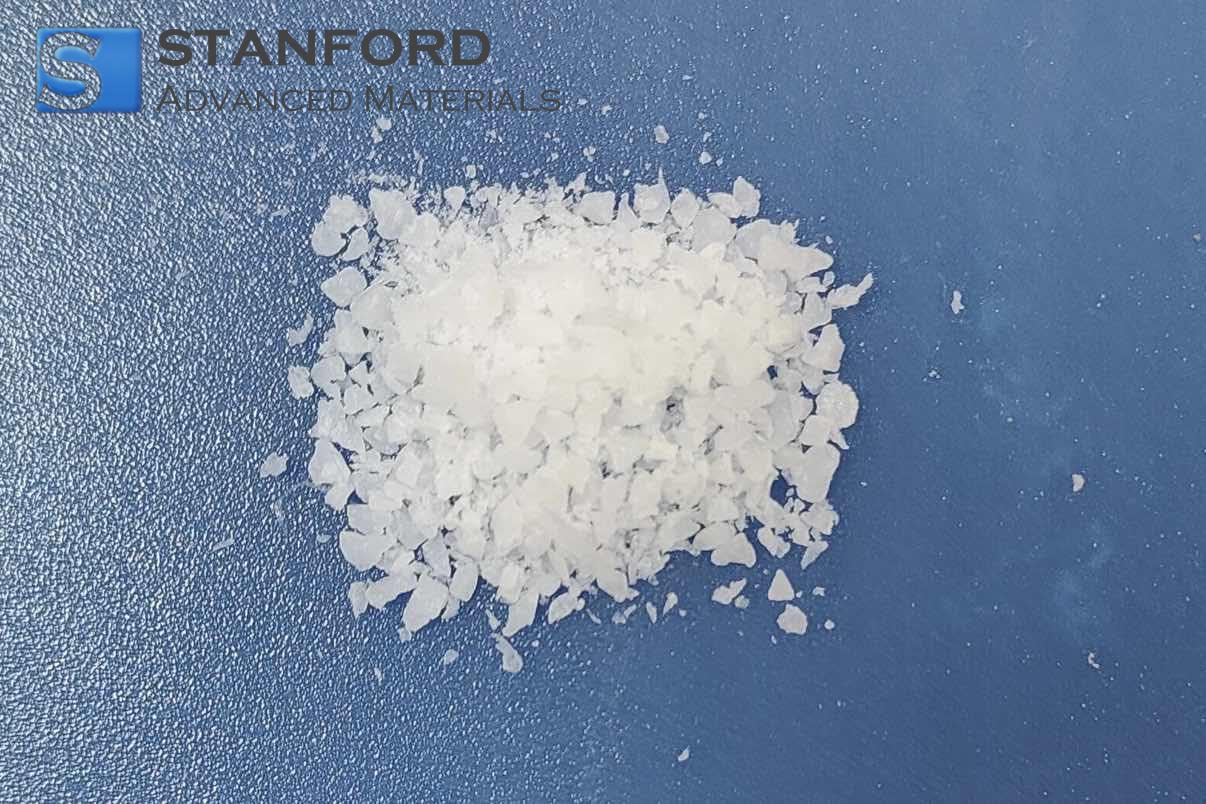
OH-PLLA-COOH, Medium Molecular Weight Grades, IV: 1–3 dl/g, Mw: 90–480 kDa Description
OH-PLLA-COOH (Medium Mw Grade) is an end-functionalised biodegradable polymer with a molecular weight range of 90–480 kDa and an intrinsic viscosity of 1–3 dl/g. Featuring both hydroxyl and carboxyl groups at the polymer chain ends, it provides balanced mechanical properties, controllable degradation profiles, and excellent processing versatility. The moderate chain length achieves an optimal balance between structural strength and processability, making it suitable for applications that require both mechanical integrity and functional performance. It serves as an ideal choice for designing sustainable materials.
OH-PLLA-COOH, Medium Molecular Weight Grades, IV: 1–3 dl/g, Mw: 90–480 kDa Applications
1. Polymer Synthesis & Modification
- Polymer Building Block: Serves as a reactive intermediate for synthesising higher molecular weight polymers, block copolymers, and cross-linked networks.
- Functional Additive: Acts as a compatibiliser, toughness enhancer, or degradation modifier in polymer blends and composite systems.
2. Functional Materials & Formulations
- Biomedical Devices: Used in the fabrication of medium-to-long-term implants, surgical sutures, and orthopaedic fixation devices where balanced degradation and mechanical strength are required.
- Tissue Engineering Scaffolds: Employed in constructing three-dimensional scaffolds that provide structural support for cell growth while gradually degrading as new tissue forms.
- Controlled Release Systems: Serves as a matrix material for sustained drug delivery applications requiring longer release profiles than low molecular weight grades can provide.
- Biodegradable Packaging: Used in the production of durable yet compostable packaging materials that maintain integrity during use while degrading under appropriate environmental conditions.
OH-PLLA-COOH, Medium Molecular Weight Grades, IV: 1–3 dl/g, Mw: 90–480 kDa Packing
The product is supplied in vacuum-sealed, moisture-proof packaging with desiccant to ensure stability during transportation and storage. We offer flexible packaging sizes tailored to customer requirements from R&D to production scale.
Additional Information
Hydroxyl- and carboxyl-terminated medium molecular weight PLLA represents an important class of structural biodegradable polymers with well-balanced properties. Its extended chain length provides enhanced mechanical performance while maintaining the reactivity and functionality of dual end groups.
Stanford Advanced Materials (SAM) leverages advanced polymerisation control and comprehensive analytical verification to ensure precise molecular weight distribution, consistent end-group functionality, and reliable batch-to-batch performance for this medium molecular weight grade.
With growing demand for sustainable materials in medical, packaging, and consumer product applications, medium molecular weight functionalised PLLA offers an optimal combination of performance, processability, and environmental compatibility, supporting the development of biodegradable solutions.
Specification
|
Specification
|
Details
|
|
Product Name
|
OH-PLLA-COOH (Medium Mw Grade)
|
|
Appearance
|
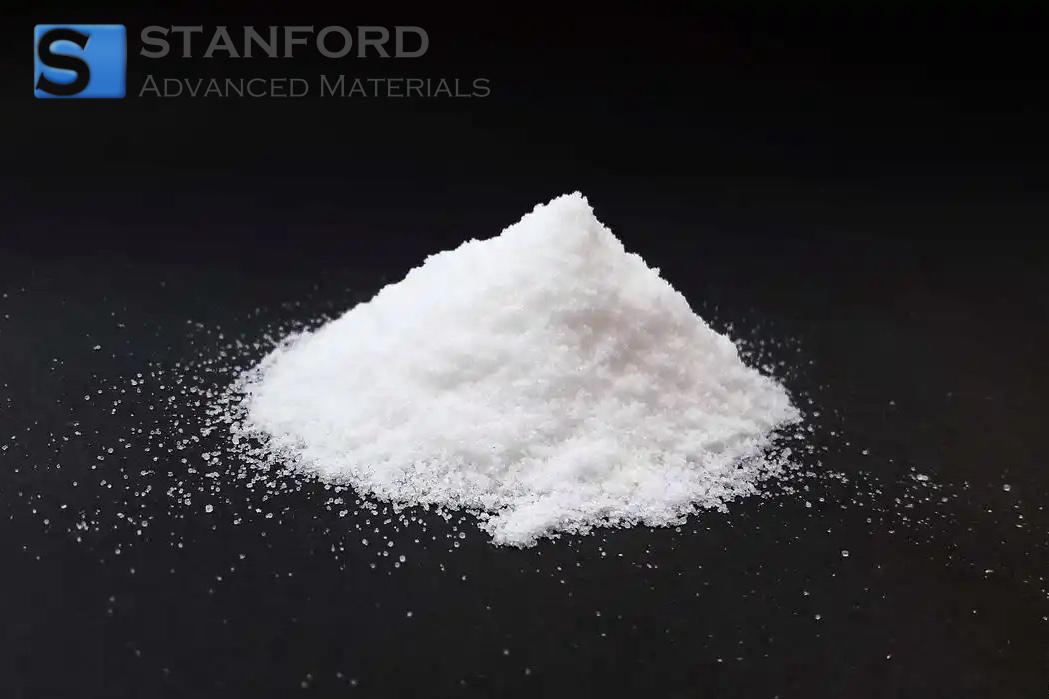
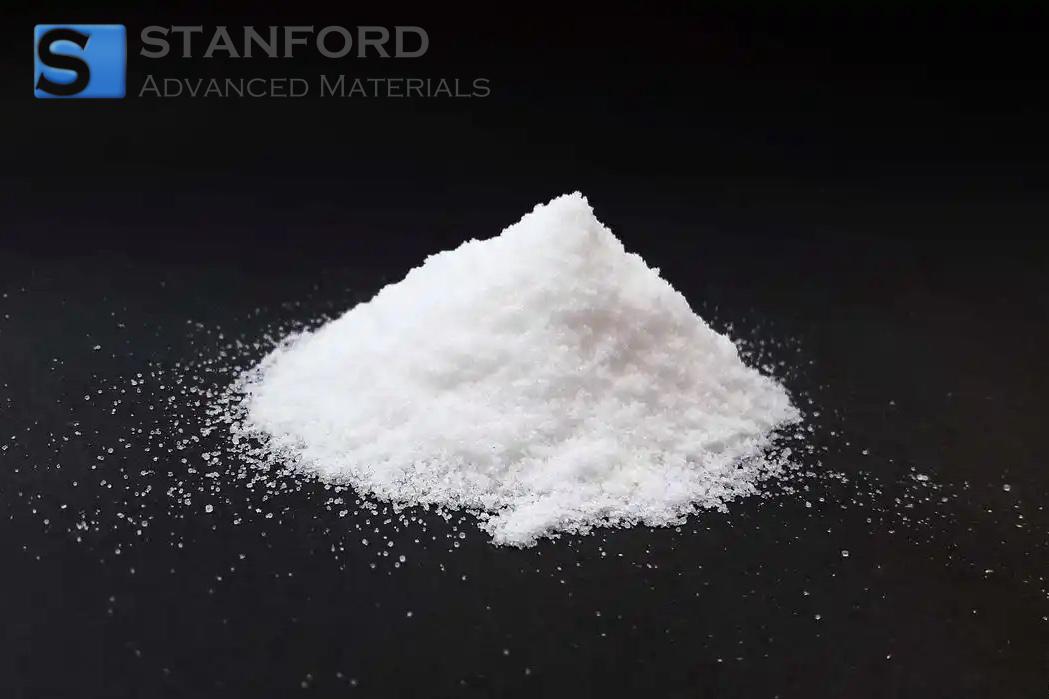
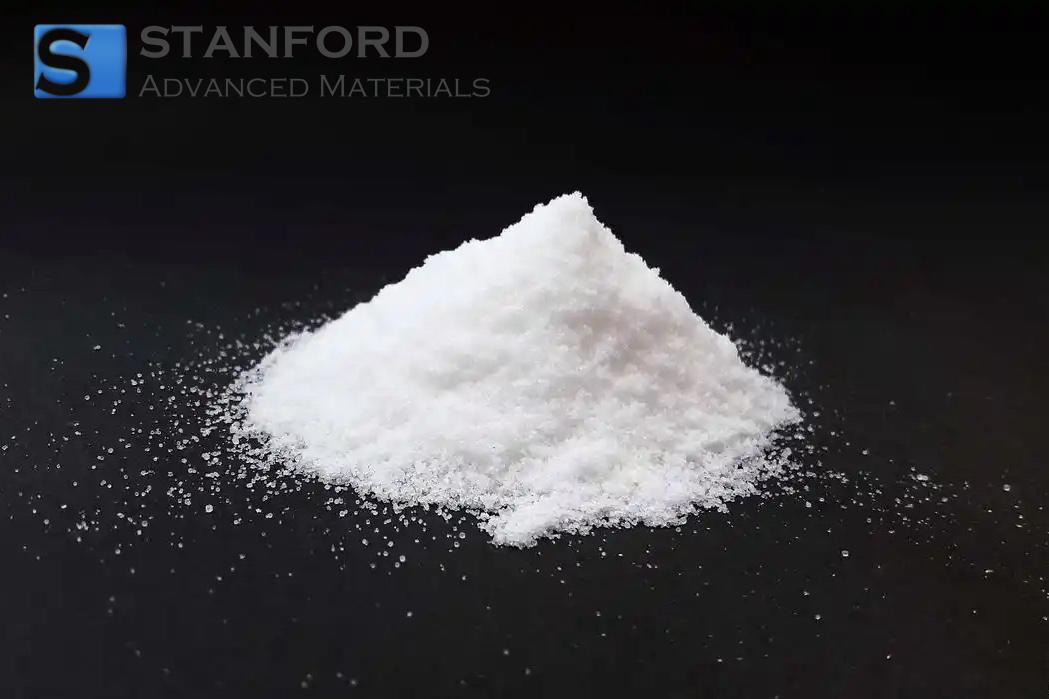
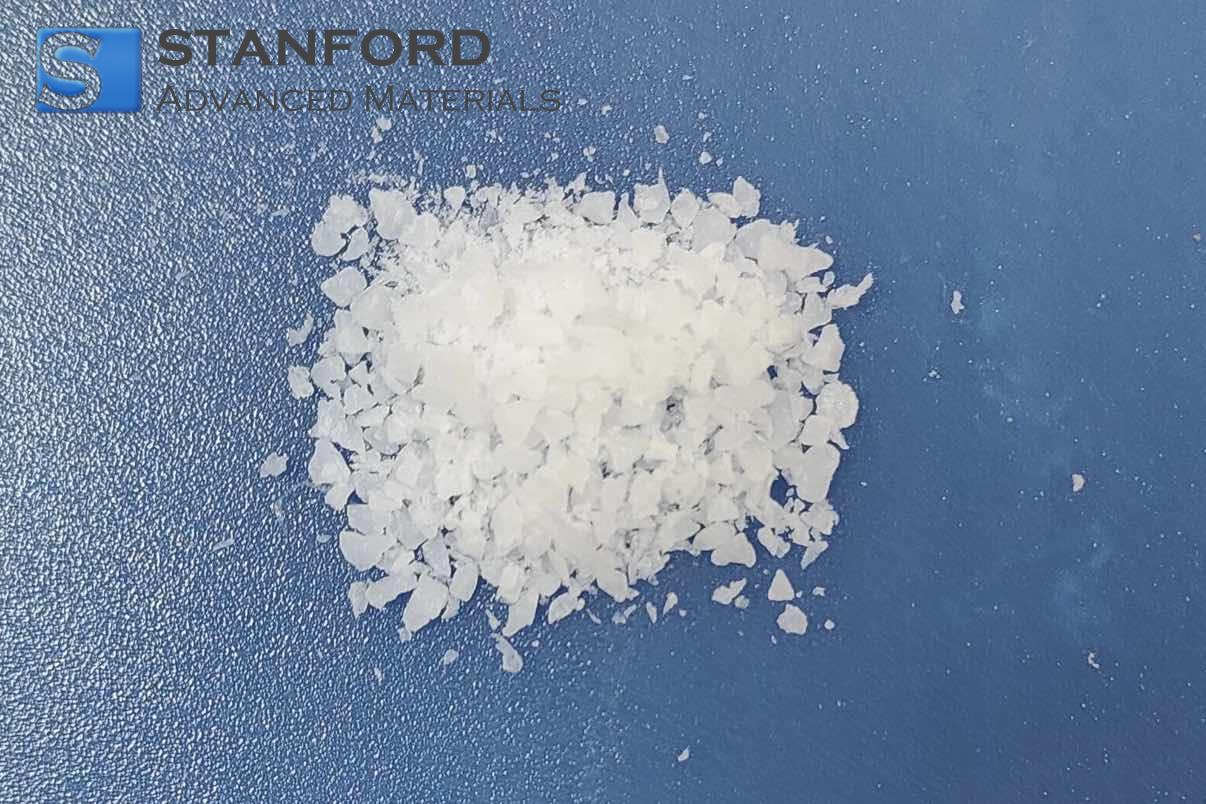
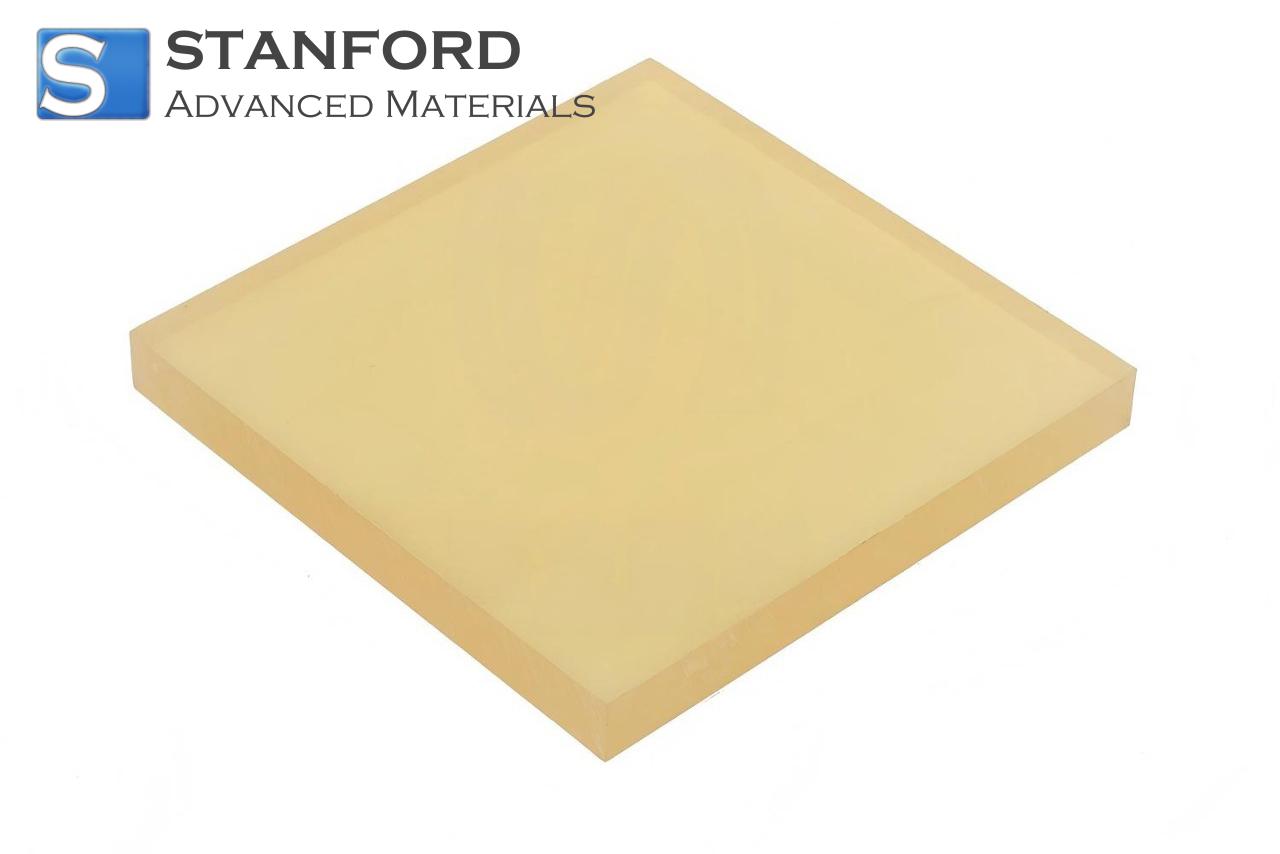
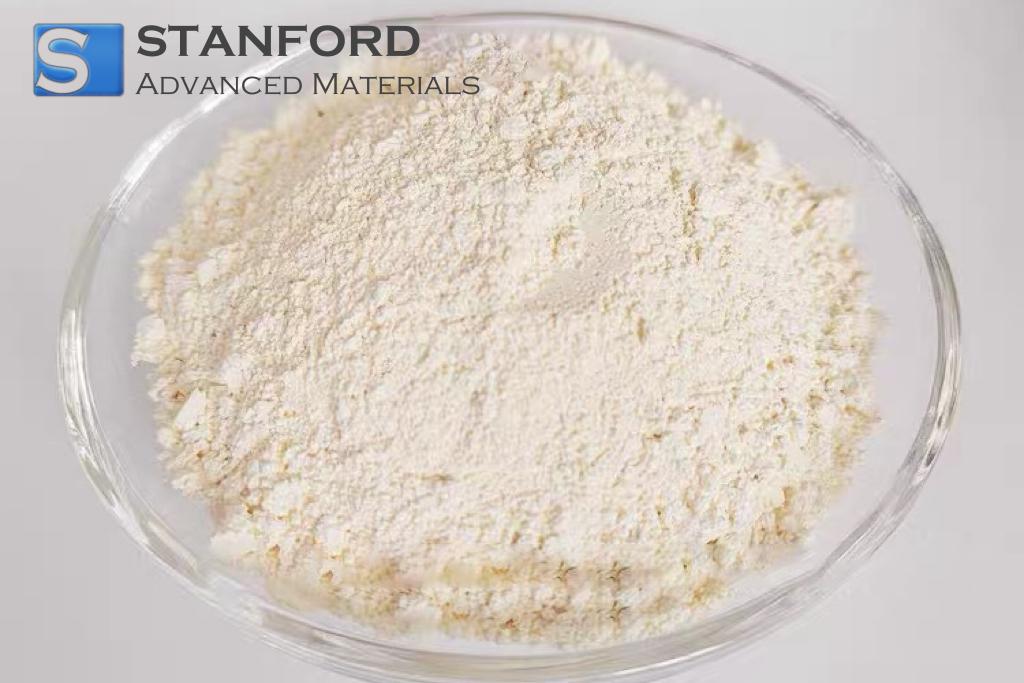
White to off-white powder
|
|
Glass Transition Temperature (Tg)
|
60–65 °C
|
|
Melting Point
|
170–180 °C
|
|
Molecular Weight (Mw)
|
Available in precise sub-grades:
90–170 kDa;
170–260 kDa;
260–360 kDa;
360–480 kDa
|
|
Intrinsic Viscosity (IV)
|
Corresponding sub-grades:
1.0–1.5 dl/g;
1.5–2.0 dl/g;
2.0–2.5 dl/g;
2.5–3.0 dl/g
|
|
Loss on Drying
|
≤ 0.5 %
|
|
Residue on Ignition
|
≤ 0.5 %
|
|
Total Heavy Metals
|
≤ 10 ppm
|
|
Catalyst Residue
|
≤ 200 ppm
|
|
Monomer Residue
|
≤ 1 %
|
*The above product information is based on typical data and is for reference only. Actual specifications may vary.
CUSTOMER REVIEWS
No reviews for current products.


 Products
 Bars
Bars
 Beads & Spheres
 Bolts & Nuts
 Crucibles
 Discs
Discs
 Fibers & Fabrics
 Films
Films
 Flake
Flake
 Foams
Foams
 Foil
Foil
 Granules
 Honeycombs
 Ink
Ink
 Laminate
 Lumps
Lumps
 Meshes
 Metallised Film
 Plate
Plate
 Powders
 Rod
Rod
 Sheets
 Single Crystals
 Sputtering Target
 Tubes
Tubes
 Washer
 Wires
Wires
 Converters & Calculators
 Write for Us