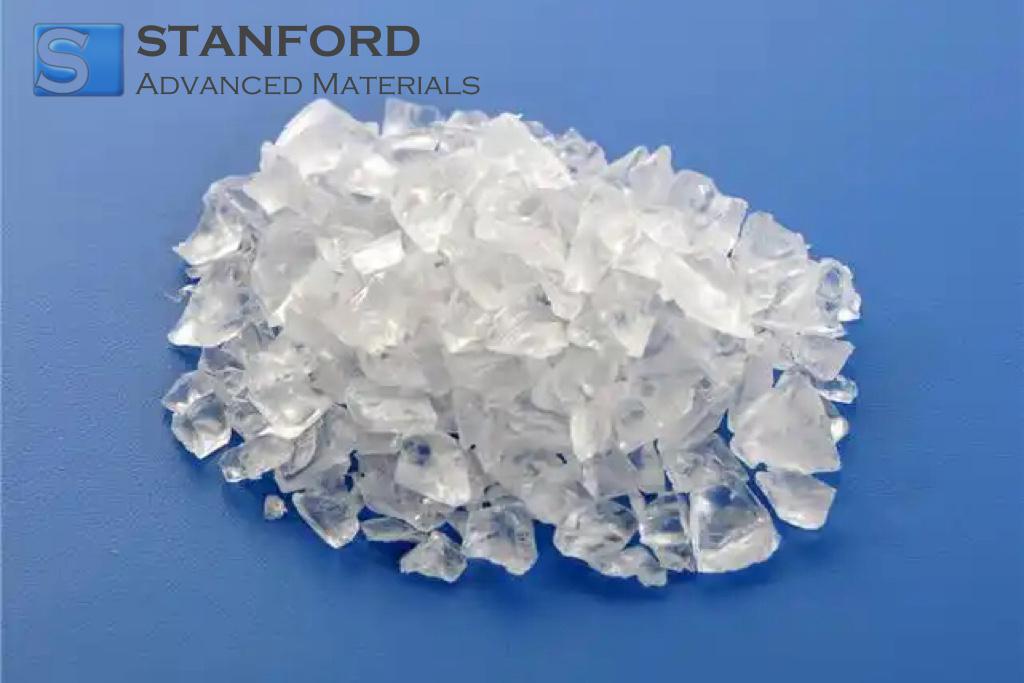
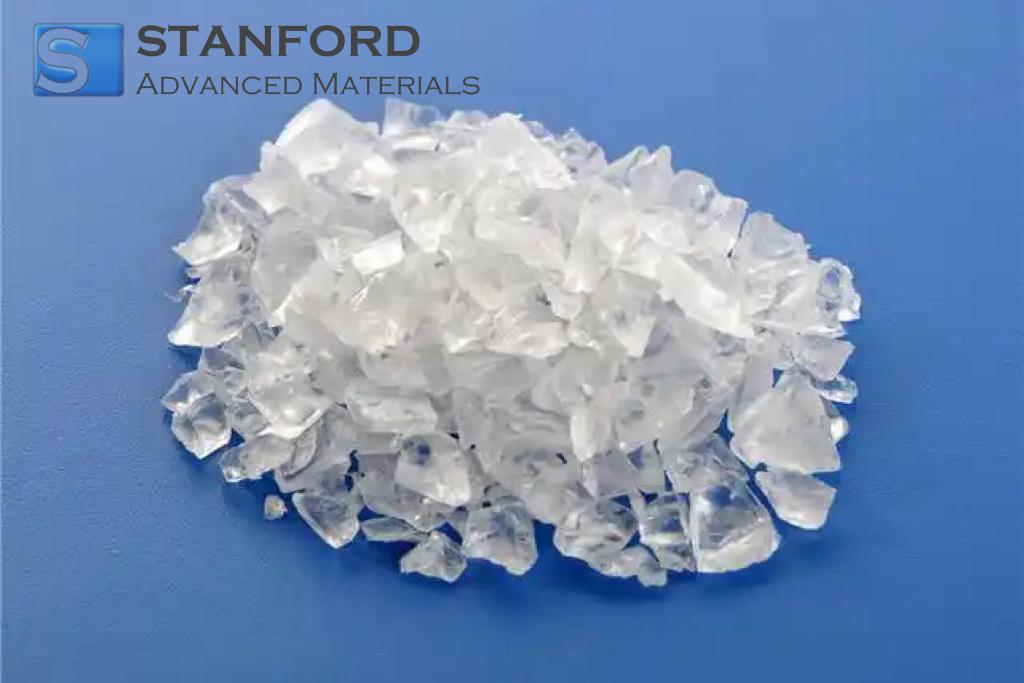
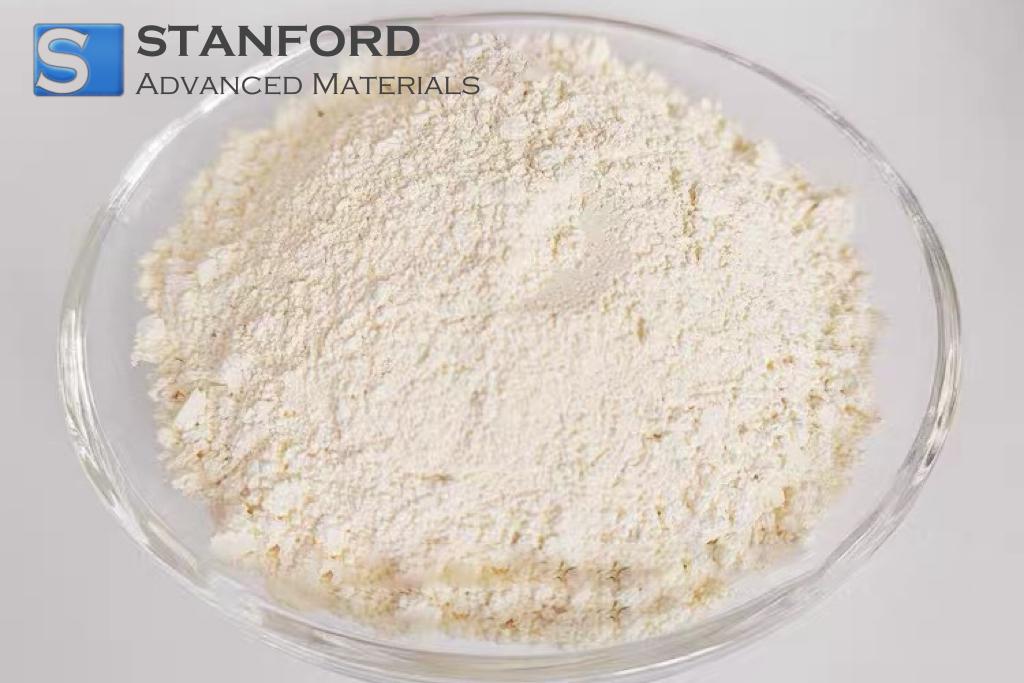
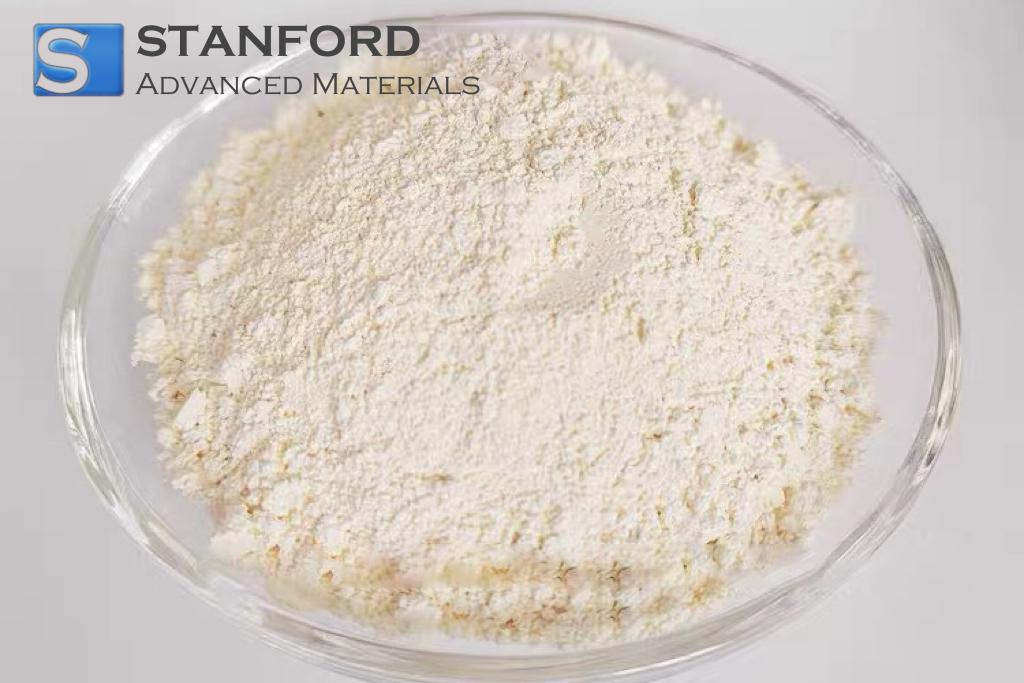
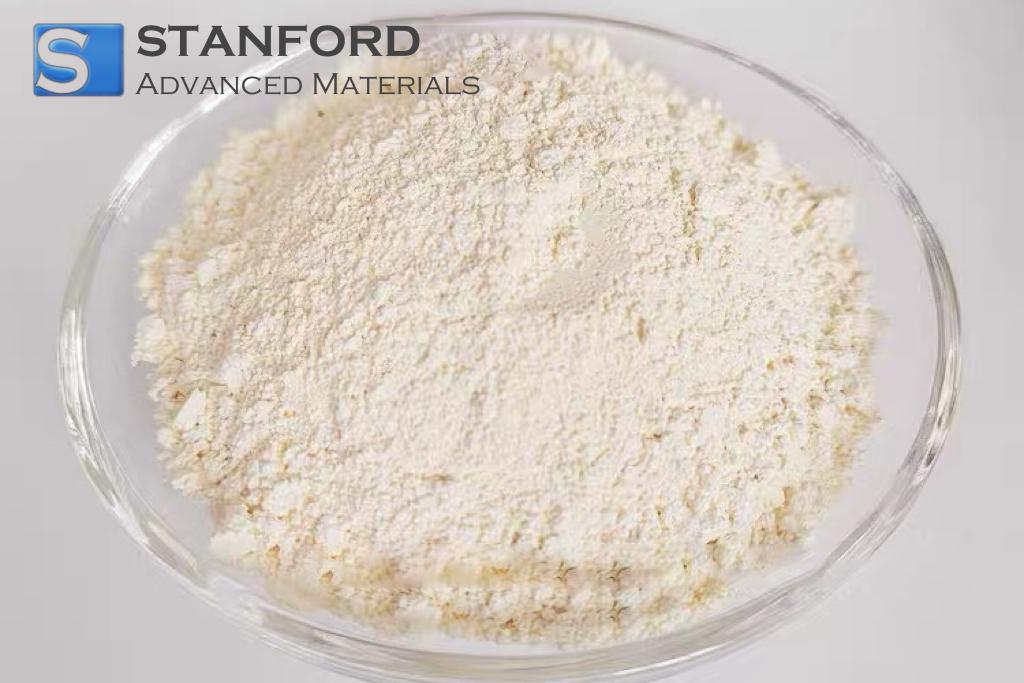
OH-PLLA-COOH, High Molecular Weight Grades, IV ≥ 3 dl/g, Mw ≥ 480 kDa Description
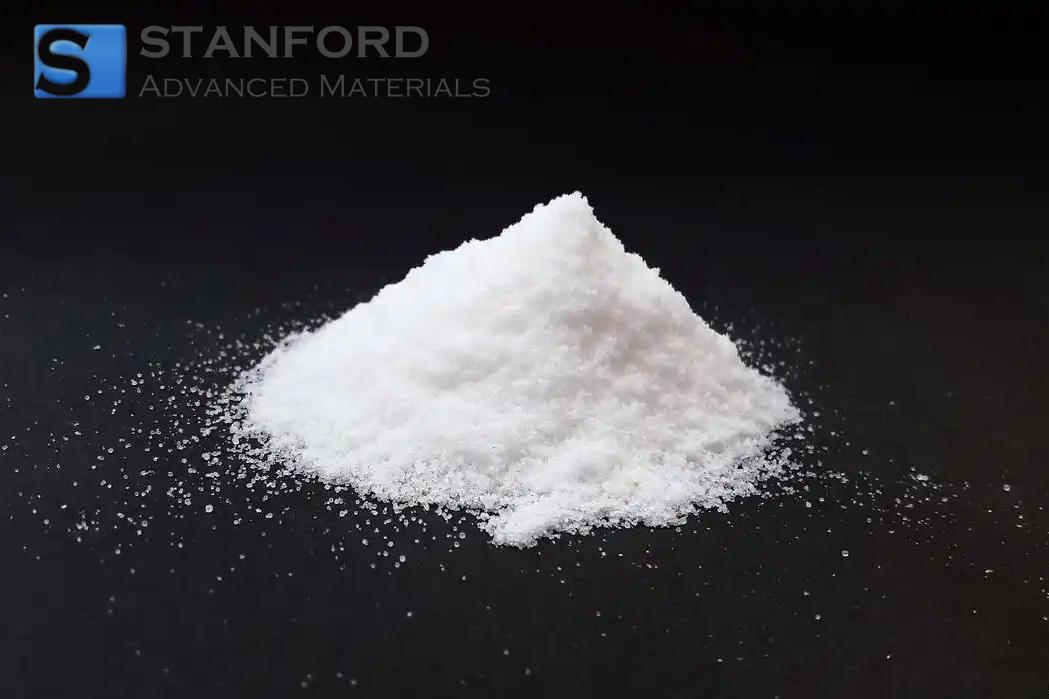
OH-PLLA-COOH (High Mw Grade) is an end-functionalized, ultra-high molecular weight biodegradable polymer (Mw ≥ 480 kDa, IV ≥ 3 dl/g). Its long polymer chains and high degree of entanglement deliver tensile strength, modulus, and extended degradation timelines, comparable to the mechanical performance of some traditional engineering plastics. The preserved hydroxyl and carboxyl end groups provide handles for surface engineering, covalent bonding, and integration into composite systems, making it suitable for structurally demanding, long-term biodegradable applications.
OH-PLLA-COOH, High Molecular Weight Grades, IV ≥ 3 dl/g, Mw ≥ 480 kDa Applications
1. Polymer Synthesis & Modification
- High-Performance Building Block: Serves as a high-mechanical-performance chain segment for synthesising ultra-strong or ultra-tough block copolymers and engineering plastics.
- Reactive Enhancer: Acts as a high molecular weight compatibiliser or toughener to enhance the mechanical properties and interfacial strength of other biodegradable polymer alloys.
2. Functional Materials & Formulations
- Long-Term Absorbable Medical Devices: Used in the manufacturing of load-bearing bone implants, joint repair scaffolds, surgical sutures, and other medical products requiring degradation cycles of several months to years.
- Advanced Tissue Engineering: Constructs three-dimensional porous scaffolds with mechanical strength and long-term support for the regeneration of hard tissues such as bone and cartilage.
- Controlled Release Systems: Serves as a matrix for achieving sustained and stable release of drugs or bioactive factors over periods ranging from months to years.
- High-Performance Degradable Industrial Parts: Used in the production of fully biodegradable industrial components, packaging, or prototypes requiring mechanical properties approaching those of traditional engineering plastics.
OH-PLLA-COOH, High Molecular Weight Grades, IV ≥ 3 dl/g, Mw ≥ 480 kDa Packing
The product is supplied in vacuum-sealed, moisture-proof packaging with desiccant to ensure stability during transportation and storage. We offer flexible packaging sizes tailored to customer requirements from R&D to production scale.
Additional Information
Hydroxyl- and carboxyl-terminated high molecular weight PLLA represents the height of performance in the field of biodegradable polymers, combining the biocompatibility of traditional biomaterials with engineering-plastic-level mechanical properties.
Stanford Advanced Materials (SAM) has achieved stable production and batch-to-batch consistency control of such high-performance polymers through proprietary polymerisation technology and precise precipitation and purification processes for ultra-high molecular weight products, overcoming challenges in high molecular weight PLLA synthesis such as viscosity control and end-group retention.
With the advancement of regenerative medicine, high-end medical devices, and green engineering materials, there is a demand for materials that combine high strength, long lifespan, and complete degradability. SAM's high molecular weight OH-PLLA-COOH provides a material solution for these applications, facilitating the transition of high-performance absorbable materials from the laboratory to industrialisation.
Specification
|
Specification
|
Details
|
|
Product Name
|
OH-PLLA-COOH (High Mw Grade)
|
|
Appearance
|
White to pale-yellow powder or granules
|
|
Glass Transition Temperature (Tg)
|
60–65 °C
|
|
Melting Point
|
170–180 °C
|
|
Molecular Weight (Mw)
|
Available in precise sub-grades:
480–730 kDa;
730–1020 kDa;
1020–1370 kDa;
1370–1700 kDa;
1700–2060 kDa
|
|
Intrinsic Viscosity (IV)
|
Corresponding sub-grades:
3.0–4 dl/g;
4.0–5.0 dl/g;
5.0–6.0 dl/g;
6.0–7.0 dl/g;
7.0–8.0 dl/g
|
|
Loss on Drying
|
≤ 0.5 %
|
|
Residue on Ignition
|
≤ 0.5 %
|
|
Total Heavy Metals
|
≤ 10 ppm
|
|
Catalyst Residue
|
≤ 200 ppm
|
|
Monomer Residue
|
≤ 1 %
|
*The above product information is based on typical data and is for reference only. Actual specifications may vary.
CUSTOMER REVIEWS
No reviews for current products.


 Products
 Bars
Bars
 Beads & Spheres
 Bolts & Nuts
 Crucibles
 Discs
Discs
 Fibers & Fabrics
 Films
Films
 Flake
Flake
 Foams
Foams
 Foil
Foil
 Granules
 Honeycombs
 Ink
Ink
 Laminate
 Lumps
Lumps
 Meshes
 Metallised Film
 Plate
Plate
 Powders
 Rod
Rod
 Sheets
 Single Crystals
 Sputtering Target
 Tubes
Tubes
 Washer
 Wires
Wires
 Converters & Calculators
 Write for Us