

 Products
 Bars
Bars
 Beads & Spheres
 Bolts & Nuts
 Crucibles
 Discs
Discs
 Fibers & Fabrics
 Films
Films
 Flake
Flake
 Foams
Foams
 Foil
Foil
 Granules
 Honeycombs
 Ink
Ink
 Laminate
 Lumps
Lumps
 Meshes
 Metallised Film
 Plate
Plate
 Powders
 Rod
Rod
 Sheets
 Single Crystals
 Sputtering Target
 Tubes
Tubes
 Washer
 Wires
Wires
 Converters & Calculators
 Write for Us



Customized Palladium on Carbon Catalyst for Enhanced Hydrogenation Efficiency in Pharmaceutical Synthesis

Customer Background
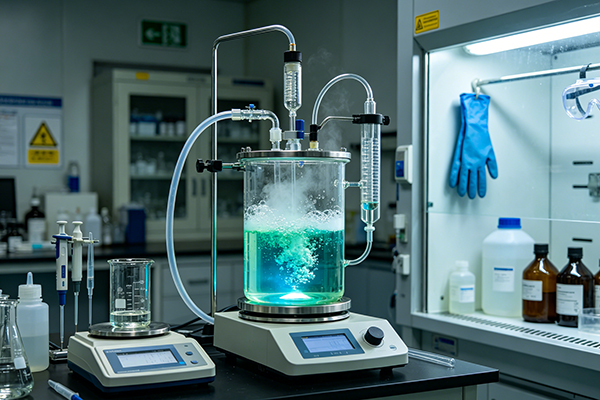
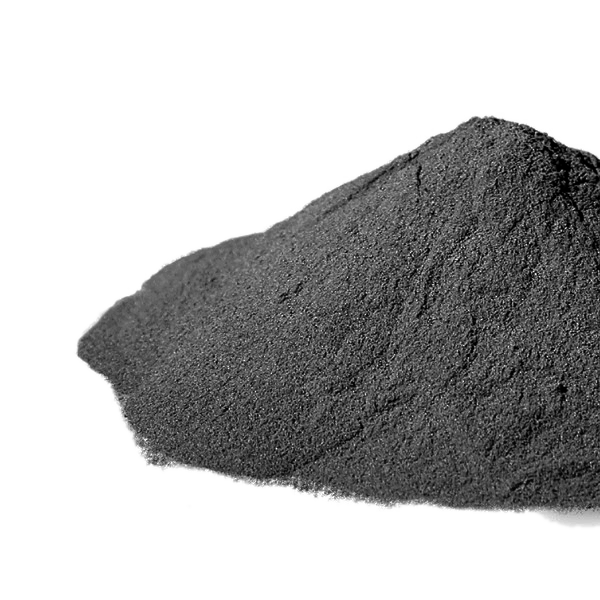
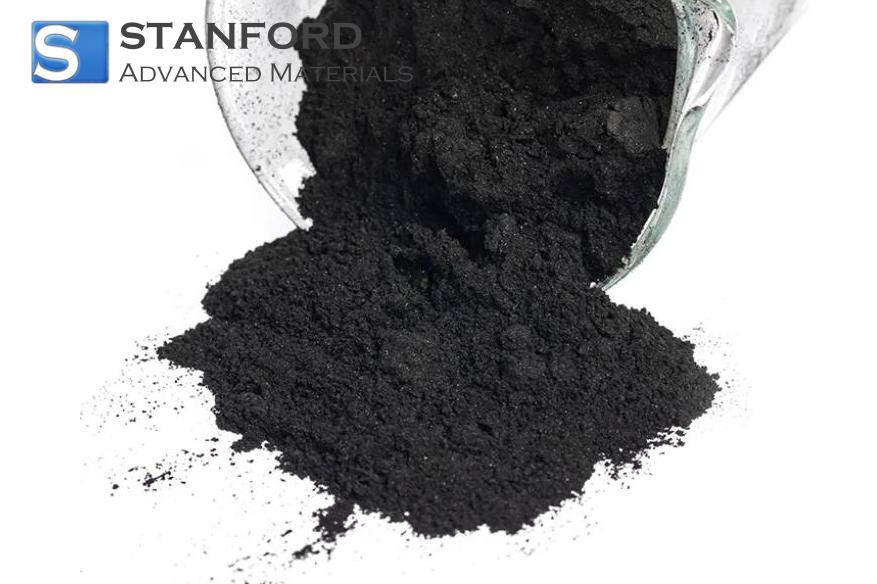
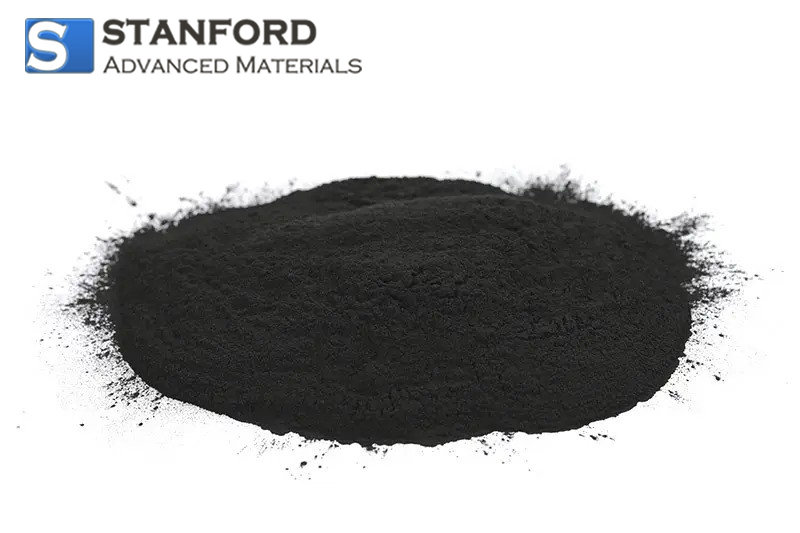
One of our longstanding customers in the pharmaceutical sector faced challenges in scaling up their hydrogenation process used for both active pharmaceutical ingredient (API) production and fine chemical synthesis. With an established history in chemical manufacturing, the customer needed to transition from conventional catalyst materials to a more controlled formulation capable of consistently delivering the desired conversion rates and selectivity. The company's internal R&D team had developed a new catalyst design that incorporated palladium on carbon (Pd/C), but production at scale proved challenging due to the sensitivity of catalyst loading and particle distribution influenced by reactor conditions.
Challenge
The primary concern was achieving the catalyst loading specification reliably across different batches, as minor deviations in Pd concentration or particle size could lead to significant variations in catalytic performance. Specific technical requirements included:
• A precise palladium loading of 5.0 ± 0.2% by weight to ensure optimal active site density while avoiding excess metal waste.
• Pd particle sizes maintained within a narrow range (2–5 nm) to maximise surface area while ensuring effective stability under high-pressure hydrogenation conditions.
• Activated carbon support with controlled porosity (average pore diameter of 60 nm ± 10 nm) to ensure uniform distribution and accessibility to active sites.
In addition, the customer's process was sensitive to variations in catalyst activity over time. In previous trials with standard catalyst suppliers, slight inconsistencies in bonding between palladium particles and the carbon support led to unwanted channeling effects in continuous flow reactors, making process control difficult. Another constraint was an aggressive project timeline; the catalyst production and subsequent qualification had to be completed within a four-week window to avoid production downtimes during a critical process upscaling phase.
Why They Chose SAM
When the customer approached our team at Stanford Advanced Materials (SAM), they were seeking not merely a supplier but a partner capable of providing both technical expertise and manufacturing agility. Our extensive 30+ years of experience in advanced materials and our history of working with over 10,000 global customers positioned SAM as a credible resource.
From the onset, our team engaged directly with the customer's process engineers. Rather than offering a standard product, we reviewed their production parameters, discussed the reactor design constraints, and examined material compatibility. We questioned certain assumptions, such as the potential thermal stress effects on the catalyst's performance during extended high-pressure operations, and provided insights into the correlation between Pd particle distribution and overall reactor efficiency. This collaborative, consultative approach gave the customer confidence in our capability to deliver a catalyst that met both specifications and production timelines.
Solution Provided
We assembled a specialised project team to develop a customised Pd/C catalyst, addressing each technical requirement with rigorous quality controls:
• The palladium precursor used was of ultra-high purity (99.95%), ensuring that any impurities did not alter the catalytic activity or cause unplanned side reactions during hydrogenation.
• We engineered the impregnation process to control the Pd loading precisely at 5.0 ± 0.2% by weight. This involved monitoring solution concentration, adjusting the deposition rate, and optimising the reduction process using controlled hydrogen environments.
• To achieve the required particle size distribution, our team fine-tuned the nucleation and growth conditions during the reduction step, precisely targeting a particle size range between 2 and 5 nm. This optimisation was essential to balance the need for high surface area with resistance to agglomeration under operating conditions.
• The activated carbon support was selected based on stringent porosity criteria, with an average pore diameter of 60 nm ± 10 nm, which allowed for uniform dispersion of Pd. The support material underwent additional pre-treatment to ensure compatibility with the metal precursor and to improve the bonding characteristics between the palladium and the carbon surface.
• Packaging and handling were customised to mitigate contamination and physical disturbance. Each catalyst batch was vacuum-sealed in inert atmosphere packages to prevent surface oxidation, preserving the high activity required for their high-pressure hydrogenation processes.
Additionally, we addressed the lead time constraint by streamlining our in-house quality assurance protocols. Our manufacturing process included rapid testing protocols and accelerated validation stages so that the final product could be delivered within the demanding four-week timeframe.
Results & Impact
Upon integration of the new Pd/C catalyst into their hydrogenation reactors, the customer witnessed several measurable improvements over their prior performance benchmarks. Process reproducibility improved notably, with catalyst activity remaining stable over extended continuous operations. Quantitatively, the controlled catalyst loading and particle size distribution reduced variability in reaction conversion rates, enhancing yield consistency for both API and fine chemical products.
Process engineers reported that the activity profile of the catalyst maintained within acceptable operational limits for multiple cycles, suggesting that the risk of deactivation due to Pd agglomeration was significantly reduced. The improved thermal stability of the catalyst also resulted in fewer shutdowns and adjustments during production runs, contributing to a more predictable manufacturing environment. As a result, the production process saw a measurable reduction in cycle interruptions, directly impacting overall plant efficiency.
Key Takeaways
The case highlights several crucial factors when dealing with advanced materials in a regulated, performance-sensitive environment:
• Fine control over catalyst loading and particle size distribution is imperative in complex chemical processes, especially in pharmaceuticals where consistency can affect both reaction yield and product quality.
• Early and robust technical dialogue between the supplier and the end-user is essential. Addressing potential challenges such as thermal stability and material compatibility during the design phase can avert costly process deviations.
• Meeting tight production schedules is possible with a streamlined manufacturing and validation process that focuses on both technical precision and rapid turnaround.
Our approach at Stanford Advanced Materials (SAM) emphasises a thorough understanding of the customer's production demands. By aligning our material specifications with the precise requirements of the hydrogenation process, we provided a solution that elevated process reliability and efficiency while adhering to strict industry standards.
 Dr. Samuel R. Matthews
