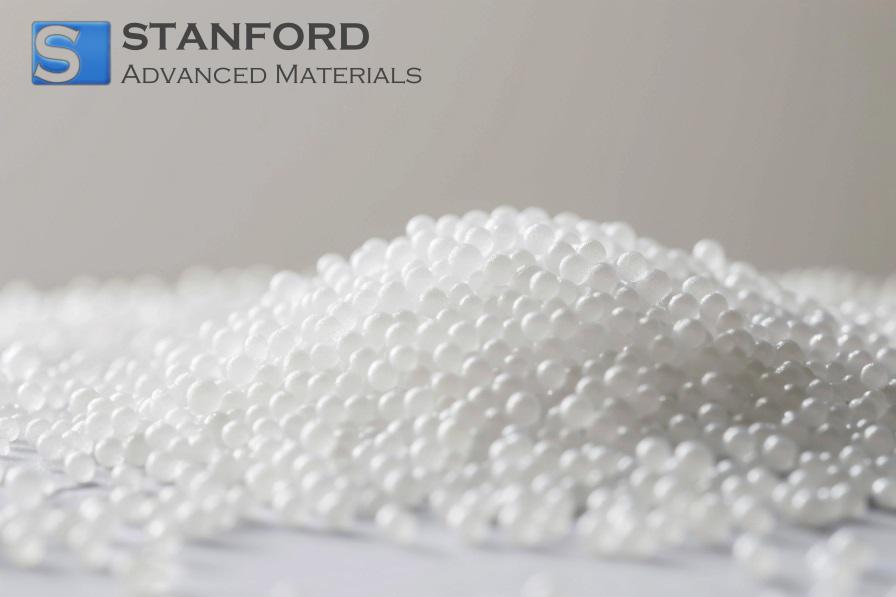
OH-PDLLA-COOR,
high molecular weight polymer, ester-terminated, ultra-high Mw polymer,
engineering bioplastic, high-strength biodegradable polymer, extrusion grade,
injection moulding grade, ≥ 280 kDa, ≥ 1.5 dl/g
OH-PDLLA-COOR, High Molecular Weight Grades Description
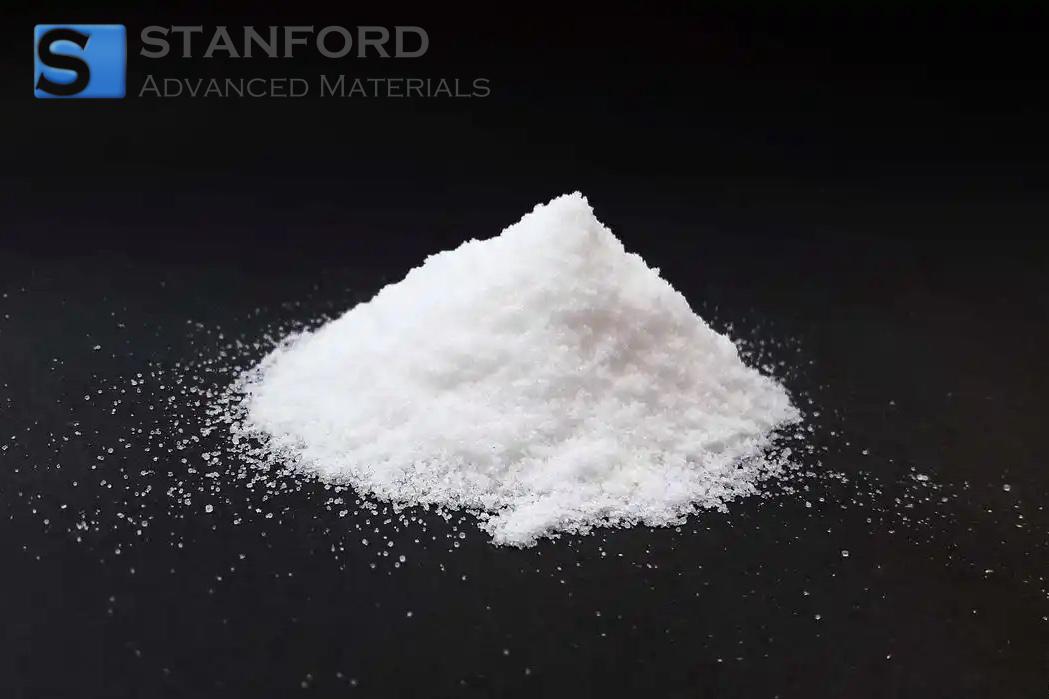
OH-PDLLA-COOR (High Mw Grade) is an ultra-high
molecular weight, ester-capped biodegradable polymer designed to meet the
most demanding mechanical and durability requirements. With intrinsic viscosity
≥ 1.5 dl/g and molecular weights extending to 1900 kDa, it rivals conventional
engineering plastics in performance while remaining fully biodegradable. Its
pellet or powder form ensures compatibility with standard industrial polymer
processing, making it a viable sustainable alternative for durable applications.
OH-PDLLA-COOR, High Molecular Weight Grades Applications
1.
High-Performance Films, Sheets & Profiles
- Heavy-Duty and Agricultural Films: Manufacture high-strength mulch
films, greenhouse covers, or silage wraps that must withstand prolonged UV exposure
and mechanical stress for multiple seasons before degrading.
- Extruded Structural Profiles: Produce robust profiles for temporary
fencing, horticultural supports, or compostable composite decking components.
2.
Durable Moulded and Thermoformed Articles
- Injection Moulded Industrial Components: Fabricate high-strength parts
such as pallets, shipping totes, tool handles, or automotive interior
components designed for a multi-year service life with controlled end-of-life.
- Thermoformed Packaging and Trays: Create rigid, durable packaging for
heavy items or electronics that require structural protection during use and
shipping.
3.
Advanced Processing and Composites
- Foams and Lightweight Cores: Utilise its high melt strength for
producing biodegradable foams for packaging, insulation, or composite core
materials.
- Matrix for High-Loading Composites: Act as a tough matrix in composites
with high filler loadings (e.g., wood flour, mineral fillers) for applications
such as biodegradable furniture or construction elements.
OH-PDLLA-COOR, High Molecular Weight Grades Packing
The product is supplied in standard vacuum-sealed,
moisture-proof packaging with desiccant to ensure stability during
transportation and storage. We offer flexible packaging sizes tailored to customer
requirements across all stages, from R&D to production. For specific
packaging options or to discuss customised packaging solutions, please feel
free to contact us.
Additional Information
This high molecular weight ester-terminated grade represents
the apex of mechanically performant biodegradable polyesters. It
effectively decouples the traditional link between biodegradability and low
mechanical strength, opening doors for sustainable materials in markets
traditionally dominated by PP, ABS, or HDPE. Its ester end-group ensures
processing reliability and shelf stability that is critical for industrial
adoption. SAM provides technical support, including detailed
rheological data, mechanical property profiles, and application development guidance
to facilitate the successful integration of this high-performance material into
demanding product designs.


 Products
 Bars
Bars
 Beads & Spheres
 Bolts & Nuts
 Crucibles
 Discs
Discs
 Fibers & Fabrics
 Films
Films
 Flake
Flake
 Foams
Foams
 Foil
Foil
 Granules
 Honeycombs
 Ink
Ink
 Laminate
 Lumps
Lumps
 Meshes
 Metallised Film
 Plate
Plate
 Powders
 Rod
Rod
 Sheets
 Single Crystals
 Sputtering Target
 Tubes
Tubes
 Washer
 Wires
Wires
 Converters & Calculators
 Write for Us