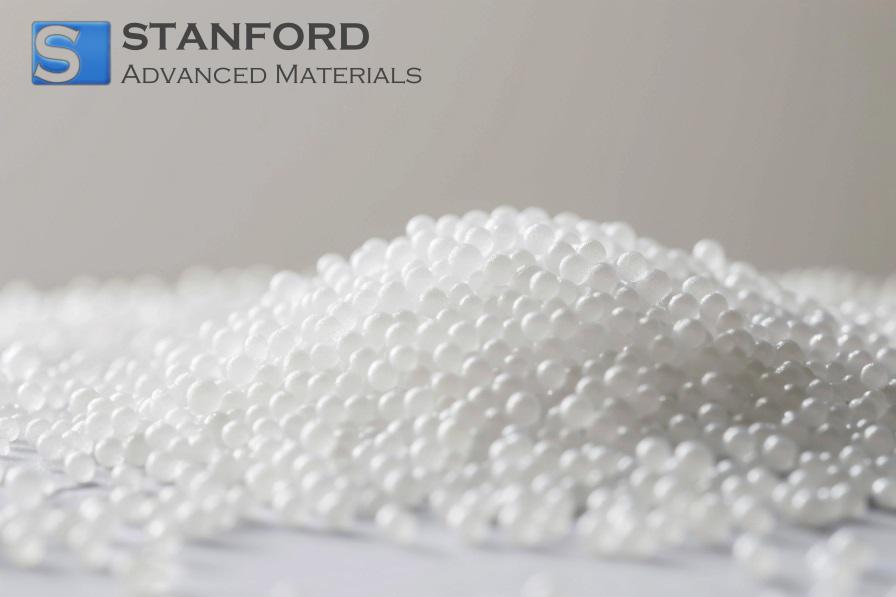
OH-PDLLA-OH, High Molecular Weight Grades Description
OH-PDLLA-OH (High Mw Grade) is
an engineering-grade, reactive biodegradable polymer. With intrinsic
viscosity ≥ 1.5 dl/g and molecular weight ≥ 280 kDa, it is designed to meet
the mechanical demands of structural applications while providing the
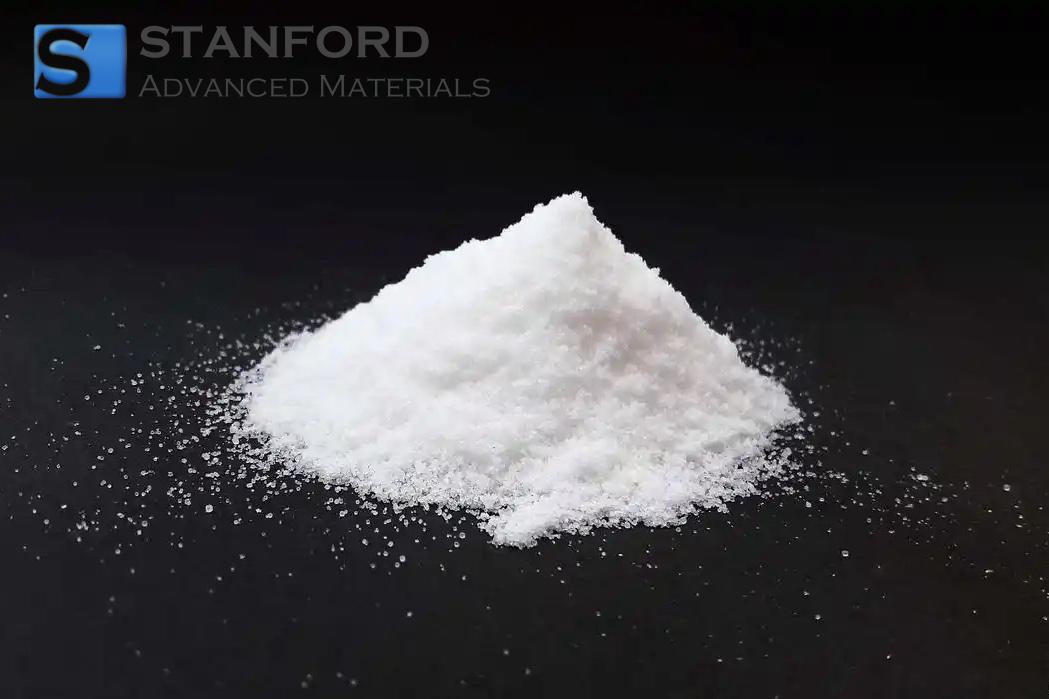
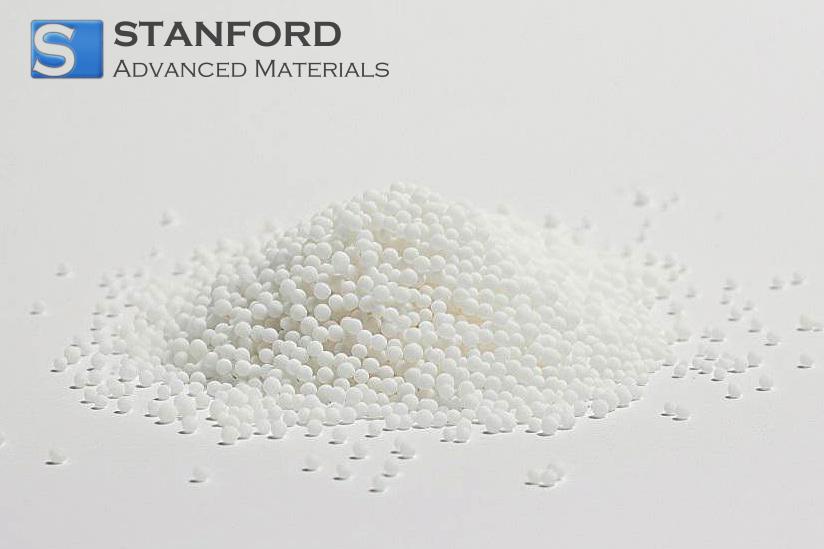
chemical functionality for advanced material design. Its granule or pellet form
ensures compatibility with industrial polymer processing, bridging the gap
between high-performance and sustainable material solutions.
OH-PDLLA-OH, High Molecular Weight Grades Applications
1.
Structural & Durable Biodegradable Articles
- Injection Molded Structural Components: Manufacture high-strength parts
such as automotive interior clips, electronic housings, or industrial fixtures intended
for temporary use, where durability and eventual breakdown are required.
- Extruded Profiles and Heavy-Duty Films: Produce strong sheets for
thermoforming, protective barriers, or profiles for agricultural and
construction applications that must withstand mechanical stress over a defined
multi-year period.
2.
Advanced Reactive Composites & Coatings
- Matrix for High-Performance Composites: Serve as a strong, degradable
matrix in composites reinforced with continuous fibres (e.g., glass, natural
fibres) for semi-structural applications, with hydroxyl groups enhancing
fibre-matrix adhesion.
- Cross-linkable Coating or Adhesive Base: Formulate into high-performance
coatings or adhesives that can be chemically cured (e.g., with isocyanates,
epoxies) for enhanced chemical resistance and bond strength on various
substrates.
3.
Specialised Polymer Synthesis & Additive Manufacturing
- Macro-initiator for High-Mw Block Copolymers: Use as a difunctional
initiator to synthesise very high molecular weight triblock or multi-block
copolymers with unique thermomechanical properties.
- High-Strength 3D Printing Filament: Compound into filaments for Fused
Deposition Modelling (FDM) to print durable, functional prototypes or end-use
parts with complex geometries and engineered degradation.
OH-PDLLA-OH, High Molecular Weight Grades Packing
The product is supplied in standard vacuum-sealed,
moisture-proof packaging with desiccant to ensure stability during
transportation and storage. We offer flexible packaging sizes tailored to
customer requirements across all stages, from R&D to production. For
specific packaging options or to discuss customised packaging solutions, please
feel free to contact us.
Additional Information
This high molecular weight difunctional grade represents
the pinnacle of performance in reactive biodegradable polymers. It
demonstrates that sustainable materials can possess the mechanical properties
necessary for engineering applications. The preservation of hydroxyl
functionality at these high chain lengths is a technical achievement that
unlocks possibilities in molecular architecture design and interfacial
engineering. SAM provides extensive technical support, including data on mechanical
performance, rheology, and recommended compounding strategies, to facilitate
its integration into high-performance material systems.


 Products
 Bars
Bars
 Beads & Spheres
 Bolts & Nuts
 Crucibles
 Discs
Discs
 Fibers & Fabrics
 Films
Films
 Flake
Flake
 Foams
Foams
 Foil
Foil
 Granules
 Honeycombs
 Ink
Ink
 Laminate
 Lumps
Lumps
 Meshes
 Metallised Film
 Plate
Plate
 Powders
 Rod
Rod
 Sheets
 Single Crystals
 Sputtering Target
 Tubes
Tubes
 Washer
 Wires
Wires
 Converters & Calculators
 Write for Us