{{flagHref}}
Products
  • Products
  • Categories
  • Blog
  • Podcast
  • Application
  • Document
|
/ {{languageFlag}}
Select language
Stanford Advanced Materials {{item.label}}
Stanford Advanced Materials
Select language
Stanford Advanced Materials {{item.label}}

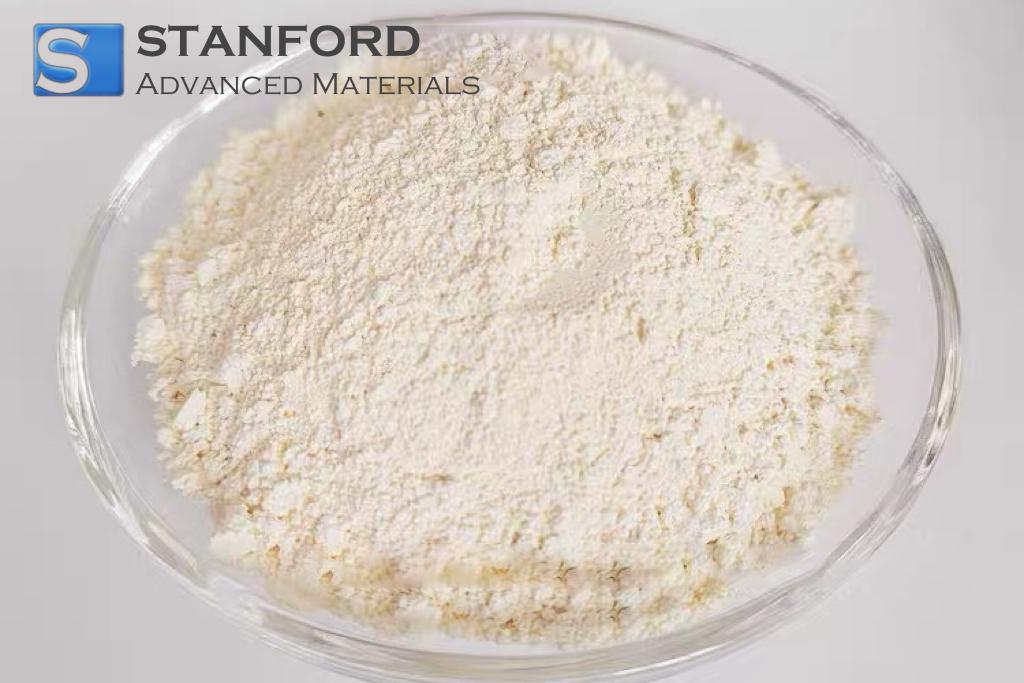
BP10968 OH-PLLA-COOR, High Molecular Weight Grades, IV ≥ 3 dl/g, Mw ≥ 480 kDa

Catalogue Number BP10968
Composition OH-PLLA-COOR
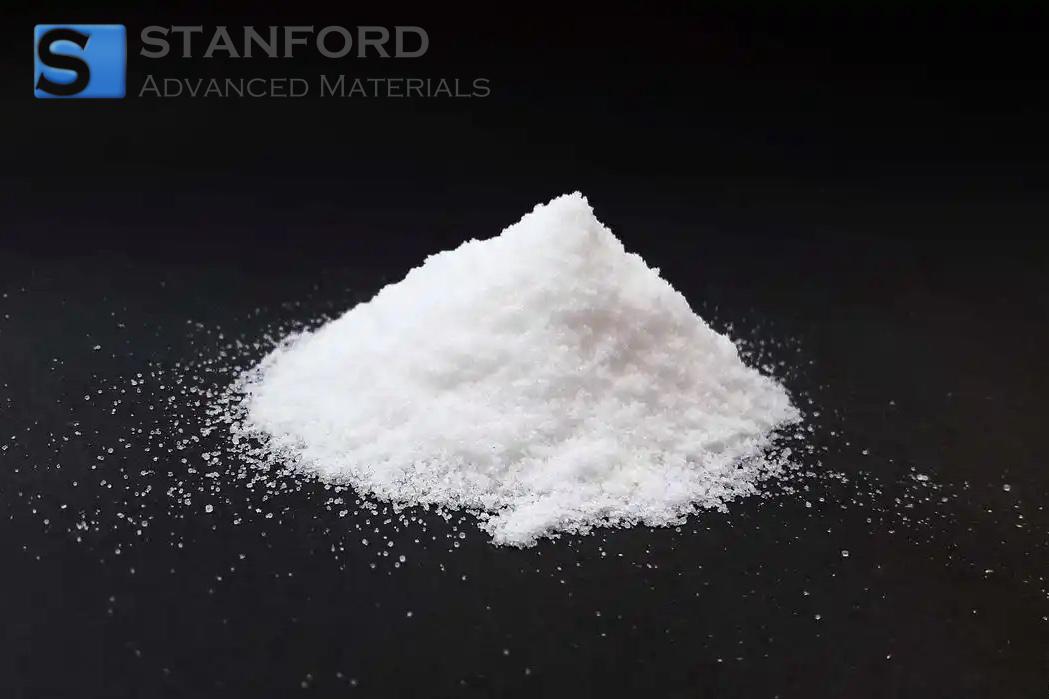
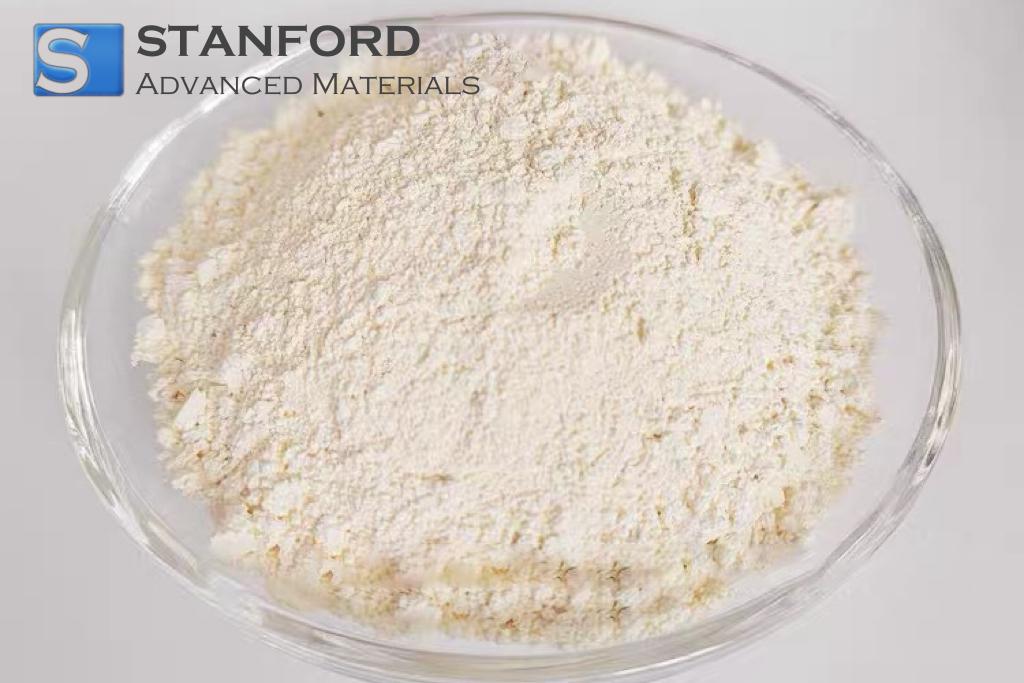
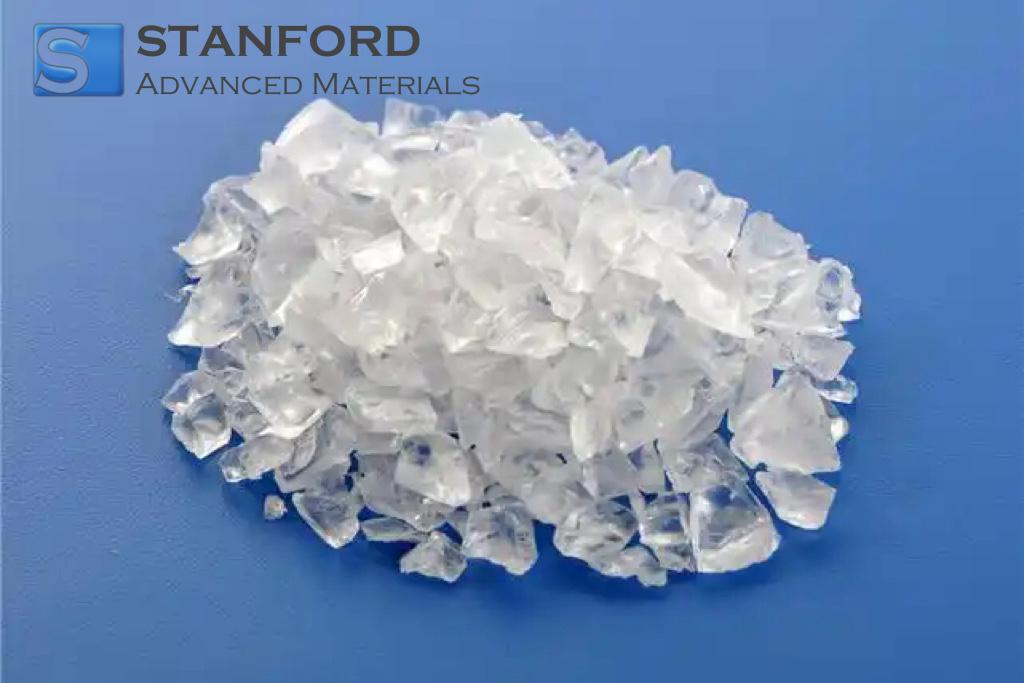
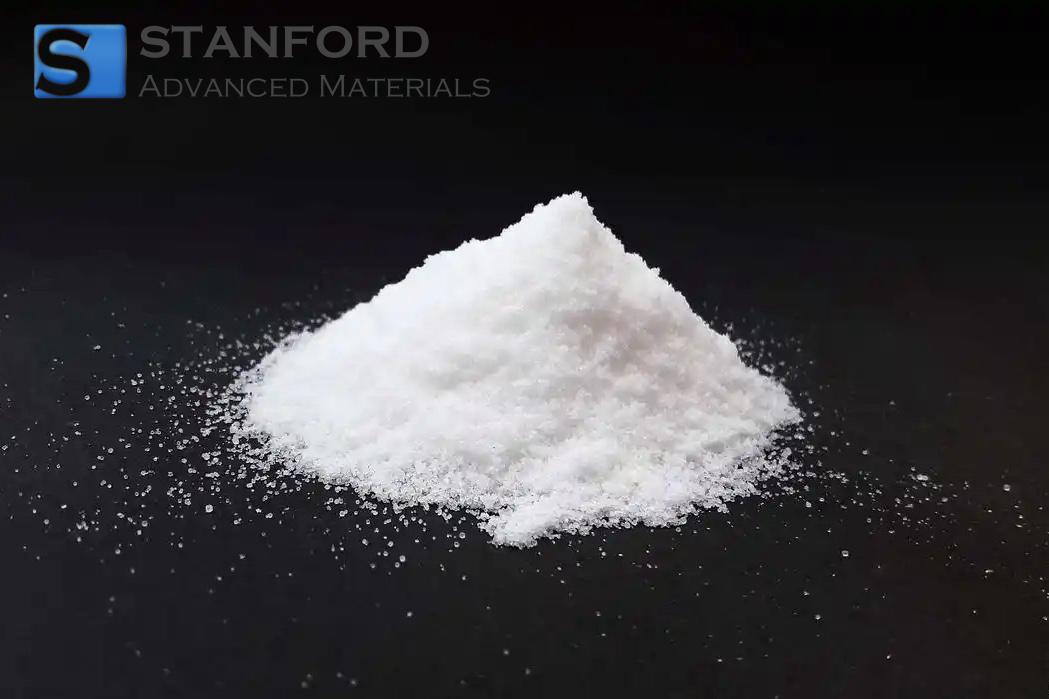
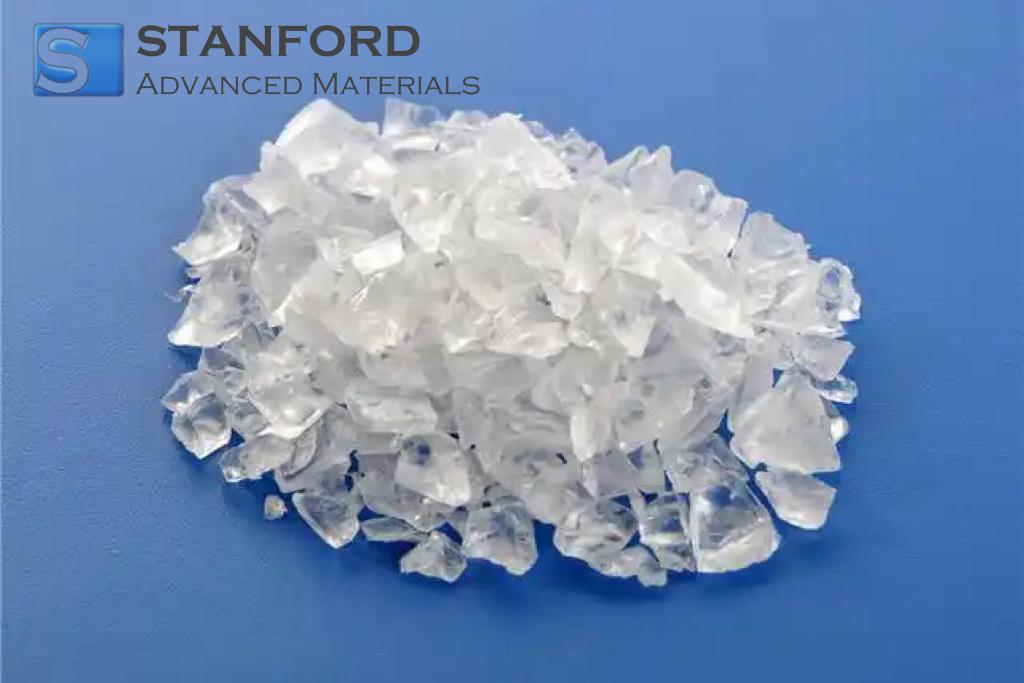
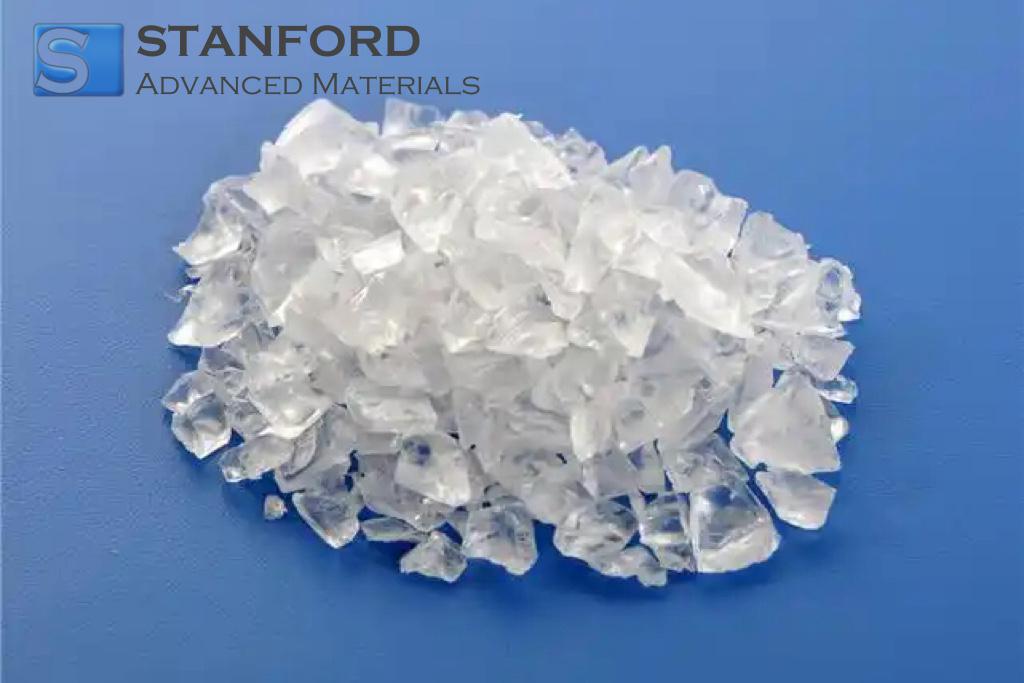
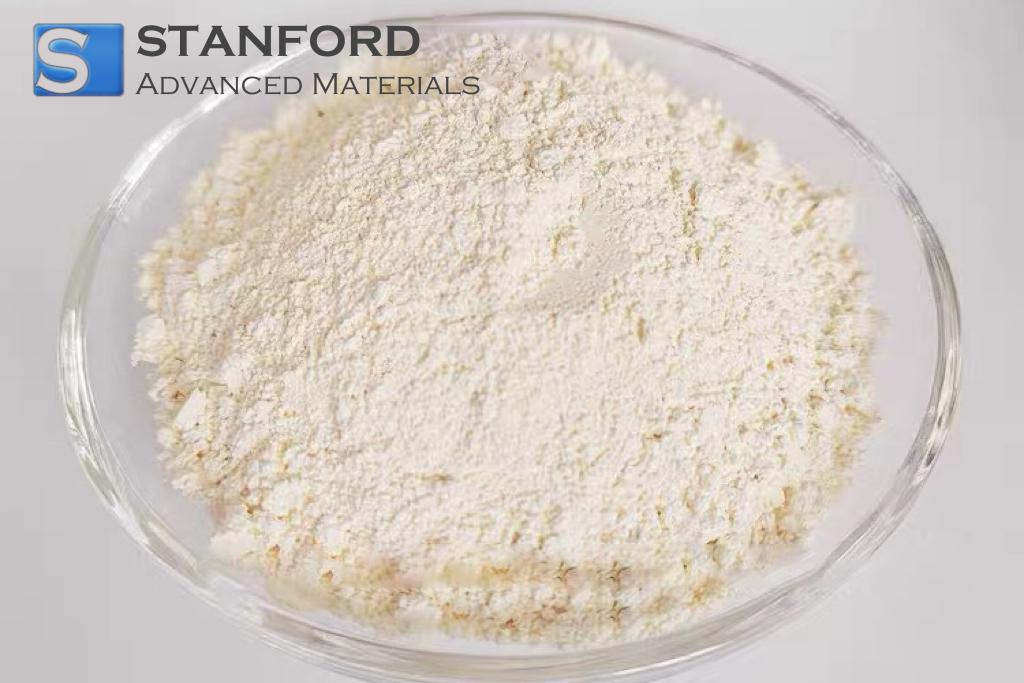
Form Powder

OH-PLLA-COOR is the high molecular weight grade of our ester-terminated poly(L-lactic acid) series. With an intrinsic viscosity ≥ 3 dl/g and molecular weight ≥ 480 kDa, this product features a hydroxyl group at one end and an ester group at the other. Stanford Advanced Materials (SAM) employs advanced polymerisation control and rigorous GPC, DSC, and viscometry analysis to ensure consistent high molecular weight distribution, excellent mechanical properties, and reliable end-group functionality across all batches.

INQUIRY
Add to Compare
Description
Specification
Reviews

FAQ

Compared to medium and low molecular weight variants, what are the most prominent material performance characteristics of this high molecular weight OH-PLLA-COOR?

Its core characteristics derive from high molecular weight (≥480 kDa) and strong chain entanglement due to long-chain structures. This results in significantly higher tensile strength, modulus, and impact resistance for the material, while simultaneously extending the degradation period considerably (typically ranging from months to years). It is suitable for application scenarios requiring long-term mechanical strength and durability.

What does high intrinsic viscosity (≥3 dl/g) mean in practical use, and how does it affect processing methods?

High intrinsic viscosity indicates longer polymer chains and higher melt or solution viscosity. This typically necessitates higher processing temperatures (for melt processing) or stronger solvent systems (for solution processing) and may influence parameters for mixing, casting, or extrusion. However, this characteristic directly contributes to the material's final excellent mechanical properties and dimensional stability.

In which specific applications does this high molecular weight grade offer irreplaceable advantages?

It demonstrates clear advantages in fields requiring long-term load-bearing or sustained barrier functions. Examples include: serving as the main material for biodegradable bone fixation devices, as a carrier for long-term drug-controlled release systems, as a reinforcing matrix for high-performance biodegradable composites, or for eco-friendly engineering plastic components requiring stability over several years.

What is the specific value of the product's terminal groups (one hydroxyl, one ester) in relation to high molecular weight?

Despite the high molecular weight, the preserved end groups still provide "anchor points" for further chemical modification of the material. This allows users to maintain the excellent mechanical properties of the main chain while grafting functional molecules (such as targeting ligands, fluorescent markers, or reactive groups) via the end groups to impart additional interfacial properties or responsiveness, enabling integrated design of performance and function.

REQUEST A QUOTE

Send us an inquiry today to learn more and receive the latest pricing. Thank you!

* Your Name
* Your Email
* Product Name
* Your Phone
* Country

United Kingdom

    Comments
    I would like to join the mailing list to receive updates from Stanford Advanced Materials.
    Please enclose drawings:

    Save files here or

    * Check Code
    Accepted file types: PDF, png, jpg, jpeg. Upload multiple files at once; each file must be under 2MB.
    Leave A Message
    Leave A Message
    * Your Name:
    * Your Email:
    * Product Name:
    * Your Phone:
    * Comments: