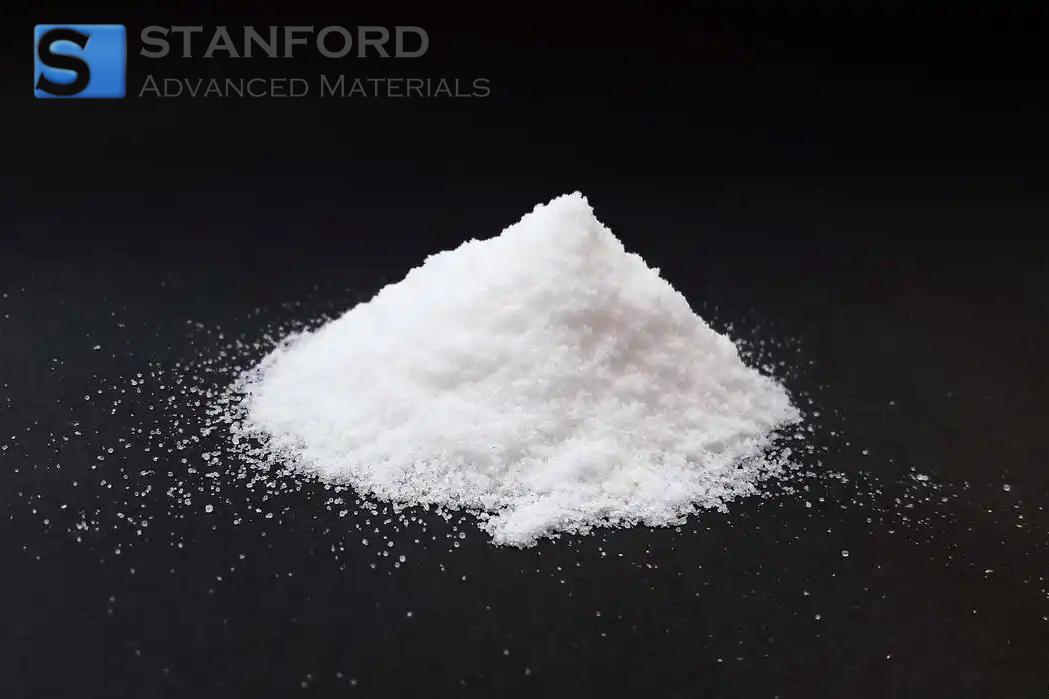
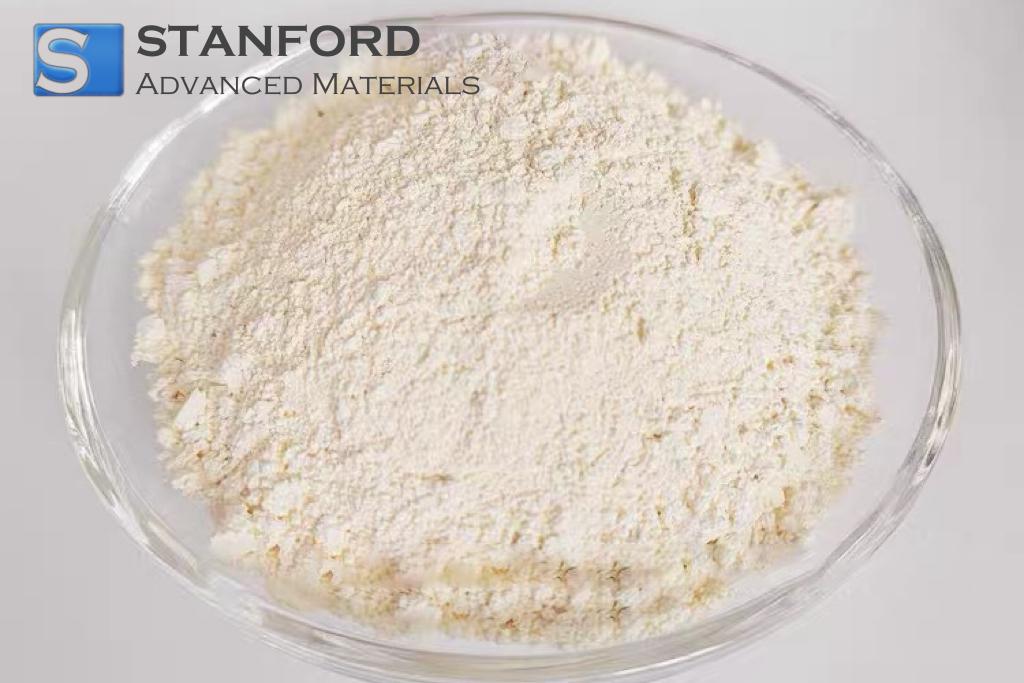
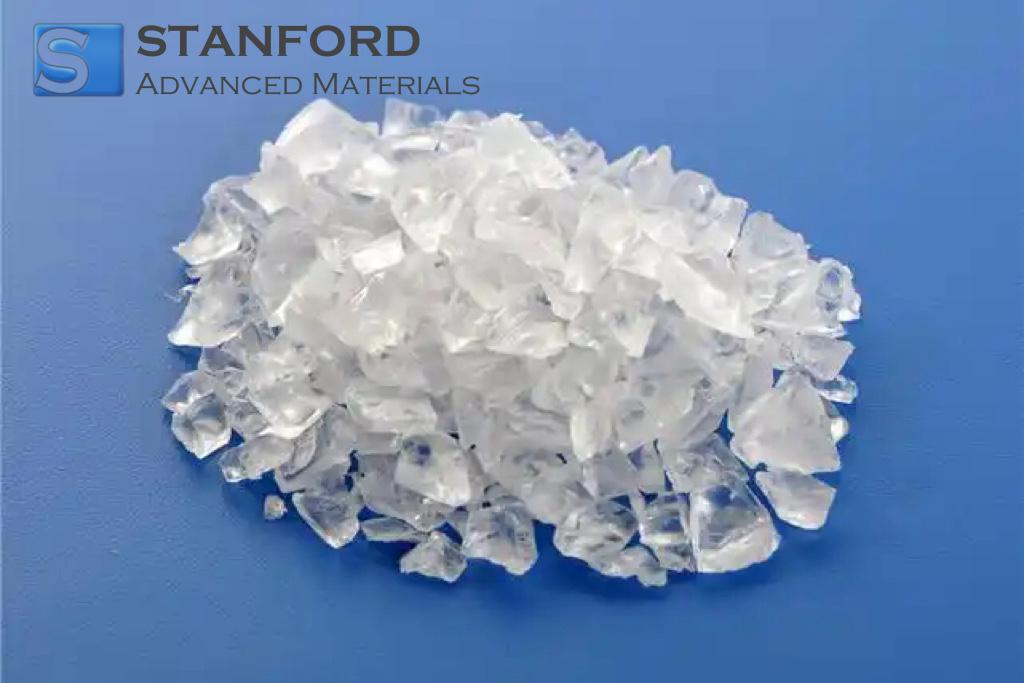
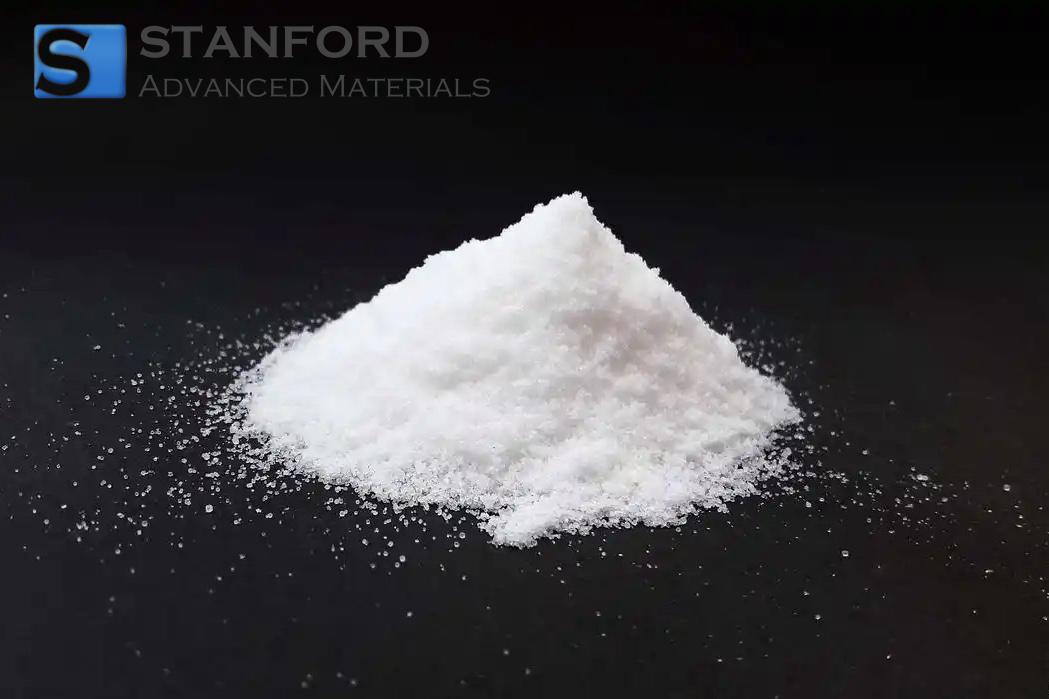
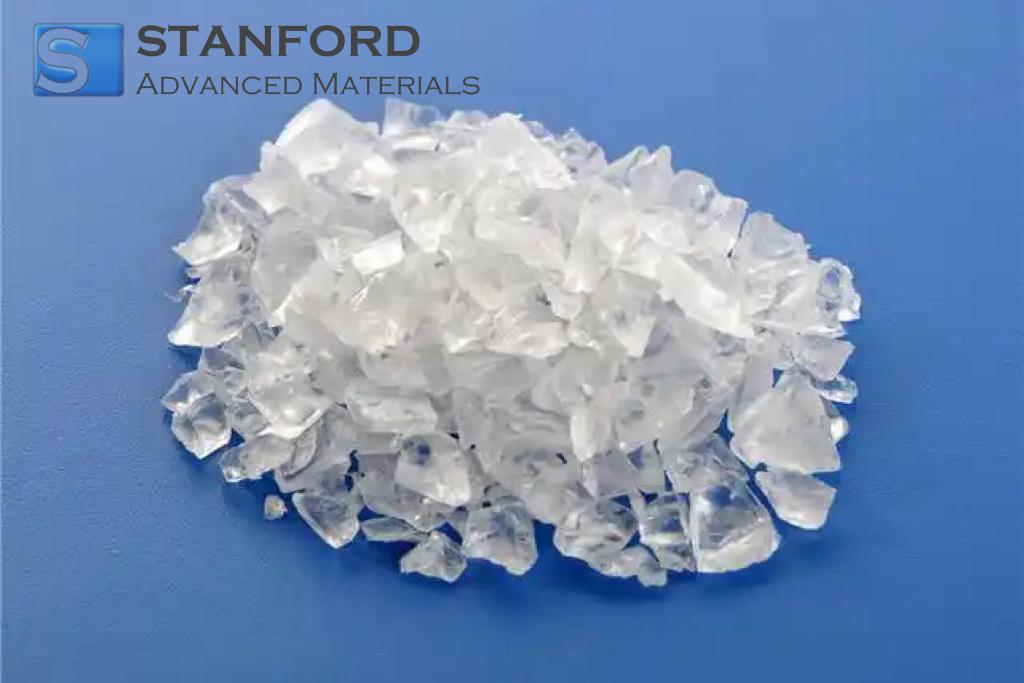
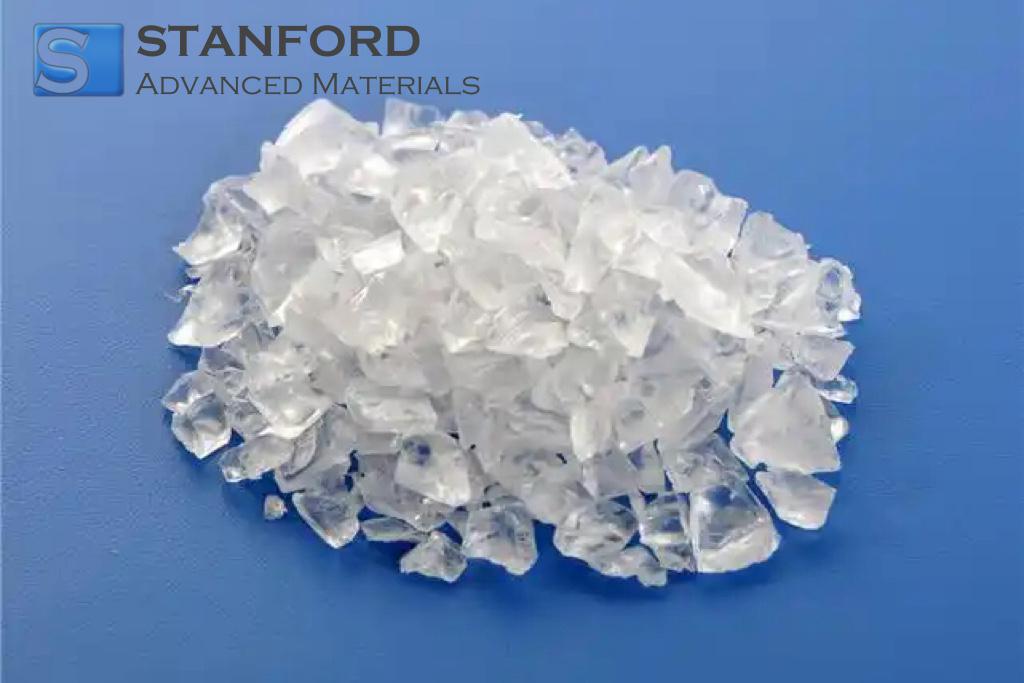
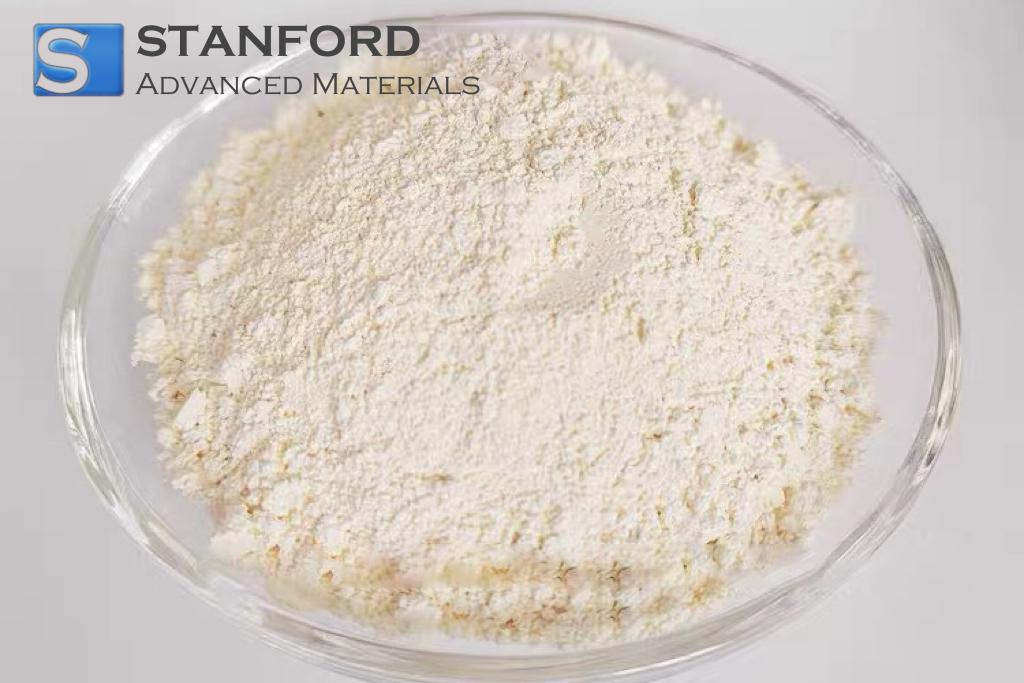
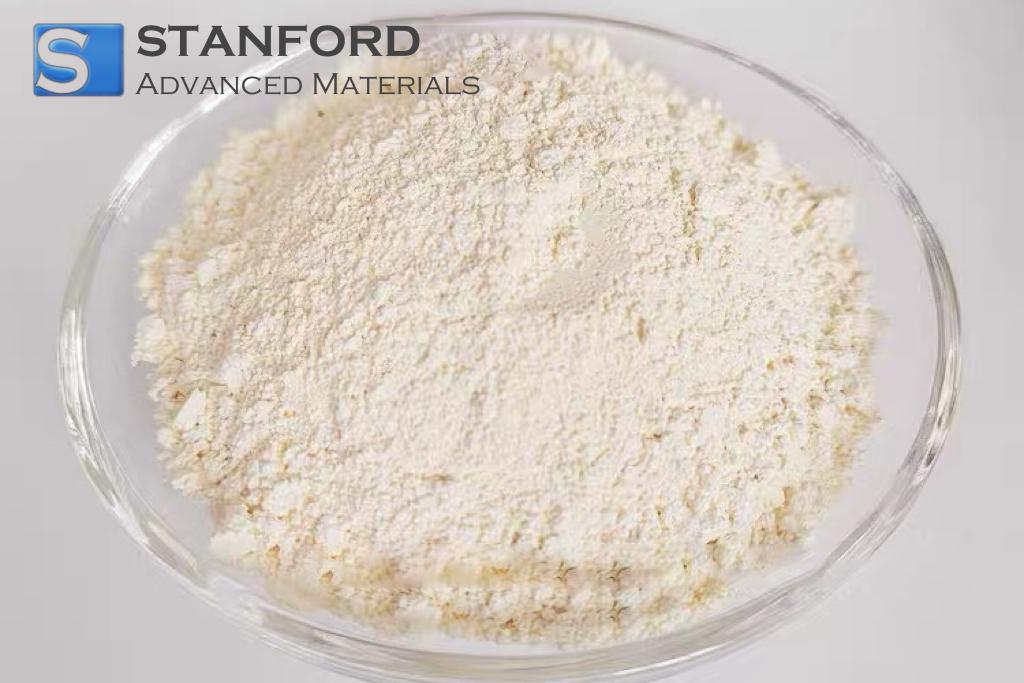
OH-PLLA-OH, Medium Molecular Weight Grades, IV: 1–3 dl/g, Mw: 90–480 kDa Description
OH-PLLA-OH (Medium Mw Grade) is an end-functionalised
biodegradable polymer characterised by its intermediate chain length and
symmetric hydroxyl termination. With a defined molecular weight range (90–480
kDa) and intrinsic viscosity (1–3 dl/g), it offers an optimal balance of
mechanical properties, processability, and controlled degradation. The dual
hydroxyl end groups provide enhanced reactivity for chemical modification,
making it a versatile platform for synthesising tailored copolymers and
formulating functional materials.
OH-PLLA-OH, Medium Molecular Weight Grades, IV: 1–3 dl/g, Mw: 90–480 kDa Applications
1.
Polymer Synthesis & Modification
- Reactive Building Block: Serves as a macro-initiator or chain extender for
synthesising block and graft copolymers with tailored architectures.
- Functional Additive: Acts as a compatibiliser, plasticiser, or degradation
modifier in polymer blends and composite systems.
2.
Biomedical & Functional Materials
- Tissue Engineering Scaffolds: Serves as a biodegradable matrix to support
cell growth and tissue regeneration.
- Drug Delivery Systems: Serves as a carrier matrix for controlled release
of therapeutic agents.
- Functional Coatings: Formulated into degradable protective coatings with
tunable surface properties.
OH-PLLA-OH, Medium Molecular Weight Grades, IV: 1–3 dl/g, Mw: 90–480 kDa Packing
The product is supplied in standard vacuum-sealed,
moisture-proof packaging with desiccant to ensure stability during transportation
and storage. We offer flexible packaging sizes tailored to customer
requirements from R&D to production scale.
Additional Information
Medium Molecular Weight OH-PLLA-OH represents an important
category of functionalised biodegradable polymers, achieving an ideal balance
between processability, mechanical strength, and degradation characteristics.
The molecular weight range of this product is meticulously designed to provide
sufficient chain length for structural integrity while maintaining good
processing fluidity. The symmetrical hydroxyl end groups impart excellent
reactivity, offering diverse possibilities for chemical modification and
functionalisation.
As a versatile building block for materials, this product
plays a significant role in polymer synthesis, material modification, and
functional formulations. Its balanced performance enables adaptability to
various processing techniques, from conventional melt processing to precision
functional coating preparation. The unique end-group structure not only
supports efficient chemical grafting and chain extension reactions but also
significantly improves interfacial compatibility and dispersion in composite
material systems.
Stanford Advanced Materials (SAM) ensures stable performance
and reliable quality for each batch through strict process control and
comprehensive analytical testing. This medium molecular weight,
hydroxyl-terminated PLLA is emerging as an important choice for developing
high-performance, customisable functional materials, providing an ideal platform
for materials engineers and researchers.
This material category is particularly well-suited for
applications requiring functional balance throughout the material lifecycle,
opening up new possibilities for the innovative development of sustainable
materials.


 Products
 Bars
Bars
 Beads & Spheres
 Bolts & Nuts
 Crucibles
 Discs
Discs
 Fibers & Fabrics
 Films
Films
 Flake
Flake
 Foams
Foams
 Foil
Foil
 Granules
 Honeycombs
 Ink
Ink
 Laminate
 Lumps
Lumps
 Meshes
 Metallised Film
 Plate
Plate
 Powders
 Rod
Rod
 Sheets
 Single Crystals
 Sputtering Target
 Tubes
Tubes
 Washer
 Wires
Wires
 Converters & Calculators
 Write for Us