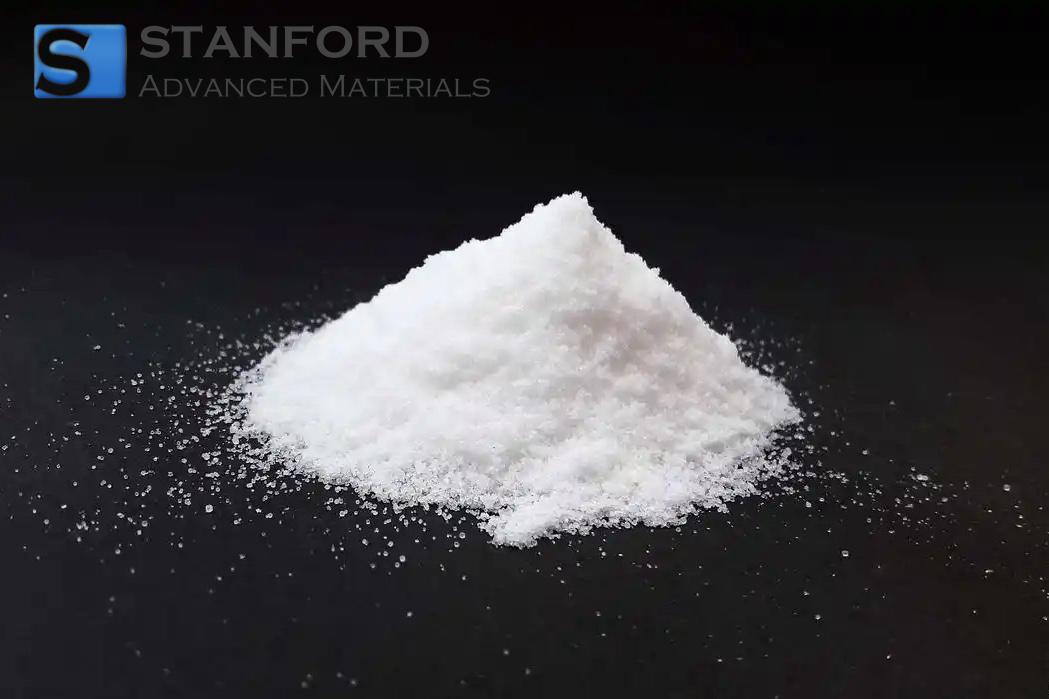
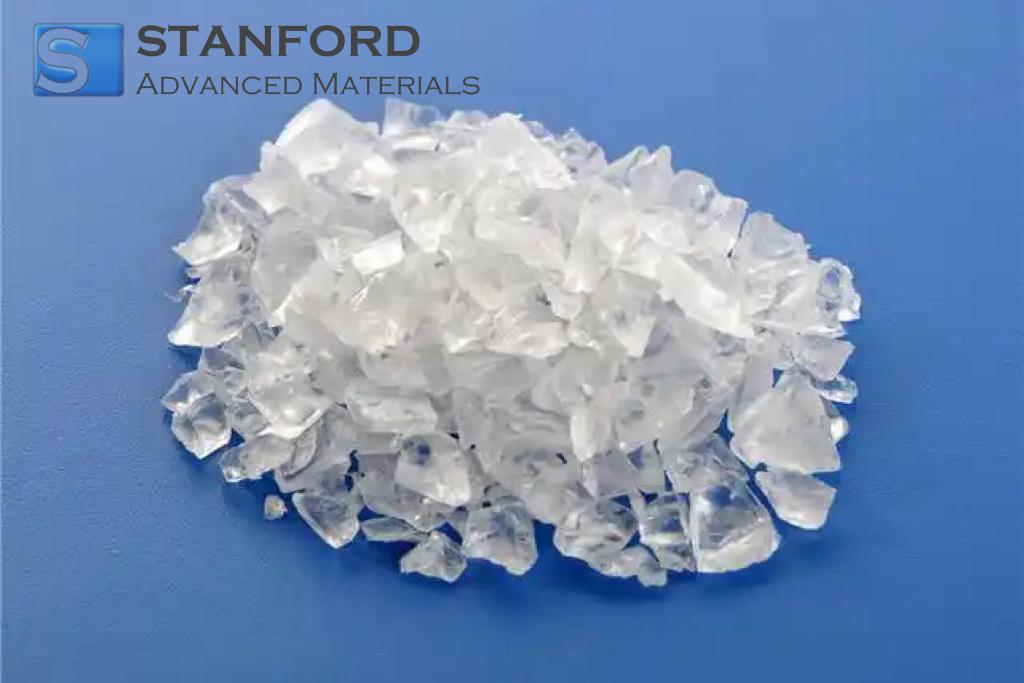
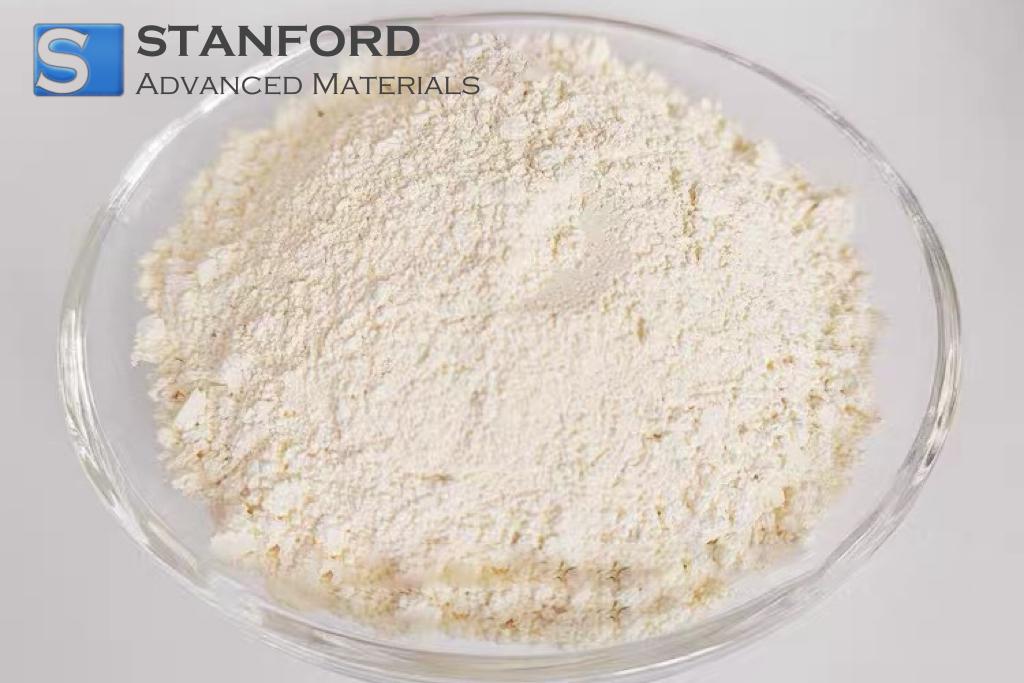
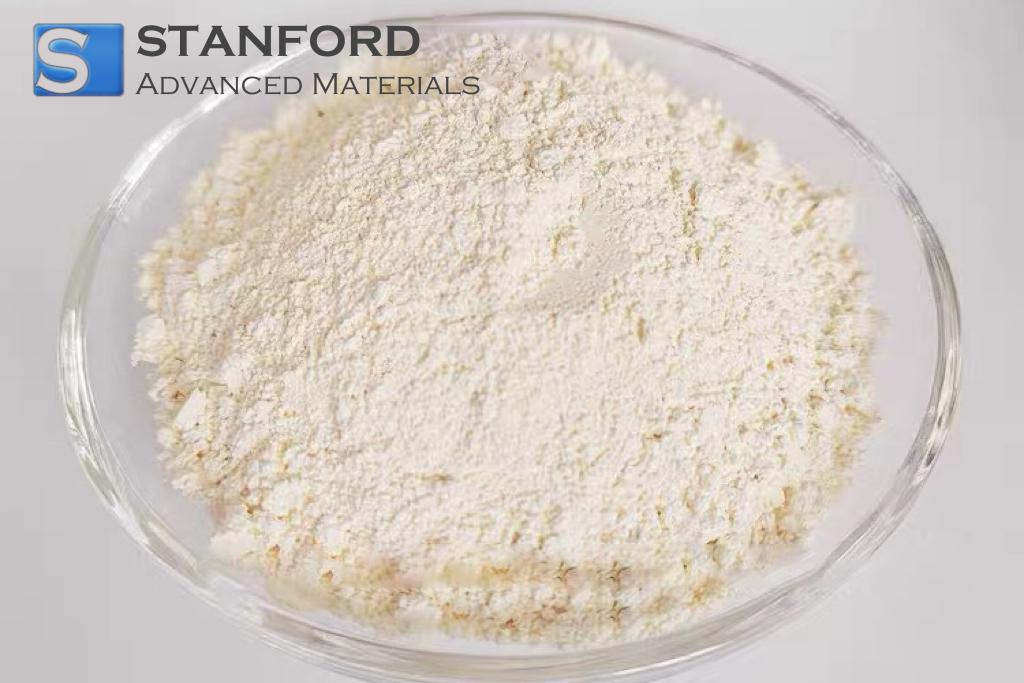
OH-PDLA-COOR, Medium Molecular Weight Grades, IV: 1–3 dl/g, Mw: 90–480 kDa Description
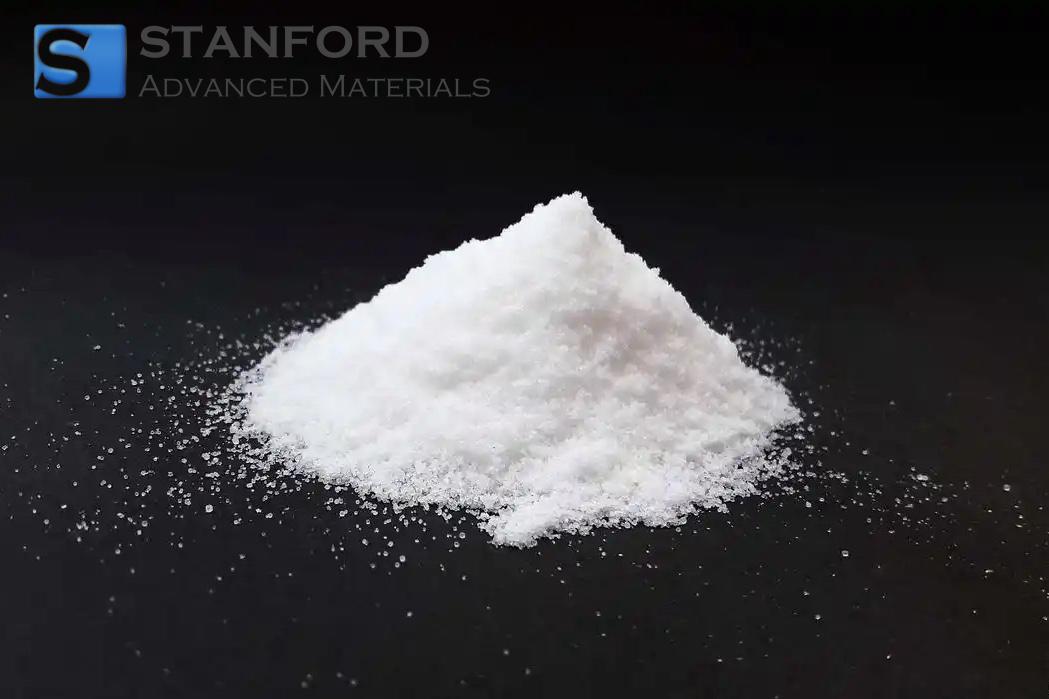
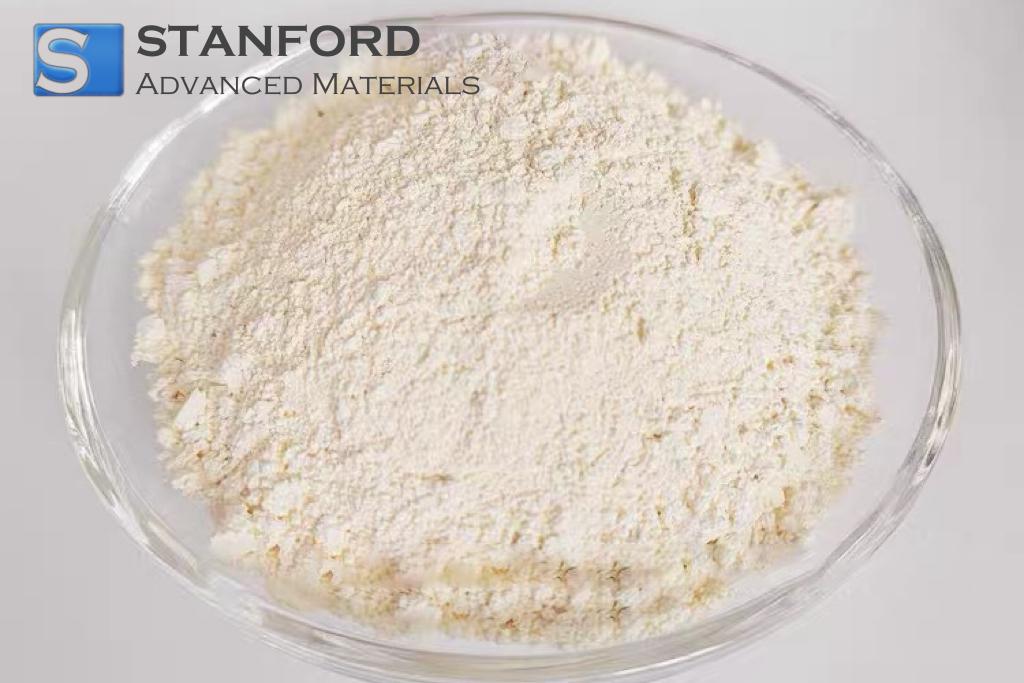
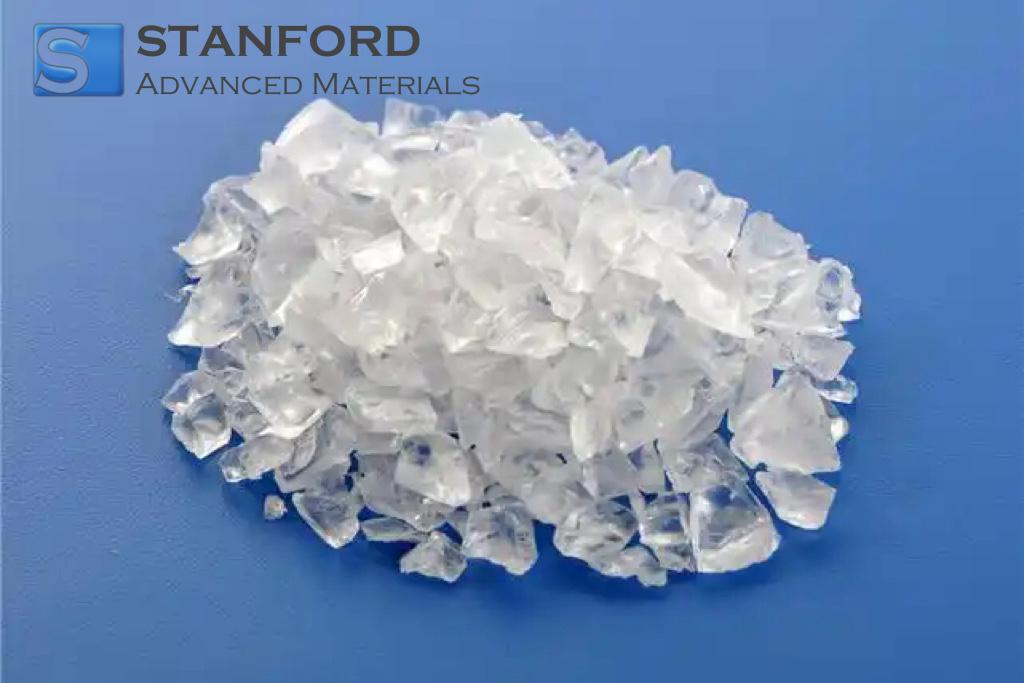
OH-PDLA-COOR (Medium Mw Grade) is an end-functionalised
poly(D-lactic acid) with a molecular weight range of 90–480 kDa and intrinsic
viscosity between 1–3 dl/g. Its D-configured backbone enables the formation of
high-performance stereocomplexes with PLLA, while the medium chain length
provides an optimal balance of mechanical strength, processability, and
controllable degradation. The terminal hydroxyl and ester groups offer dual reactivity
for further chemical modification and improved interfacial adhesion, making it
a versatile material for designing durable yet biodegradable structures and
functional systems.
OH-PDLA-COOR, Medium Molecular Weight Grades, IV: 1–3 dl/g, Mw: 90–480 kDa Applications
1.
Biomedical Device Fabrication
- Utilised as a structural component in implantable devices to achieve a balance
between flexibility and strength by leveraging controlled molecular weight and
hydroxyl functionality.
- Applied in scaffold fabrication for tissue engineering to maintain cell
viability and support regeneration through tailored viscosity characteristics.
2.
Pharmaceutical Formulation
- Serves as a matrix in drug delivery systems to control release profiles by
utilising its defined chain length and reactivity.
- Frequently used in coating applications for dosage forms, enhancing
adhesion and dissolution rates due to its modifiable end groups.
3.
Research and Development
- Deployed in experimental polymer blends for studying bio-interactions to
optimise formulation parameters by capitalising on its narrow viscosity range.
- Applied as a calibration standard during polymer synthesis research to
validate reaction kinetics and material stability.
OH-PDLA-COOR, Medium Molecular Weight Grades, IV: 1–3 dl/g, Mw: 90–480 kDa Packing
The product is supplied in vacuum-sealed, moisture-proof
packaging with desiccant to ensure stability during transportation and storage.
We offer flexible packaging sizes tailored to customer requirements from
R&D to production scale.
Additional Information
Medium molecular weight hydroxyl- and ester-terminated PDLA
represents a critical category of polymers that bridge the gap between
processability and high performance. Its unique combination of stereocomplexation
potential, extended chain length, and dual reactive end groups makes it a
tool for developing biodegradable materials.
Stanford Advanced Materials (SAM) combines advanced
synthesis expertise with stringent analytical control to deliver this grade
with precise molecular weight distribution, guaranteed end-group functionality,
and outstanding batch-to-batch consistency. As the demand grows for
high-performance, sustainable materials in medicine and industry, SAM's OH-PDLA-COOR
series provides reliable and innovative solutions to meet these evolving
challenges.


 Products
 Bars
Bars
 Beads & Spheres
 Bolts & Nuts
 Crucibles
 Discs
Discs
 Fibers & Fabrics
 Films
Films
 Flake
Flake
 Foams
Foams
 Foil
Foil
 Granules
 Honeycombs
 Ink
Ink
 Laminate
 Lumps
Lumps
 Meshes
 Metallised Film
 Plate
Plate
 Powders
 Rod
Rod
 Sheets
 Single Crystals
 Sputtering Target
 Tubes
Tubes
 Washer
 Wires
Wires
 Converters & Calculators
 Write for Us