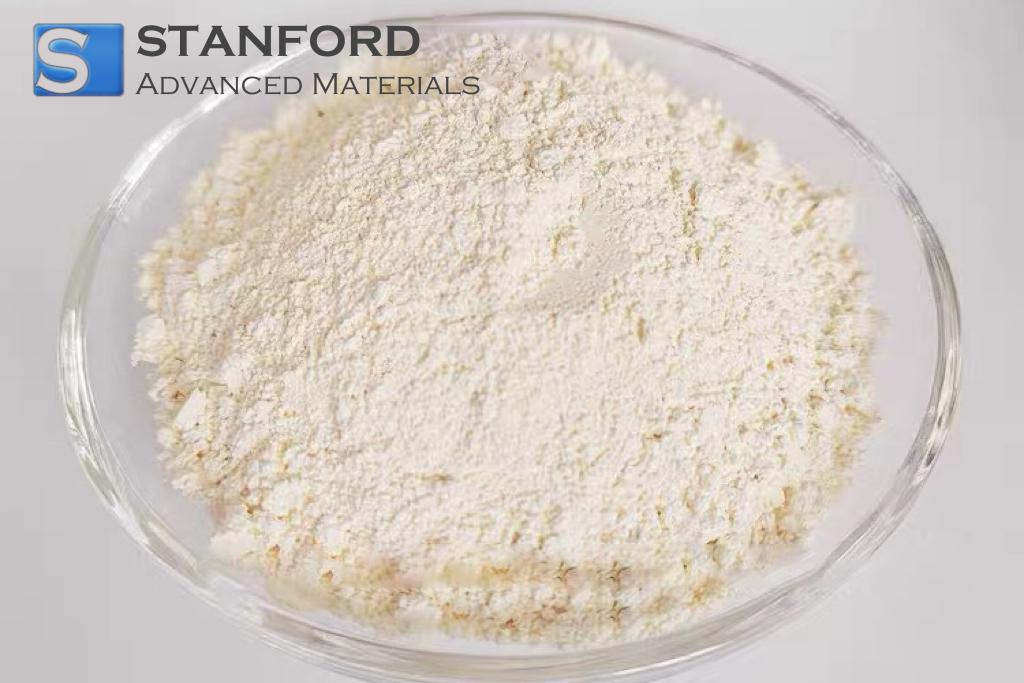
OH-PDLA-OH, Low Molecular Weight Grades, IV ≤ 1 dl/g, Mw ≤ 90 kDa Description
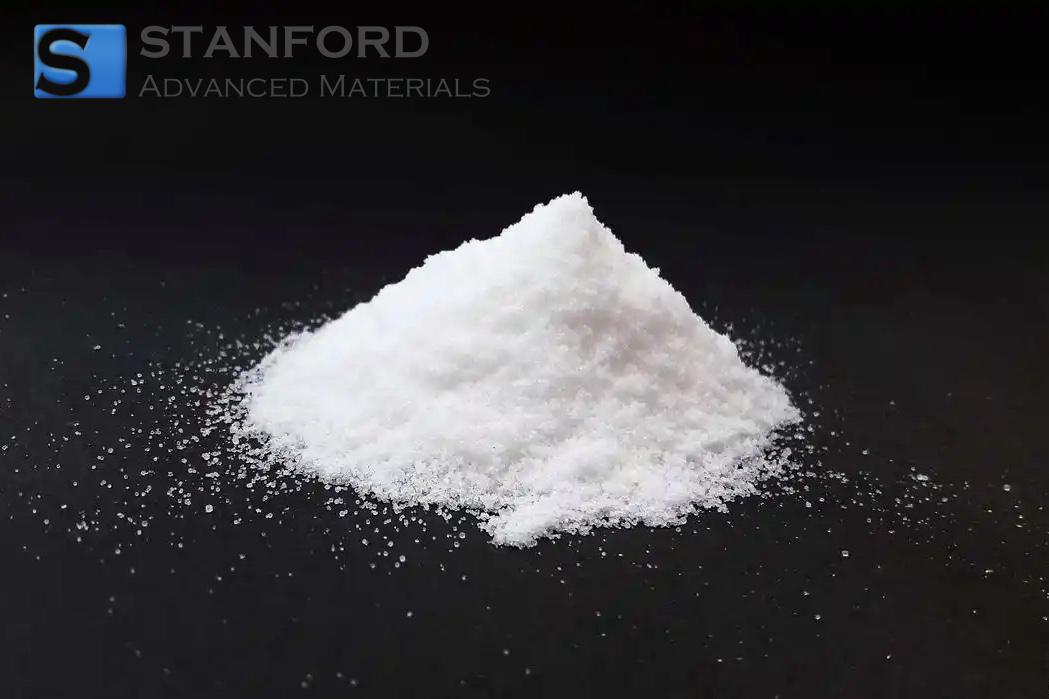
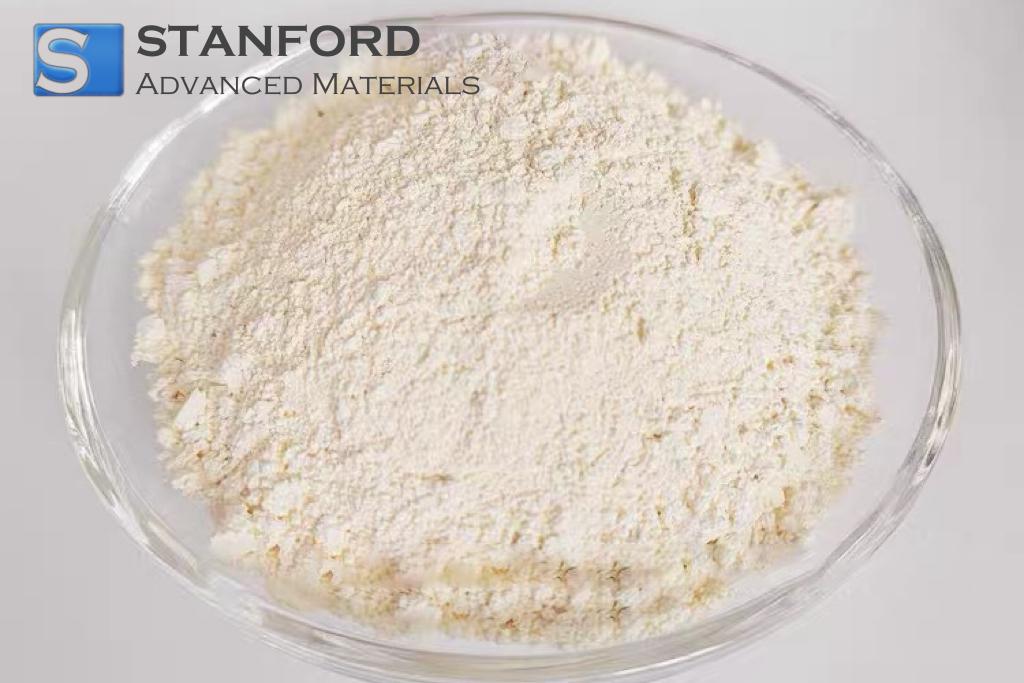
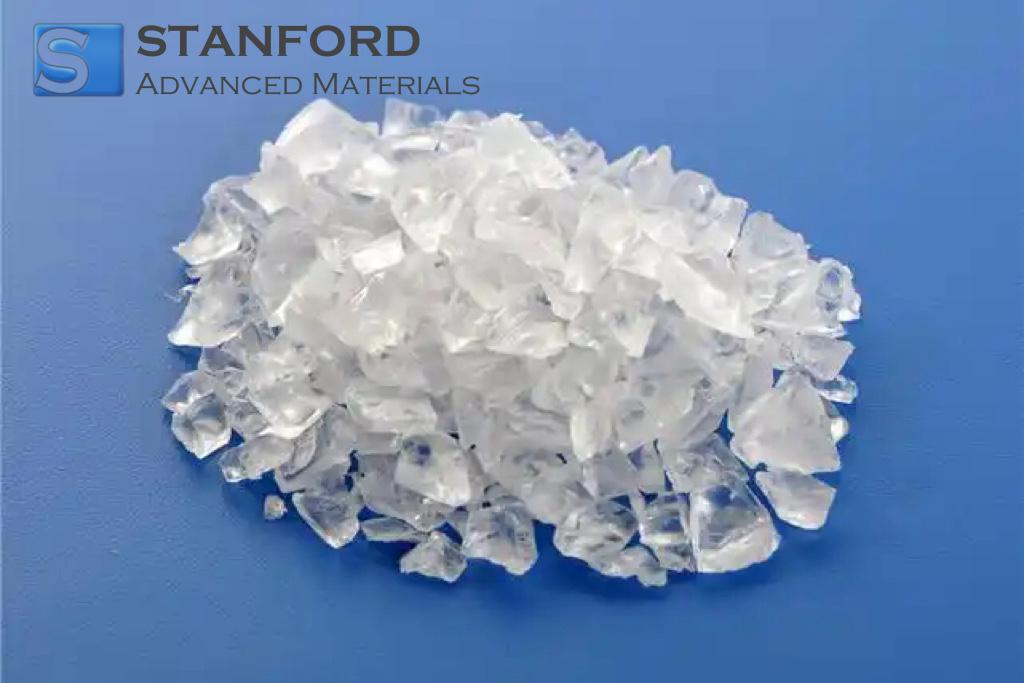
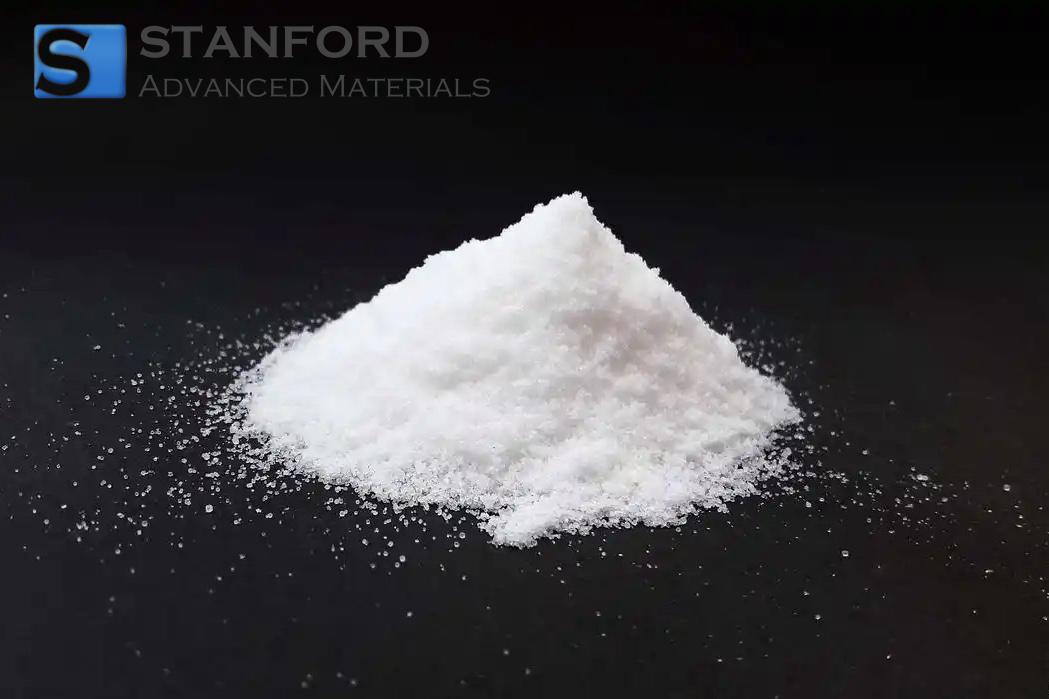
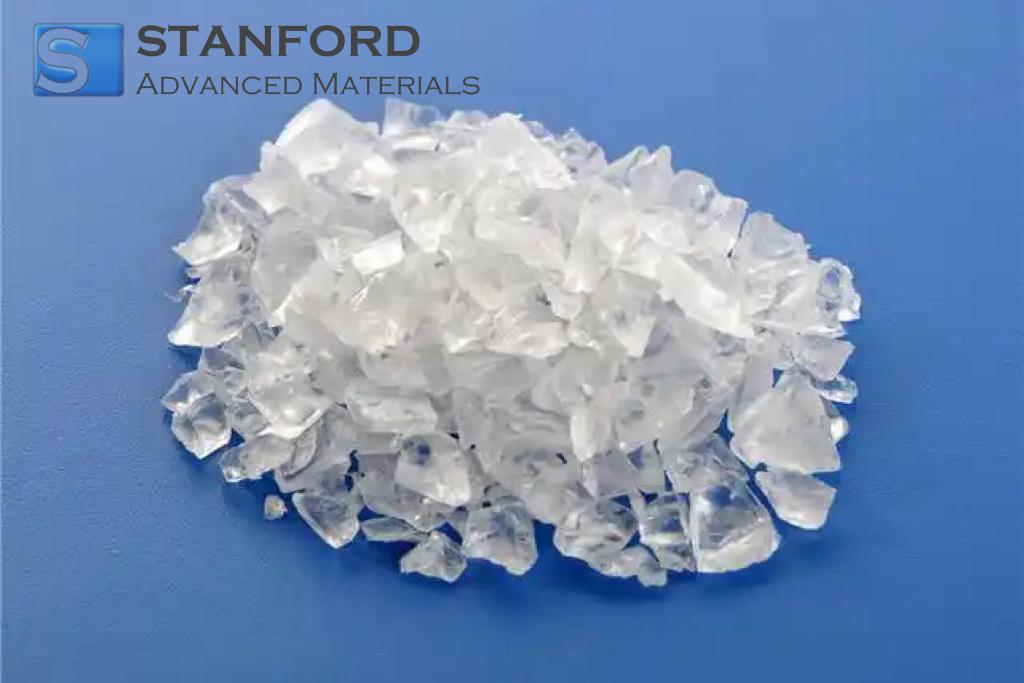
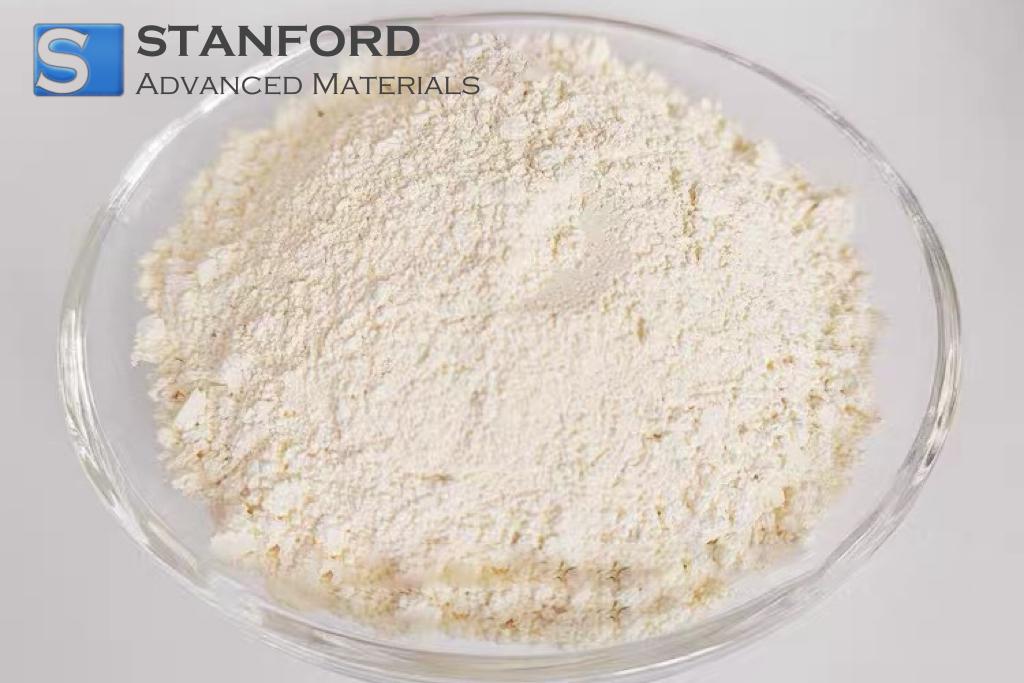
OH-PDLA-OH (Low Mw Grade) is a symmetrical, dihydroxy-terminated poly(D-lactic acid) in powder form, with a molecular weight ≤ 90 kDa and intrinsic viscosity ≤ 1 dl/g. Its dual hydroxyl end groups provide a versatile and reactive platform for chemical modification, chain extension, and network formation. Combined with the D-configured backbone that enables stereocomplexation, this material serves as a telechelic building block for constructing well-defined, high-performance biodegradable polymers, networks, and functional composites with tailored properties.
OH-PDLA-OH, Low Molecular Weight Grades, IV ≤ 1 dl/g, Mw ≤ 90 kDa Applications
1. Polymer Synthesis & Advanced Materials
- Telechelic Macroinitiator/Building Block: Utilised for synthesising well-defined block copolymers, biodegradable polyurethanes, and cross-linked networks via reactions with diacids, diisocyanates, or other bifunctional agents.
- Stereocomplex Precursor: Serves as a reactive diol component for preparing stereocomplex-enhanced materials with PLLA-based counterparts, yielding products with enhanced thermal and mechanical properties.
2. Electronics & Functional Coatings
- Biodegradable Encapsulant/Linker: Applied in flexible and transient electronics as a degradable coating or adhesive layer, where its dual reactivity ensures strong interfacial bonding and controlled disintegration.
- Surface Modification Agent: Used to functionalise surfaces (e.g., nanoparticles, implants) via its hydroxyl groups, introducing biodegradable tethers or reactive sites.
3. Biomedical & Drug Delivery
- Degradable Cross-linker/Scaffold Component: Incorporated into hydrogel networks or tissue engineering scaffolds to provide degradable linkages and promote cellular interaction.
- Drug-Polymer Conjugate Precursor: Utilised to synthesise prodrugs or polymer-drug conjugates, where drugs are attached via the hydroxyl groups, enabling controlled release and targeted delivery.
OH-PDLA-OH, Low Molecular Weight Grades, IV ≤ 1 dl/g, Mw ≤ 90 kDa Packing
The product is supplied in vacuum-sealed, moisture-proof packaging with desiccant to ensure stability during transportation and storage. We offer flexible packaging sizes tailored to customer requirements from R&D to production scale.
Additional Information
Dihydroxy-terminated low molecular weight PDLA represents a uniquely versatile class of telechelic polymers. Its symmetrical, reactive chain ends combined with the stereochemical specificity of the D-backbone make it a powerful tool for polymer chemists and material scientists aiming to construct sophisticated, biodegradable architectures with precise control.
Stanford Advanced Materials (SAM) specialises in the precise synthesis of such end-functionalised polymers, ensuring high hydroxyl group fidelity, narrow molecular weight distribution, and excellent batch-to-batch consistency. As demand grows for sustainable, high-performance materials in sectors ranging from green chemistry to precision medicine, SAM's OH-PDLA-OH provides a foundational building block to drive innovation in functional and degradable materials.


 Products
 Bars
Bars
 Beads & Spheres
 Bolts & Nuts
 Crucibles
 Discs
Discs
 Fibers & Fabrics
 Films
Films
 Flake
Flake
 Foams
Foams
 Foil
Foil
 Granules
 Honeycombs
 Ink
Ink
 Laminate
 Lumps
Lumps
 Meshes
 Metallised Film
 Plate
Plate
 Powders
 Rod
Rod
 Sheets
 Single Crystals
 Sputtering Target
 Tubes
Tubes
 Washer
 Wires
Wires
 Converters & Calculators
 Write for Us