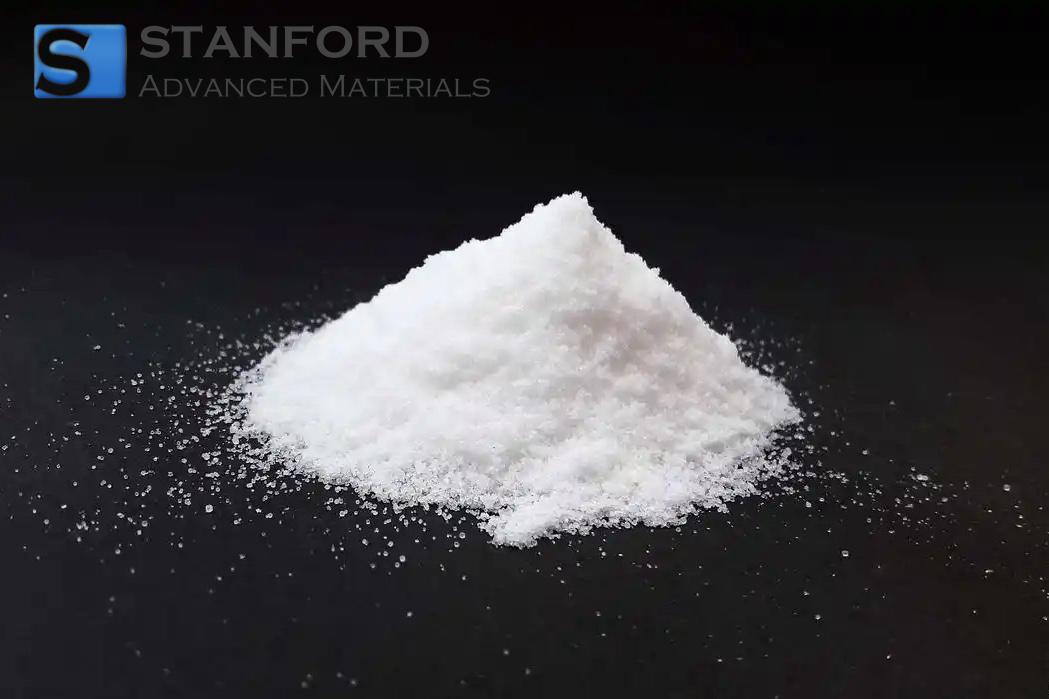
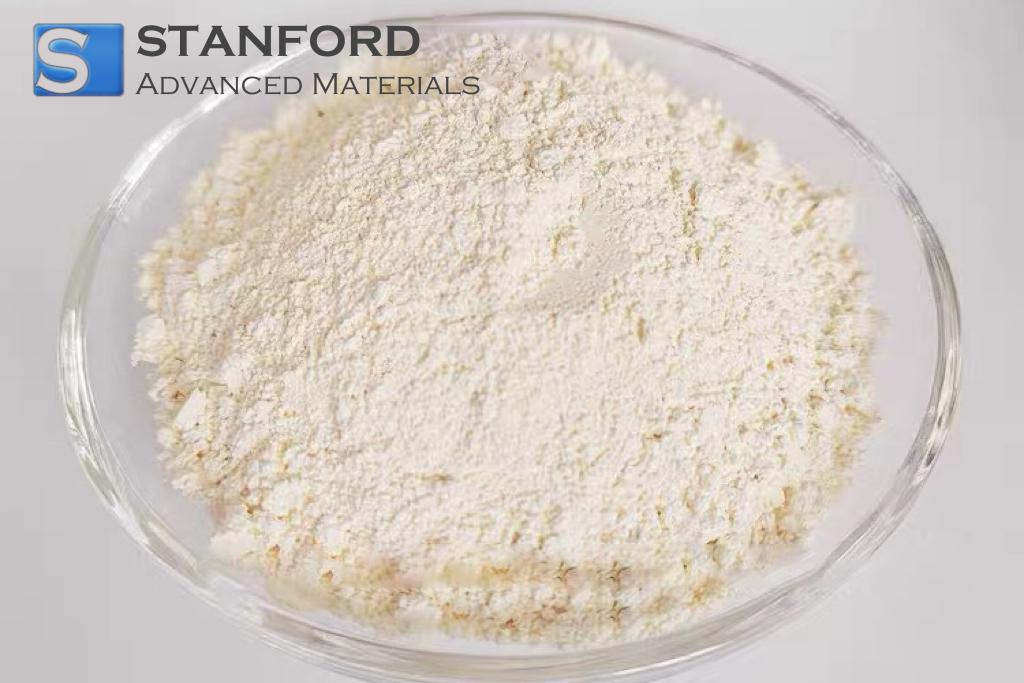
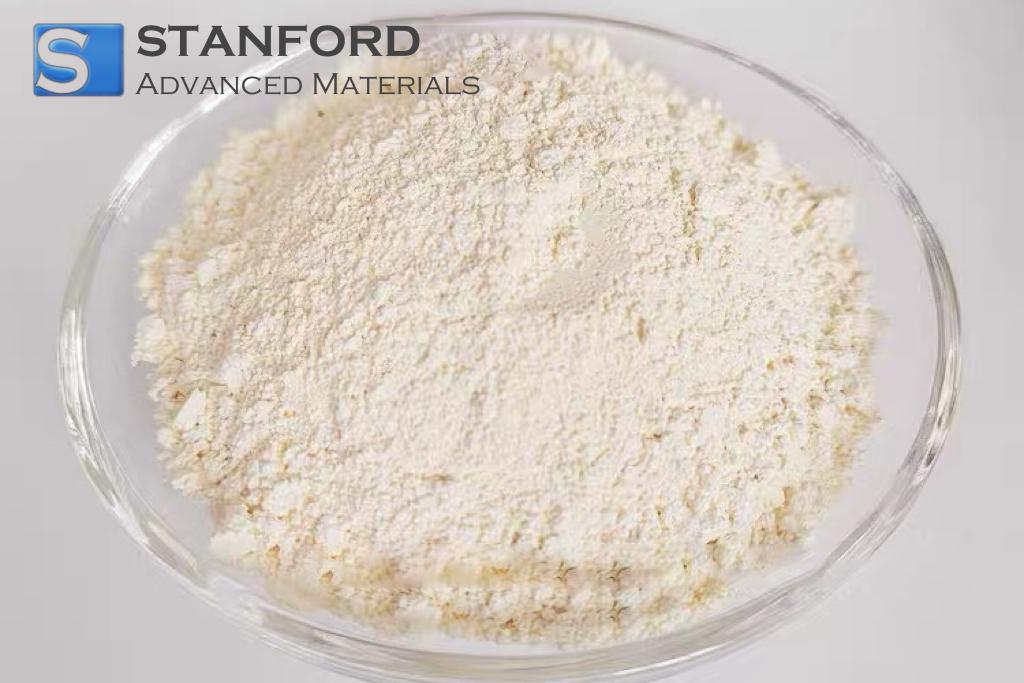
OH-PDLA-COOH, Low Molecular Weight Grades, IV ≤ 1 dl/g, Mw ≤ 90 kDa Description
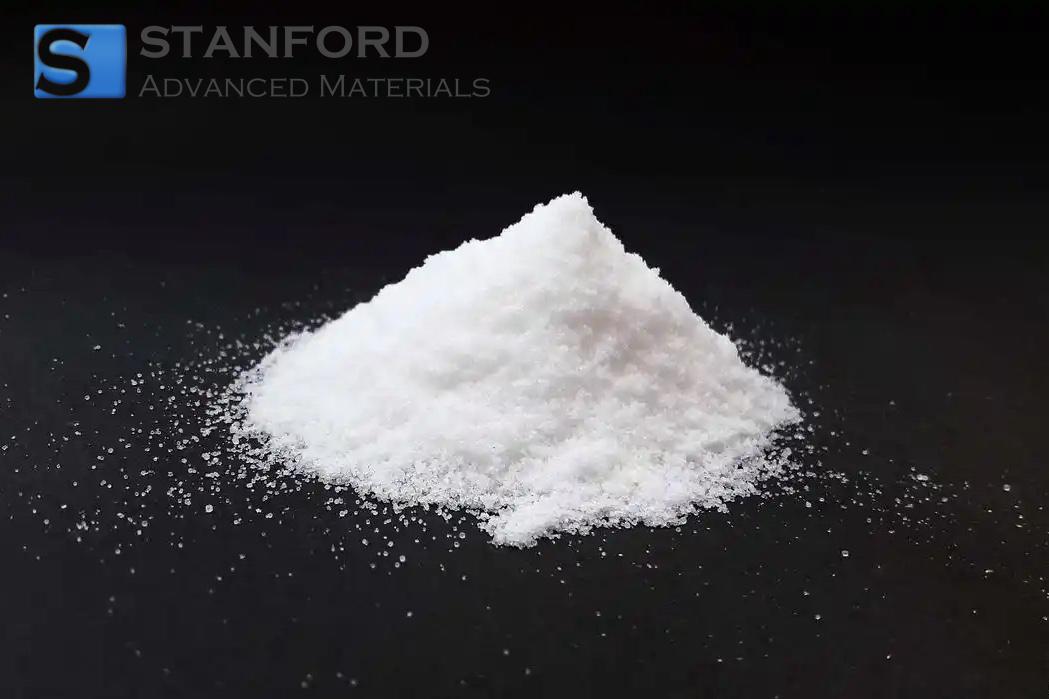
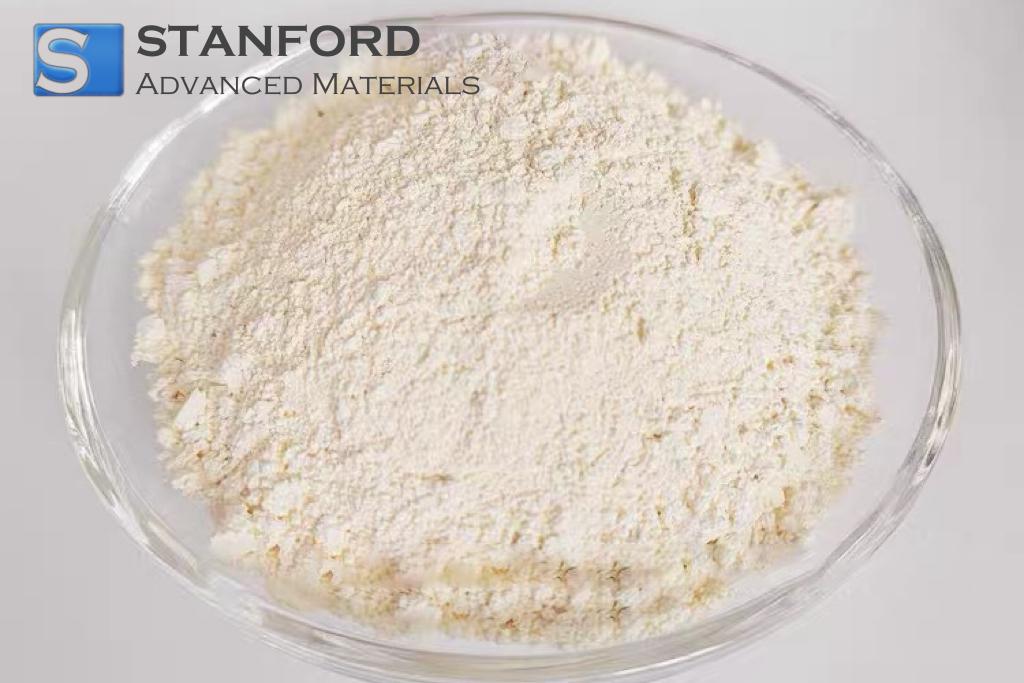
OH-PDLA-COOH (Low Mw Grade) is an asymmetrically
end-functionalised poly(D-lactic acid) in powder form, with a molecular
weight ≤ 90 kDa and intrinsic viscosity ≤ 1 dl/g. It features a hydroxyl
group at one terminus and a carboxyl group at the other, providing two distinct
pathways for chemical modification and conjugation. The D-configured
backbone adds the capability for stereocomplexation. This combination of asymmetric reactivity and stereoregularity makes it a valuable
tool for synthesising sophisticated polymer architectures, bio-conjugates, and
functional materials with tailored interfaces and degradation profiles.
OH-PDLA-COOH, Low Molecular Weight Grades, IV ≤ 1 dl/g, Mw ≤ 90 kDa Applications
1.
Polymer Synthesis & Bioconjugation
- Heterotelechelic Building Block: Used for the sequential synthesis of
A-B type block copolymers or for creating polymers with site-specific
functionalisation.
- Drug-Polymer Conjugate Precursor: The carboxyl group allows direct
conjugation of amine-containing drugs or targeting ligands, while the hydroxyl
group can be used for further PEGylation or solubility modification.
2.
Functional
Coatings & Surface Engineering
- Reactive
Coating Agent: Applied as a thin film on implants or sensors, where the
carboxyl group enables covalent immobilisation of biomolecules (e.g., RGD
peptides) to enhance cell adhesion or biospecificity.
-
Interface Modifier in Composites: Used to improve the interfacial adhesion
between PDLA-based matrices and other materials (e.g., hydroxyapatite in bone
composites) through its dual reactive ends.
3.
Electronics
& Biomedical Devices
-
Degradable Encapsulant/Dielectric Layer: Used in transient electronics as
a degradable insulating layer, with the end groups allowing for tuning of
adhesion and degradation rates.
- Matrix
for pH-Responsive Delivery: Utilised in drug delivery systems where the
carboxyl group can provide pH-dependent release behaviour or enable the
formation of ionic complexes.
OH-PDLA-COOH, Low Molecular Weight Grades, IV ≤ 1 dl/g, Mw ≤ 90 kDa Packing
The product is supplied in vacuum-sealed, moisture-proof
packaging with desiccant to ensure stability during transportation and storage.
We offer flexible packaging sizes tailored to customer requirements from
R&D to production scale.
Additional Information
Hydroxy-carboxyl heterotelechelic low molecular weight PDLA
represents a versatile class of polymers where end-group asymmetry is a
design feature. This specific functionality enables synthetic routes and
material properties that are difficult to achieve with symmetrically terminated
polymers.
Stanford
Advanced Materials (SAM) focuses on the precise synthesis of such structurally
defined polymers, ensuring high fidelity of both end groups and controlled
molecular weight. This enables researchers and formulators to leverage the
unique chemical duality of OH-PDLA-COOH for innovating in areas such as
targeted drug delivery, advanced polymer architectures, and functional surface
design, where control over both reactivity and degradation is paramount.


 Products
 Bars
Bars
 Beads & Spheres
 Bolts & Nuts
 Crucibles
 Discs
Discs
 Fibers & Fabrics
 Films
Films
 Flake
Flake
 Foams
Foams
 Foil
Foil
 Granules
 Honeycombs
 Ink
Ink
 Laminate
 Lumps
Lumps
 Meshes
 Metallised Film
 Plate
Plate
 Powders
 Rod
Rod
 Sheets
 Single Crystals
 Sputtering Target
 Tubes
Tubes
 Washer
 Wires
Wires
 Converters & Calculators
 Write for Us