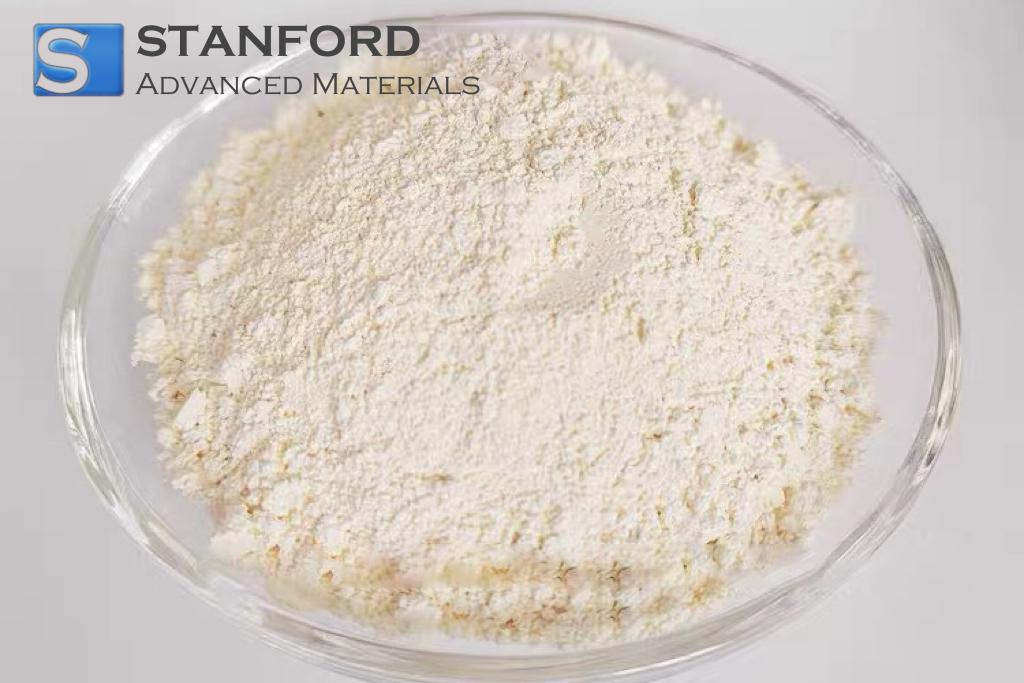
OH-PDLA-COOH, High Molecular Weight Grades, IV ≥ 3 dl/g, Mw ≥ 480 kDa Description
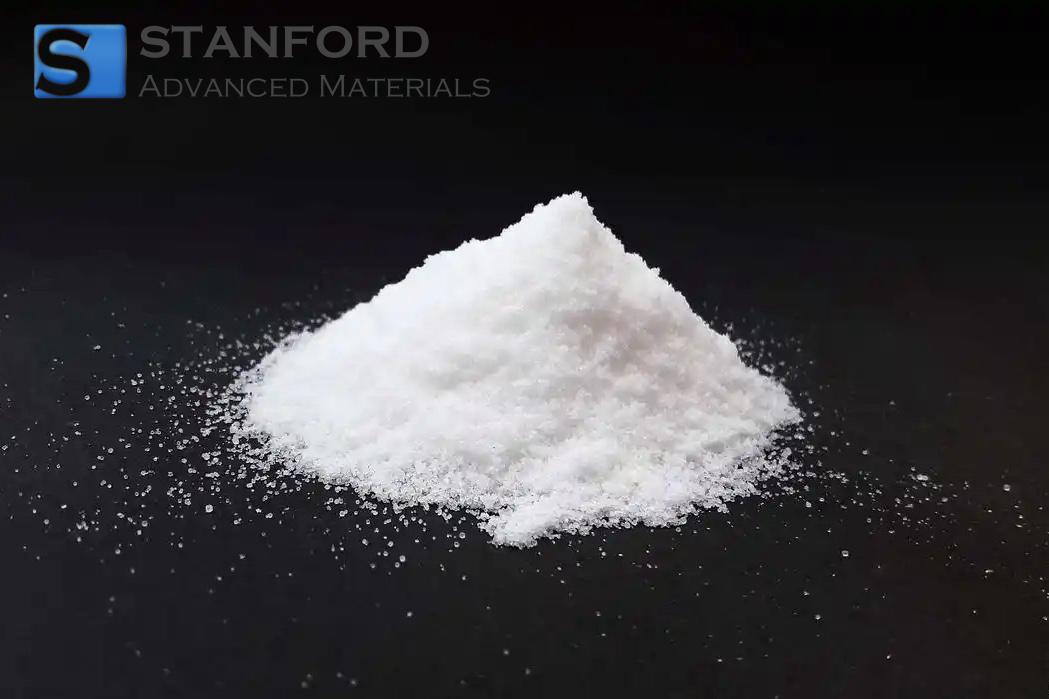
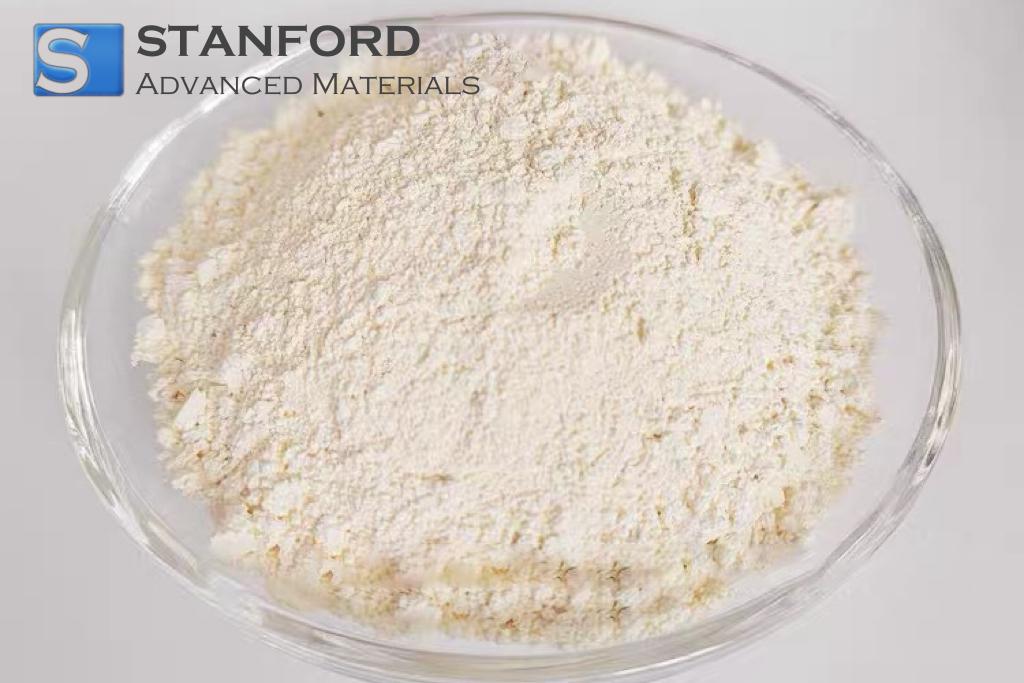
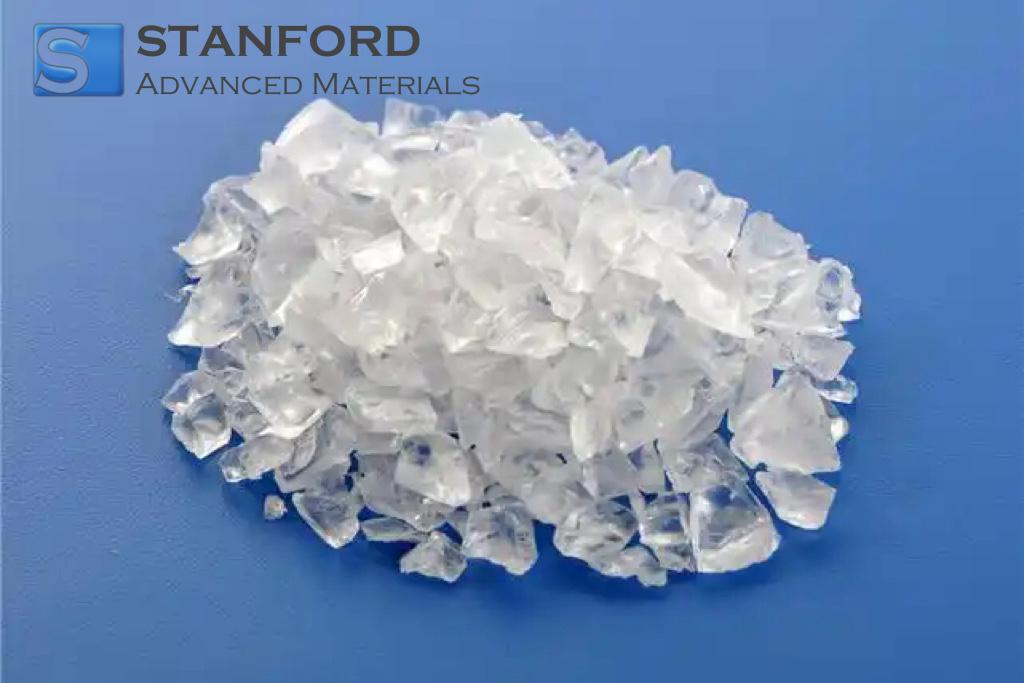
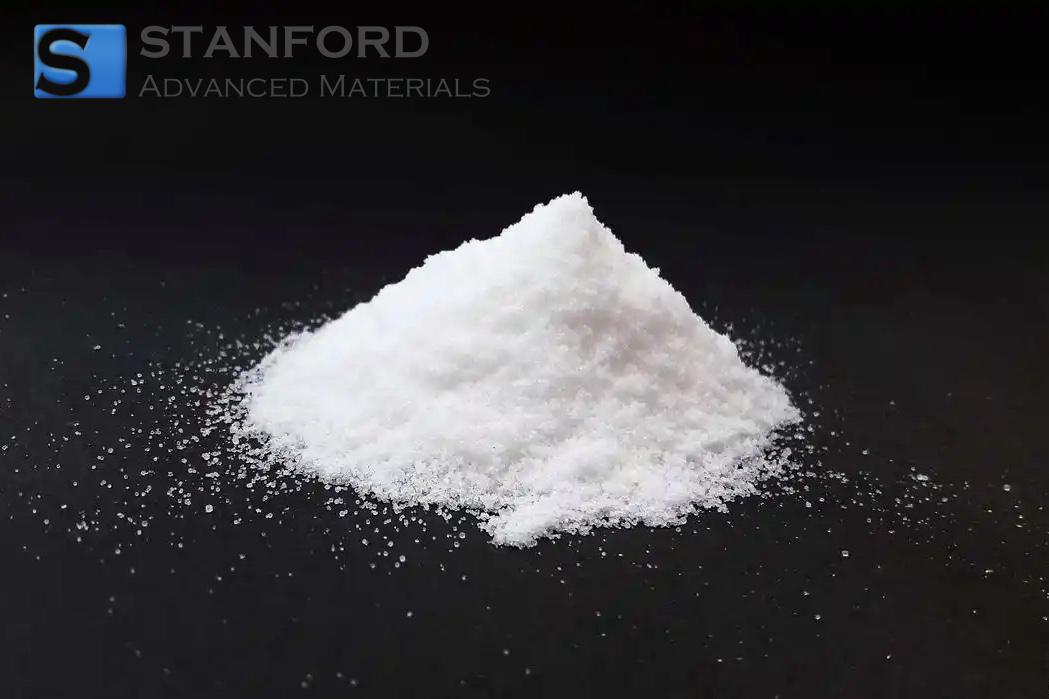
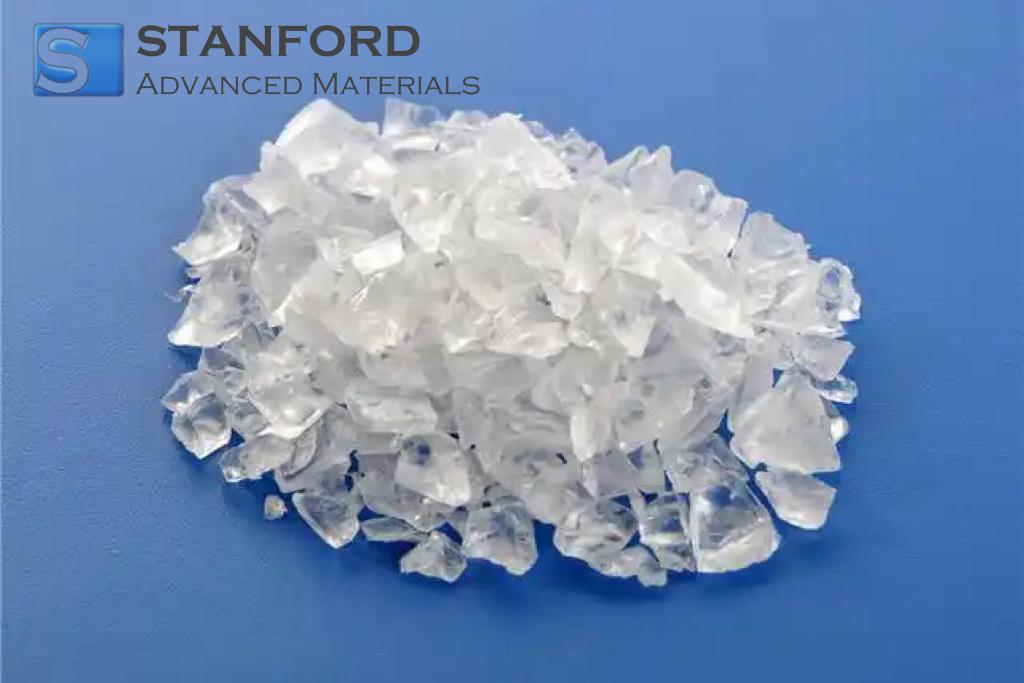
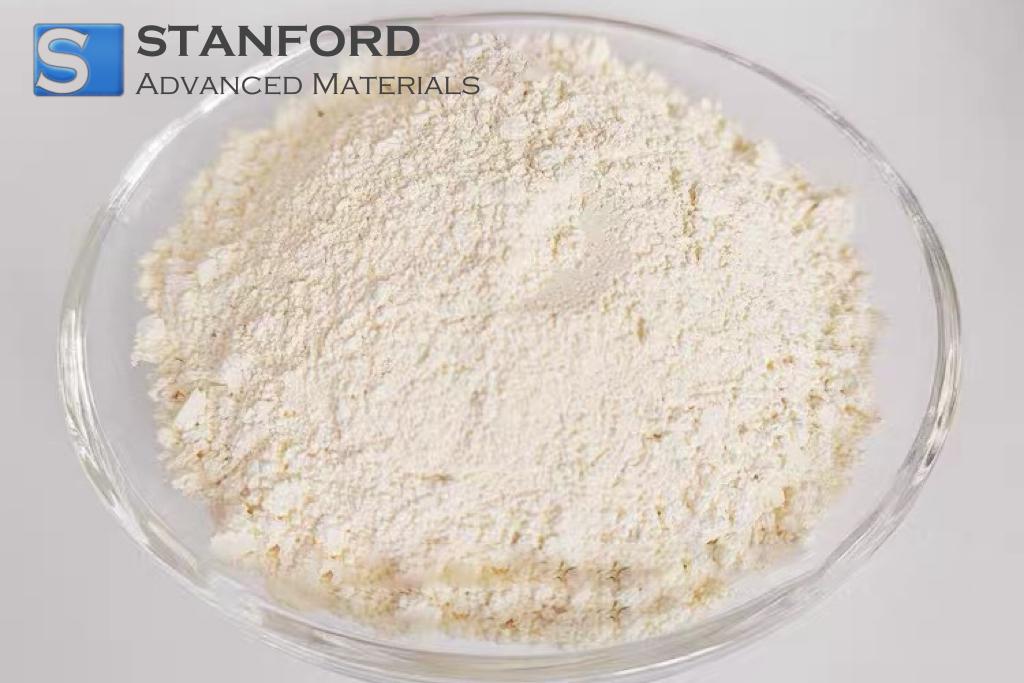
OH-PDLA-COOH (High Mw Grade) is an asymmetrically end-functionalised poly(D-lactic acid) with a molecular weight ≥ 480 kDa and intrinsic viscosity ≥ 3 dl/g. Its ultra-long polymer chains provide mechanical strength and a slow, predictable degradation profile, making it suitable for long-term applications. The hydroxyl and carboxyl end groups offer distinct reactivity for chemical modification, network formation, and surface engineering, while the D-configured backbone enables valuable stereocomplexation for enhanced performance. This material is engineered for scenarios where maximum durability, structural integrity, and controlled biodegradability are required over an extended period.
OH-PDLA-COOH, High Molecular Weight Grades, IV ≥ 3 dl/g, Mw ≥ 480 kDa Applications
1.
Long-Term, High-Load Biomedical Implants & Devices
- Used as the primary structural polymer for long-term absorbable orthopedic fixation devices (e.g., bone plates, screws, anchors) and load-bearing surgical meshes designed for degradation over years.
- Serves as a high-strength matrix for tissue engineering scaffolds intended for the regeneration of load-bearing tissues such as bone and cartilage, providing long-term mechanical support
2.
Advanced Polymer Networks & High-Performance Composites
- Acts as a macromolecular cross-linker or building block for synthesising dense, high-strength biodegradable polymer networks (e.g., for polyurethanes or polyanhydrides) used in demanding structural applications.
- Utilised as a base polymer in stereocomplex PLA formulations to create composites with thermal stability and mechanical properties for durable yet biodegradable industrial prototypes or components.
3.
Specialised Controlled Release & Functional Materials
- Functions as a carrier matrix for sustained drug delivery systems designed for release over periods of many months to years.
- Applied in the development of high-performance, biodegradable coatings, films, or structural adhesives where long-term environmental stability followed by eventual degradation is required.
OH-PDLA-COOH, High Molecular Weight Grades, IV ≥ 3 dl/g, Mw ≥ 480 kDa Packing
The product is supplied in vacuum-sealed, moisture-proof packaging with desiccant to ensure stability during transportation and storage. We offer flexible packaging sizes tailored to customer requirements from R&D to production scale.
Additional Information
High molecular weight hydroxy-carboxyl heterotelechelic PDLA represents the culmination of design for longevity and functionality in biodegradable polymers. Its extended chain architecture delivers the necessary mechanical performance for enduring applications, while its asymmetric end-group chemistry and stereoregularity provide versatility in material design.
Stanford Advanced Materials (SAM) has overcome the significant synthesis and processing challenges associated with this ultra-high molecular weight, end-functionalised polymer. Through proprietary technology and rigorous quality control, SAM delivers a material that combines structural effectiveness with precise chemical functionality, enabling the development of biodegradable solutions for demanding medical, industrial, and research applications where material lifetime and performance are critical.


 Products
 Bars
Bars
 Beads & Spheres
 Bolts & Nuts
 Crucibles
 Discs
Discs
 Fibers & Fabrics
 Films
Films
 Flake
Flake
 Foams
Foams
 Foil
Foil
 Granules
 Honeycombs
 Ink
Ink
 Laminate
 Lumps
Lumps
 Meshes
 Metallised Film
 Plate
Plate
 Powders
 Rod
Rod
 Sheets
 Single Crystals
 Sputtering Target
 Tubes
Tubes
 Washer
 Wires
Wires
 Converters & Calculators
 Write for Us