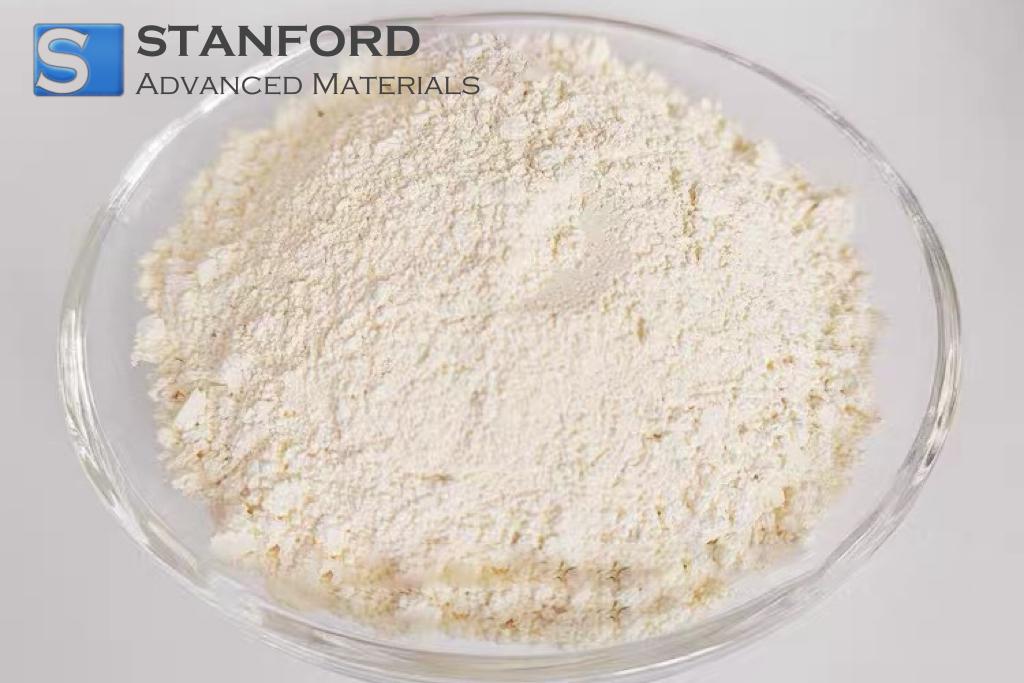
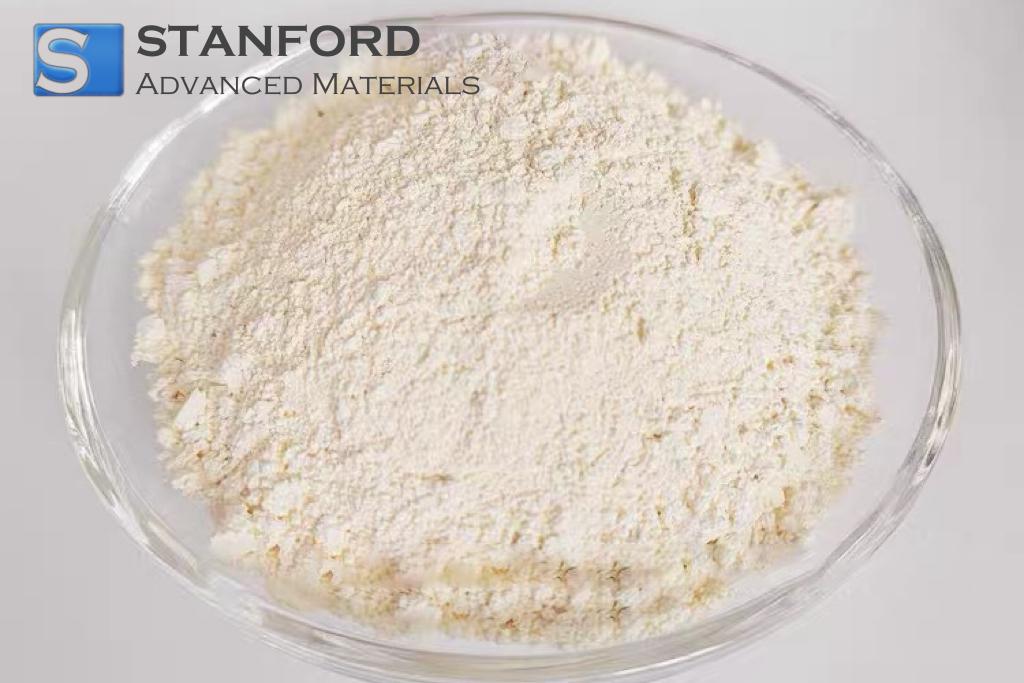
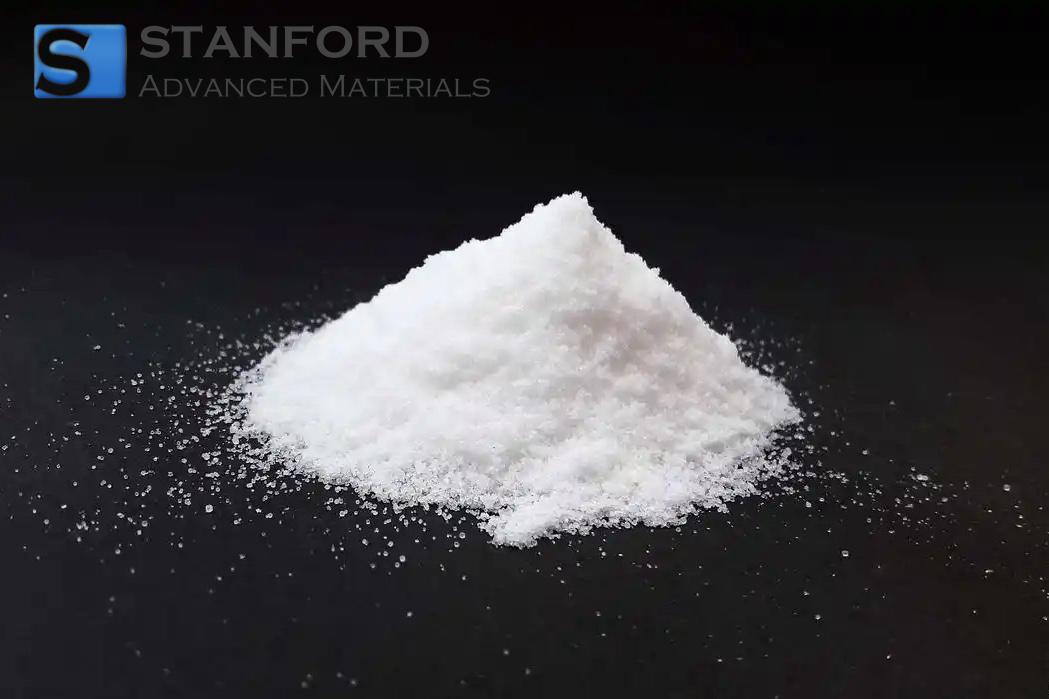
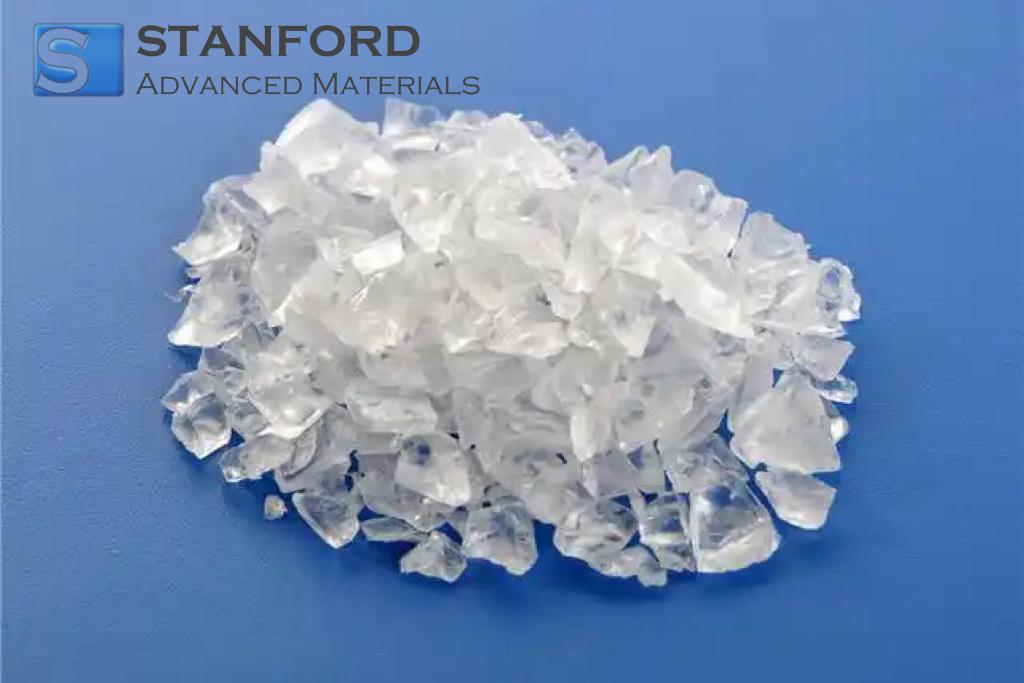
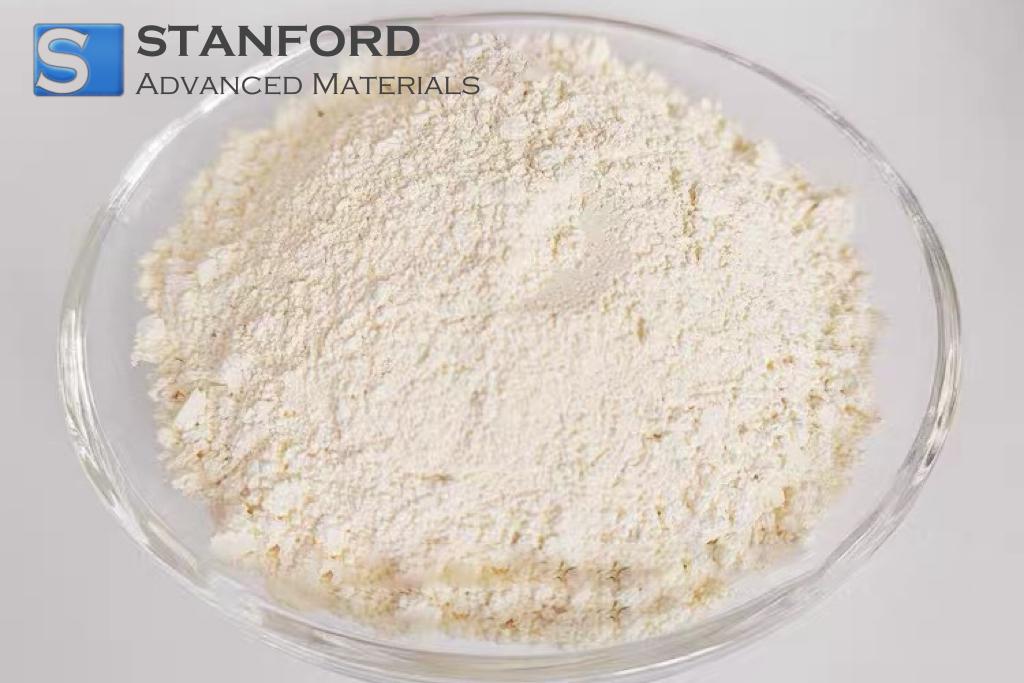
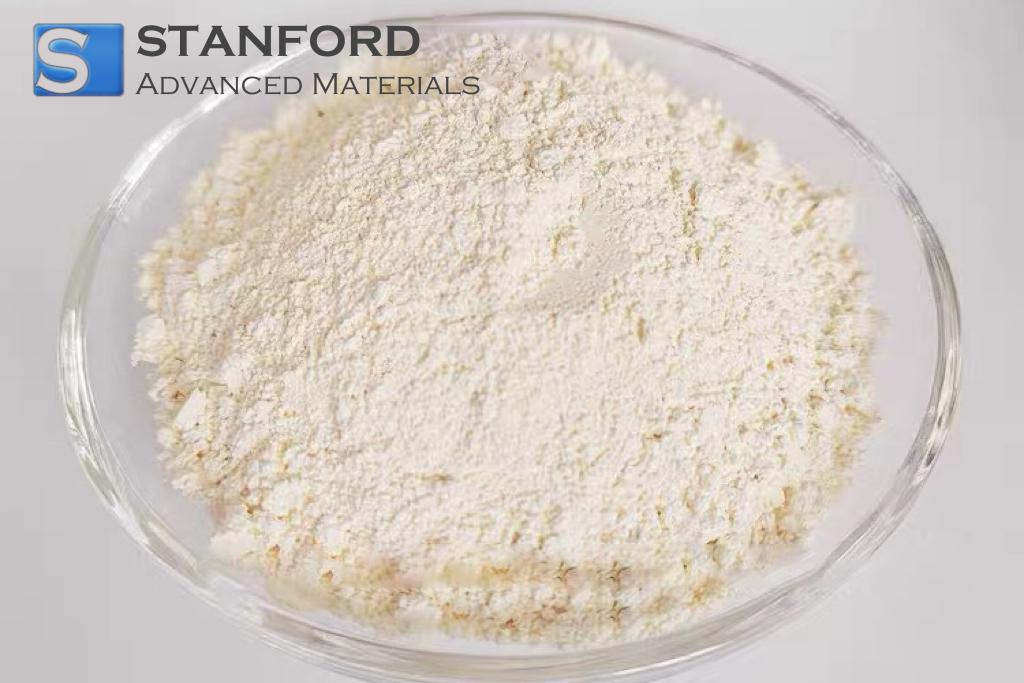
PLGA 50:50, Lauryl Ester Terminated, IV ≥ 0.55 dl/g, Mw ≥ 70 kDa Description
BP10986 is a lauryl ester-terminated PLGA 50:50 copolymer
with a high molecular weight (Mw ≥ 70 kDa) and correspondingly high intrinsic
viscosity (IV ≥ 0.55 dl/g). The standard lauryl ester end group imparts a
strongly hydrophobic character, which coupled with the long polymer chains,
enables exceptionally slow and predictable degradation kinetics. This material
is designed for applications where extended mechanical integrity, slow release
of actives, and long-term performance in challenging environments are
paramount.
PLGA 50:50, Lauryl Ester Terminated, IV ≥ 0.55 dl/g, Mw ≥ 70 kDa
Applications
Durable Biodegradable Composites
- Acts as a high-strength matrix or binder in fibre-reinforced or
particulate-filled composites for automotive, consumer goods, or construction
applications where a long service life followed by controlled degradation is
desired.
- Used in manufacturing high-performance, compostable products that require
toughness and dimensional stability.
Long-Term Controlled Release Systems for Industrial
Actives
- Functions as the core polymer for encapsulating agricultural chemicals
(e.g., pesticides, fertilisers), specialty additives, or fragrances, designed
to provide sustained release over many months to several years.
- Enables the development of long-acting formulations for industrial and
consumer products where minimal initial burst and predictable, linear release
kinetics are critical.
Advanced Industrial & Engineering Materials
- Used in the prototyping and manufacturing of biodegradable mechanical
parts, fasteners, or tooling that must maintain integrity under load for a
defined period before safely degrading.
- Investigated as a binder system for specialty ceramics or green bodies in
additive manufacturing.
Research & Development
- Serves as a benchmark high-Mw model polymer for fundamental studies on
polymer rheology, long-term hydrolytic degradation mechanisms, and the design
of next-generation sustainable materials with tailored lifespans.
PLGA 50:50, Lauryl Ester Terminated, IV ≥ 0.55 dl/g, Mw ≥ 70 kDa Packing
The product is supplied in vacuum-sealed, moisture-proof
packaging with desiccant to ensure stability during transportation and storage.
We offer flexible packaging sizes tailored to customer requirements from
R&D to production scale.
Additional Information
The combination of high molecular weight and lauryl ester
termination makes this PLGA grade one of the most durable and slowest-degrading
variants available, bridging the gap between high-performance polymers and
complete environmental biodegradability.
Stanford Advanced Materials (SAM) provides technical support for material selection, processing guidance, and custom
synthesis to meet the most demanding application specifications.
Regulatory Note: This material is designed for
industrial and consumer applications. It is the customer's responsibility to
ensure compliance with all applicable safety and regulatory requirements for
their intended use, especially for applications involving prolonged human or
environmental exposure.


 Products
 Bars
Bars
 Beads & Spheres
 Bolts & Nuts
 Crucibles
 Discs
Discs
 Fibers & Fabrics
 Films
Films
 Flake
Flake
 Foams
Foams
 Foil
Foil
 Granules
 Honeycombs
 Ink
Ink
 Laminate
 Lumps
Lumps
 Meshes
 Metallised Film
 Plate
Plate
 Powders
 Rod
Rod
 Sheets
 Single Crystals
 Sputtering Target
 Tubes
Tubes
 Washer
 Wires
Wires
 Converters & Calculators
 Write for Us