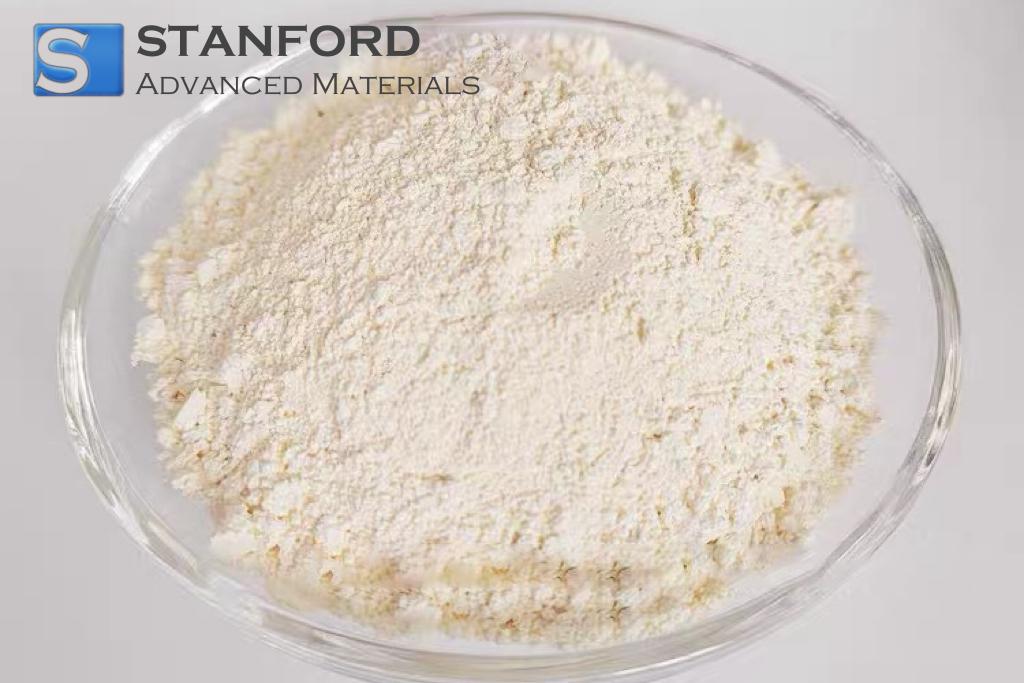
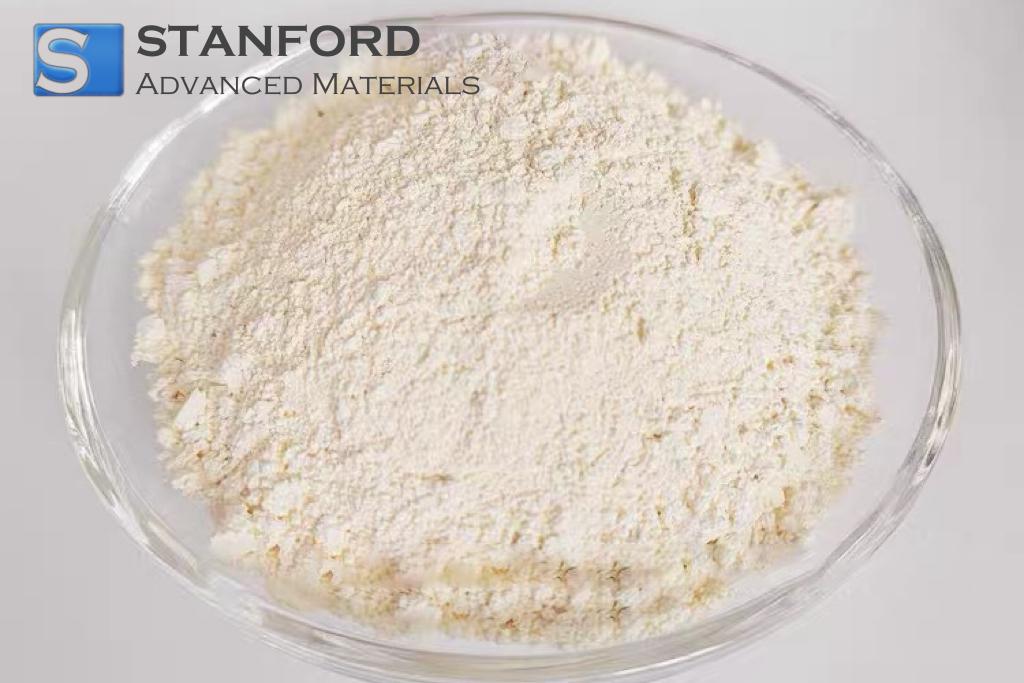
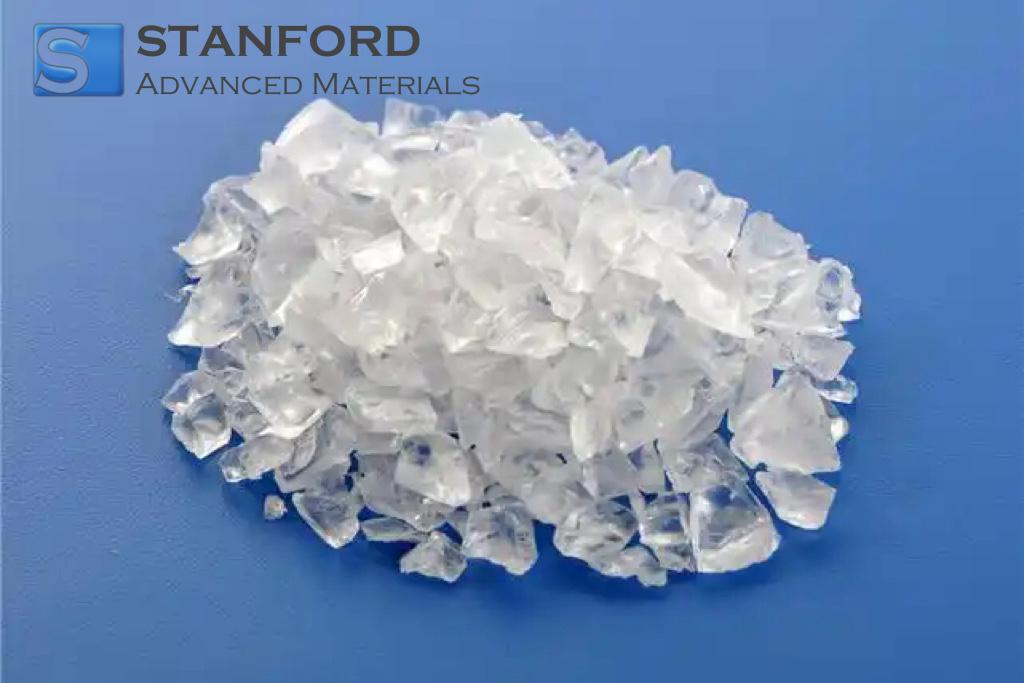
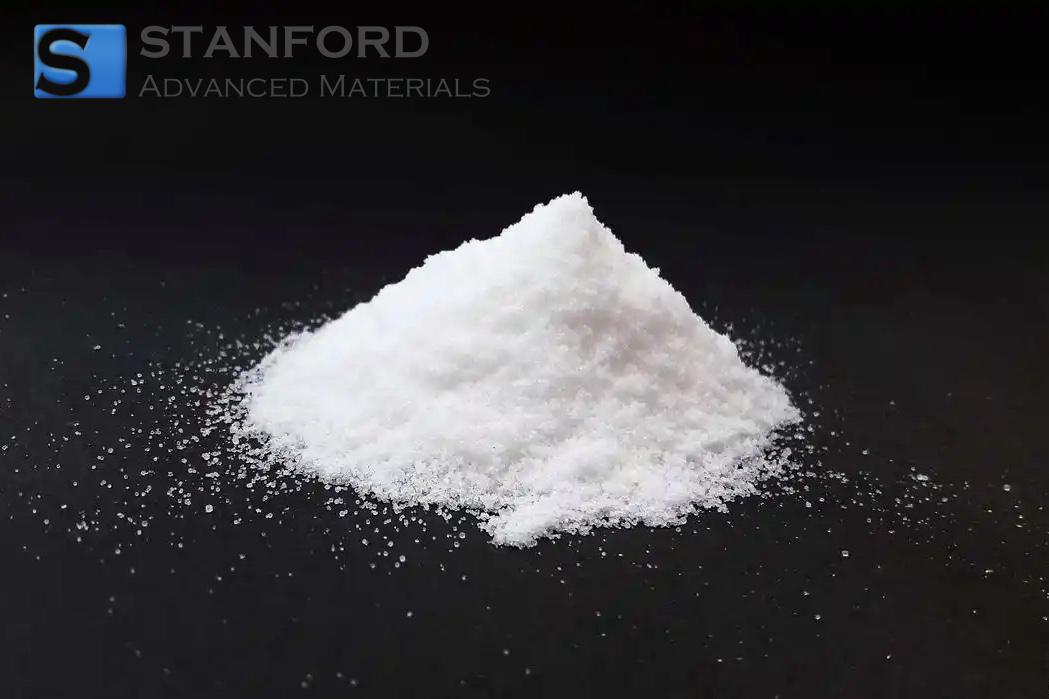
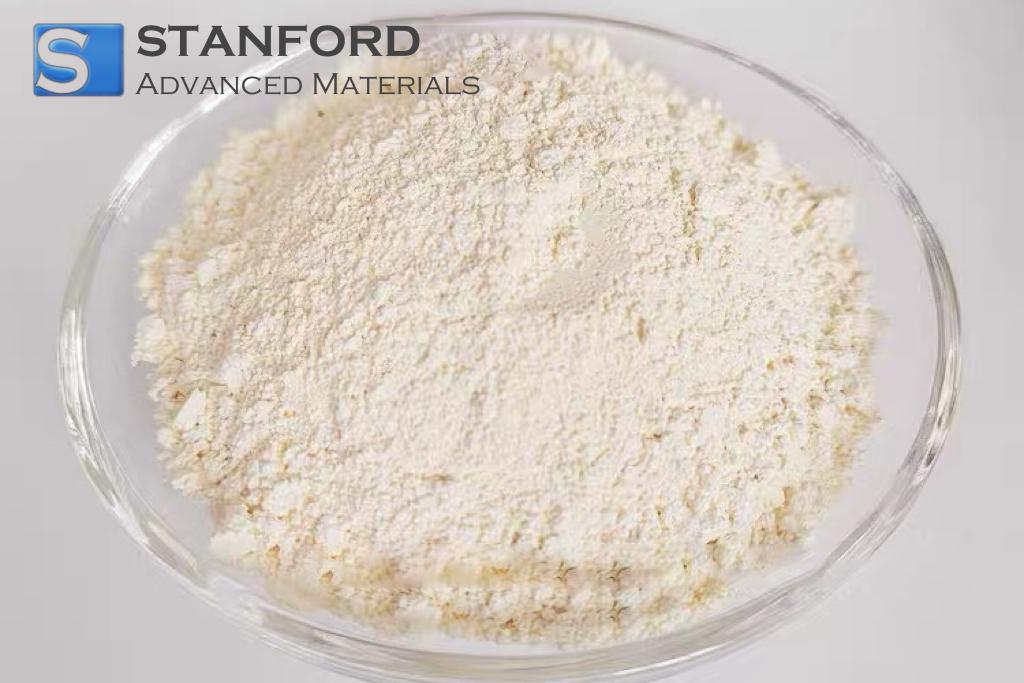
PLGA 50:50, Hydroxyl Terminated, IV ≤ 0.18 dl/g, Mw ≤ 15 kDa Description
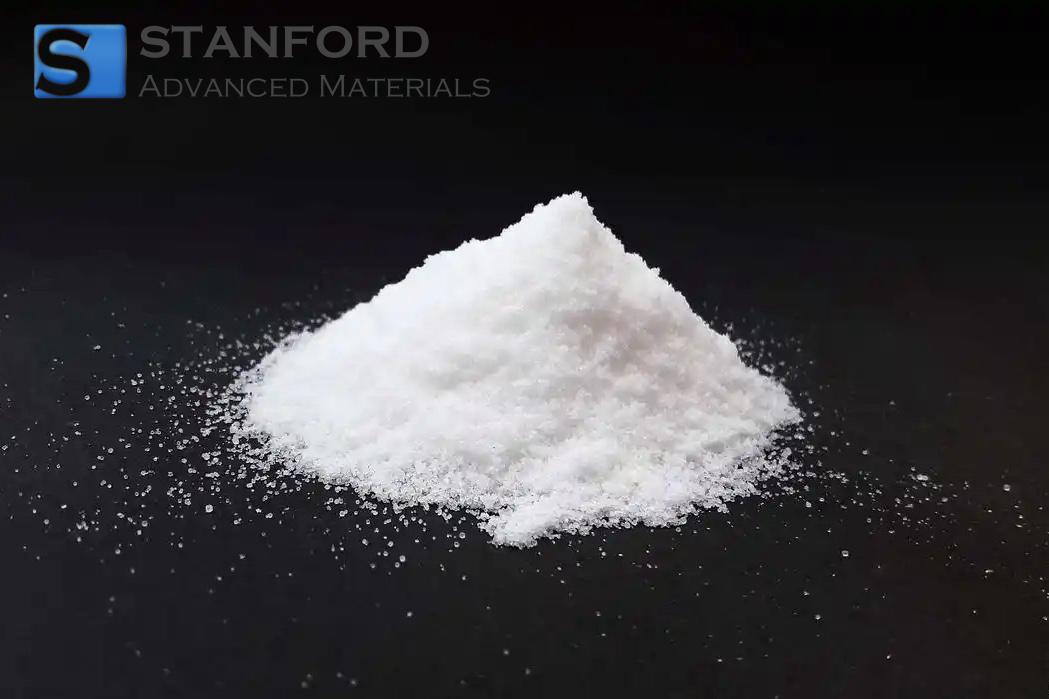
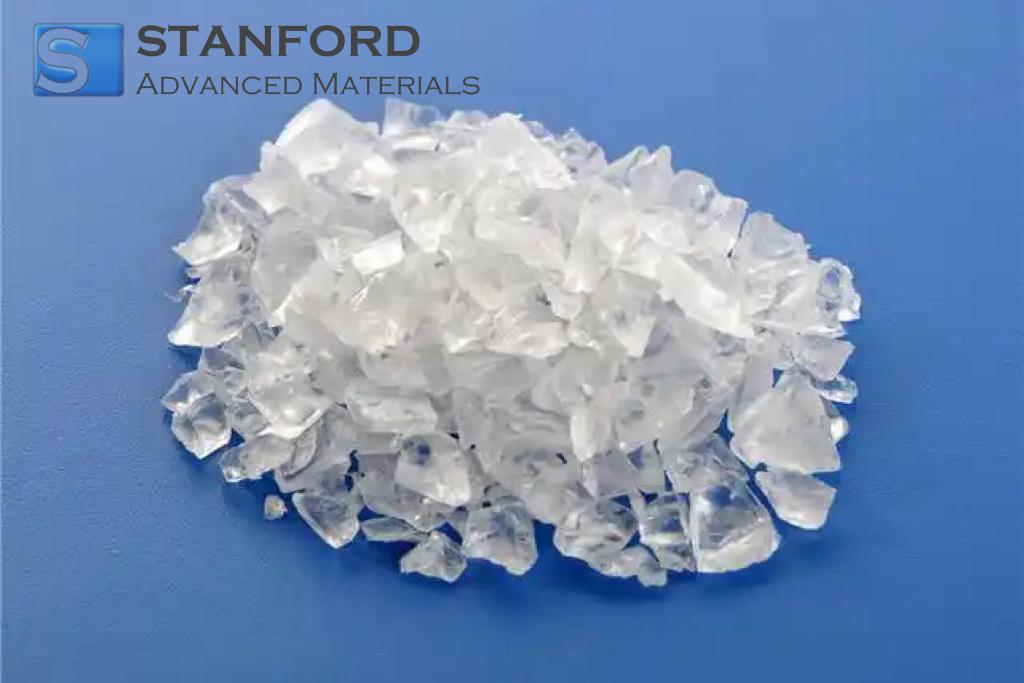
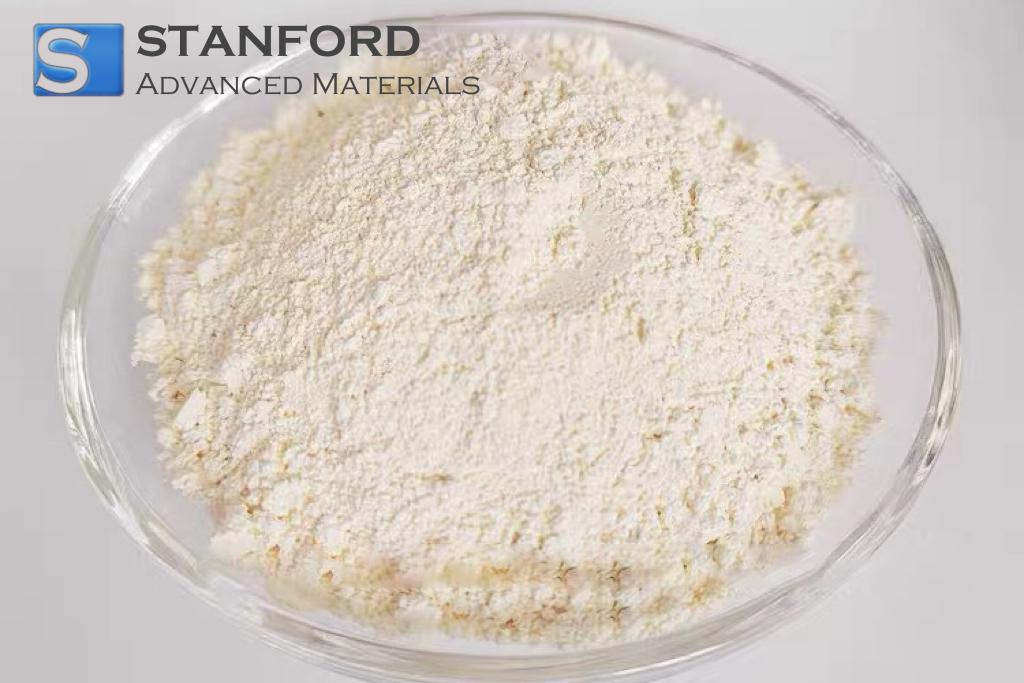
BP10987 is a hydroxyl-terminated PLGA 50:50 copolymer with a
controlled low molecular weight (Mw ≤ 15 kDa) and correspondingly low intrinsic
viscosity (IV ≤ 0.18 dl/g). The terminal hydroxyl group defines its character,
imparting enhanced hydrophilicity and aqueous compatibility compared to ester-capped variants. This functional group also serves as a versatile anchor point for chemical reactions, allowing for the covalent attachment of molecules or integration into more complex polymeric architectures. This combination of easy processability, predictable degradation, and synthetic versatility makes it a unique material for advanced, sustainable formulations.
PLGA 50:50, Hydroxyl Terminated, IV ≤ 0.18 dl/g, Mw ≤ 15 kDa Applications
Personal Care & Functional Cosmetics
- Serves as a biodegradable delivery vehicle for hydrophilic
active ingredients (e.g., vitamin C derivatives, hyaluronic acid,
peptides) in skincare and haircare products, leveraging its improved water
compatibility.
- Used as a film-forming agent or sensory modifier in rinse-off
formulations, where its hydrophilic nature can enhance rinseability and user
experience.
Eco-Friendly Binders, Adhesives & Coatings
- Functions as an effective bio-based binder for cellulose,
paper, and natural fibres, where its polar hydroxyl groups can form strong
hydrogen bonds with the substrate.
- Applied in the formulation of compostable adhesives and coatings for polar
surfaces, benefiting from its enhanced wetting and adhesion properties.
Chemical Synthesis & Advanced Material Development
- Acts as a macroinitiator or macromonomer for
ring-opening polymerisation or polycondensation reactions to synthesise
tailored block or graft copolymers.
- Serves as a key building block for creating cross-linked networks,
polymer-drug conjugates, or surface-functionalised particles for specialised
applications.
Research & Product Development
- Used as a model system to study the profound impact
of end-group hydrophilicity on degradation profiles, drug release
kinetics, and polymer-cell/substrate interactions.
- A foundational material for prototyping and testing next-generation
biodegradable products in industrial and consumer goods R&D.
PLGA 50:50, Hydroxyl Terminated, IV ≤ 0.18 dl/g, Mw ≤ 15 kDa Packing
The product is supplied in vacuum-sealed, moisture-proof
aluminium bags with desiccant to ensure stability during transportation and
storage. We offer flexible packaging sizes tailored to customer requirements,
from R&D samples to bulk production quantities.
Additional Information
The hydroxyl termination fundamentally differentiates this
PLGA grade, shifting its property profile towards hydrophilicity and
chemical reactivity. This opens distinct application windows compared to
standard ester-terminated PLGAs, particularly in water-compatible systems and
as a platform for further chemical innovation.
Stanford Advanced Materials (SAM) is committed to providing
high-performance, specialised polymer solutions. Our technical team is
available to support your material selection and collaborate on custom
synthesis projects to meet unique application needs.
Regulatory Note: This material is designed for
industrial and consumer applications. It is the customer's responsibility to
ensure compliance with all applicable safety, quality, and regulatory standards
for their specific intended use and jurisdiction.


 Products
 Bars
Bars
 Beads & Spheres
 Bolts & Nuts
 Crucibles
 Discs
Discs
 Fibers & Fabrics
 Films
Films
 Flake
Flake
 Foams
Foams
 Foil
Foil
 Granules
 Honeycombs
 Ink
Ink
 Laminate
 Lumps
Lumps
 Meshes
 Metallised Film
 Plate
Plate
 Powders
 Rod
Rod
 Sheets
 Single Crystals
 Sputtering Target
 Tubes
Tubes
 Washer
 Wires
Wires
 Converters & Calculators
 Write for Us