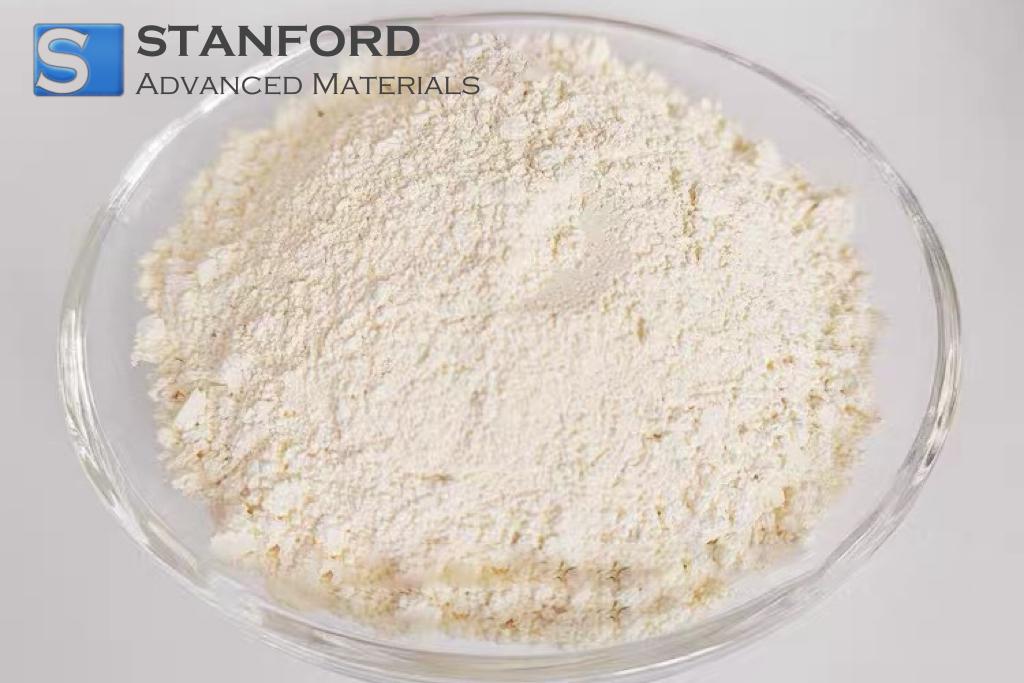
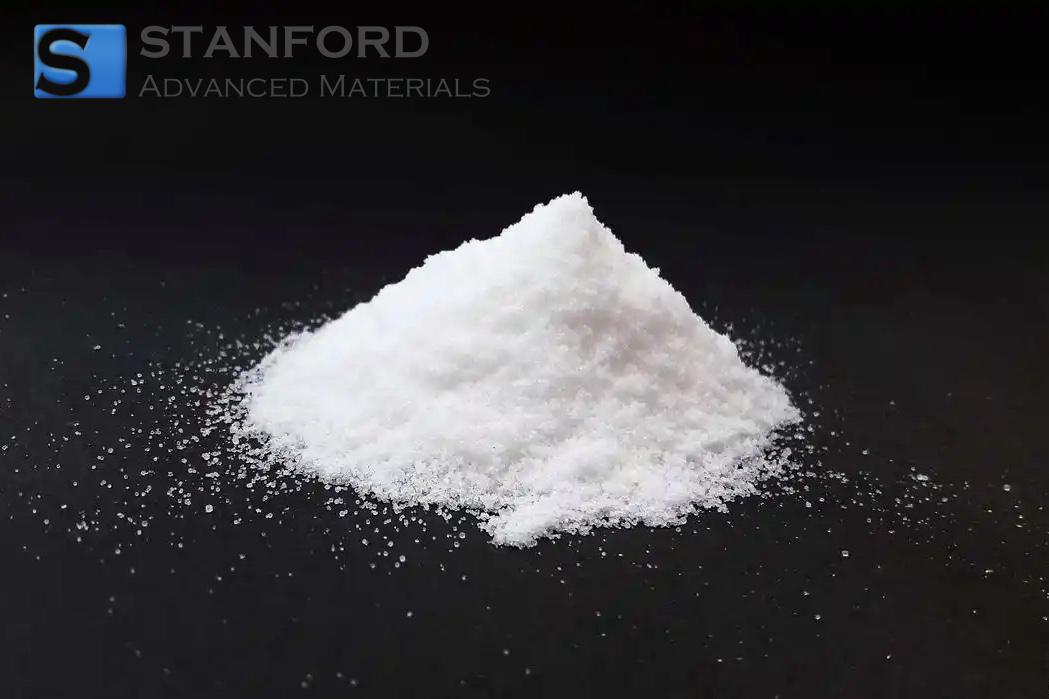
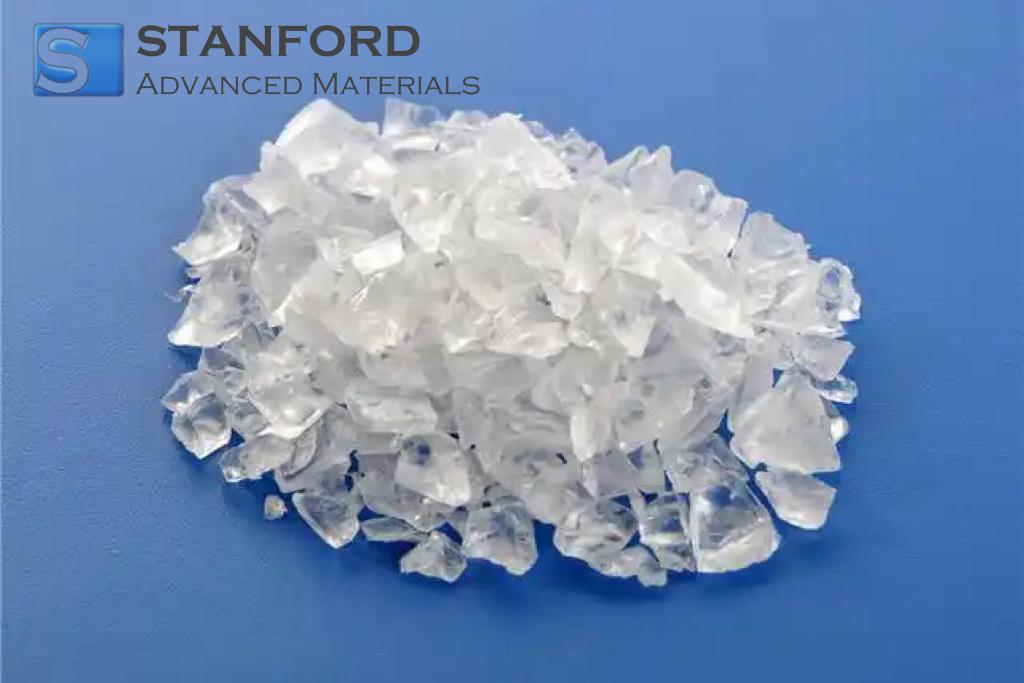
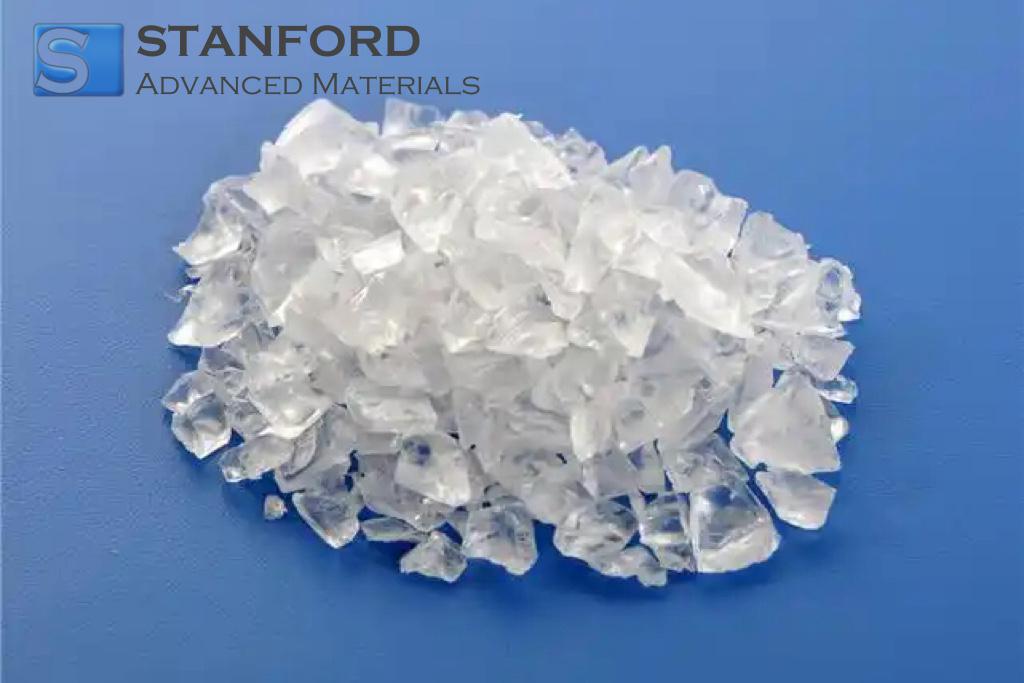
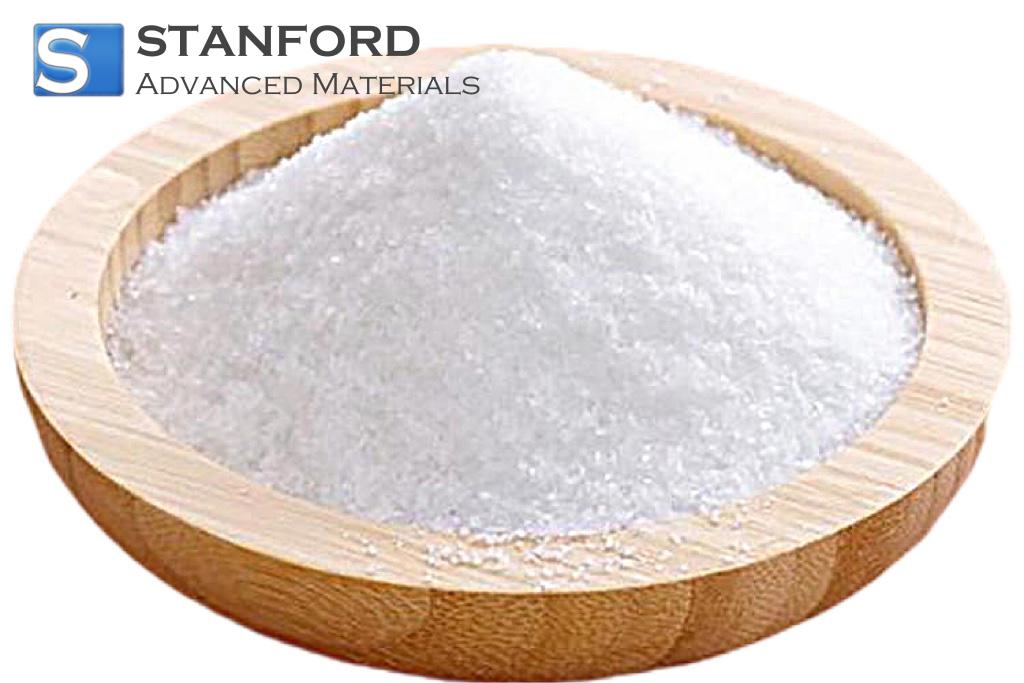
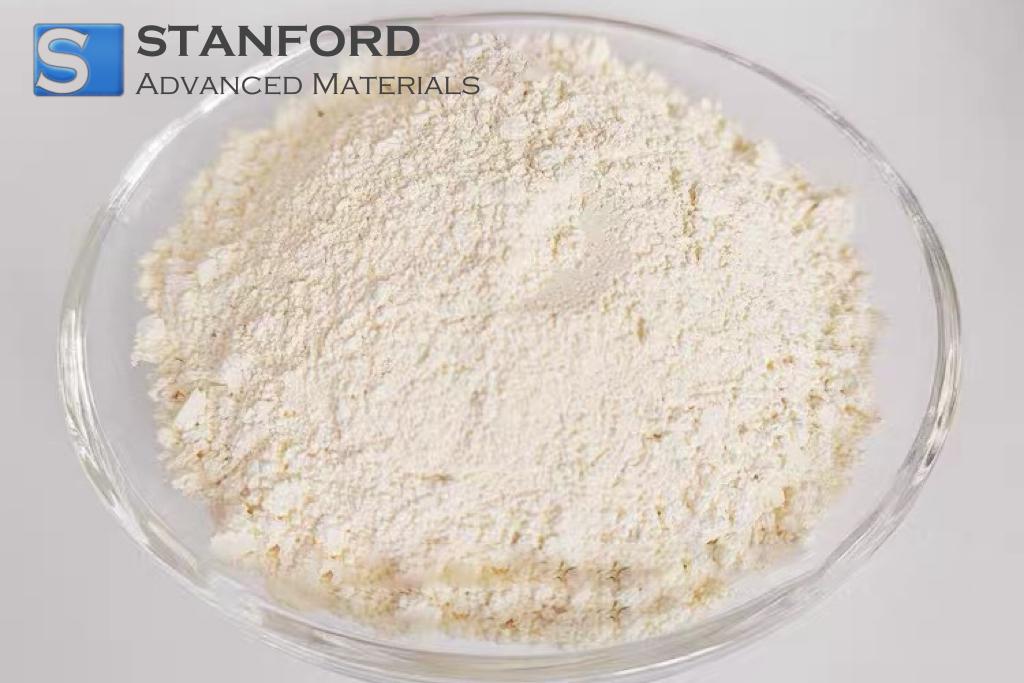
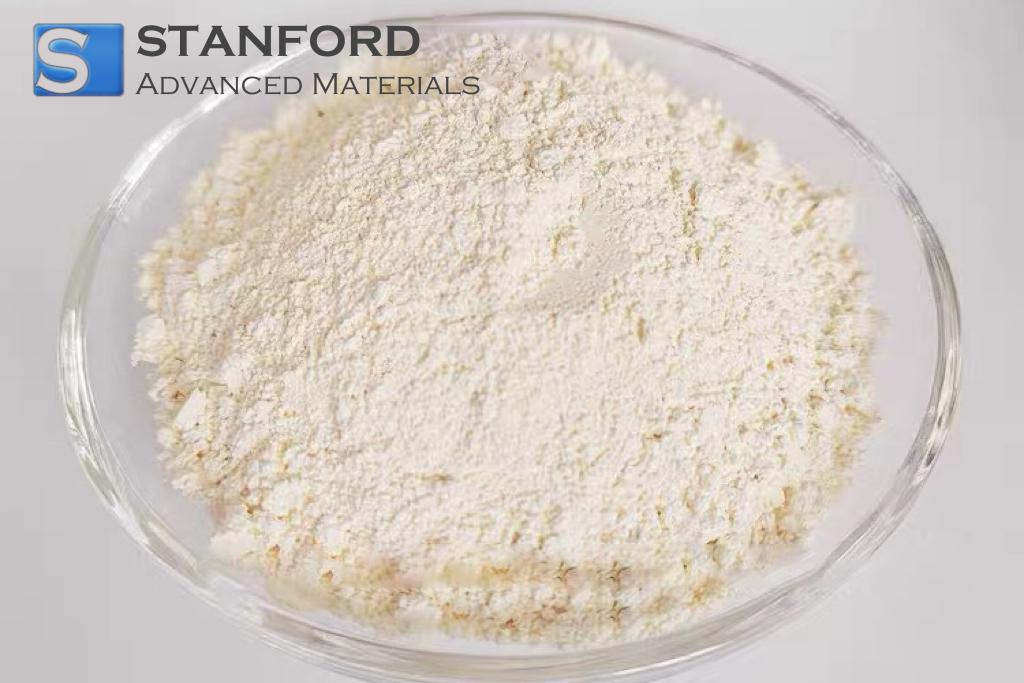
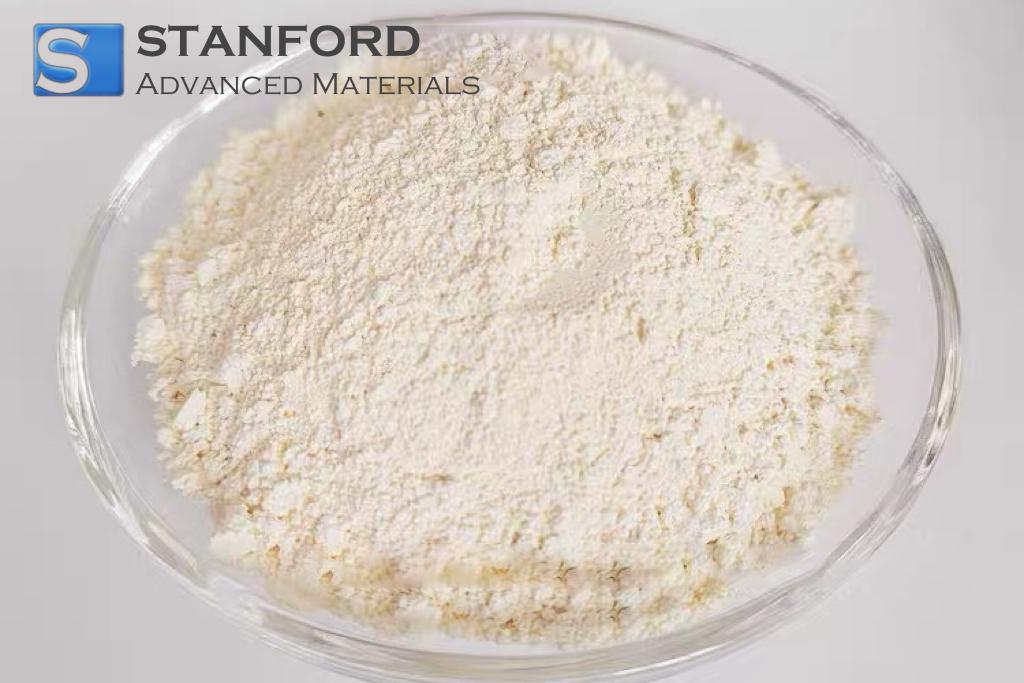
PLGA 50:50, Hydroxyl Terminated, IV ≥ 0.55 dl/g, Mw ≥ 70 kDa Description
BP10989 is a hydroxyl-terminated PLGA 50:50 copolymer with a
high molecular weight (Mw ≥ 70 kDa) and correspondingly high intrinsic
viscosity (IV ≥ 0.55 dl/g). The terminal hydroxyl group differentiates it by
imparting a degree of hydrophilicity and chemical reactivity not
found in ester-terminated grades. While the long polymer chains ensure slow
degradation and mechanical properties, the hydroxyl functionality
provides a site for further chemical modification, enabling the
material to be tailored for specific high-performance and sustainable
applications.
PLGA 50:50, Hydroxyl Terminated, IV ≥ 0.55 dl/g, Mw ≥ 70 kDa Applications
1.
High-Performance Biodegradable Composites
- Serves as a high-strength, bio-based matrix for advanced composites (e.g.,
with natural fibres, glass fibres), where the hydroxyl groups can improve
interfacial bonding with polar reinforcing materials.
- Used in the manufacture of durable, compostable products for automotive,
sporting goods, or construction that require extended service life and
end-of-life controllability.
2.
Advanced Functional Coatings & Adhesives
- Acts as a base polymer for high-solids, environmentally friendly coatings
and structural adhesives, benefiting from its strong film-forming ability and
the potential for cross-linking via the hydroxyl group to enhance chemical
resistance and durability.
- Applied in long-lasting protective coatings for infrastructure, where slow
degradation and the option for chemical functionalisation are advantageous.
3.
Macromolecular Building Block for Chemical Synthesis
- Utilised as a macroinitiator or prepolymer for synthesising
well-defined block copolymers, graft polymers, or complex polymer networks
through reactions at the hydroxyl terminus.
- A key raw material in research and development of novel biodegradable
polymers with customised architectures and properties for specialised
industrial uses.
4.
Long-Term Controlled Release Systems
- Functions as the carrier polymer for the sustained release of active
agents (e.g., agrochemicals, corrosion inhibitors, specialty additives) over
periods of months to years, where its slow degradation profile and potential
for surface modification are critical.
5.
Research & Material Development
- Serves as an exemplary high-Mw model for investigating the interplay
between polymer architecture (including end-group chemistry), long-term
degradation behaviour, and advanced processing techniques.
- A benchmark material for developing high-performance
biodegradable materials across industrial sectors.
PLGA 50:50, Hydroxyl Terminated, IV ≥ 0.55 dl/g, Mw ≥ 70 kDa Packing
The product is supplied in vacuum-sealed, moisture-proof
aluminum bags with desiccant to ensure stability during transportation and
storage. We offer flexible packaging sizes tailored to customer requirements,
from R&D samples to bulk production quantities.
Additional Information
The hydroxyl termination adds a layer of functionality to
this high-Mw PLGA, positioning it not only as a durable biodegradable polymer
but also as a reactive platform for chemical innovation. This dual
characteristic makes it particularly valuable for applications demanding both
long-term performance in harsh environments and the possibility of precise
chemical tailoring.
Stanford Advanced Materials (SAM) is committed to providing
high-performance, specialised polymer solutions. Our technical team offers
support for material selection, processing guidance, and custom
synthesis to meet application specifications.
Regulatory Note: This material is designed for
industrial and consumer applications. It is the customer's responsibility to
ensure compliance with all applicable safety, quality, and regulatory standards
for their specific intended use and jurisdiction, particularly for applications
involving extended environmental exposure.


 Products
 Bars
Bars
 Beads & Spheres
 Bolts & Nuts
 Crucibles
 Discs
Discs
 Fibers & Fabrics
 Films
Films
 Flake
Flake
 Foams
Foams
 Foil
Foil
 Granules
 Honeycombs
 Ink
Ink
 Laminate
 Lumps
Lumps
 Meshes
 Metallised Film
 Plate
Plate
 Powders
 Rod
Rod
 Sheets
 Single Crystals
 Sputtering Target
 Tubes
Tubes
 Washer
 Wires
Wires
 Converters & Calculators
 Write for Us