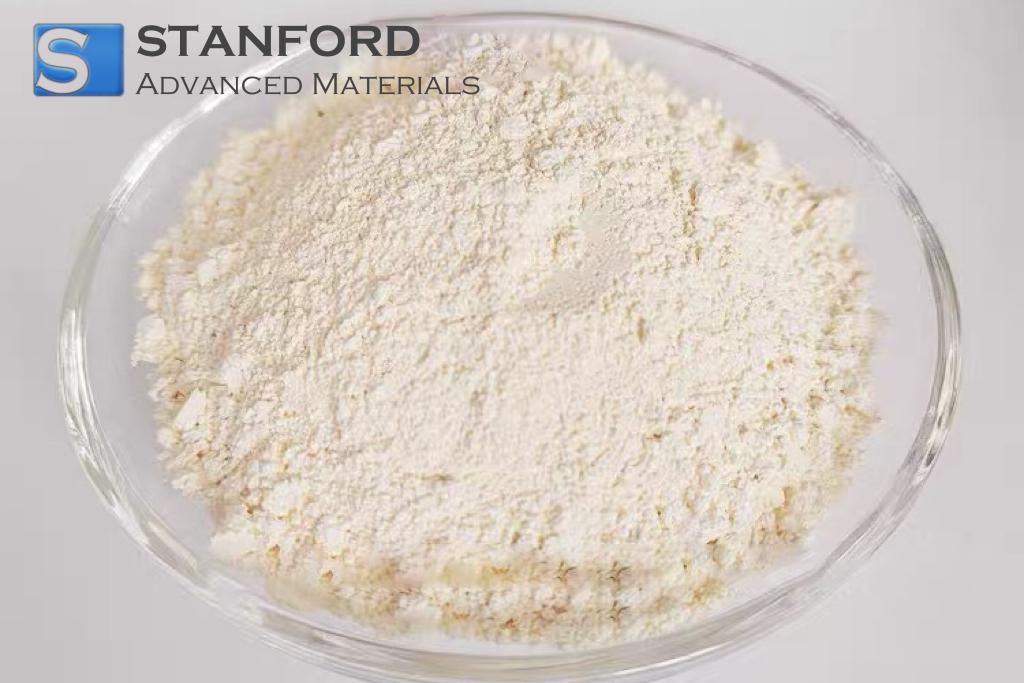
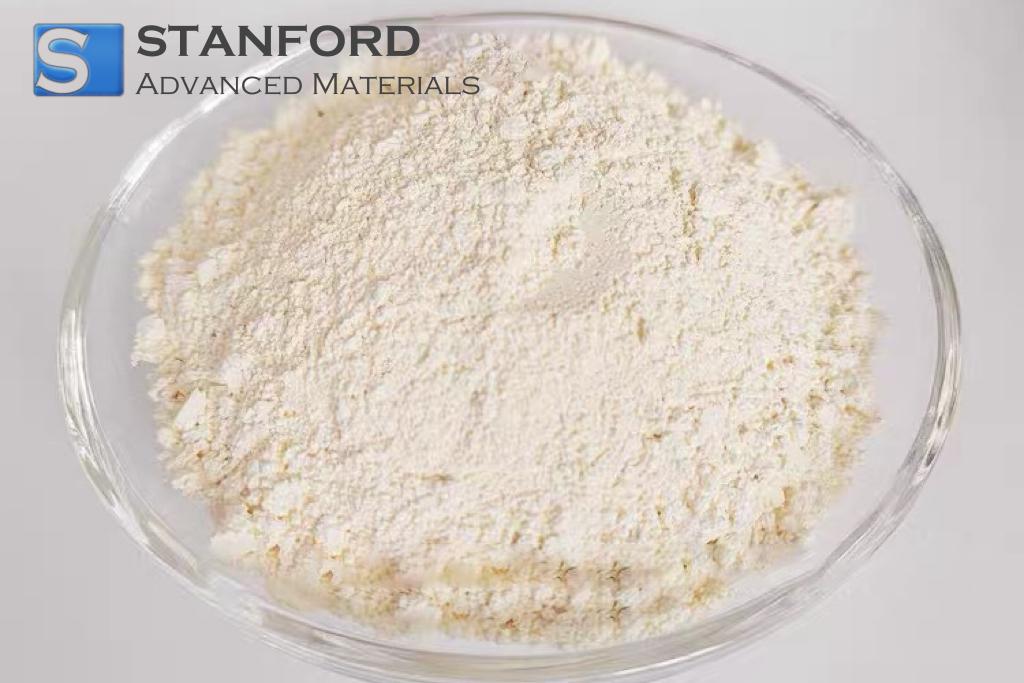
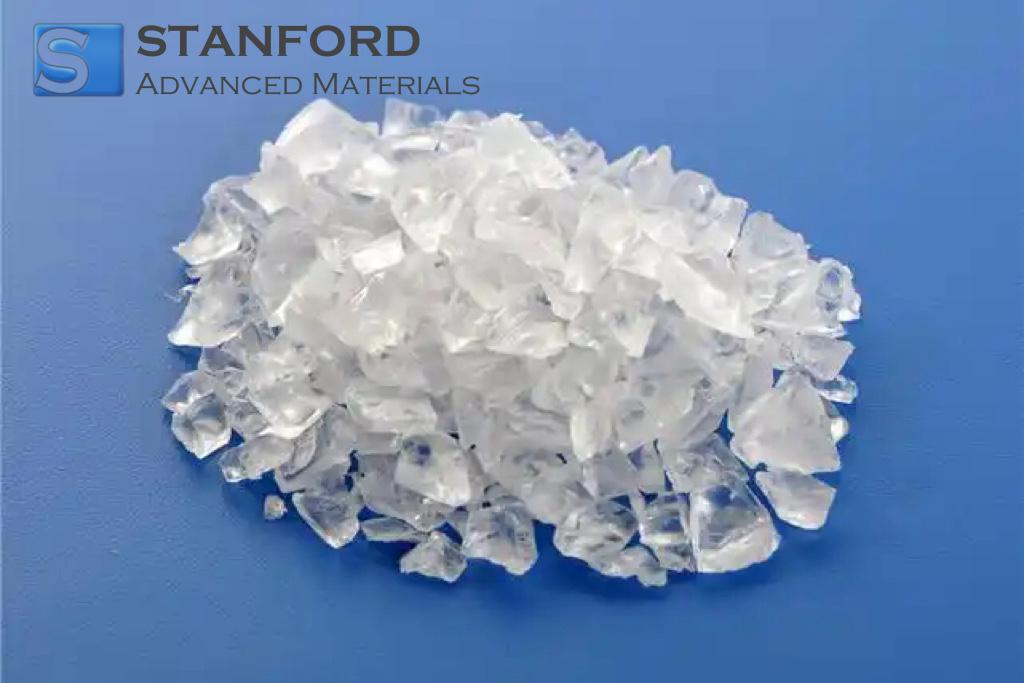
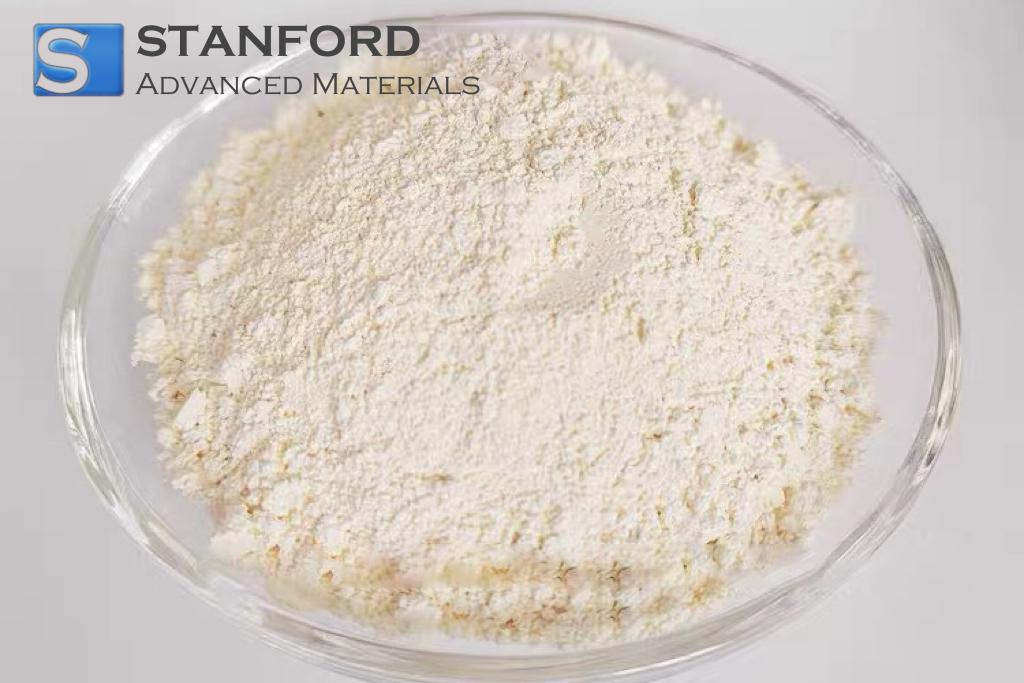
PLGA 50:50, Carboxyl-Terminated, IV ≥ 0.55 dl/g, Mw ≥ 70 kDa Description
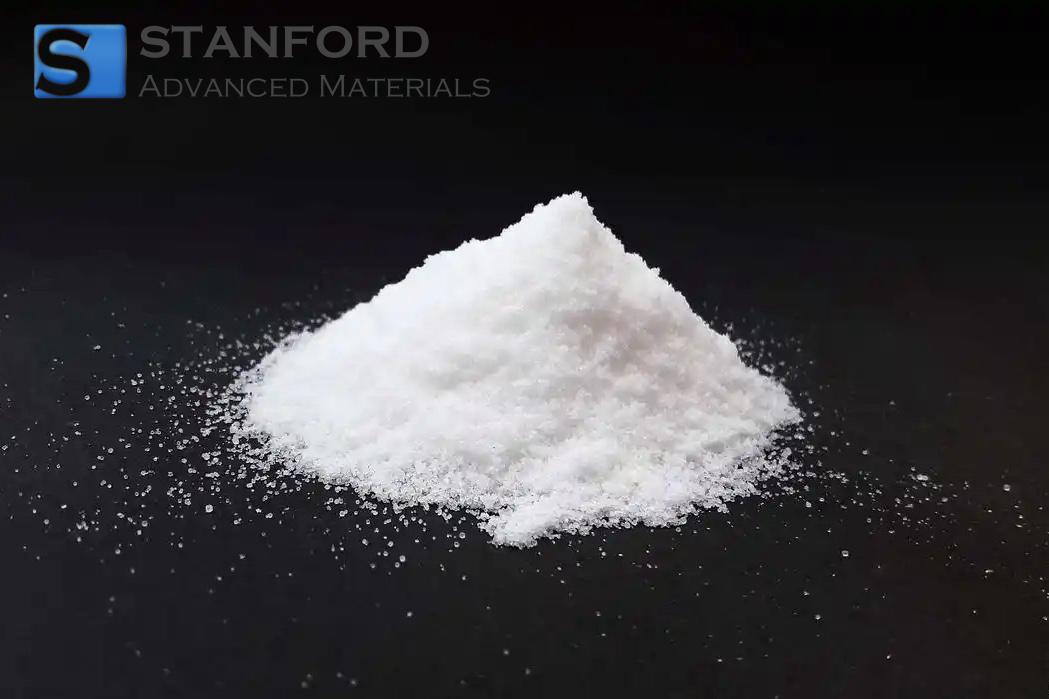
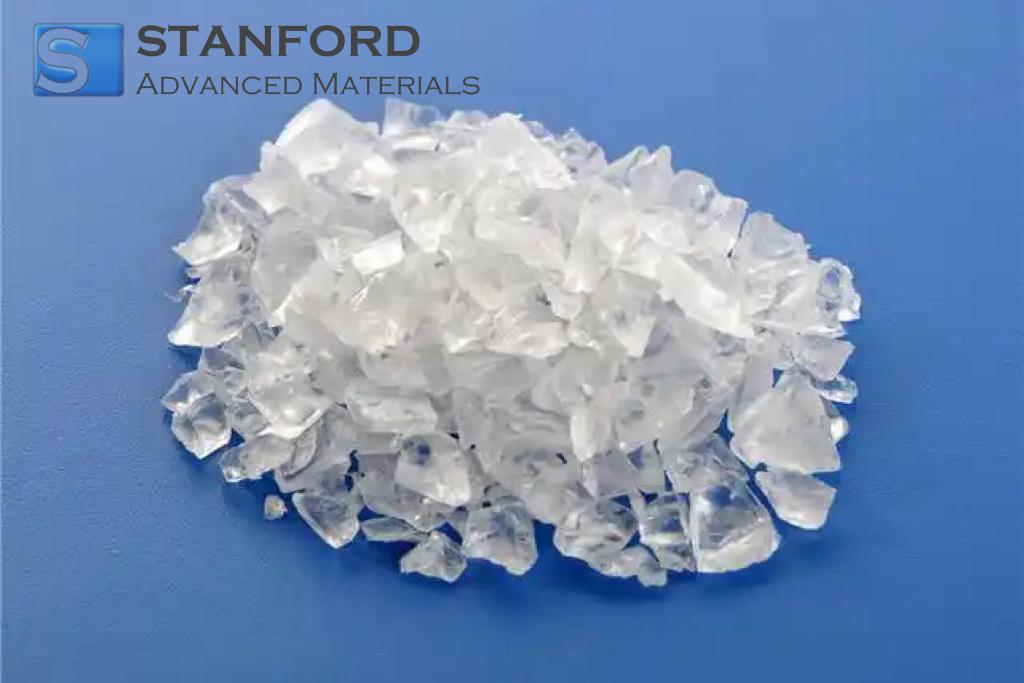
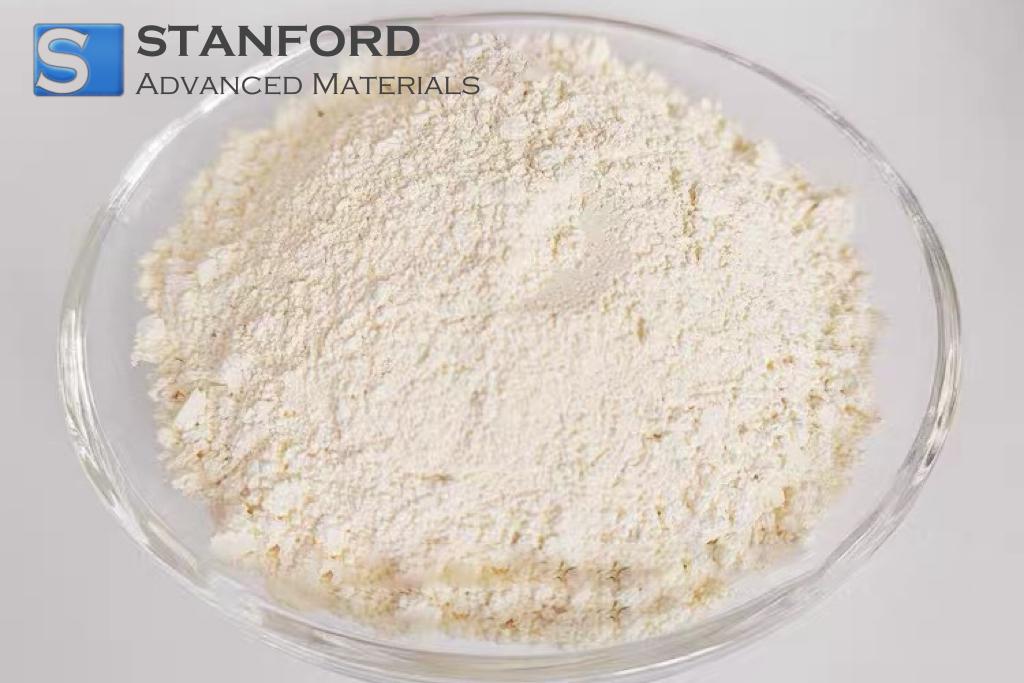
BP10992 is a carboxyl-terminated PLGA 50:50 copolymer characterised by high molecular weight (≥ 70 kDa) and elevated intrinsic viscosity (≥ 0.55 dl/g). The carboxyl end groups enhance hydrophilicity and contribute to a more controlled, gradual degradation profile. This combination of properties makes it particularly suitable for applications requiring extended structural integrity and sustained release, such as long-term implants and slow-eroding drug delivery systems.
PLGA 50:50, Carboxyl-Terminated, IV ≥ 0.55 dl/g, Mw ≥ 70 kDa Applications
1.
Long-Term Implantable Devices
- Used in the fabrication of bioresorbable orthopedic implants (screws, pins, plates) and soft tissue supports that require mechanical integrity over months to years.
- Applied as a coating or matrix in implantable drug-eluting devices for sustained local therapeutic delivery.
2.
Extended-Release Drug Delivery Systems
- Serves as a carrier in microsphere, implant, or fibre-based formulations designed for release over weeks to several months.
- Utilised in depot injections or in-situ forming implants where prolonged drug release is needed.
3.
Advanced Tissue Engineering & Regenerative Medicine
- Functions as a structural scaffold for bone, cartilage, or soft tissue regeneration, providing gradual resorption aligned with tissue ingrowth.
- Used in combination with growth factors or cells to create bioactive constructs with controlled degradation kinetics.
4.
Research & High-Performance Biomaterial Development
- Acts as a model system for studying the effects of high molecular weight and carboxyl termination on degradation, erosion, and drug-polymer interactions.
- Employed in the development of next-generation biodegradable composites, films, and coatings for medical and pharmaceutical applications.
PLGA 50:50, Carboxyl-Terminated, IV ≥ 0.55 dl/g, Mw ≥ 70 kDa Packing
The product is supplied in vacuum-sealed, moisture-barrier aluminium bags with desiccant to ensure stability during shipping and long-term storage. Available in sizes ranging from small R&D samples to bulk industrial quantities. Custom packaging, labelling, and documentation options are available to meet specific customer, logistical, or regulatory needs.
Additional Information
High molecular weight carboxyl-terminated PLGA represents a key material platform for advanced biomedical applications where extended functionality and predictable long-term degradation are essential. Its chemical versatility and tunable erosion profile support innovation in sustained therapeutics, implant design, and regenerative strategies.
Stanford Advanced Materials (SAM) is committed to providing high-performance, well-characterised polymer solutions for research and industry. Our technical team is available to support material selection, customisation, and integration into your development pipeline.
Regulatory Note: This material is intended for research and industrial use. It is the user's responsibility to ensure compliance with all applicable safety, quality, and regulatory standards relevant to their intended application and jurisdiction.


 Products
 Bars
Bars
 Beads & Spheres
 Bolts & Nuts
 Crucibles
 Discs
Discs
 Fibers & Fabrics
 Films
Films
 Flake
Flake
 Foams
Foams
 Foil
Foil
 Granules
 Honeycombs
 Ink
Ink
 Laminate
 Lumps
Lumps
 Meshes
 Metallised Film
 Plate
Plate
 Powders
 Rod
Rod
 Sheets
 Single Crystals
 Sputtering Target
 Tubes
Tubes
 Washer
 Wires
Wires
 Converters & Calculators
 Write for Us