{{flagHref}}
Products
  • Products
  • Categories
  • Blog
  • Podcast
  • Application
  • Document
|
/ {{languageFlag}}
Select language
Stanford Advanced Materials {{item.label}}
Stanford Advanced Materials
Select language
Stanford Advanced Materials {{item.label}}

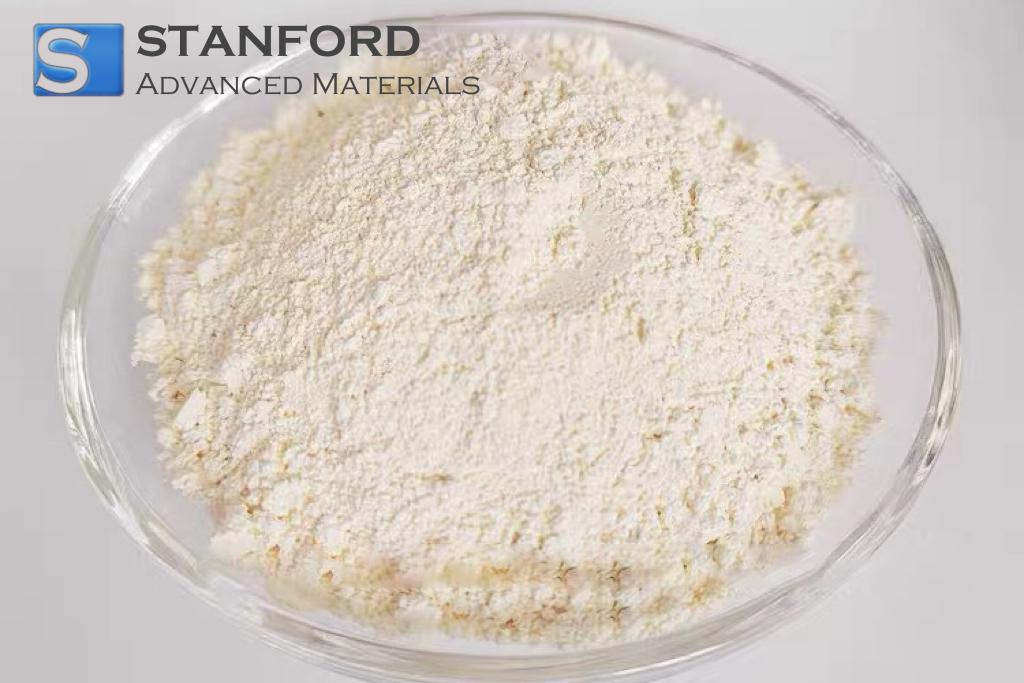
BP10993 PLGA 75:25, Lauryl Ester Terminated, IV ≤ 0.18 dl/g, Mw ≤ 15 kDa

Catalogue Number BP10993
CAS Number 26780-53-0
Composition Poly(D, L-lactide-co-glycolide) 75:25, Lauryl Ester Terminated
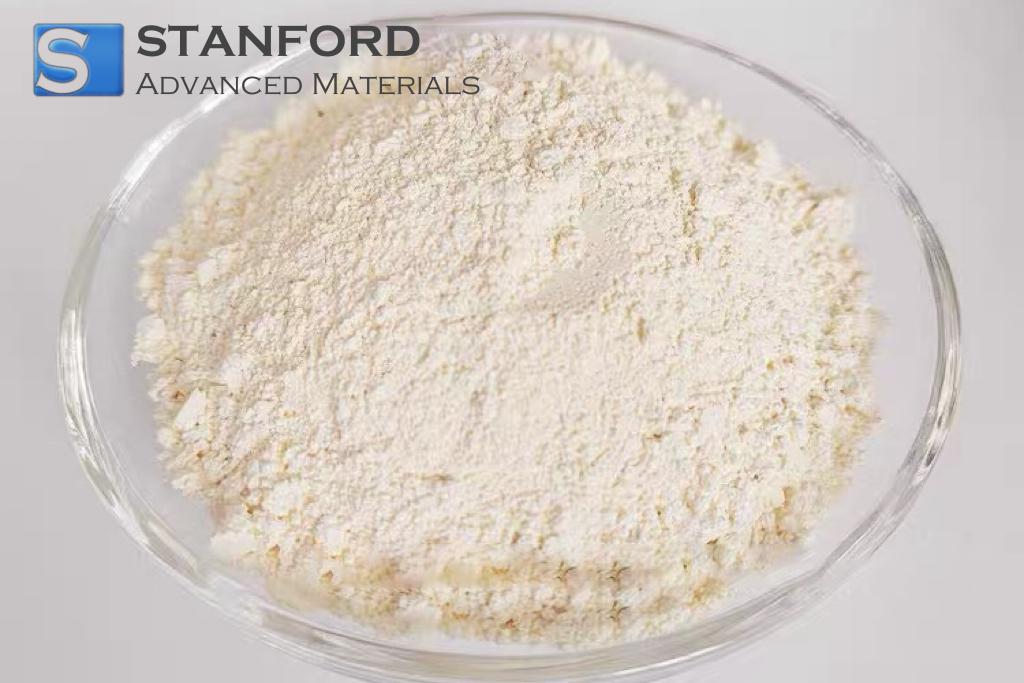
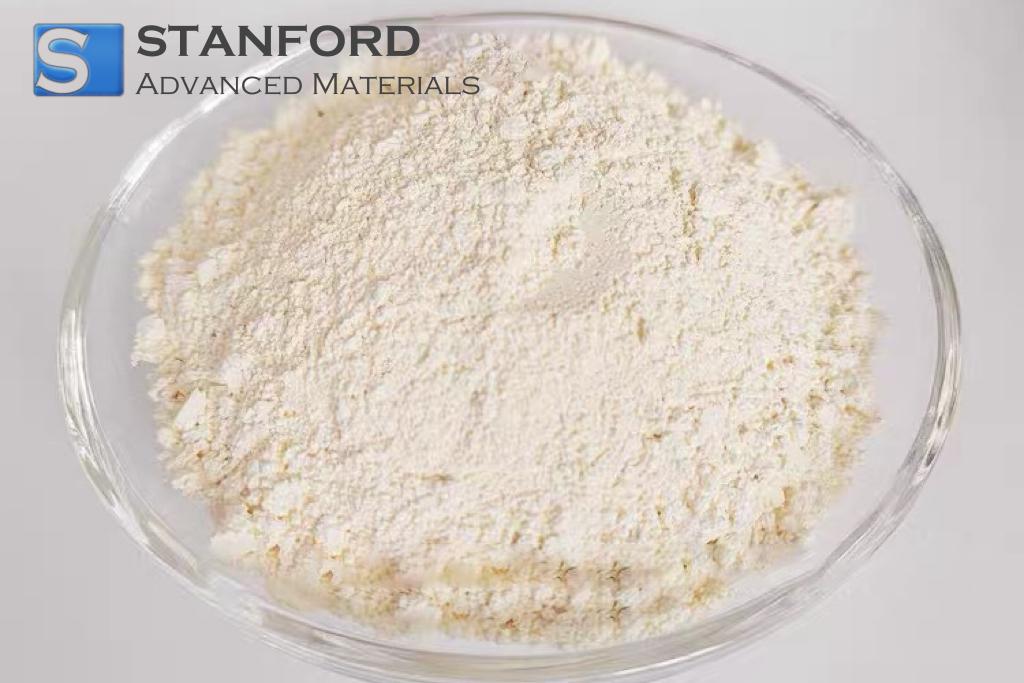
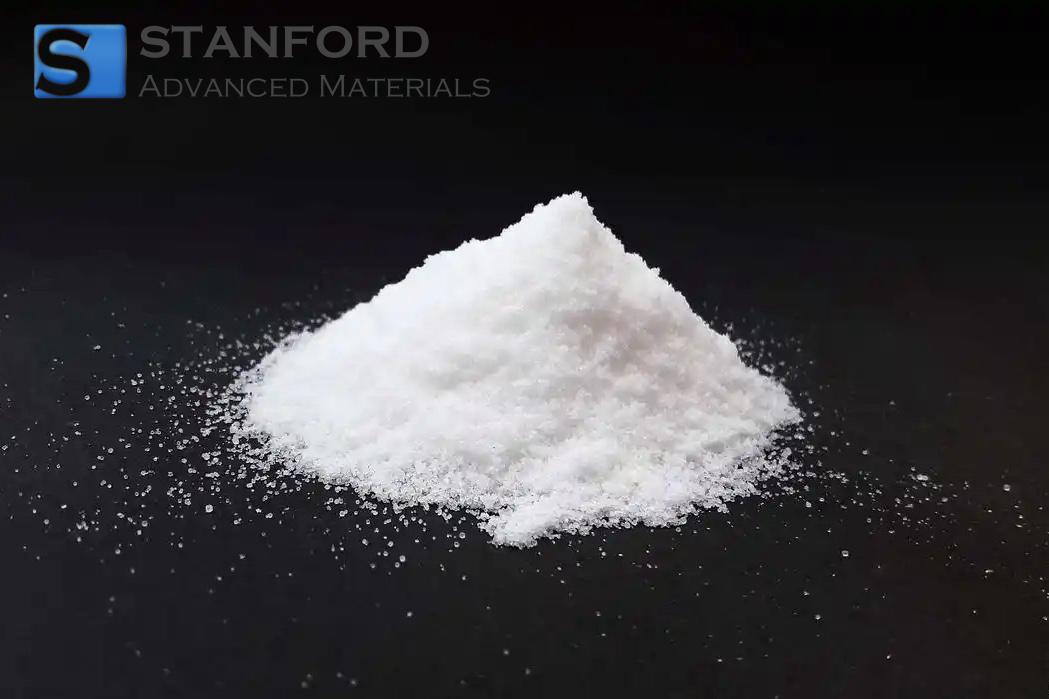
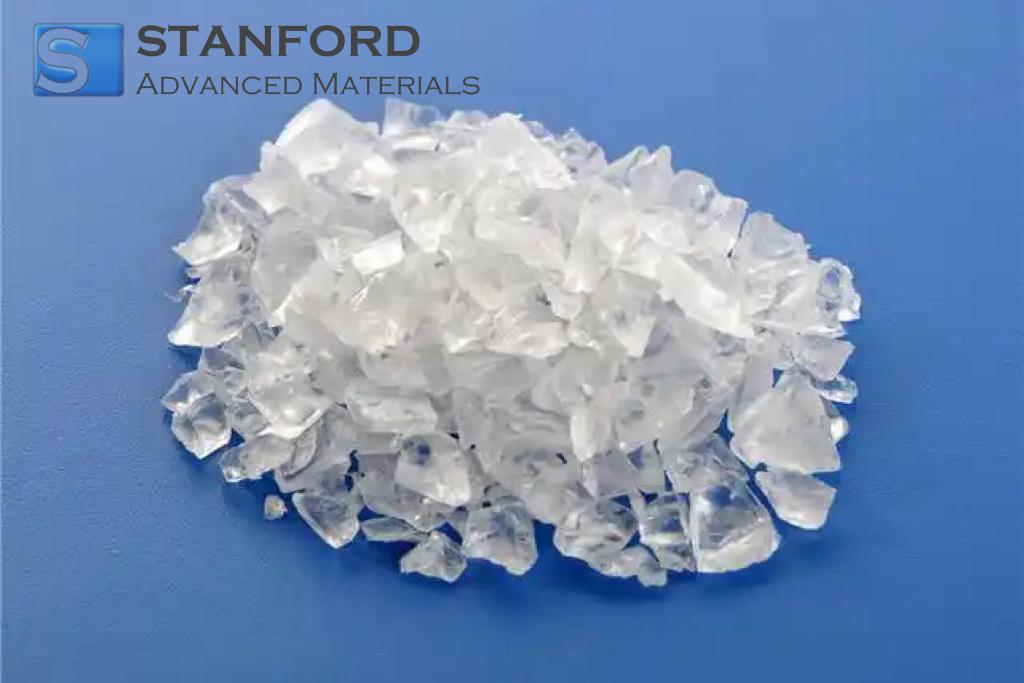
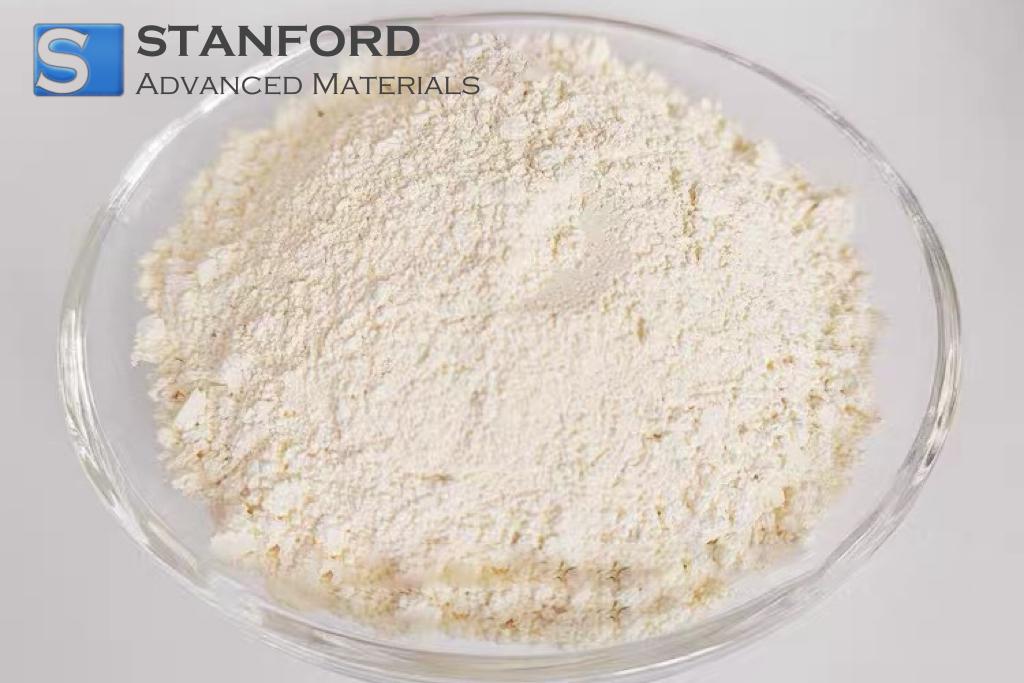
Form Powder

BP10993 is a low molecular weight PLGA 75:25 copolymer with standard lauryl ester termination, characterised by an intrinsic viscosity (IV) ≤ 0.18 dl/g and a molecular weight (Mw) ≤ 15 kDa. Compared to the 50:50 PLGA, the higher lactide ratio (75:25) confers this material with a longer degradation cycle and improved mechanical stability. The lauryl ester end group further enhances its hydrophobicity, providing more predictable and gradual degradation kinetics. This versatile material is engineered for industrial and biomedical applications requiring an extended duration of action or improved structural integrity. Stanford Advanced Materials (SAM) ensures consistent quality through controlled polymerisation processes, supporting sustainable and reproducible product development. Products with other specific molecular weight ranges or custom ester end groups are available upon request.

INQUIRY
Add to Compare
Description
Specification
Reviews

FAQ

What are the advantages of the 75:25 ratio compared to 50:50 PLGA?

The higher lactide ratio (75:25) results in a longer hydrolysis time for the ester bonds, leading to a slower degradation rate and a more extended functional lifespan in vivo or in the environment. This renders it suitable for applications requiring sustained release over weeks to months or providing longer-lasting structural support.

What is the specific contribution of the lauryl ester termination to this PLGA grade?

The lauryl ester termination enhances the polymer's hydrophobicity, allowing for better control over the initial water uptake phase, slowing down early-stage degradation, and improving compatibility with hydrophobic drugs, active ingredients, or matrices, thereby enabling a smoother release profile.

Is this material suitable for implantable medical devices?

Yes, due to its controllable degradation rate and good biocompatibility, PLGA 75:25 is commonly used as a base material or coating for manufacturing bioabsorbable implants such as sutures, bone fixation devices, and drug-eluting stents. Customers must perform complete biocompatibility assessments and validations according to the regulatory requirements of their target markets.

How does the low intrinsic viscosity (≤ 0.18 dl/g) benefit processing?

The low intrinsic viscosity ensures easy dissolution in common organic solvents (e.g., dichloromethane, acetone), reduces processing temperature requirements, and facilitates the formation of uniform films, microspheres, or fibre scaffolds via methods such as spraying, dip-coating, or electrospinning, making it particularly suitable for precision coating and microencapsulation processes.

Can you supply PLGA 75:25 with different molecular weights or end groups?

Yes. We offer a range of PLGA copolymers with varying monomer ratios, molecular weight ranges, and end-group functionalities (including acid-terminated and other ester terminations). Please contact our technical sales team to discuss your specific requirements.

REQUEST A QUOTE

Send us an inquiry today to learn more and receive the latest pricing. Thank you!

* Your Name
* Your Email
* Product Name
* Your Phone
* Country

United Kingdom

    Comments
    I would like to join the mailing list to receive updates from Stanford Advanced Materials.
    Please enclose drawings:

    Save files here or

    * Check Code
    Accepted file types: PDF, png, jpg, jpeg. Upload multiple files at once; each file must be under 2MB.
    Leave A Message
    Leave A Message
    * Your Name:
    * Your Email:
    * Product Name:
    * Your Phone:
    * Comments: