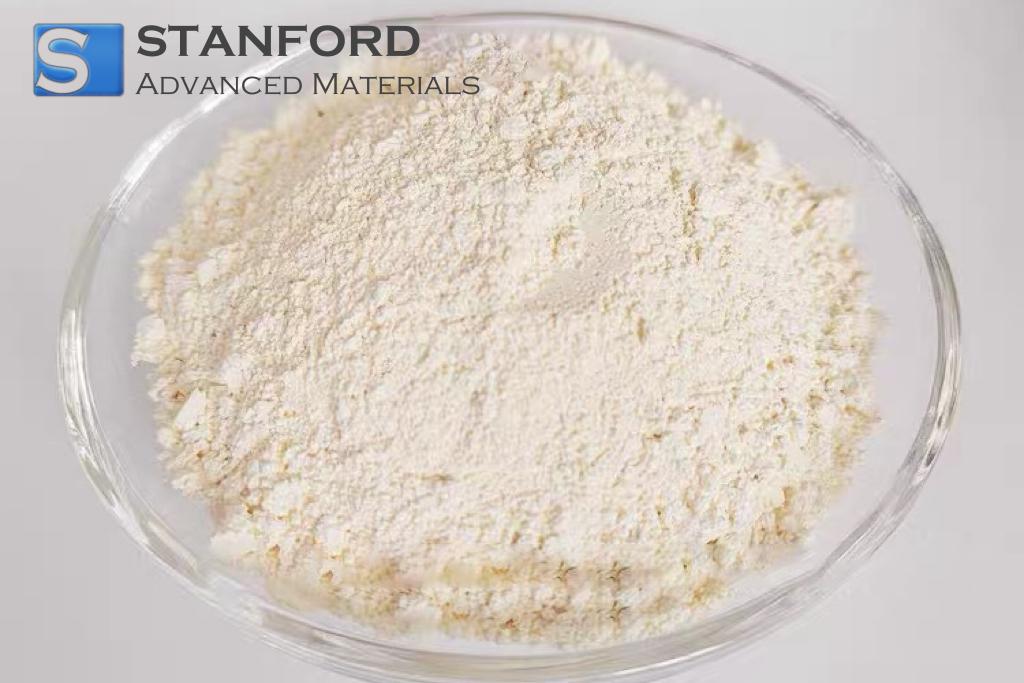
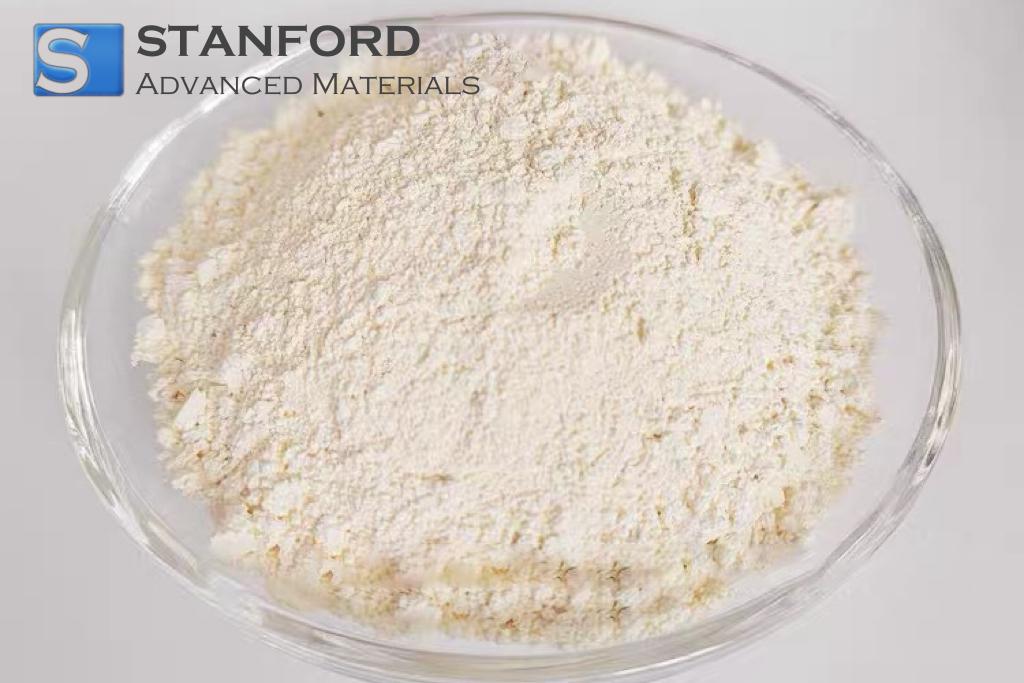
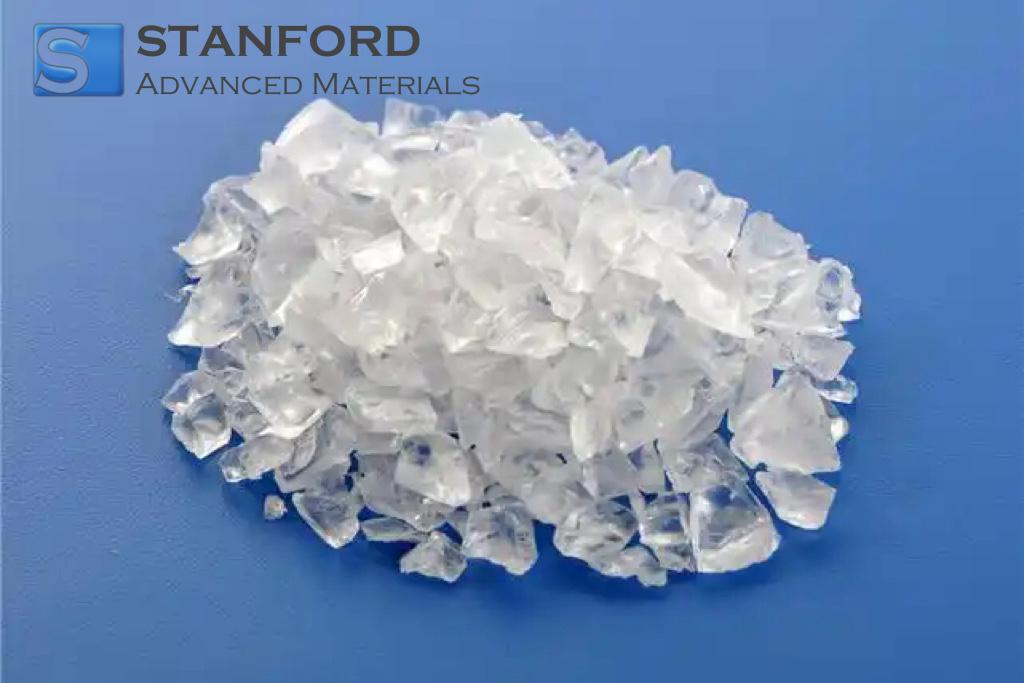
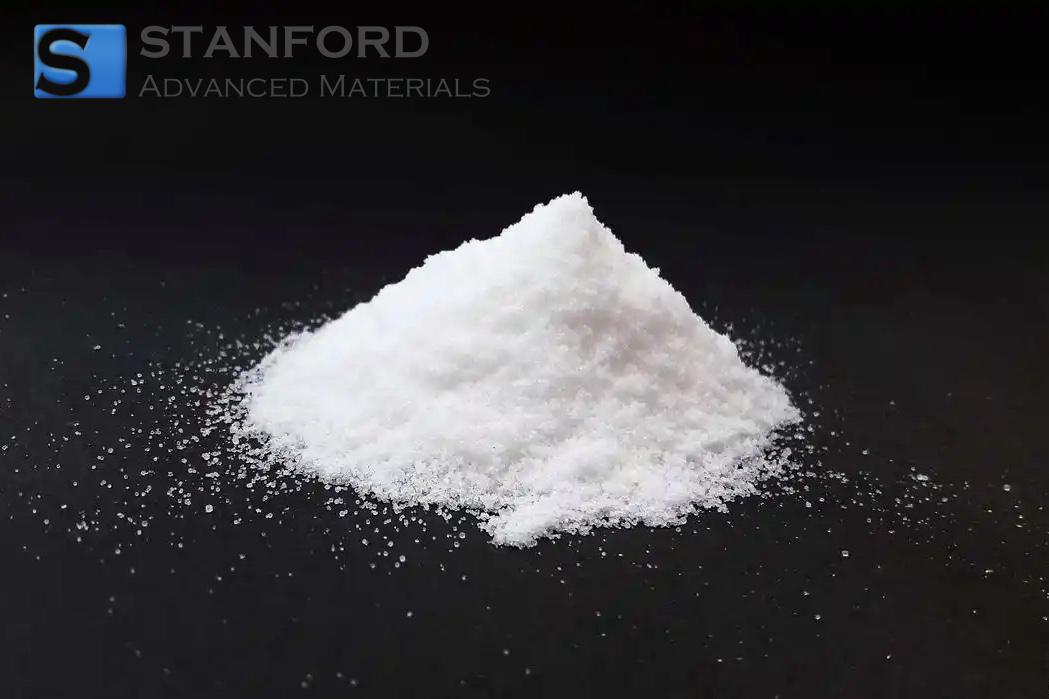
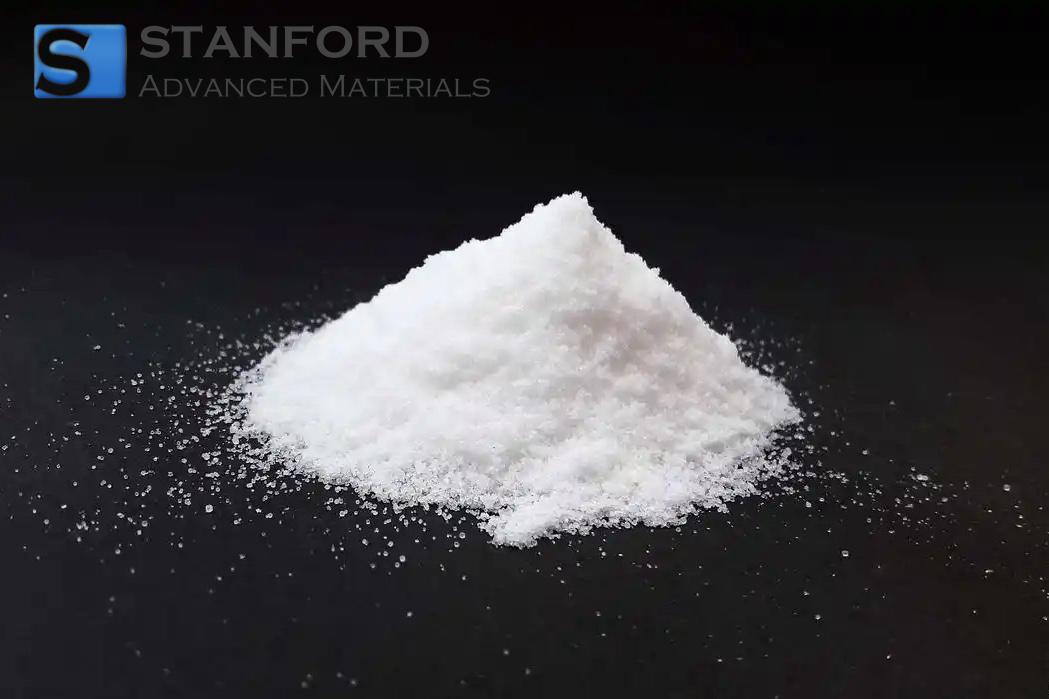
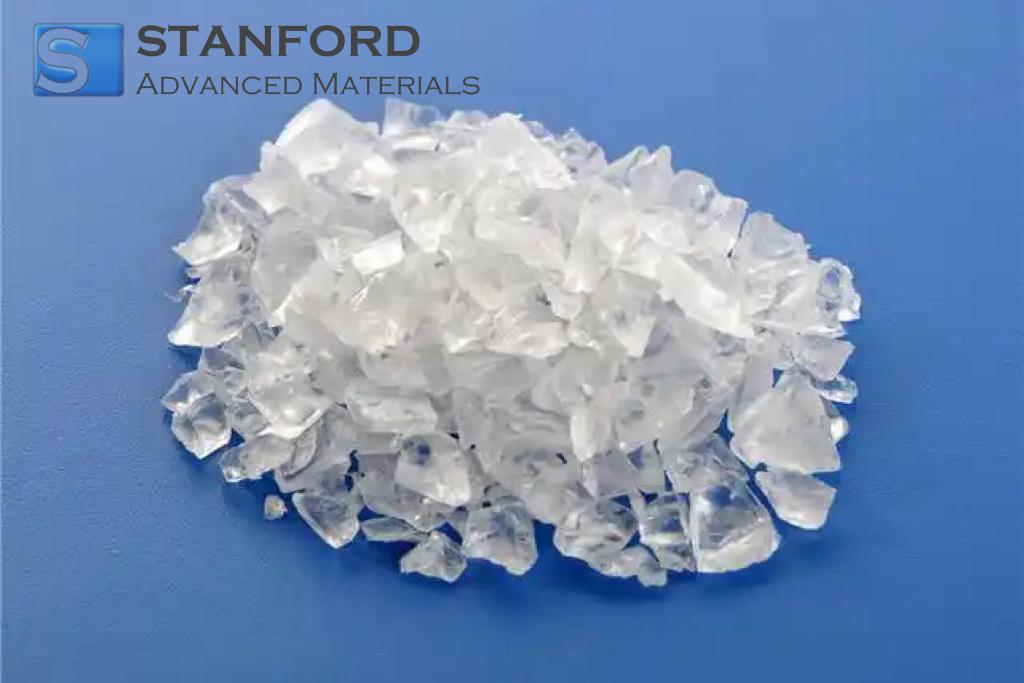
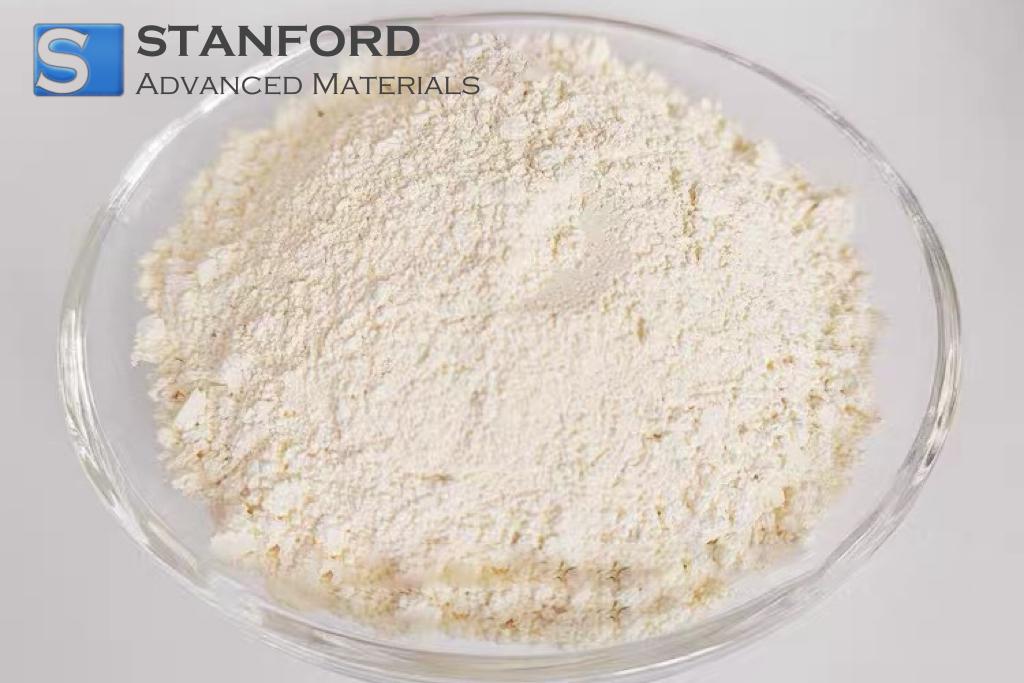
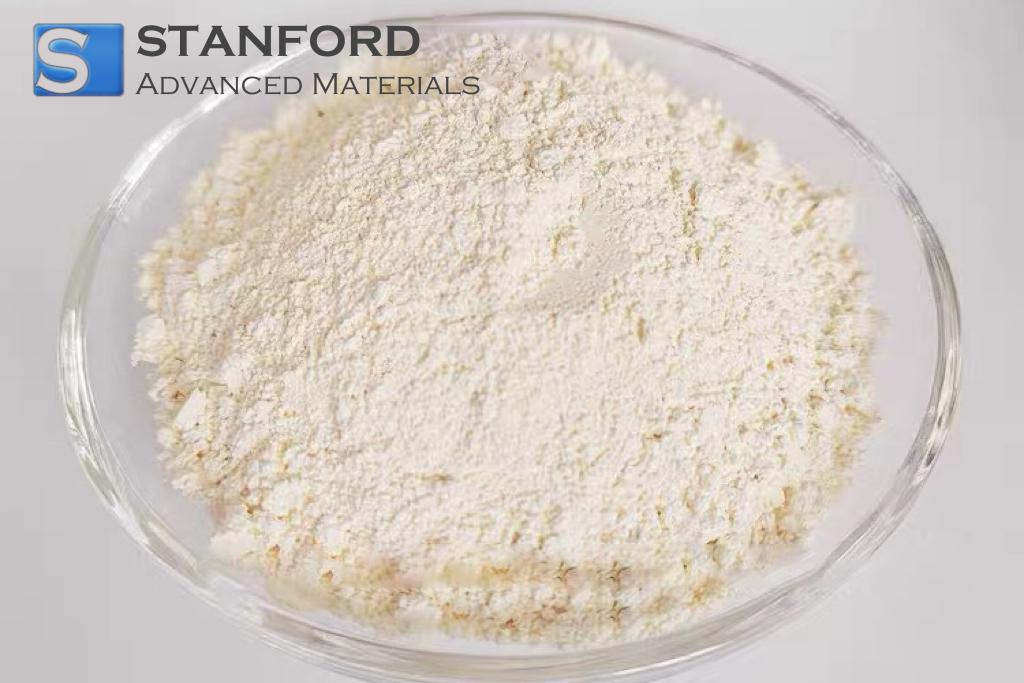
PLGA 75:25, Lauryl Ester Terminated, IV ≥ 0.75 dl/g, Mw ≥ 106 kDa Description
BP10995 is a lauryl ester-terminated PLGA 75:25 copolymer
defined by its high molecular weight (Mw ≥ 106 kDa) and corresponding high
intrinsic viscosity (IV ≥ 0.75 dl/g). This specification results in a material
with a prolonged degradation profile and increased mechanical performance. The
75:25 monomer ratio establishes a foundation for slower hydrolysis, while the
extended polymer chain length further delays the loss of structural integrity.
The lauryl ester end group provides an additional layer of hydrophobicity for
precise degradation kinetics control. This combination makes it an ideal choice
for formulators and engineers designing systems where longevity and sustained
performance are key parameters.
PLGA 75:25, Lauryl Ester Terminated, IV ≥ 0.75 dl/g, Mw ≥ 106 kDa
Applications
1.
Long-Term Biomedical Implants & Devices
- Matrix material for bioresorbable orthopedic implants (e.g., screws, pins,
plates) designed to provide mechanical support throughout extended healing
processes.
- Fabrication of implants for sustained drug delivery over periods of
several months to a year or more.
2.
Advanced Drug Delivery Systems
- Core polymer for creating microspheres, rods, or films aimed at
ultra-sustained release of active pharmaceutical ingredients (APIs).
- Component in implantable delivery devices or reservoirs requiring stable,
slow-eroding polymer walls.
3.
Durable Biodegradable Materials
- Used in the development of high-strength, biodegradable composites for
specialised industrial or environmental applications where slow breakdown is
desired.
- As a robust binder or coating in applications demanding both functional
longevity and ultimate biodegradability.
PLGA 75:25, Lauryl Ester Terminated, IV ≥ 0.75 dl/g, Mw ≥ 106 kDa Packing
To ensure stability, the product is packaged under a
protective atmosphere in high-barrier, moisture-proof aluminium foil bags with
desiccant. These are further secured within rigid outer containers. We offer
this specialised packaging in sizes suitable for research through to
production-scale volumes.
Additional Information
The high molecular weight variant of PLGA 75:25 addresses
application needs distinct from those met by lower Mw grades, focusing on
extended temporal performance and enhanced mechanical demands. Its properties
are the result of targeted polymerisation control.
Stanford Advanced Materials (SAM) provides dedicated
technical support for projects utilising this high Mw PLGA, including
assistance with grade selection, formulation challenges, and custom synthesis
inquiries.
Regulatory Note: This material is intended for
use in industrial and biomedical product development. Its incorporation into
medical devices or implants requires thorough biocompatibility and performance
testing specific to the intended application, in accordance with all relevant
regulatory standards (e.g., ISO 10993, FDA, CE MDR). Compliance is the
responsibility of the end-user.


 Products
 Bars
Bars
 Beads & Spheres
 Bolts & Nuts
 Crucibles
 Discs
Discs
 Fibers & Fabrics
 Films
Films
 Flake
Flake
 Foams
Foams
 Foil
Foil
 Granules
 Honeycombs
 Ink
Ink
 Laminate
 Lumps
Lumps
 Meshes
 Metallised Film
 Plate
Plate
 Powders
 Rod
Rod
 Sheets
 Single Crystals
 Sputtering Target
 Tubes
Tubes
 Washer
 Wires
Wires
 Converters & Calculators
 Write for Us