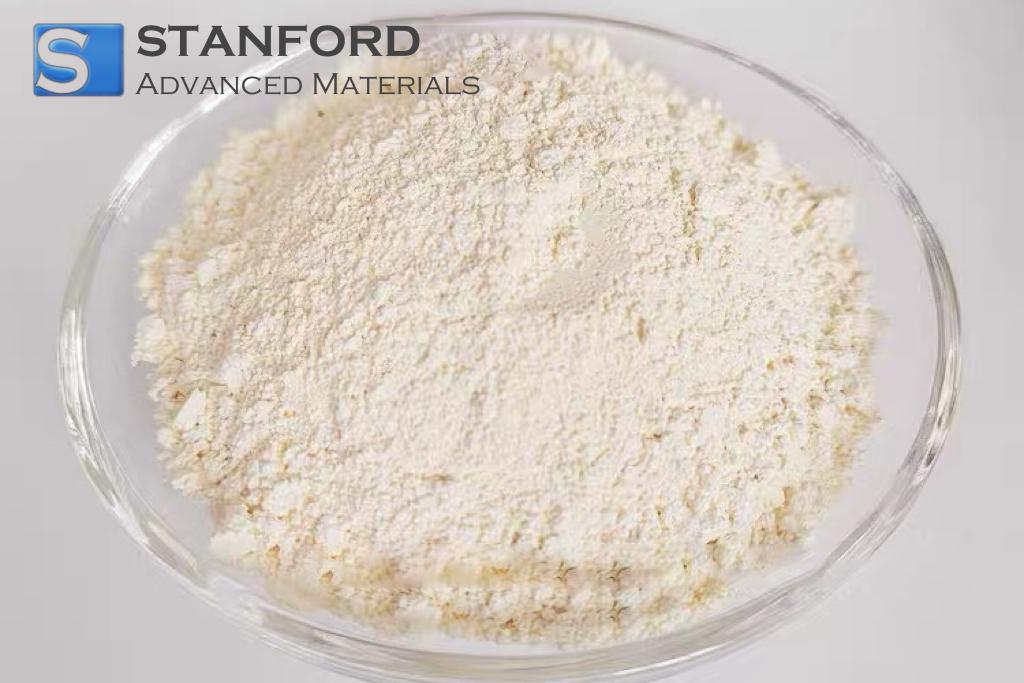
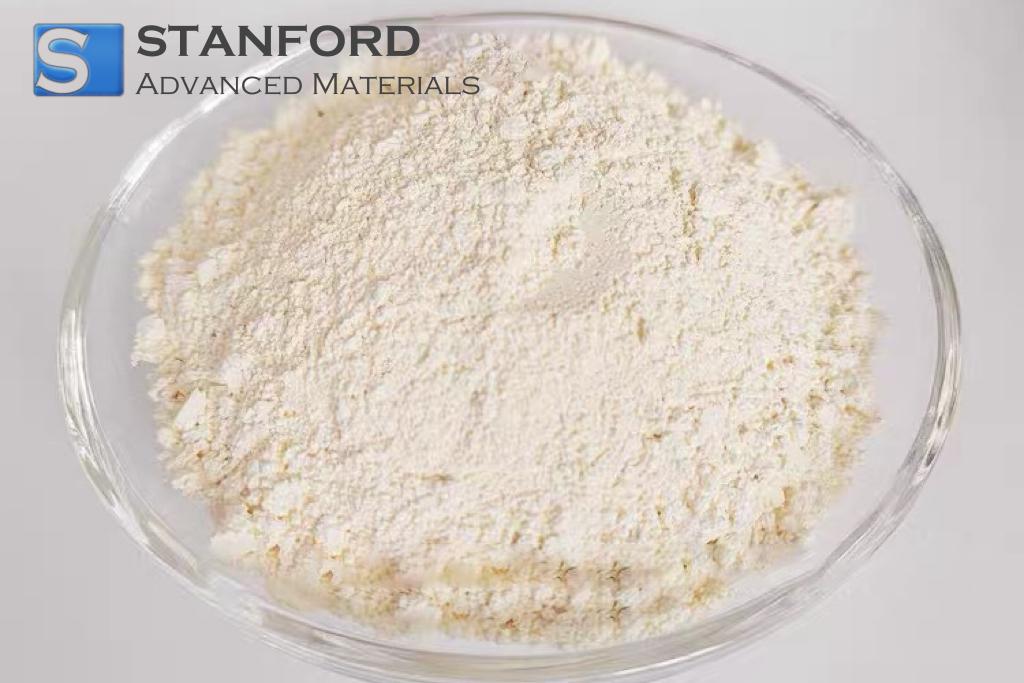
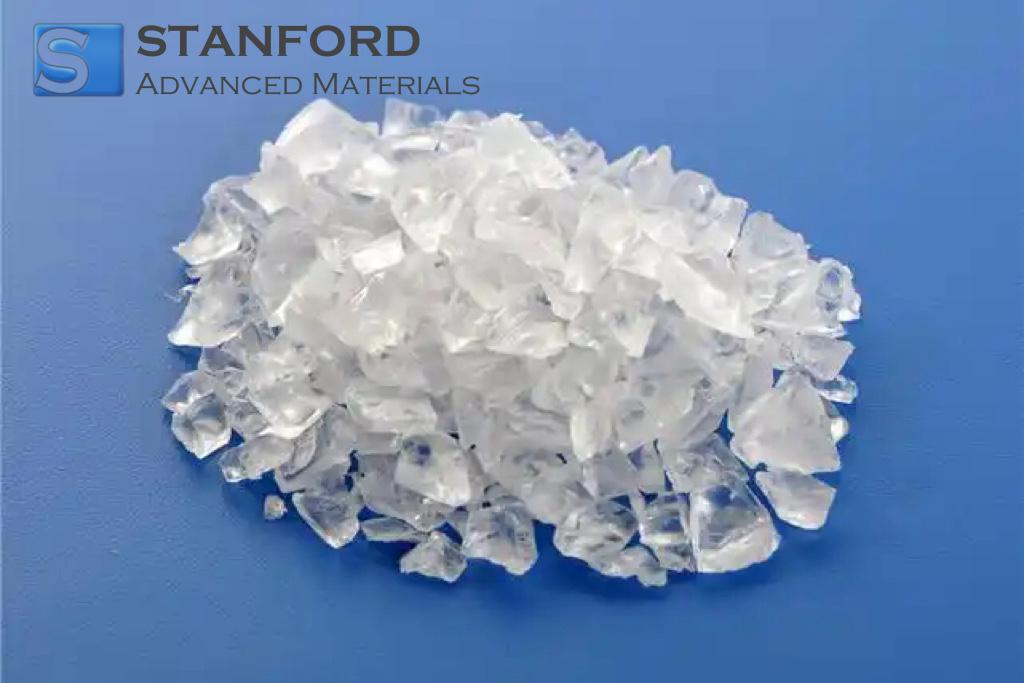
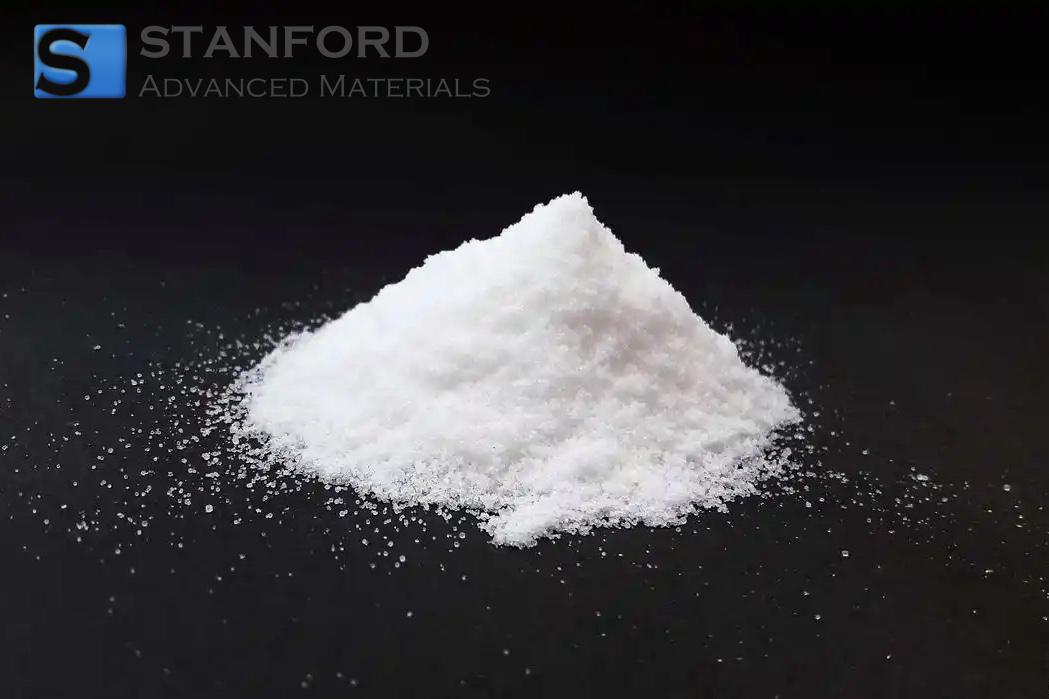
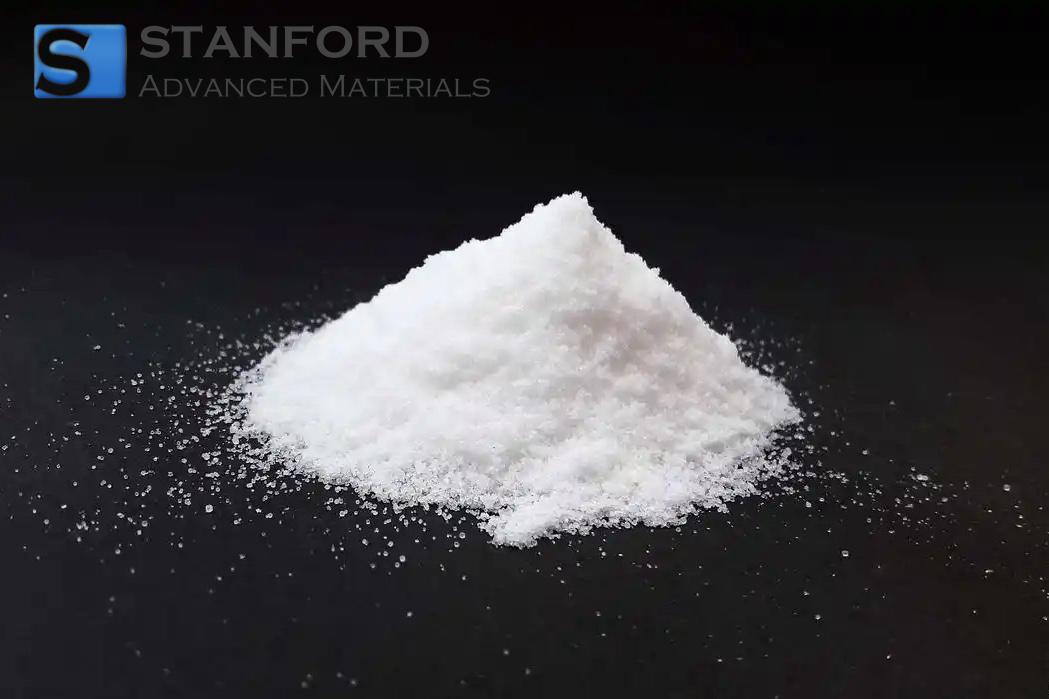
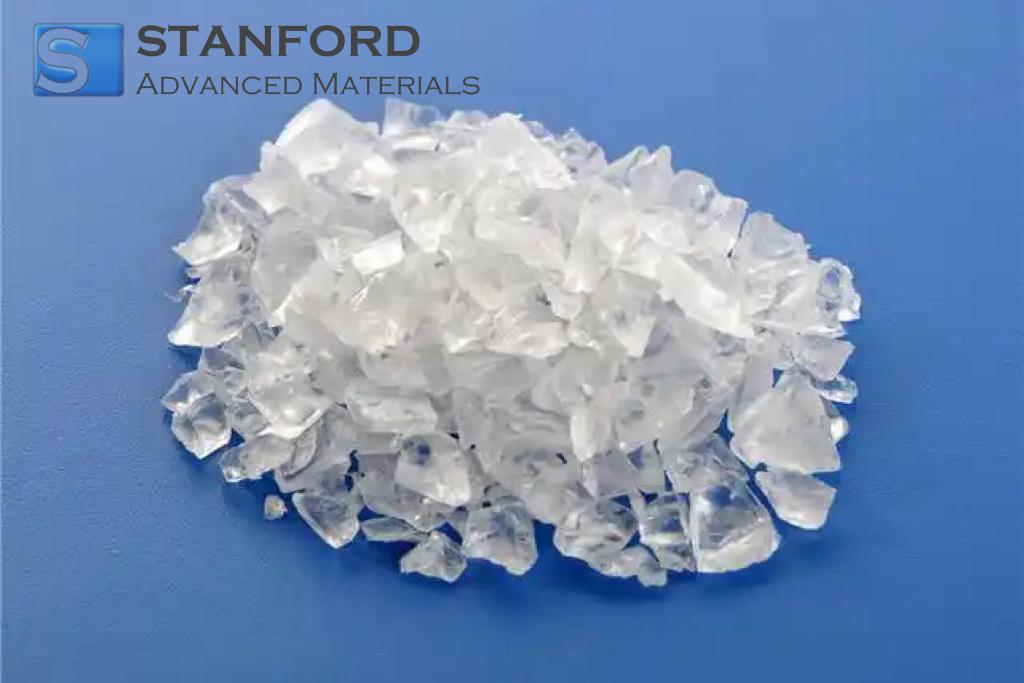
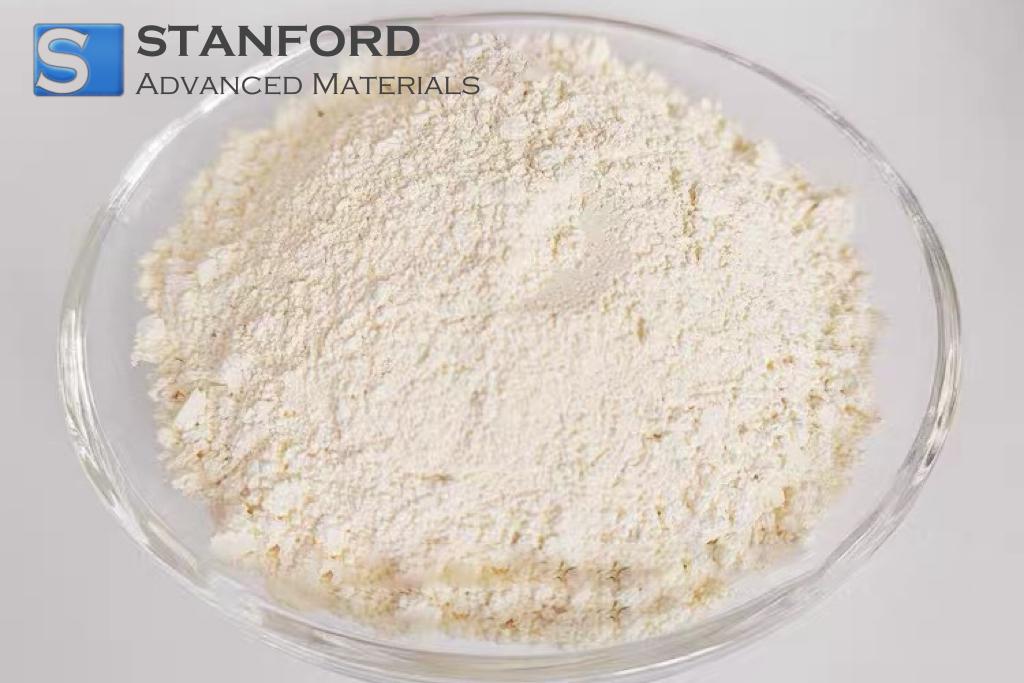
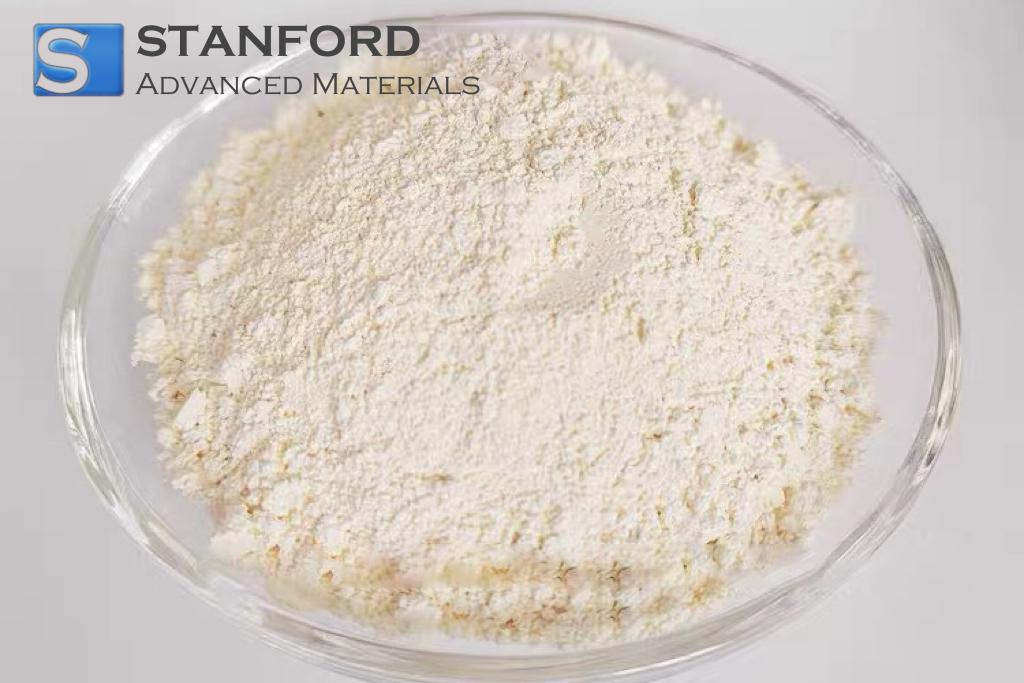
PLGA 75:25, Hydroxyl Terminated, IV: 0.18–0.75 dl/g, Mw: 15–106 kDa
Description
BP10997 is a hydroxyl-terminated PLGA 75:25 copolymer
engineered within a medium-to-high molecular weight spectrum (Mw 15–106 kDa, IV
0.18–0.75 dl/g). This material merges the extended degradation profile and
mechanical characteristics of higher Mw PLGA 75:25 with the distinctive hydrophilic
and chemically reactive properties imparted by the terminal hydroxyl groups. It
enables the fabrication of constructs that maintain integrity over extended
periods while offering compatibility with aqueous environments and providing anchor
points for biomolecule conjugation or polymer network formation. This combination makes it a tool for developing functional biodegradable materials.
PLGA 75:25, Hydroxyl Terminated, IV: 0.18–0.75 dl/g, Mw: 15–106 kDa
Applications
Biomedical Devices
- Used as a matrix in drug delivery systems to achieve gradual release by
leveraging its biodegradable properties. This application minimises burst
release while supporting patient safety.
- Applied in tissue engineering scaffolds to promote cell adhesion and
controlled degradation. Its hydrolytic breakdown aligns with tissue
regeneration requirements.
Research and Development
- Serves as a model polymer for studying biodegradation kinetics in
bioresorbable devices. The consistent molecular weight range facilitates
reproducible experimental conditions.
- Used in formulation studies to assess polymer-drug interactions, enabling
optimisation of delivery profiles through controlled polymer architecture.
PLGA 75:25, Hydroxyl Terminated, IV: 0.18–0.75 dl/g, Mw: 15–106 kDa Packing
The product is securely packaged in moisture-barrier, sealed
pouches to prevent contamination and hydrolysis. Each package is contained in
rigid, insulated boxes to minimise temperature fluctuations during transit and
storage. Customised options such as bulk packaging or smaller units are
available. Storage in a cool, dry environment is recommended to preserve
polymer integrity and performance.
Additional Information
The hydroxyl termination fundamentally differentiates this
PLGA grade, shifting its property profile towards hydrophilicity and chemical
reactivity. Combined with the 75:25 monomer ratio, it occupies a distinct
niche, offering a balance of sustained degradation and functional handle ideal
for water-compatible formulations.
Stanford Advanced Materials (SAM) is committed to providing
high-performance, specialised polymer solutions. Our technical team is
available to support your material selection and collaborate on custom
synthesis projects to meet unique application needs.
Regulatory Note: This material is designed for
industrial and consumer applications. It is the customer's responsibility to
ensure compliance with all applicable safety and regulatory requirements for
their intended use, especially for applications involving prolonged human or
environmental exposure.


 Products
 Bars
Bars
 Beads & Spheres
 Bolts & Nuts
 Crucibles
 Discs
Discs
 Fibers & Fabrics
 Films
Films
 Flake
Flake
 Foams
Foams
 Foil
Foil
 Granules
 Honeycombs
 Ink
Ink
 Laminate
 Lumps
Lumps
 Meshes
 Metallised Film
 Plate
Plate
 Powders
 Rod
Rod
 Sheets
 Single Crystals
 Sputtering Target
 Tubes
Tubes
 Washer
 Wires
Wires
 Converters & Calculators
 Write for Us