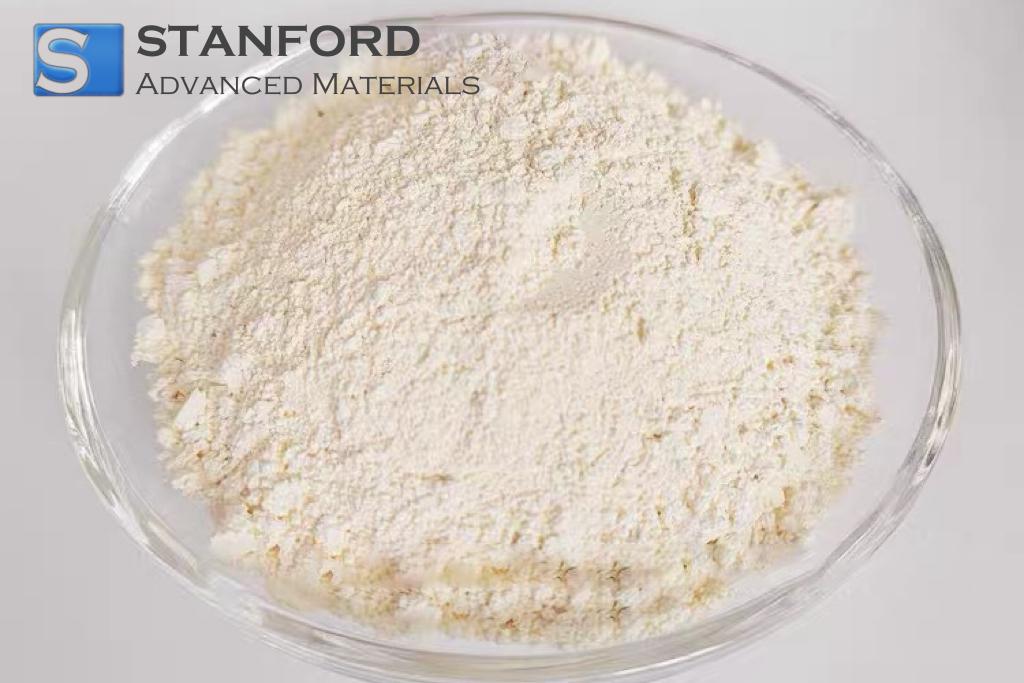
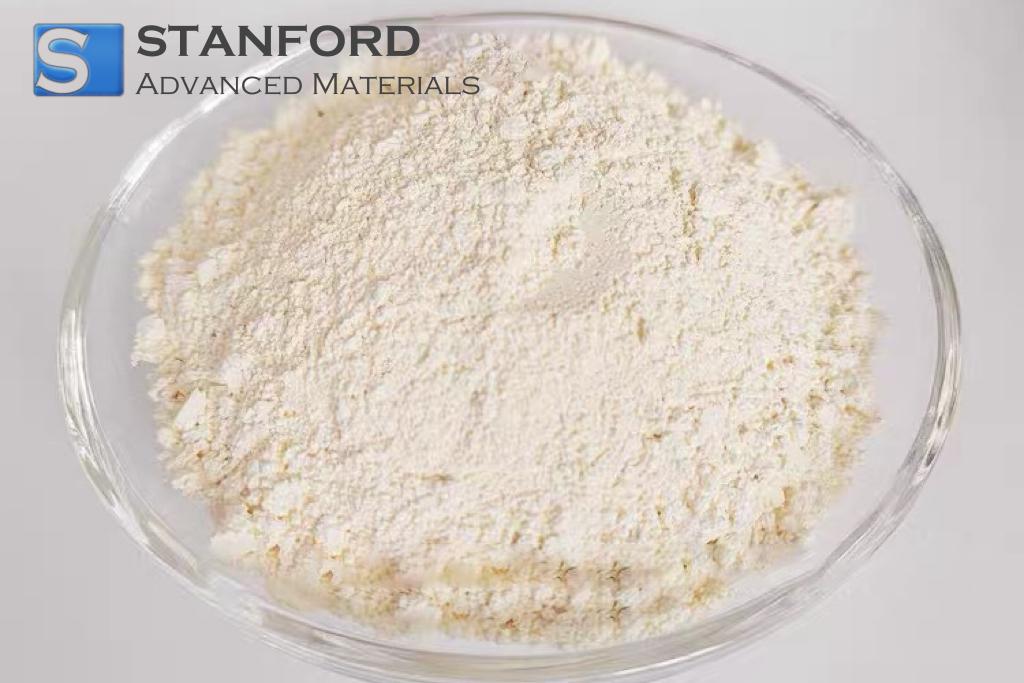
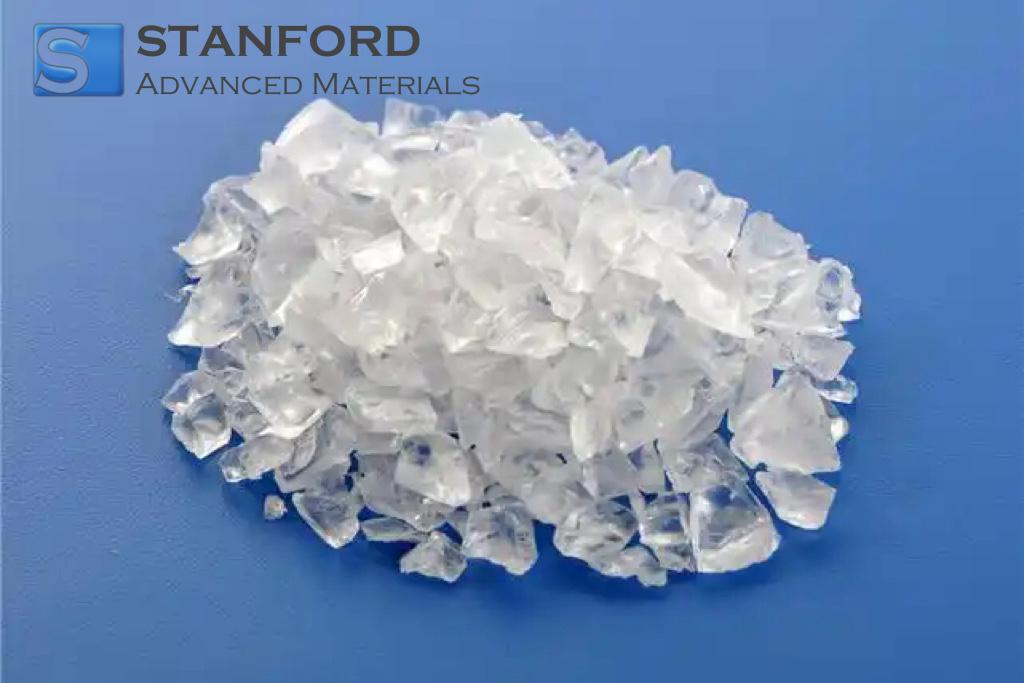
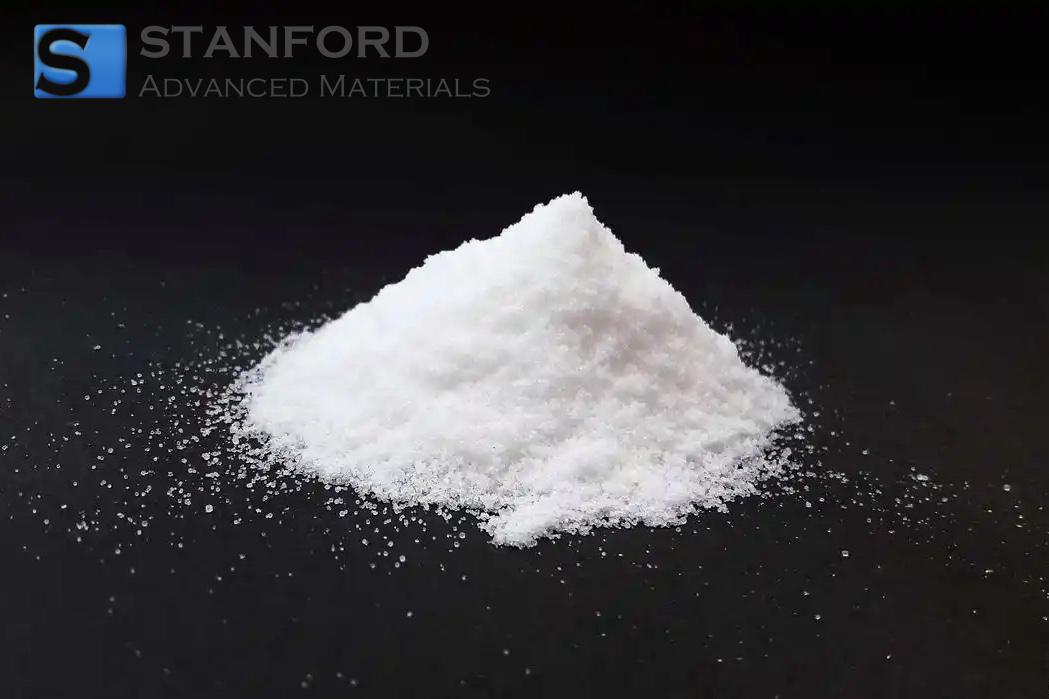
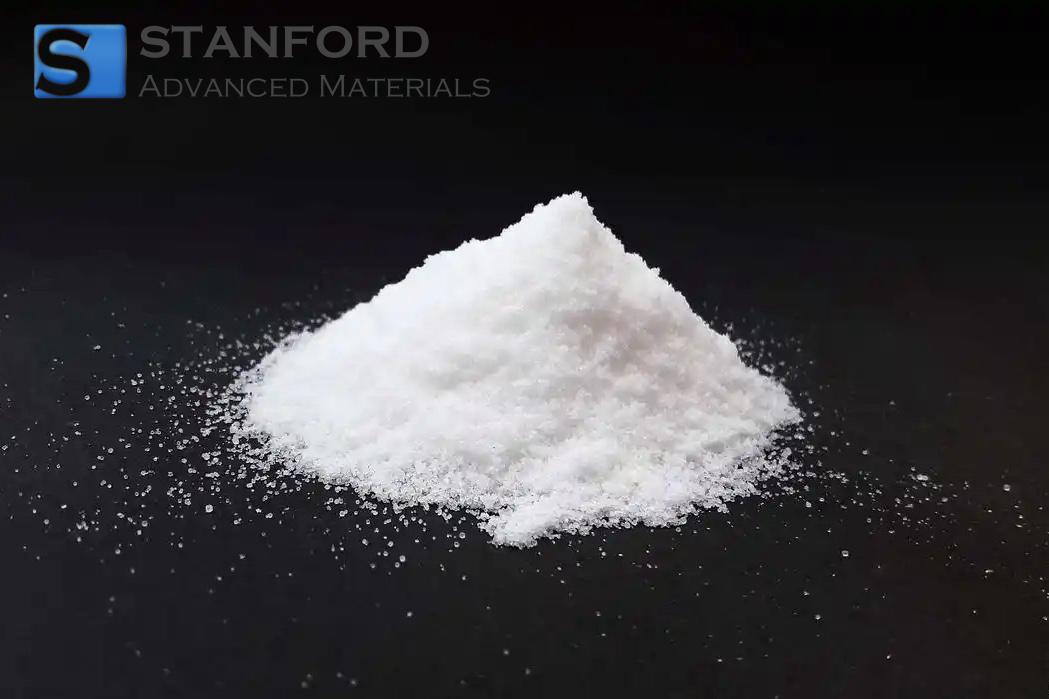
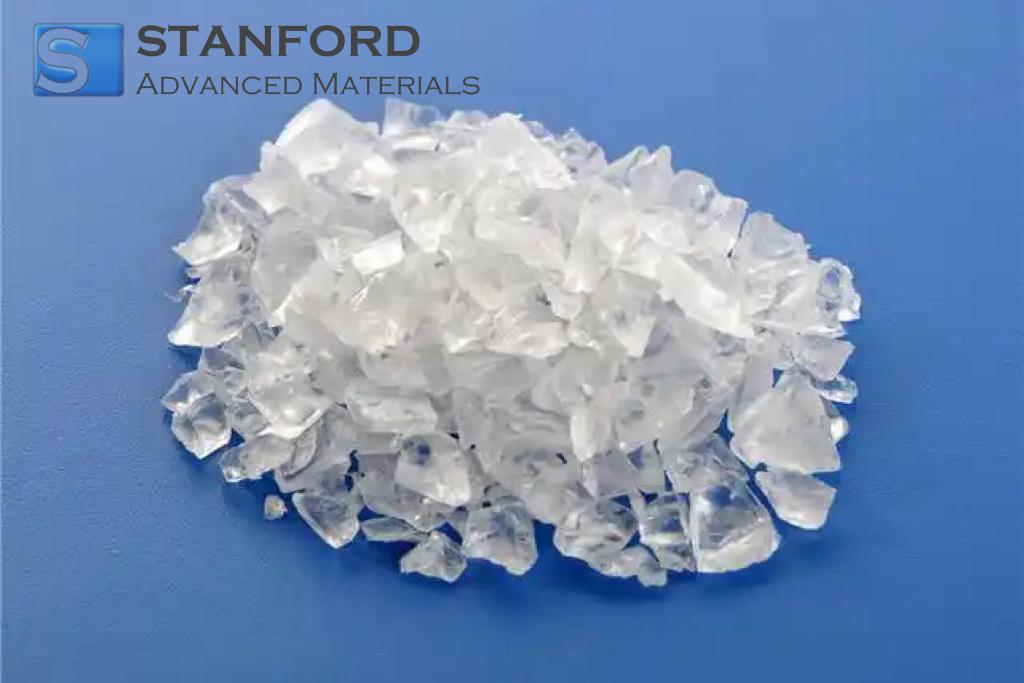
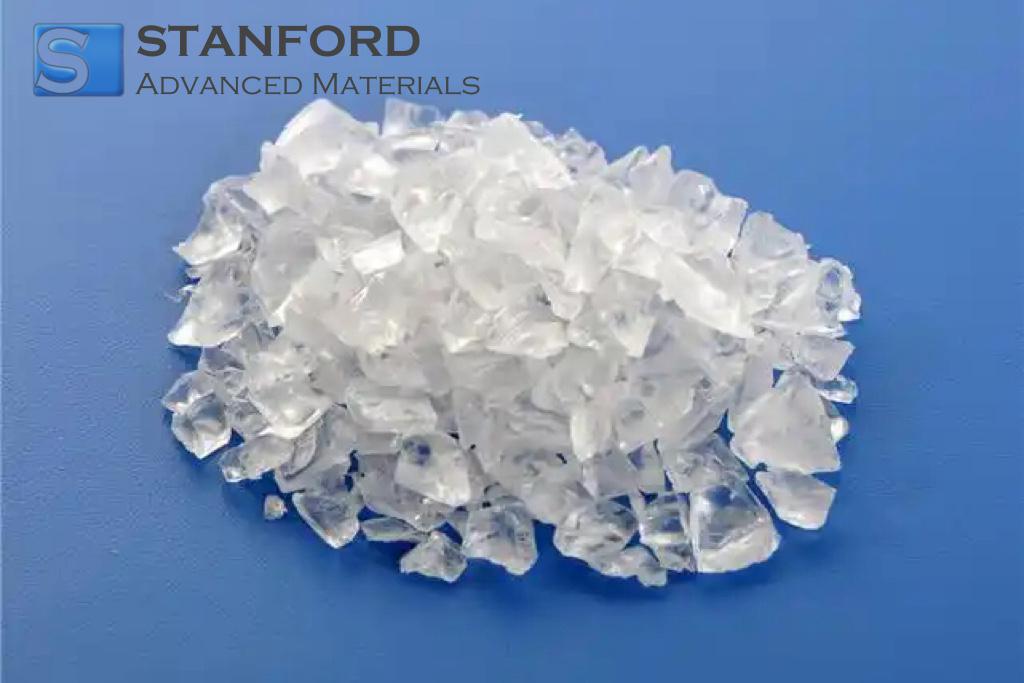
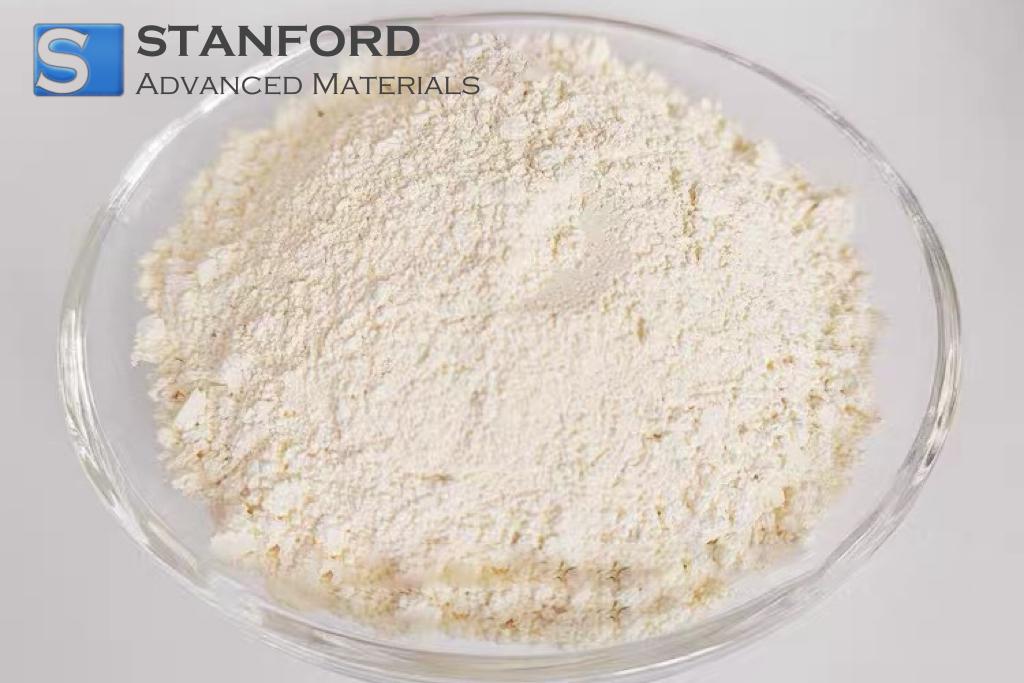
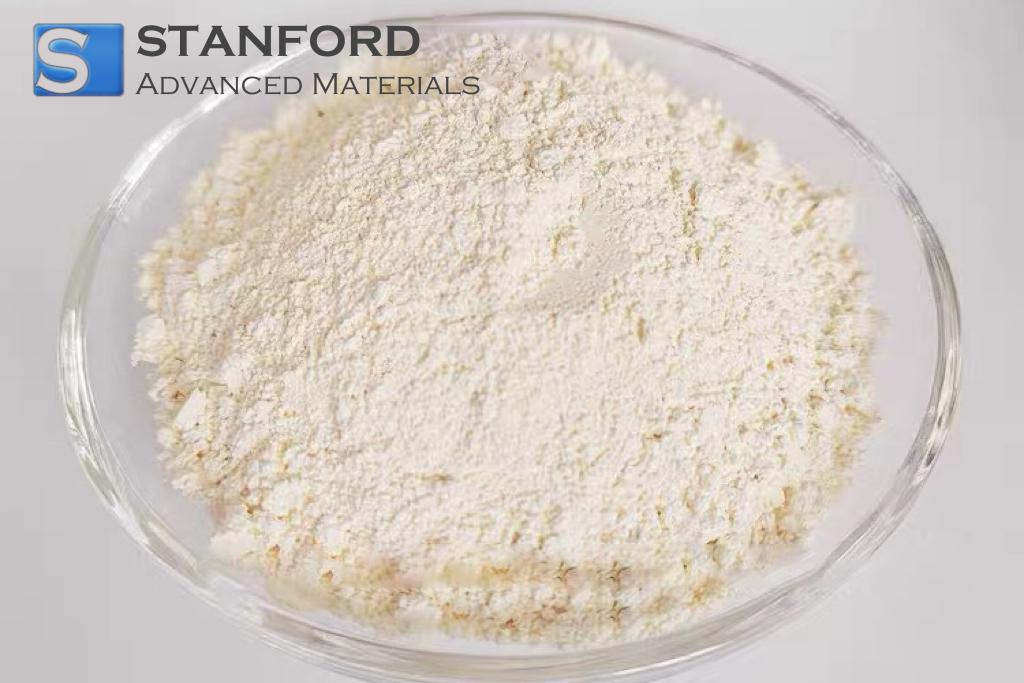
PLGA 75:25, Hydroxyl Terminated, IV ≥ 0.75 dl/g, Mw ≥ 106 kDa Description
BP10998 represents a high-performance grade of
hydroxyl-terminated PLGA 75:25, characterised by its high intrinsic viscosity
(IV ≥ 0.75 dl/g) and molecular weight (Mw ≥ 106 kDa). This combination yields a
polymer with mechanical strength, melt viscosity, and solution viscosity, suitable for processing into structures. The 75:25 lactide:glycolide ratio provides a balance between degradation duration and mechanical integrity. The terminal hydroxyl groups moderate surface hydrophobicity and serve as sites for chemical
modification, enabling the covalent attachment of bioactive agents or the
synthesis of block copolymers. This material is engineered for applications where longevity, durability, and chemical functionality are vital.
PLGA 75:25, Hydroxyl Terminated, IV ≥ 0.75 dl/g, Mw ≥ 106 kDa Applications
1.
Healthcare
- Utilised as an implant scaffold in controlled drug delivery systems to achieve
sustained therapeutic release by leveraging predictable hydrolysis kinetics.
- Applied as a matrix in biodegradable sutures to promote gradual tissue
integration by utilising its consistent degradation profile.
2.
Biomedical Research
- Serves as a substrate for in vitro cell culture studies to simulate tissue
environments by employing its tunable erosion properties.
- Frequently used in tissue engineering to support scaffold structure during
regeneration by capitalising on its biocompatible composition.
PLGA 75:25, Hydroxyl Terminated, IV ≥ 0.75 dl/g, Mw ≥ 106 kDa Packing
The product is securely packaged in multi-layer,
moisture-barrier, vacuum-sealed aluminised pouches to prevent hydrolysis and
oxidative degradation. Primary pouches are then placed within rigid, insulated
secondary containers with desiccant to reduce exposure to temperature
fluctuations and physical shock during transit and storage. Custom packaging
options, including bulk drums, controlled atmosphere packaging, or small
aliquot sizes, are available upon request. For optimal shelf-life, store in a
freezer (-20 °C) or at minimum in a cool, dry environment (≤ 4 °C).
Additional Information
This high molecular weight, hydroxyl-terminated PLGA 75:25
occupies a strategic niche in the biomaterials portfolio. It transcends the
role of a biodegradable polymer by offering a durable and chemically
versatile platform. The degradation timeline, governed by its high Mw
and 75:25 composition, is coupled with the synthetic utility of the
hydroxyl end-group. This allows researchers and engineers to design devices that can persist in the body for predefined,
lengthy durations and can be tailored to interact with their
biological surroundings in precise ways.
Stanford Advanced Materials (SAM) is dedicated to providing
high-specification, consistent polymer solutions. Our technical support team is
available to assist with grade selection, processing guidance, and discussions
around custom synthesis to meet the demands of your innovative
projects.
Regulatory Note: This material is designed for
industrial and consumer applications. It is the customer's responsibility to
ensure compliance with all applicable safety and regulatory requirements for
their intended use, especially for applications involving prolonged human or
environmental exposure.


 Products
 Bars
Bars
 Beads & Spheres
 Bolts & Nuts
 Crucibles
 Discs
Discs
 Fibers & Fabrics
 Films
Films
 Flake
Flake
 Foams
Foams
 Foil
Foil
 Granules
 Honeycombs
 Ink
Ink
 Laminate
 Lumps
Lumps
 Meshes
 Metallised Film
 Plate
Plate
 Powders
 Rod
Rod
 Sheets
 Single Crystals
 Sputtering Target
 Tubes
Tubes
 Washer
 Wires
Wires
 Converters & Calculators
 Write for Us