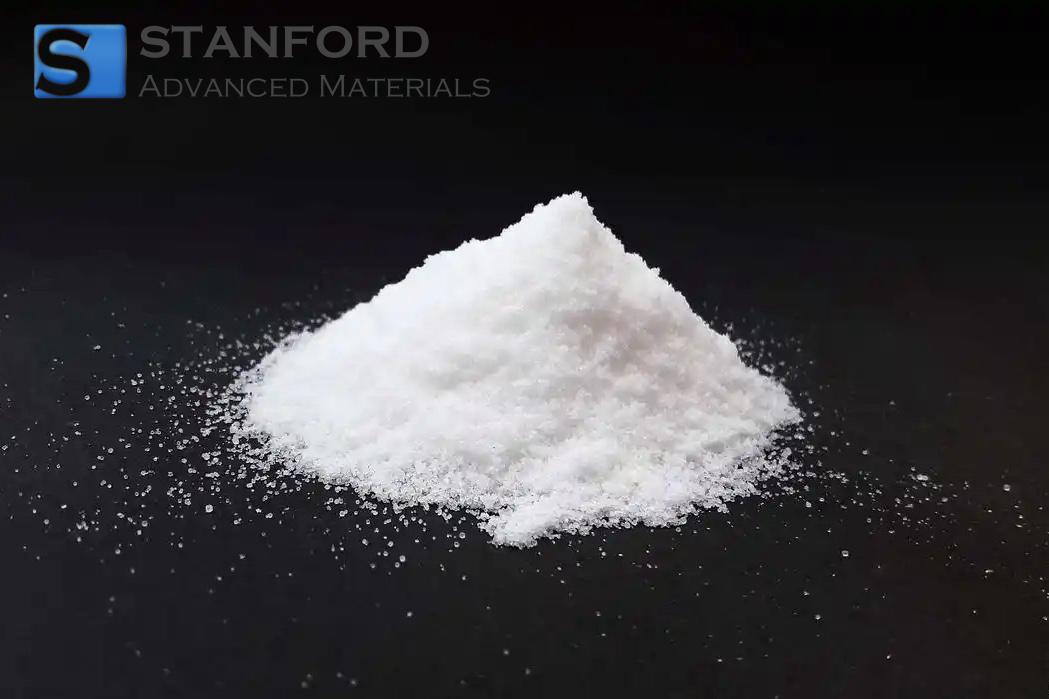
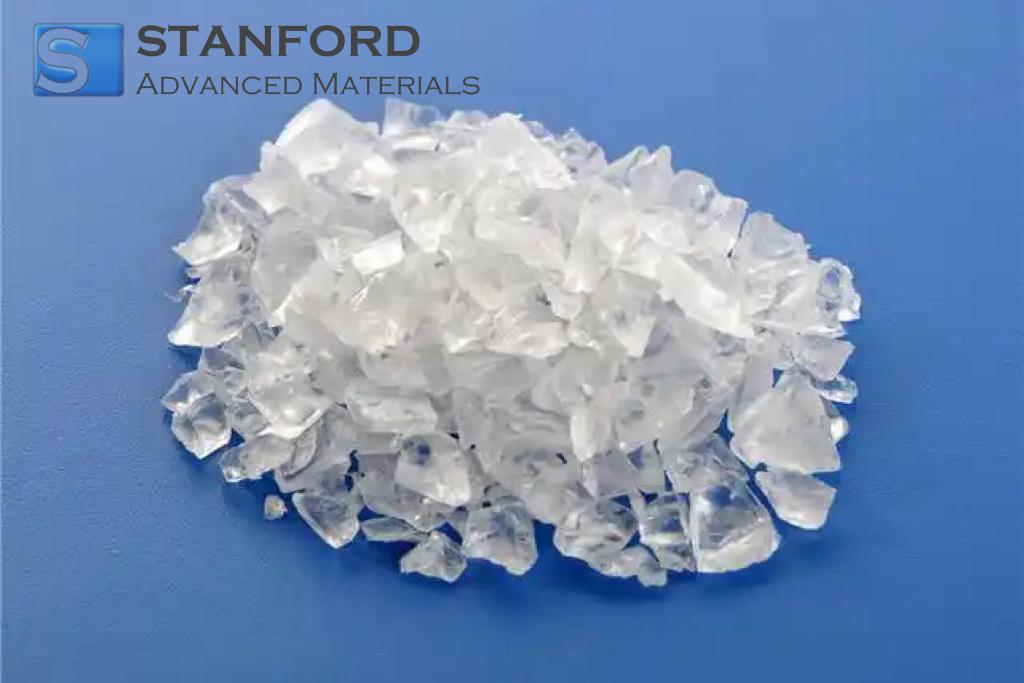
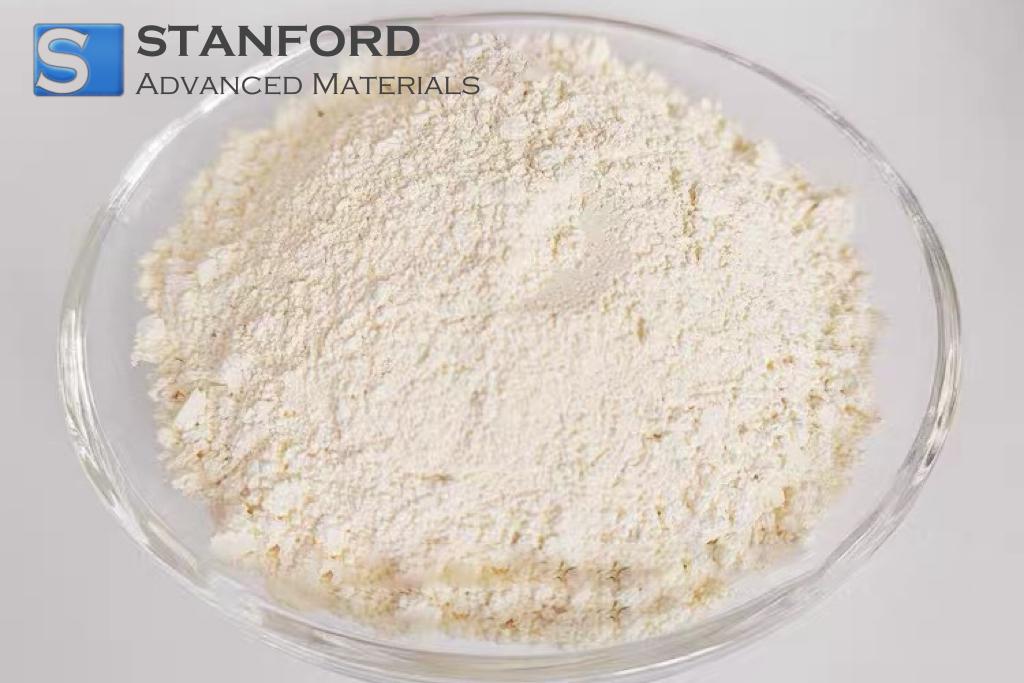
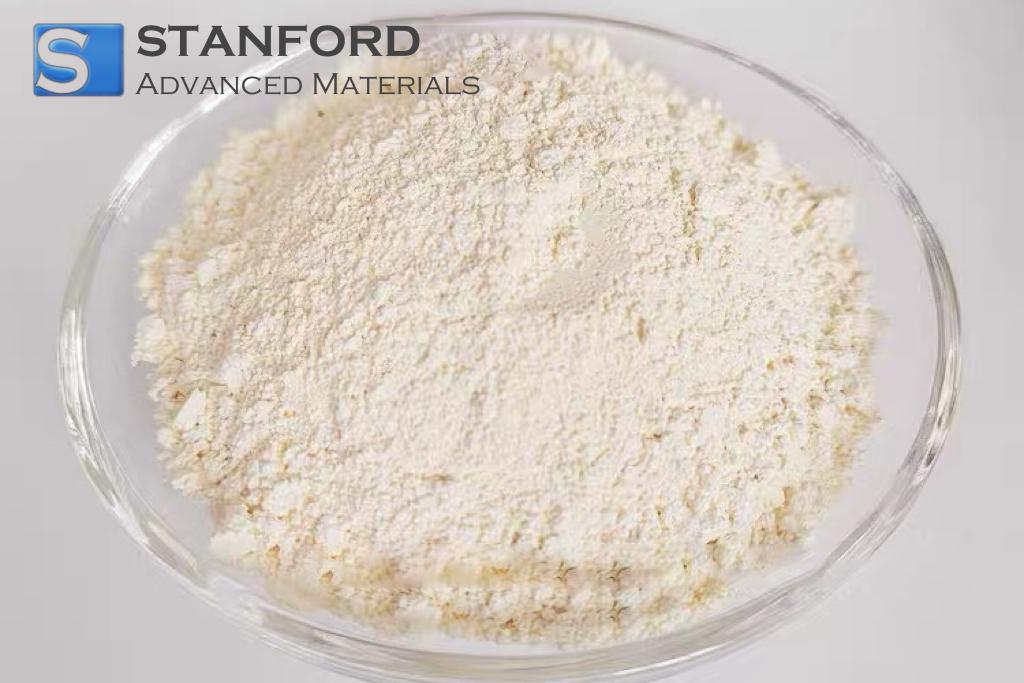
PLGA 75:25, Carboxyl-Terminated, IV: 0.18–0.75 dl/g, Mw: 15–106 kDa
Description
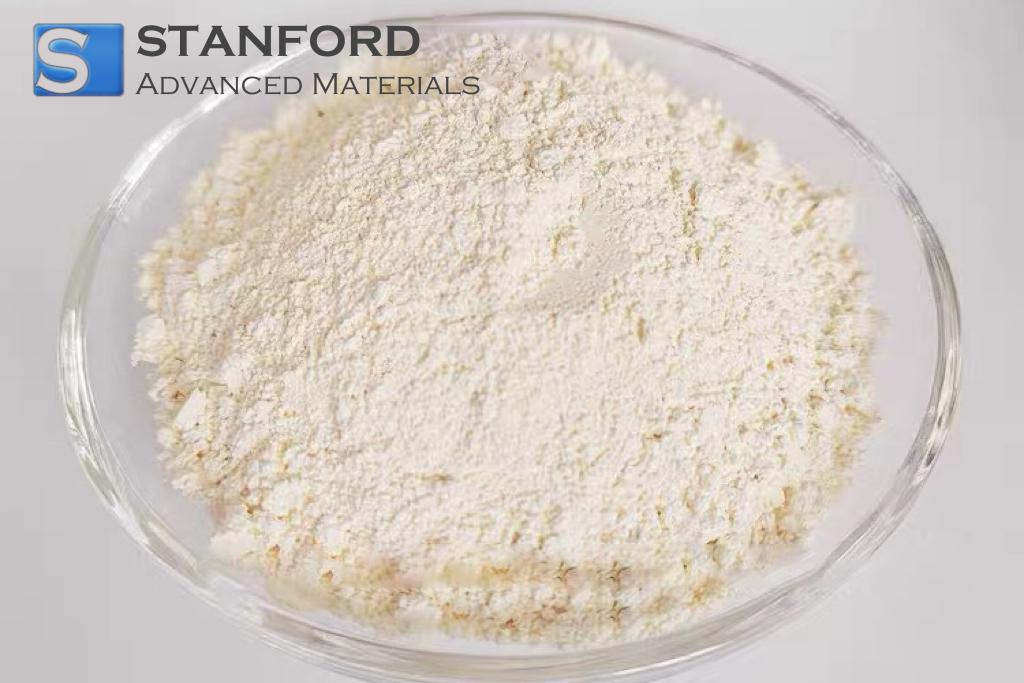
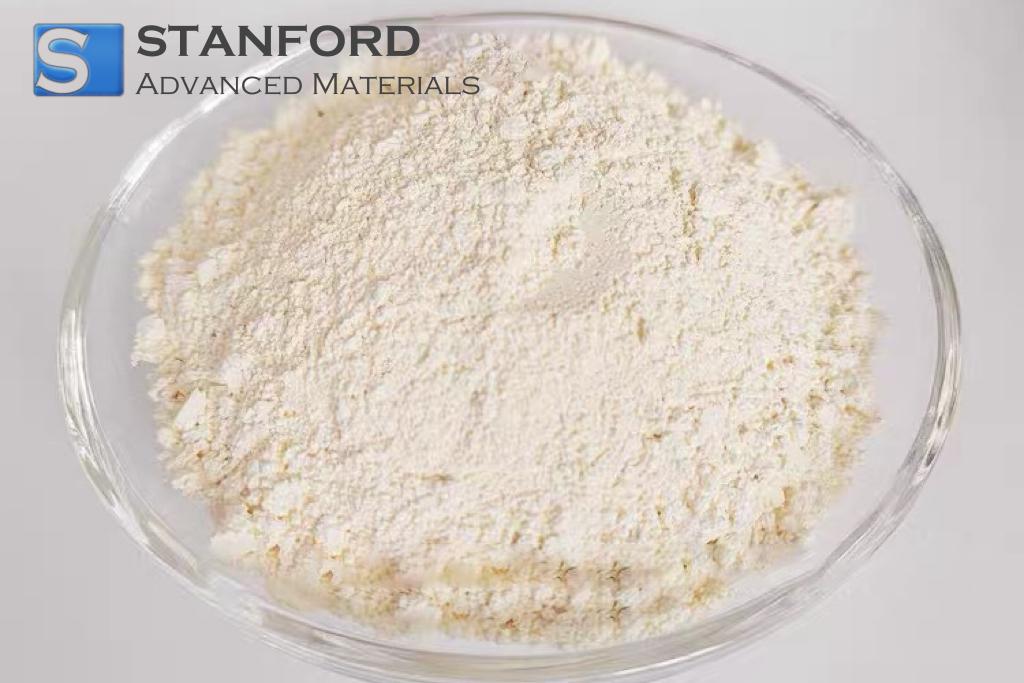
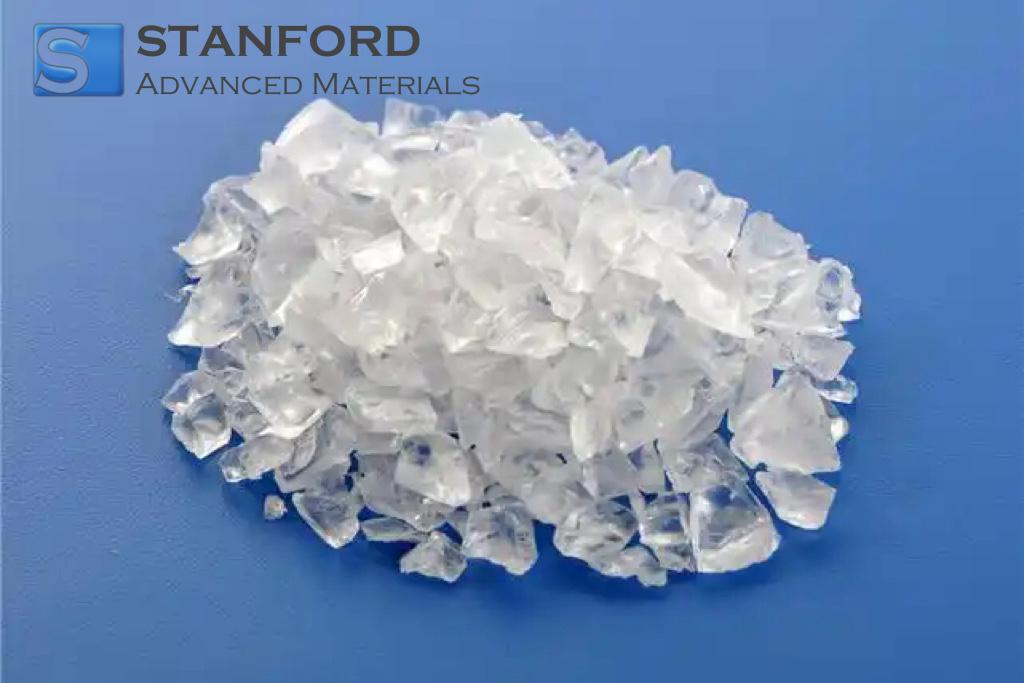
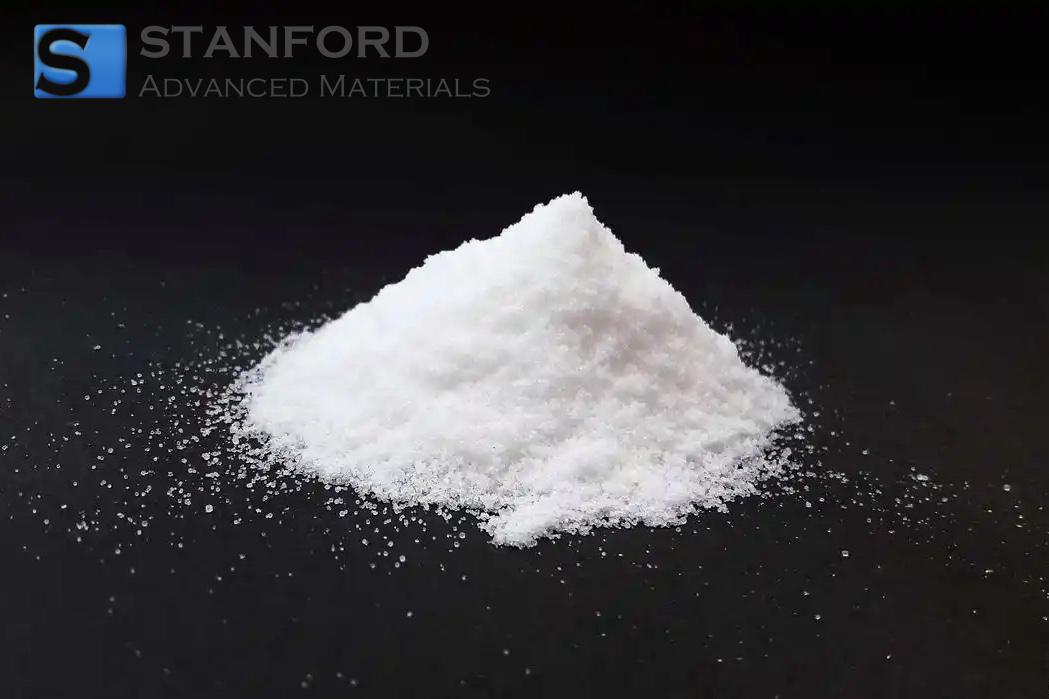
BP11000 is a carboxyl-terminated PLGA 75:25 copolymer
engineered across a broad molecular weight (15–106 kDa) and intrinsic viscosity
(0.18–0.75 dl/g) range. This combination provides a versatile platform for
designing materials with tailored degradation rates, mechanical properties, and
processing characteristics. The carboxyl end group enhances hydrophilicity,
accelerates early-stage hydrolysis, and serves as a reactive handle for
covalent modification—enabling the conjugation of drugs, peptides, or
crosslinkers. Suitable for both research and advanced product development, it
supports the creation of sophisticated, resorbable biomedical systems.
PLGA 75:25, Carboxyl-Terminated, IV: 0.18–0.75 dl/g, Mw: 15–106 kDa
Applications
1.
Controlled Drug Delivery Systems
- Used as a matrix in microspheres, implants, or injectable
depots for sustained release of therapeutics over weeks to months.
- Functionalised via carboxyl groups to conjugate targeting ligands or
prodrugs for enhanced specificity and efficacy.
2.
Tissue Engineering & Regenerative Scaffolds
- Fabricated into porous scaffolds for bone, cartilage, or soft tissue
repair, with degradation rates matched to tissue ingrowth.
- Surface-modified via carboxyl groups to improve cell adhesion,
proliferation, and differentiation.
3.
Functional Coatings & Biointerfaces
Applied as a hydrophilic, degradable coating on medical
devices (e.g., stents, sensors) to improve biocompatibility and control drug
elution.
- Used as a base layer for further biofunctionalisation through carbodiimide
or other coupling chemistries.
4.
Advanced Material Development
- Serves as a macroinitiator or building block for synthesising block
copolymers, hydrogels, or composite materials with customised properties.
- Employed in research to study structure-property-degradation relationships
in biodegradable polymer systems.
PLGA 75:25, Carboxyl-Terminated, IV: 0.18–0.75 dl/g, Mw: 15–106 kDa Packing
The product is sealed in multi-layer, moisture-barrier
aluminised pouches under vacuum or inert atmosphere to prevent hydrolysis and
oxidation. Each pouch includes desiccant and is housed in a rigid, insulated
outer container for physical and thermal protection during transport. Available
in sizes from R&D samples (e.g., 5 g, 10 g) to bulk quantities (kg scale).
Custom packaging, labelling, and documentation are available upon request. For
long-term stability, store at –20°C or below 4°C in a dry environment.
Additional Information
Carboxyl-terminated PLGA 75:25 represents a strategically
versatile biomaterial that bridges tunable degradation kinetics with chemical
functionality. The broad Mw/IV range allows researchers and engineers to
precisely match material behaviour to application timelines—from short-term drug
pulses to long-term implant support. The presence of the carboxyl group not
only modulates degradation but also opens pathways to advanced biomaterial
engineering through conjugation, crosslinking, and surface modification.
Stanford Advanced Materials (SAM) is dedicated to providing
high-quality, specialty polymers for advanced applications. Our technical
support team is available to assist with material selection, customisation, and
integration into your product development process.
Regulatory Note: This material is intended for
research and industrial use. It is the customer's responsibility to ensure
compliance with all applicable safety, regulatory, and quality standards for
their specific application and region.


 Products
 Bars
Bars
 Beads & Spheres
 Bolts & Nuts
 Crucibles
 Discs
Discs
 Fibers & Fabrics
 Films
Films
 Flake
Flake
 Foams
Foams
 Foil
Foil
 Granules
 Honeycombs
 Ink
Ink
 Laminate
 Lumps
Lumps
 Meshes
 Metallised Film
 Plate
Plate
 Powders
 Rod
Rod
 Sheets
 Single Crystals
 Sputtering Target
 Tubes
Tubes
 Washer
 Wires
Wires
 Converters & Calculators
 Write for Us