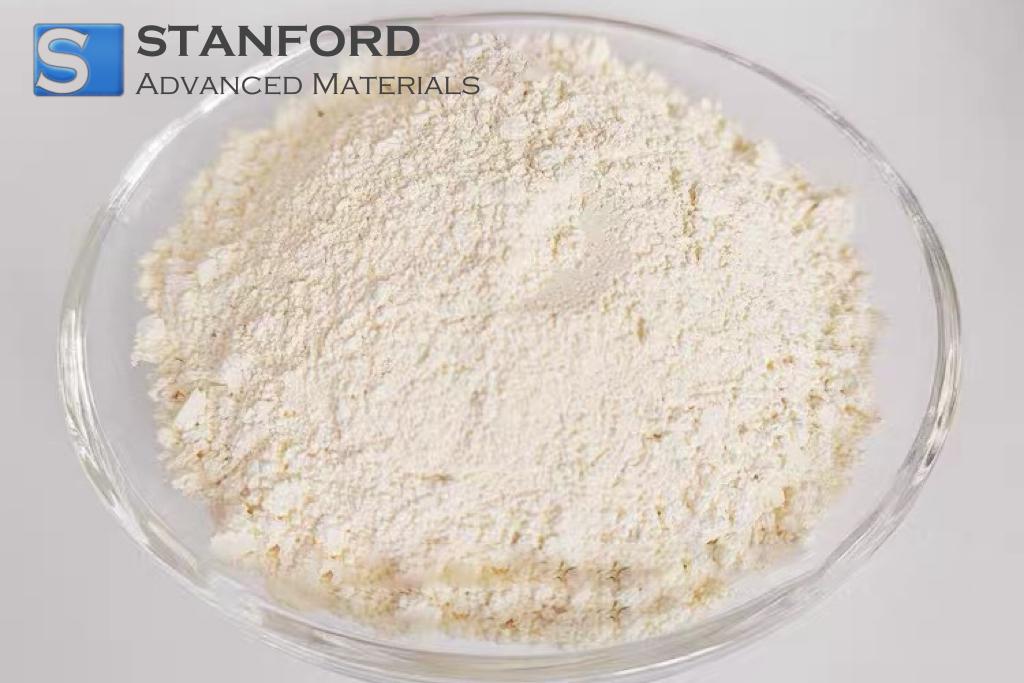
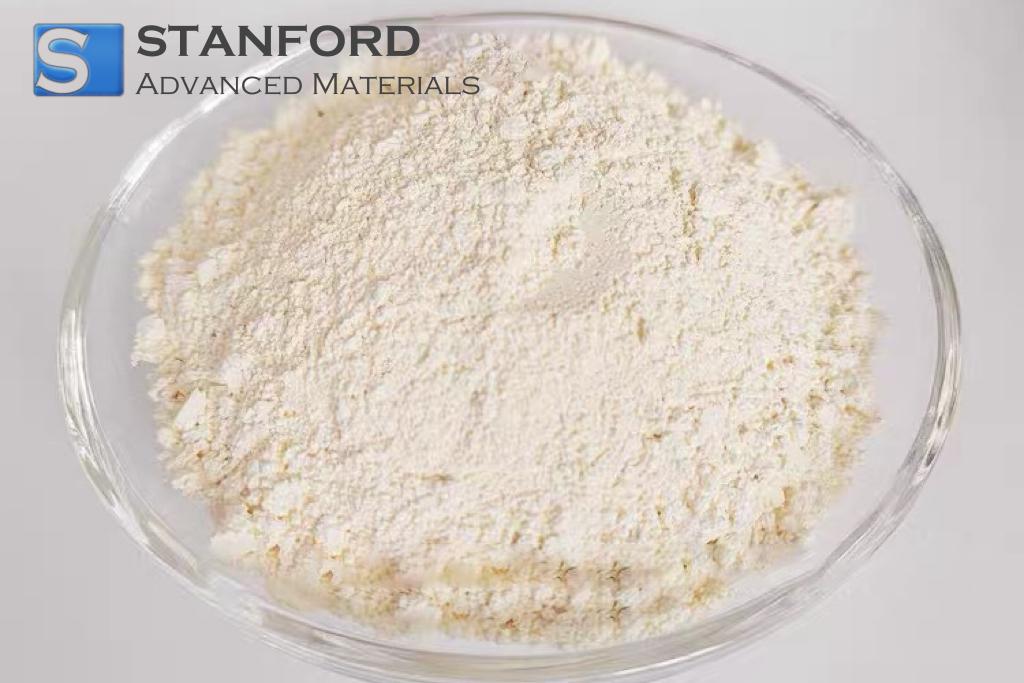
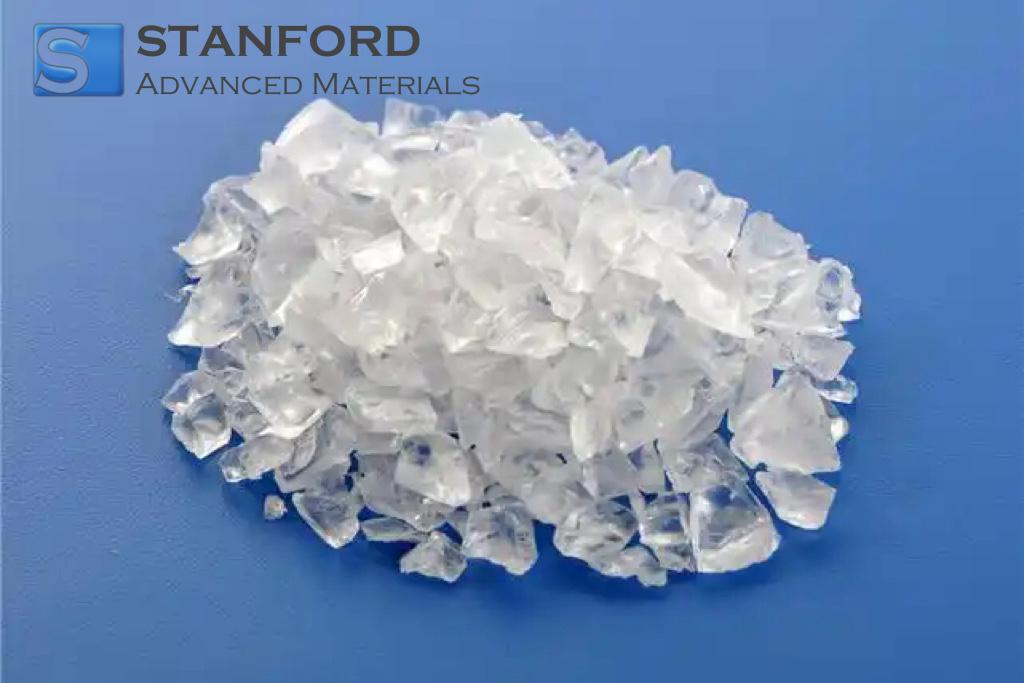
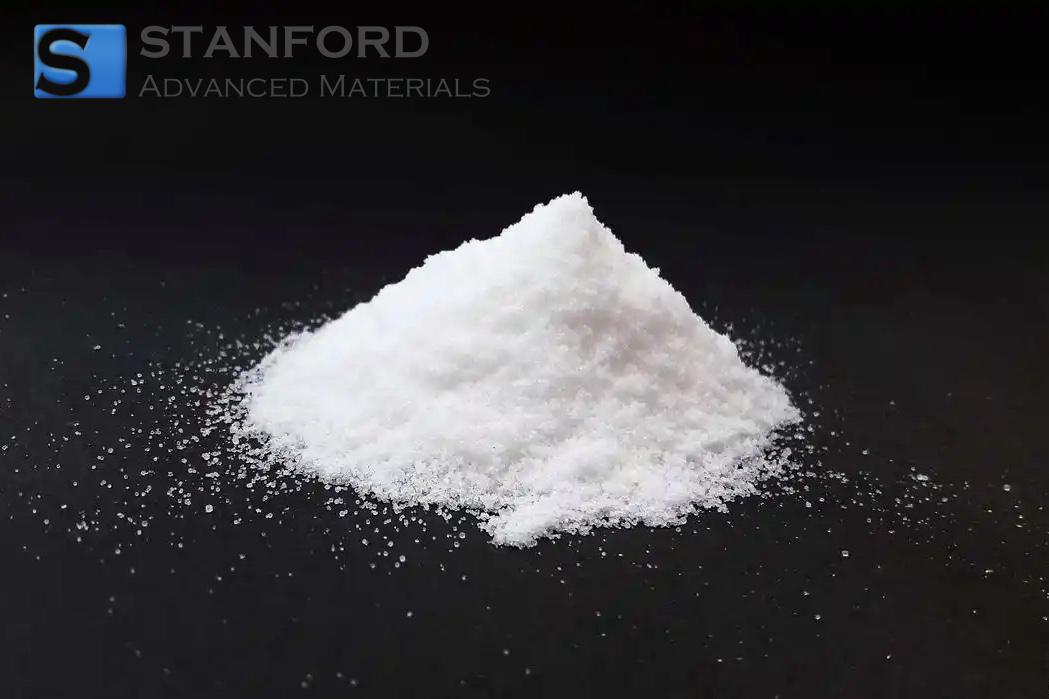
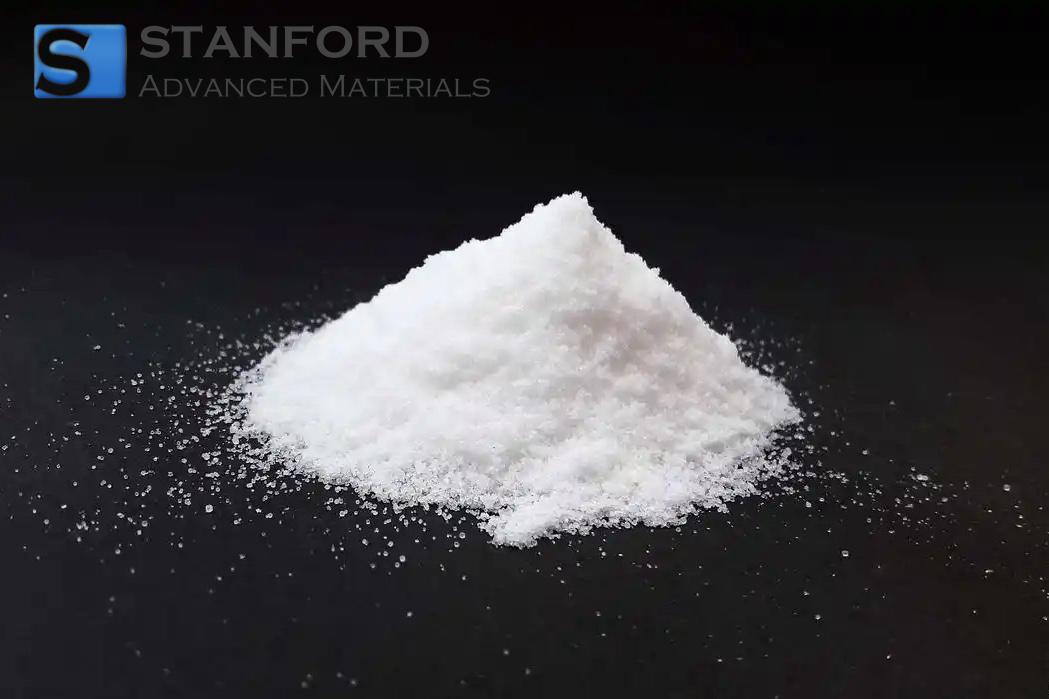
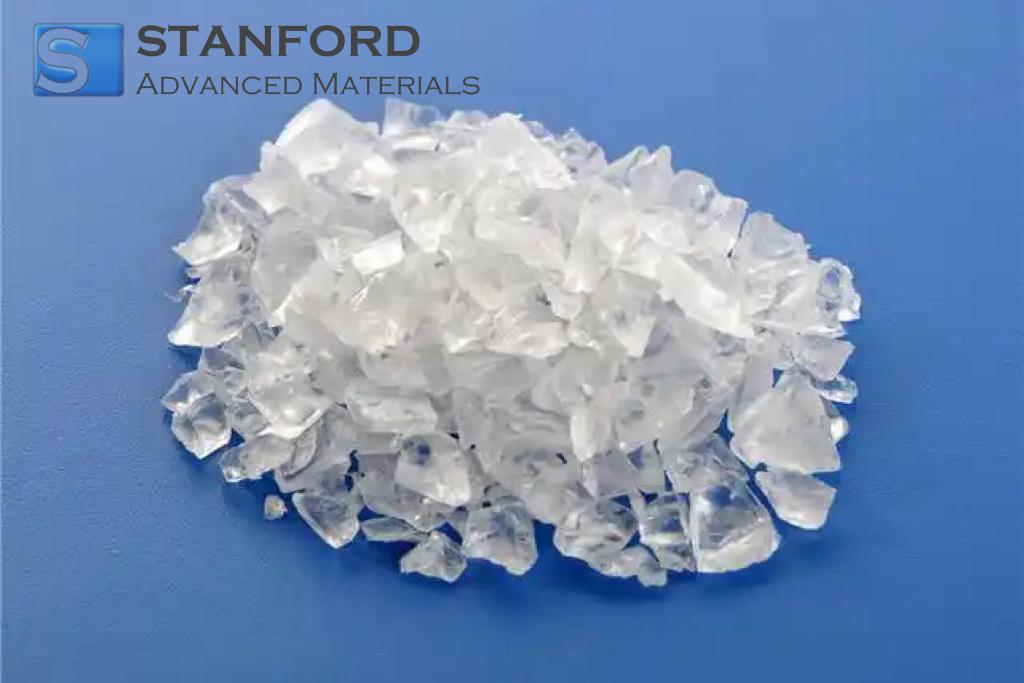
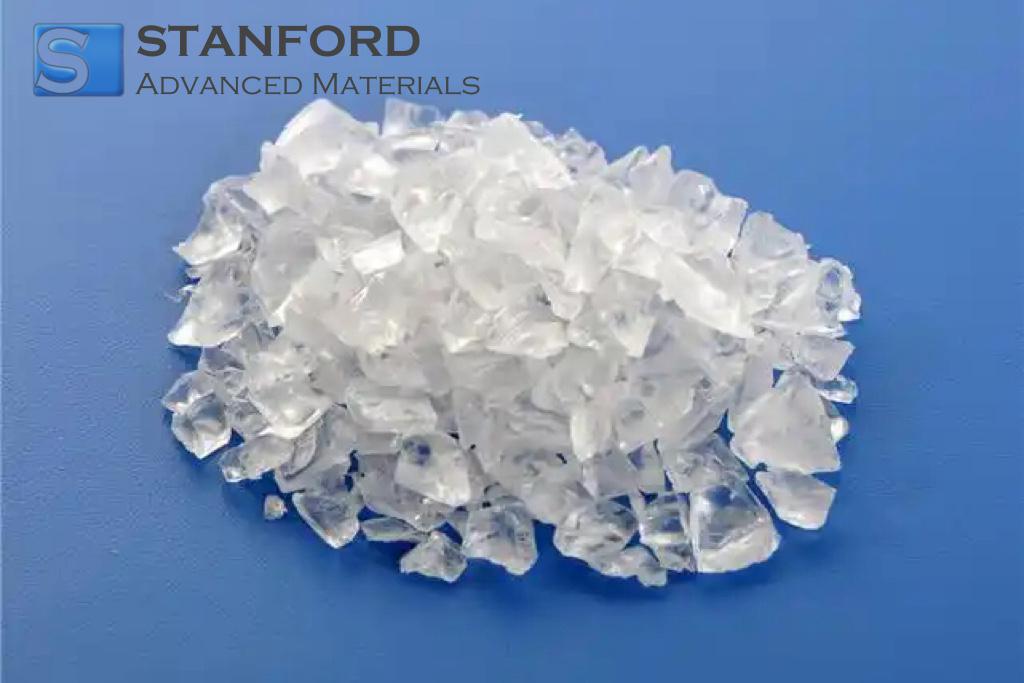
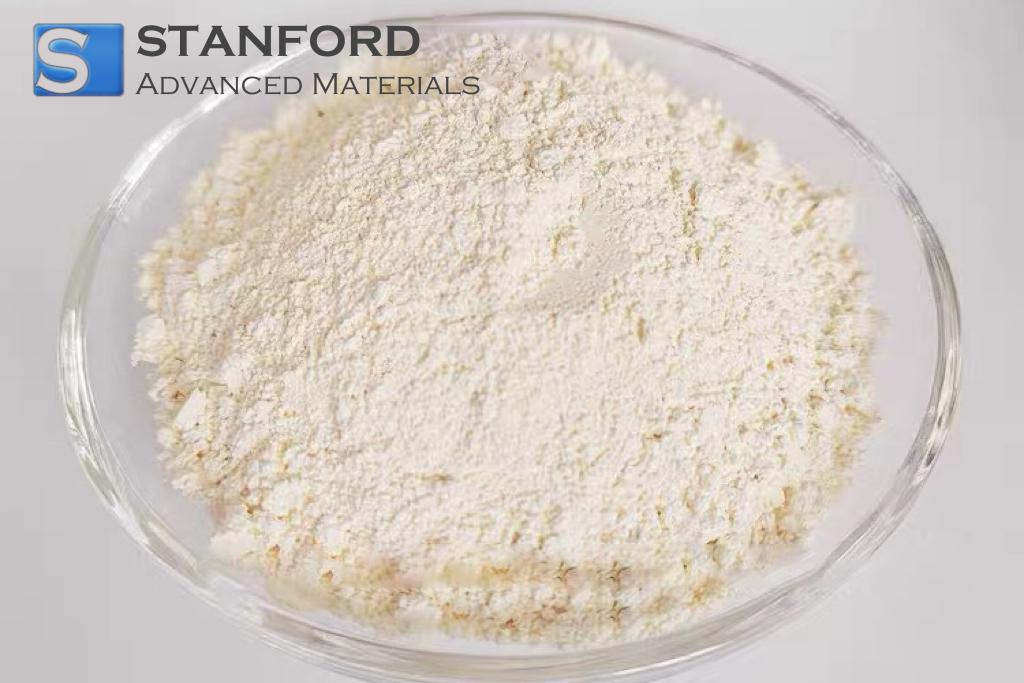
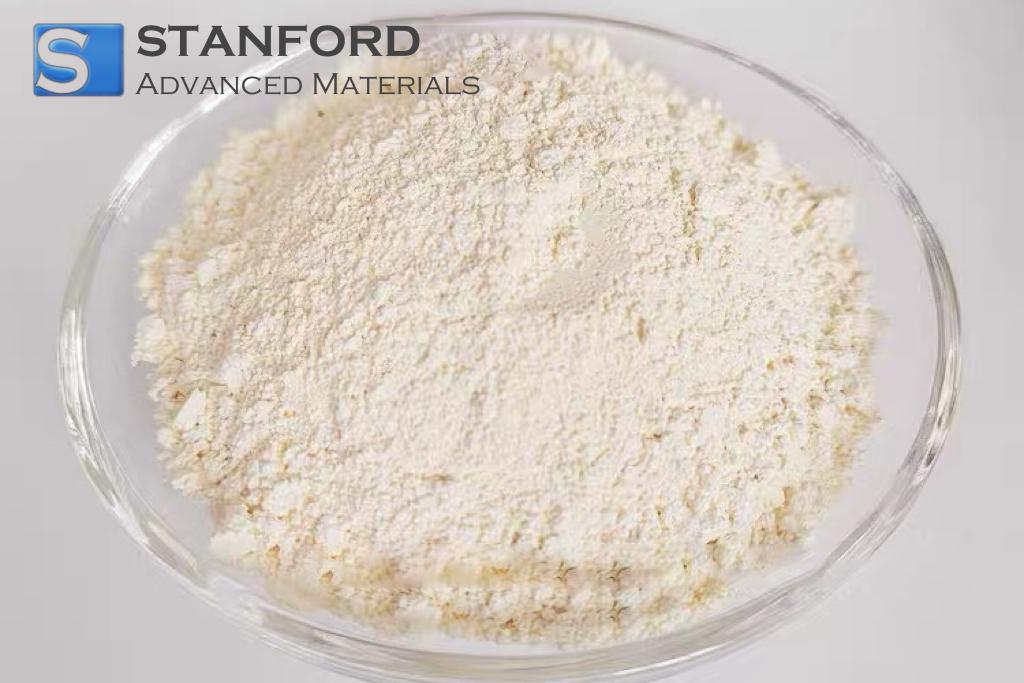
PLGA 75:25, Carboxyl-Terminated, IV ≥ 0.75 dl/g, Mw ≥ 106 kDa Description
BP11001 represents a high-performance, carboxyl-terminated
PLGA 75:25 copolymer within the high molecular weight and intrinsic viscosity
spectrum (Mw ≥ 106 kDa, IV ≥ 0.75 dl/g). This material provides mechanical strength, high melt strength, and excellent dimensional stability,
making it suitable for fabricating medical devices and scaffolds. The 75:25 ratio ensures a degradation period extending from several
months to over a year. The terminal carboxyl groups enhance hydrophilicity,
influence early-stage degradation kinetics, and serve as
sites for covalent attachment of drugs, signalling molecules, or
crosslinkers, enabling the development of bioactive implants.
PLGA 75:25, Carboxyl-Terminated, IV ≥ 0.75 dl/g, Mw ≥ 106 kDa Applications
1.
Long-Term Implantable & Structural Applications
- Sustained Drug Delivery Implants: Acts as the matrix in
long-term implants (e.g., rods, stents) for controlled therapeutic release over
6-24 months. The carboxyl groups allow for drug conjugation or surface
functionalisation.
- Load-Bearing Tissue Scaffolds: Used to fabricate scaffolds for bone and cartilage regeneration, providing mechanical support that degrades in sync with tissue healing.
2.
Advanced Functional Materials & Coatings
- Functionalised Coatings for Medical Devices: Applied as a coating on implants to modulate drug elution, improve
biocompatibility, or enable bioactivation via carboxyl group chemistry.
- Reactive Polymer for Material Synthesis: Acts as a macroinitiator or building block for creating block copolymers,
hydrogels, and composites with tailored degradation and mechanical properties.
PLGA 75:25, Carboxyl-Terminated, IV ≥ 0.75 dl/g, Mw ≥ 106 kDa Packing
The product is securely packaged in vacuum-sealed,
multi-layer aluminised moisture-barrier pouches under an inert nitrogen
atmosphere to prevent hydrolysis and oxidative degradation. Each primary pouch
contains desiccant and is further protected within a rigid, insulated secondary
container to ensure integrity during shipping and storage. Available in a range
of sizes from small R&D quantities (e.g., 1g, 5g) to industrial-scale
packaging. Custom packaging and labelling solutions are available.
Additional Information
This carboxyl-terminated, high molecular weight PLGA 75:25
is engineered for applications in regenerative medicine and drug delivery. It combines the lifecycle required for
structural support with functionality needed for biointeraction. This duality enables the creation of implants
that degrade on a predictable, multi-month timeline and can actively participate in the healing process through bioactivity.
Stanford Advanced Materials (SAM) specialises in providing
high-specification, consistent polymer solutions for applications.
Our technical support team is ready to collaborate on material selection,
processing optimisation, and custom synthesis projects to meet your challenges.
Regulatory Note: This material is intended for
research and industrial use. It is the customer's responsibility to ensure
compliance with all applicable safety, regulatory, and quality standards for
their specific application and region.


 Products
 Bars
Bars
 Beads & Spheres
 Bolts & Nuts
 Crucibles
 Discs
Discs
 Fibers & Fabrics
 Films
Films
 Flake
Flake
 Foams
Foams
 Foil
Foil
 Granules
 Honeycombs
 Ink
Ink
 Laminate
 Lumps
Lumps
 Meshes
 Metallised Film
 Plate
Plate
 Powders
 Rod
Rod
 Sheets
 Single Crystals
 Sputtering Target
 Tubes
Tubes
 Washer
 Wires
Wires
 Converters & Calculators
 Write for Us