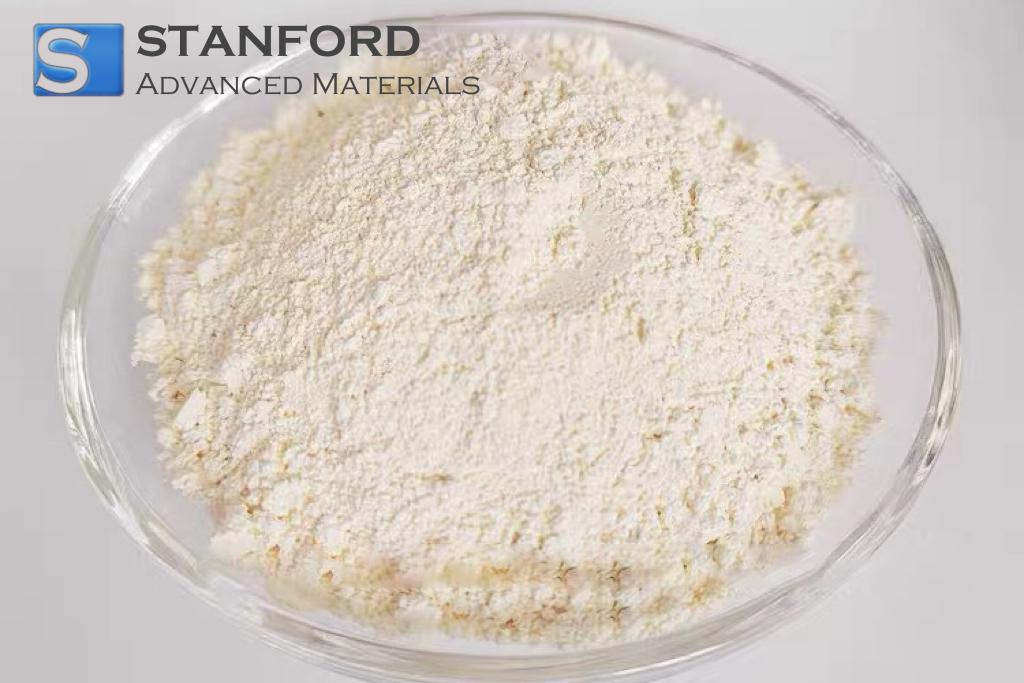
PCL, poly(ε-caprolactone), Lauryl Ester Terminated, IV: 0.5–1.0 dl/g, Mw: 42–112 kDa Description
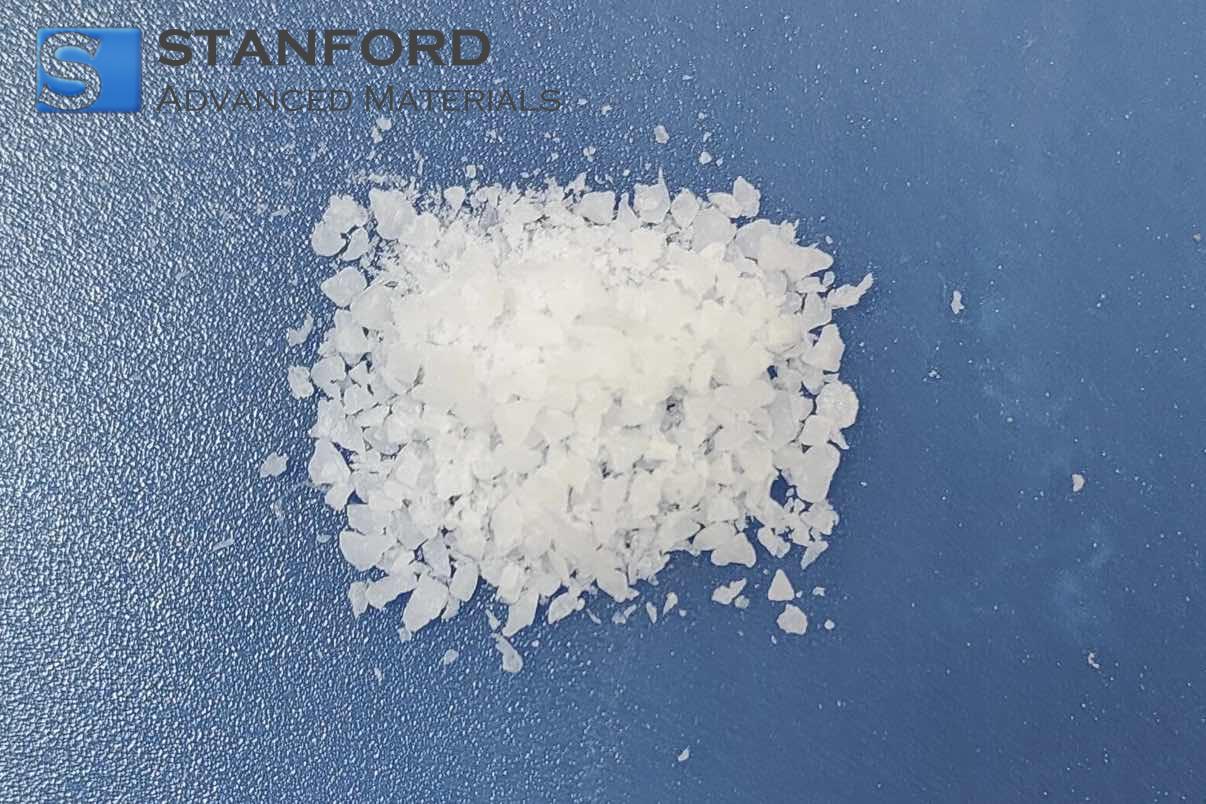
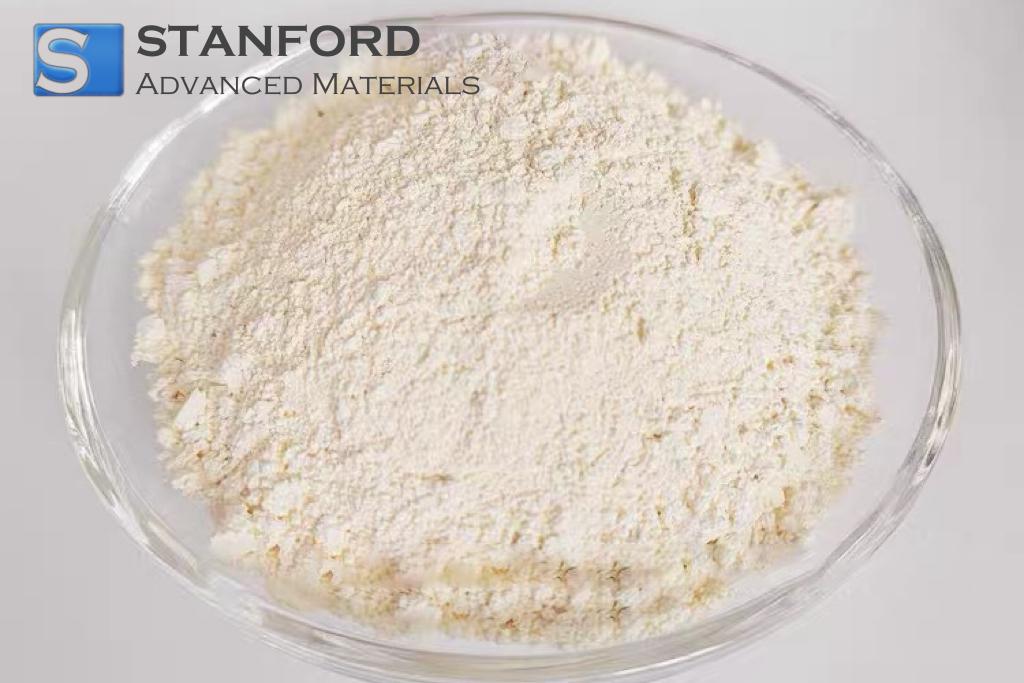
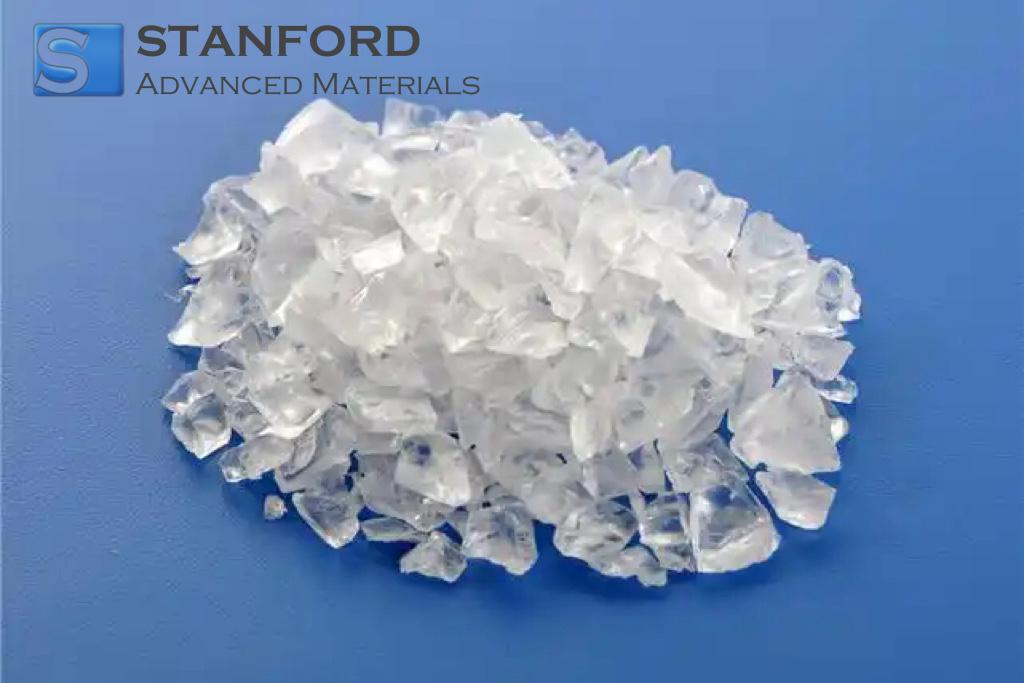
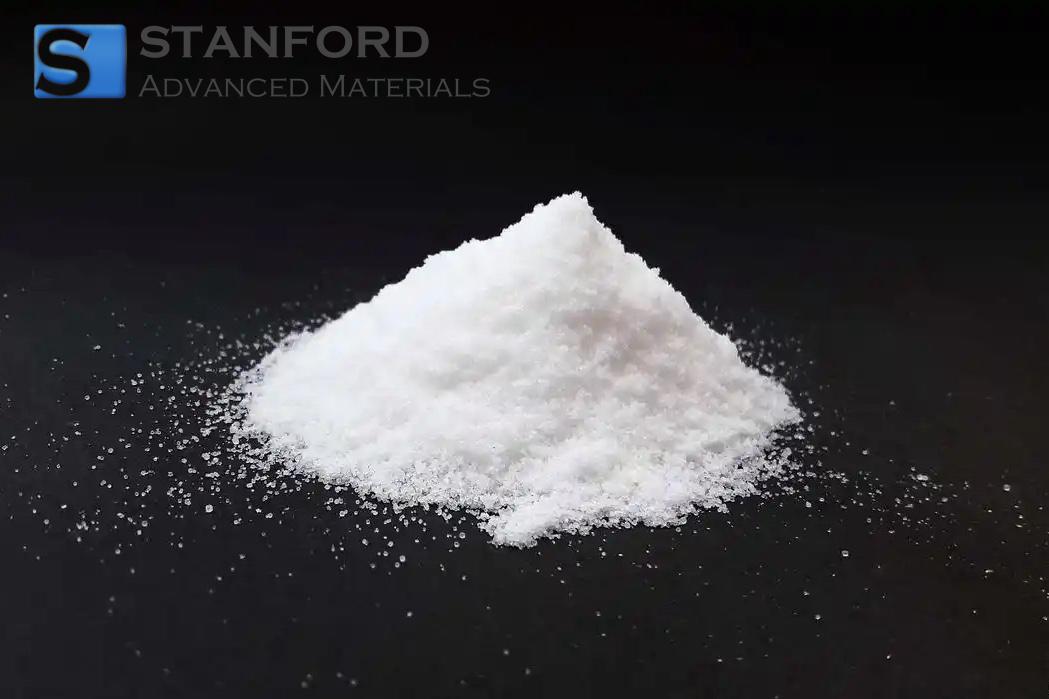
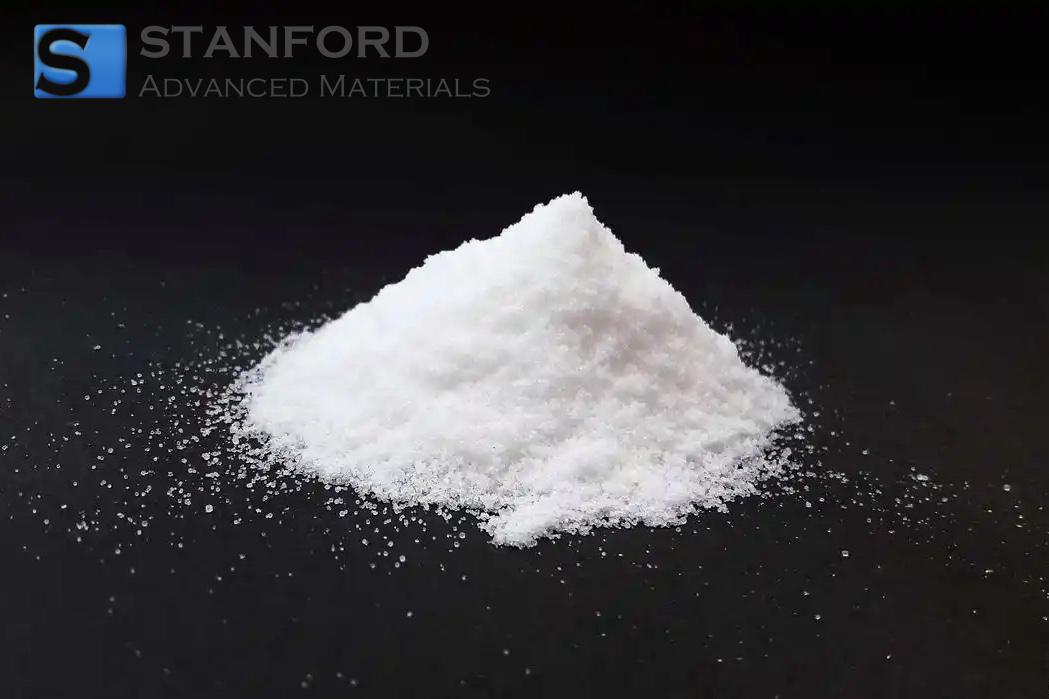
This material is a Poly(ε-caprolactone) with lauryl ester termination. Its intrinsic viscosity, ranging from 0.5 to 1.0 dl/g, indicates a controlled chain length, while the molecular weight of 42–112 kDa influences its melting and mechanical properties. The chemical composition supports its use in applications where gradual degradation is essential. Its powder form facilitates handling in research and production settings, with processing conditions that can be adjusted based on specific end-use requirements.
PCL, poly(ε-caprolactone), Lauryl Ester Terminated, IV: 0.5–1.0 dl/g, Mw: 42–112 kDa Applications
1. Healthcare Applications
- Used as a scaffold material in tissue engineering to achieve controlled cell colonisation by utilising its tunable degradation rate.
- Applied as a coating in implantable devices to manage local drug delivery by utilising its predictable erosion behaviour.
2. Industrial Applications
- Serves as a binder in composite formulations to obtain homogenous dispersion by capitalising on its controlled molecular weight distribution.
- Frequently used in biodegradable packaging systems to address environmental waste concerns by utilising its gradual degradation property.
3. Research Applications
- Implemented as a model polymer in degradation studies to analyse bioresorbable properties by taking advantage of its defined flow characteristics.
- Used in formulation studies to explore controlled release systems by leveraging its predictable viscosity and processing behaviour.
PCL, poly(ε-caprolactone), Lauryl Ester Terminated, IV: 0.5–1.0 dl/g, Mw: 42–112 kDa Packing
The product is packaged in sealed, moisture-resistant, and anti-static bags to protect against contamination and physical damage. Each unit is contained within a secondary rigid box to prevent mechanical stress during transit. Storage instructions recommend maintaining a low-humidity, temperature-controlled environment to preserve polymer integrity. Customised packaging options are available to meet specific storage or shipment requirements.
Additional Information
PCL is a biodegradable polyester extensively studied in the field of biocompatible materials. Its controlled degradation and ease of processing make it a valuable material for biomedical applications such as tissue scaffolding and drug delivery systems. Understanding the relationship between molecular weight and intrinsic viscosity is critical for tailoring its performance.
The incorporation of lauryl ester termination modifies the polymer's solubility and compatibility with various matrices, expanding its utility in advanced manufacturing processes. Ongoing research continues to refine processing techniques to optimise performance and reliability across diverse applications.
Regulatory Note: This material is designed for industrial and consumer applications. It is the customer's responsibility to ensure compliance with all applicable safety and regulatory requirements for their intended use.


 Products
 Bars
Bars
 Beads & Spheres
 Bolts & Nuts
 Crucibles
 Discs
Discs
 Fibers & Fabrics
 Films
Films
 Flake
Flake
 Foams
Foams
 Foil
Foil
 Granules
 Honeycombs
 Ink
Ink
 Laminate
 Lumps
Lumps
 Meshes
 Metallised Film
 Plate
Plate
 Powders
 Rod
Rod
 Sheets
 Single Crystals
 Sputtering Target
 Tubes
Tubes
 Washer
 Wires
Wires
 Converters & Calculators
 Write for Us