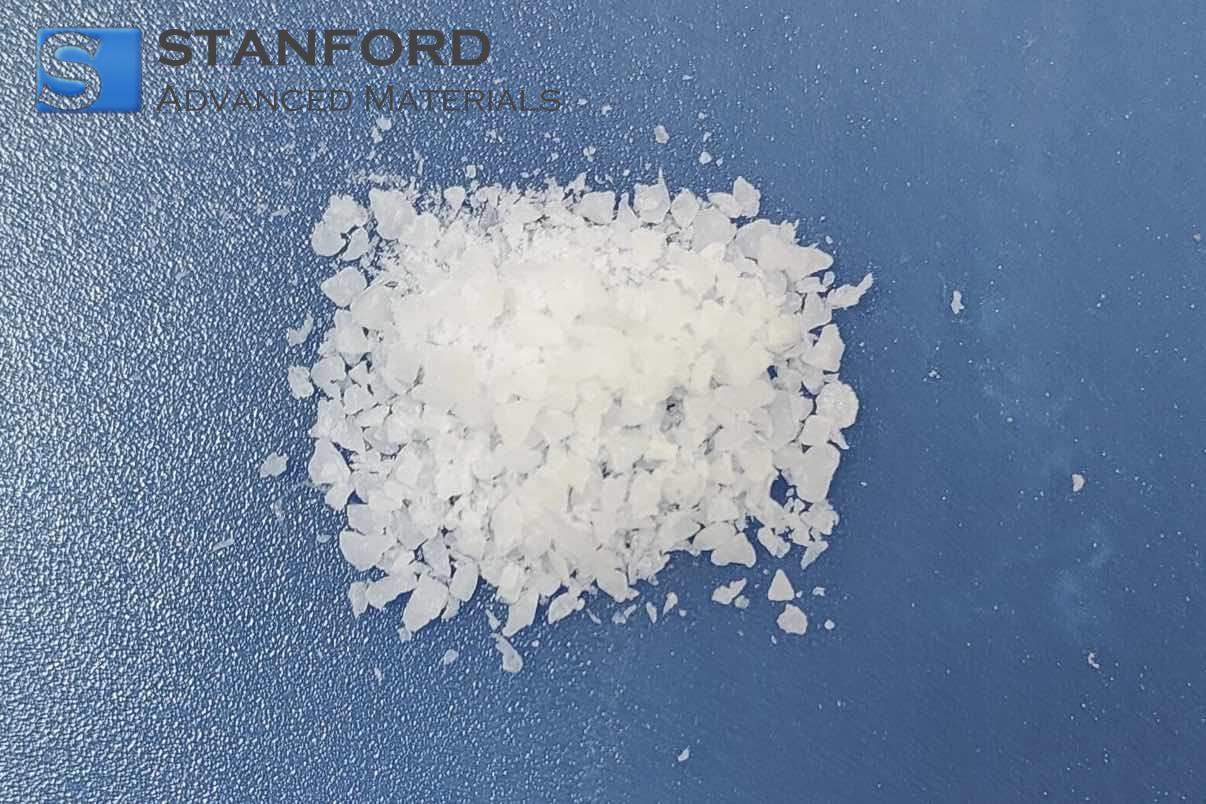
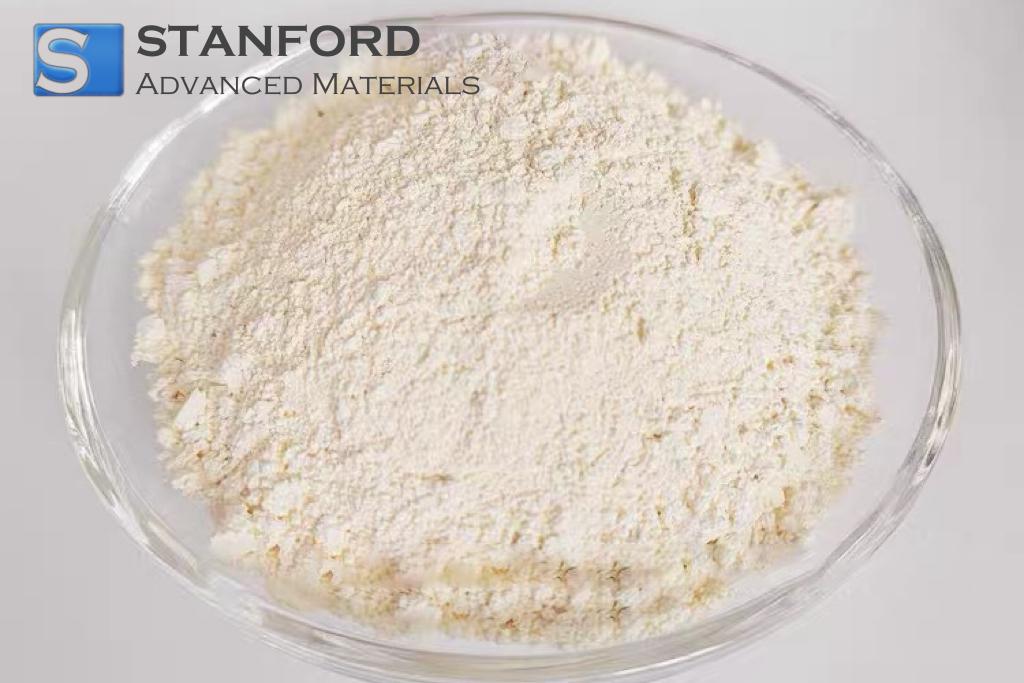
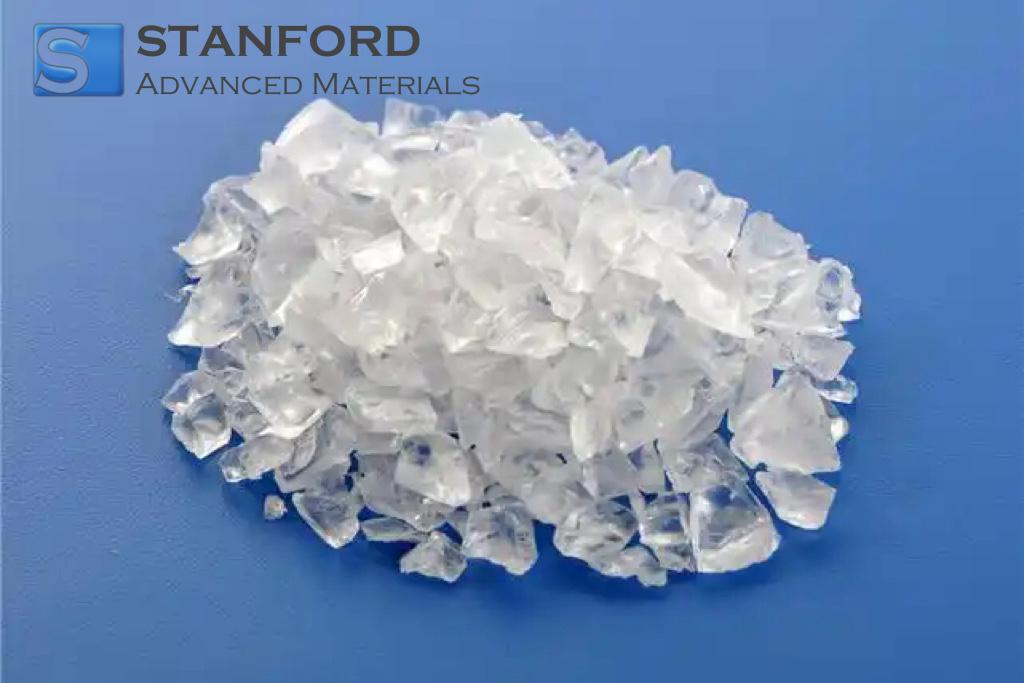
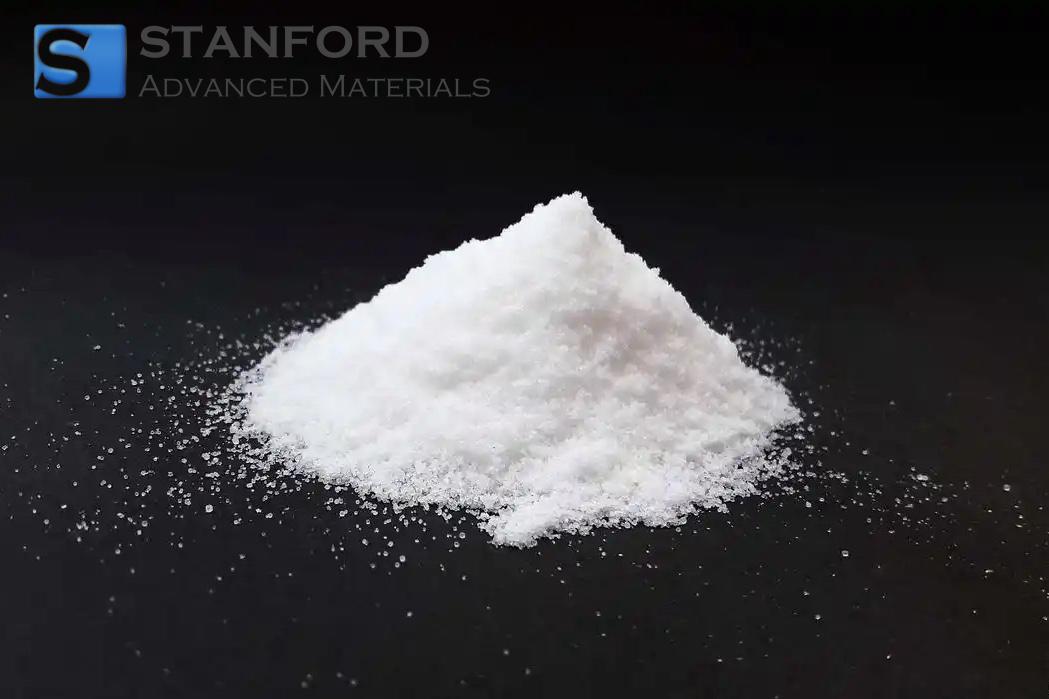
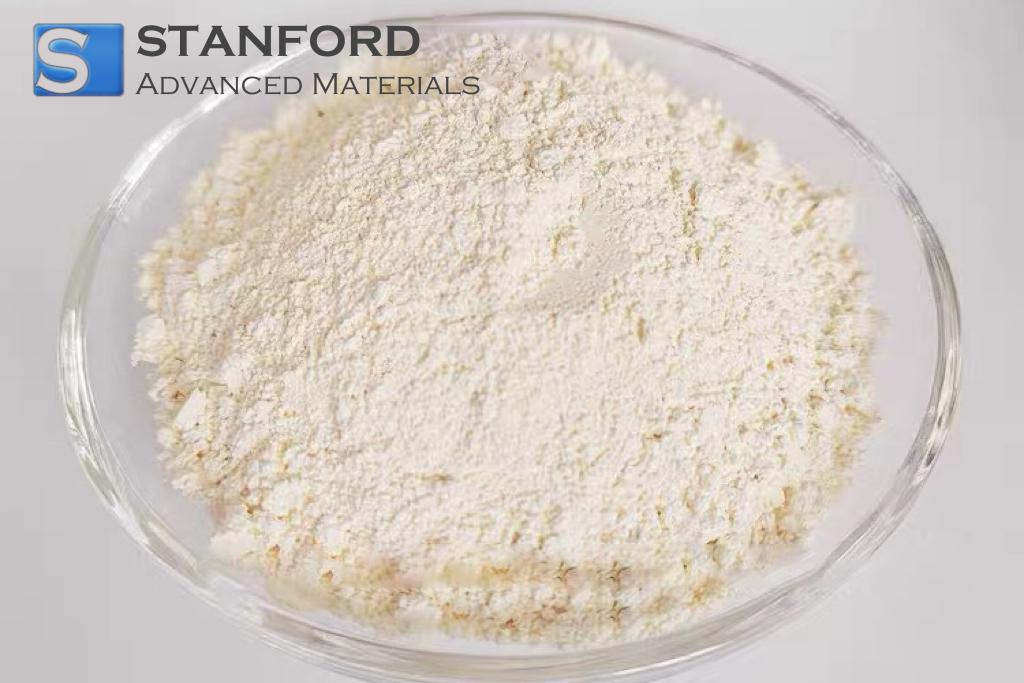
PCL, poly(ε-caprolactone), Hydroxyl Terminated, IV ≤ 0.5 dl/g, Mw ≤ 42 kDa
Description
PCL, poly(ε-caprolactone) with hydroxyl termination,
exhibits an intrinsic viscosity (IV) of ≤ 0.5 dl/g and a weight average
molecular weight (Mw) of ≤ 42 kDa. Its defined end-group functionality
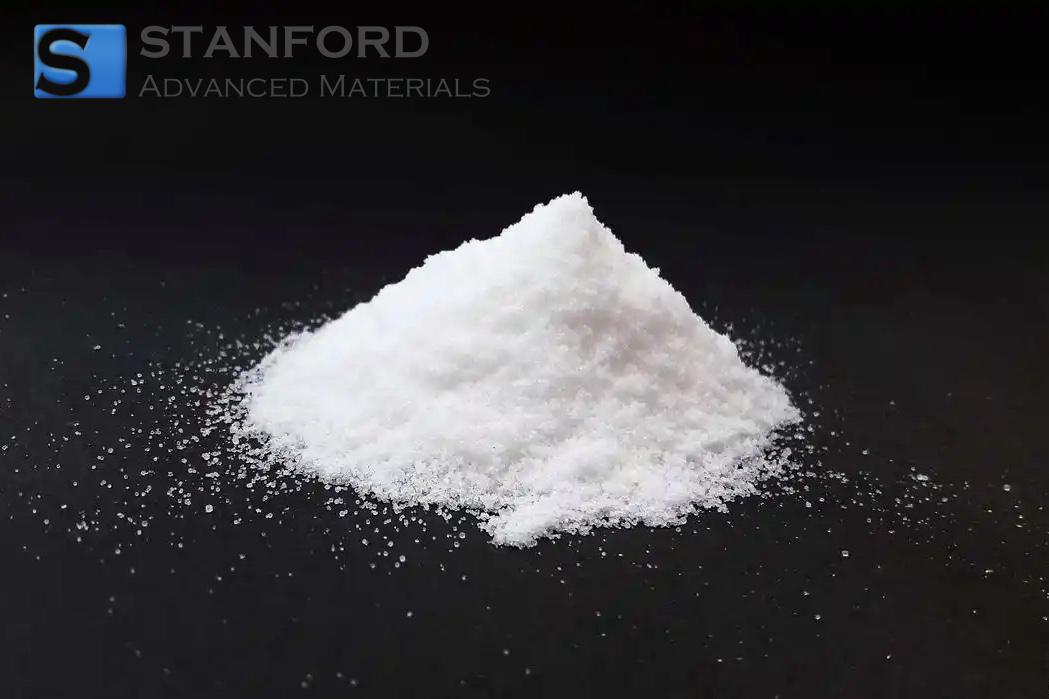
facilitates controlled degradation and chemical modification. The powder form
enables easy dispersion in solvents or polymer blends, making it suitable for
bioresorbable matrices and controlled-release formulations in both biomedical
research and development laboratories.
PCL, poly(ε-caprolactone), Hydroxyl Terminated, IV ≤ 0.5 dl/g, Mw ≤ 42 kDa
Applications
1.
Healthcare Applications
- Used as a scaffold matrix in tissue engineering to support cell attachment
by leveraging its biodegradability.
- Applied as a carrier in controlled drug release systems to achieve gradual
therapeutic delivery through predictable degradation.
2.
Industrial Applications
- Utilised as a component in biodegradable coatings for transient electronic
devices, reducing environmental footprint by harnessing controlled degradation.
- Implemented in composite formulations where its predictable breakdown properties
improve material recycling and environmental compliance.
3.
Research Applications
- Employed in polymer blending studies to examine phase behaviour and
compatibility through defined molecular architecture.
- Used as a standard material in degradation kinetics experiments to
evaluate the impact of polymer chain-end functionality.
PCL, poly(ε-caprolactone), Hydroxyl Terminated, IV ≤ 0.5 dl/g, Mw ≤ 42 kDa
Packing
The material is supplied as a powder and sealed in
moisture-resistant, inert packaging. Polyethylene-lined bags prevent
contamination and moisture exposure during storage and transit. It is
recommended to store the powder in a cool, dry environment to avert
degradation. Custom packaging options, such as vacuum-sealed containers and
inert atmosphere bags, are available to maintain product integrity under
specific storage conditions.
Additional Information
PCL is a biodegradable polyester extensively studied in the
field of biocompatible materials. Its controlled degradation and ease of
processing make it a valuable material for biomedical applications such as
tissue scaffolding and drug delivery systems. Understanding the relationship
between molecular weight and intrinsic viscosity is critical for tailoring its
performance.
The hydroxyl termination enhances the polymer's
hydrophilicity and provides active sites for chemical functionalisation,
improving its compatibility with hydrophilic matrices and facilitating covalent
bonding in composite systems. This expands its utility in advanced manufacturing
and bioactive material design. Ongoing research continues to refine processing
techniques to optimise performance and reliability across diverse applications.
Regulatory Note: This material is designed for
industrial and consumer applications. It is the customer's responsibility to
ensure compliance with all applicable safety and regulatory requirements for
their intended use.


 Products
 Bars
Bars
 Beads & Spheres
 Bolts & Nuts
 Crucibles
 Discs
Discs
 Fibers & Fabrics
 Films
Films
 Flake
Flake
 Foams
Foams
 Foil
Foil
 Granules
 Honeycombs
 Ink
Ink
 Laminate
 Lumps
Lumps
 Meshes
 Metallised Film
 Plate
Plate
 Powders
 Rod
Rod
 Sheets
 Single Crystals
 Sputtering Target
 Tubes
Tubes
 Washer
 Wires
Wires
 Converters & Calculators
 Write for Us