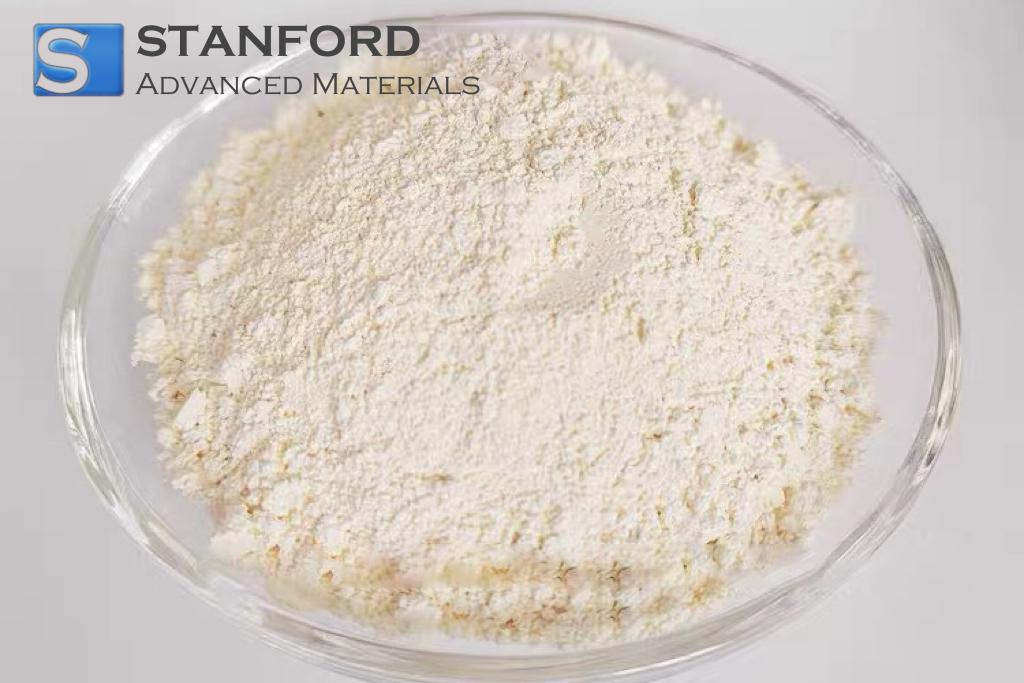
PCL, poly(ε-caprolactone), Carboxyl-Terminated, IV: 1.5–2.0 dl/g, Mw:
198–297 kDa Description
Poly(ε-caprolactone) with carboxyl termini serves as a reactive
platform for subsequent functionalisation. The specified IV range of 1.5–2.0
dl/g corresponds to a molecular weight range of 198–297 kDa, which governs the
melt viscosity and mechanical performance during processing. Its inherent
biodegradability and biocompatibility render it suitable for applications such
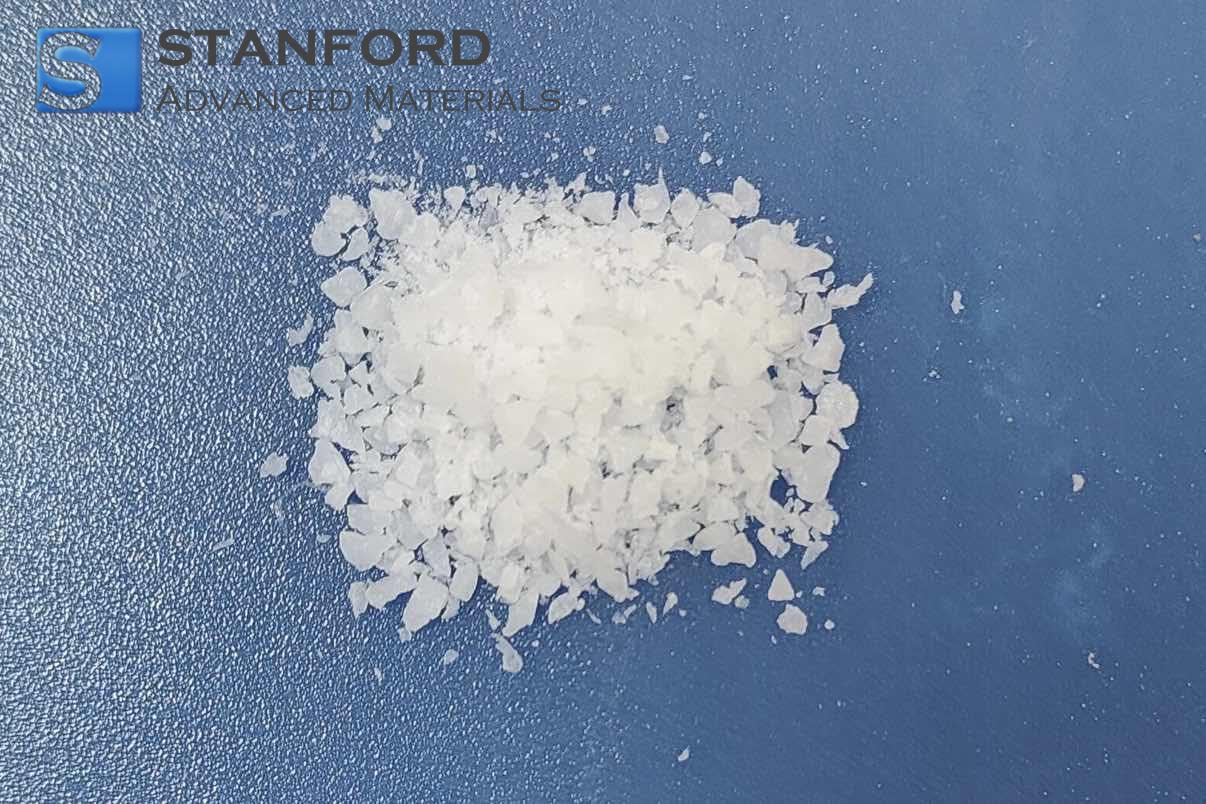
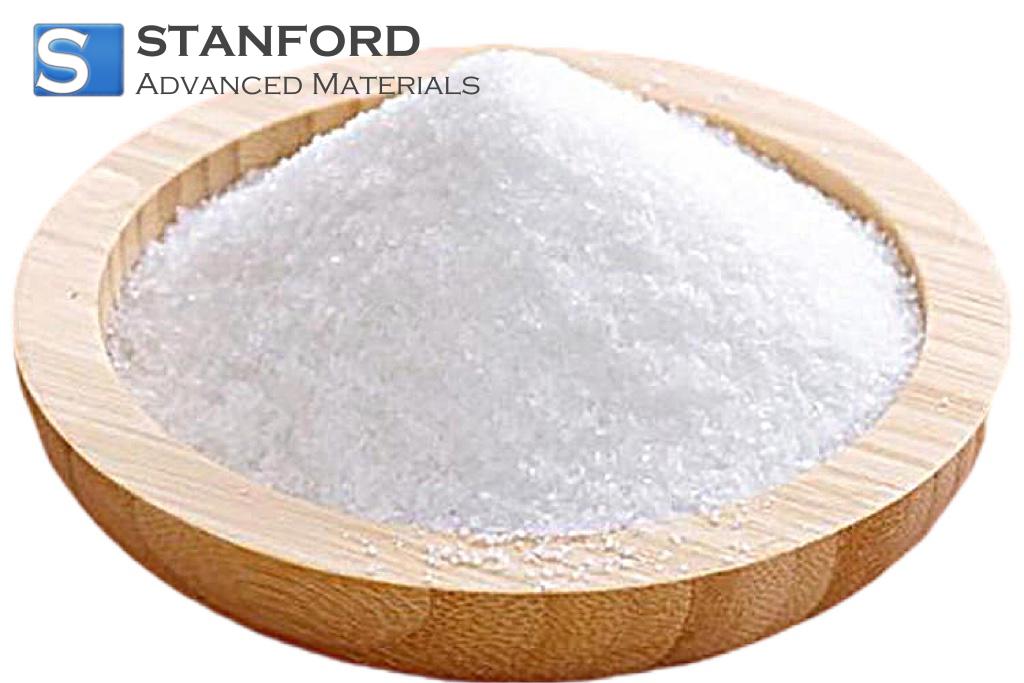
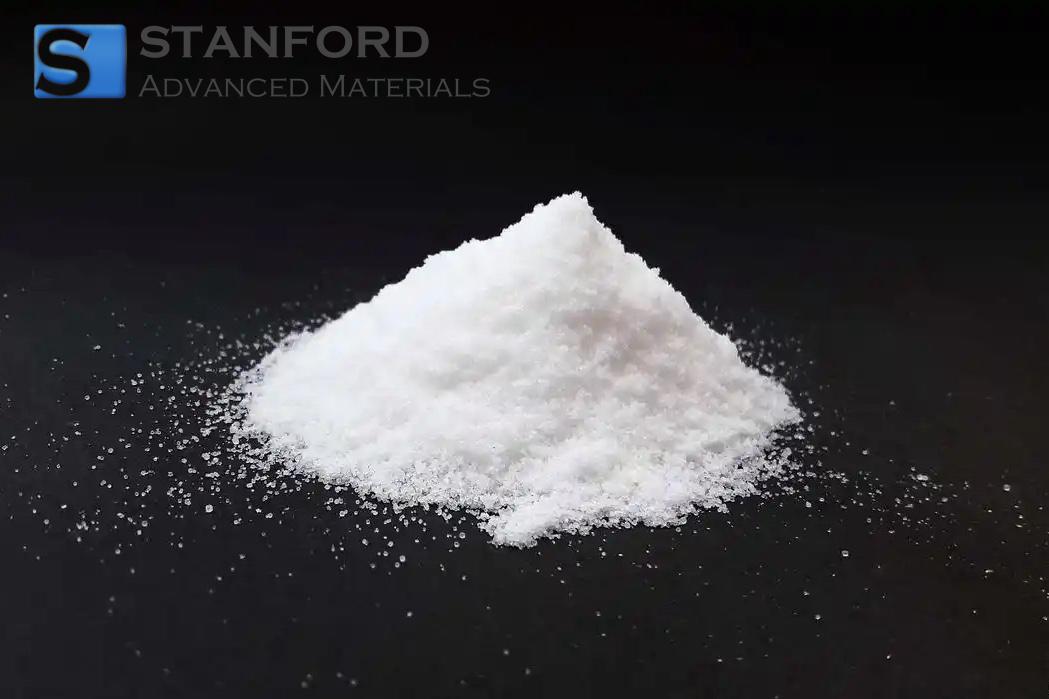
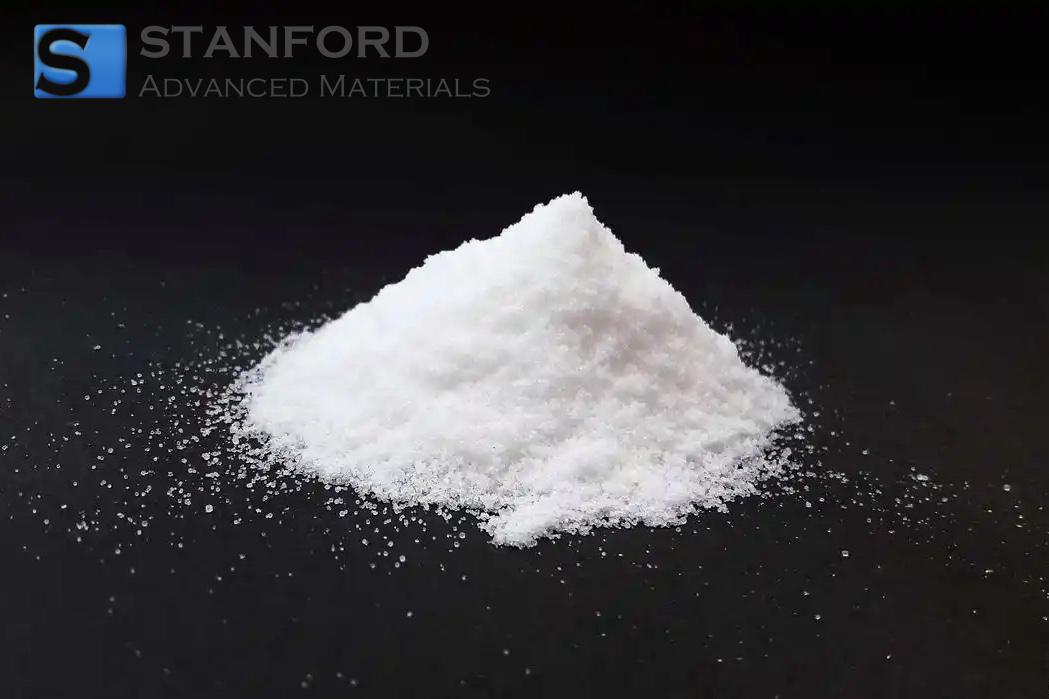
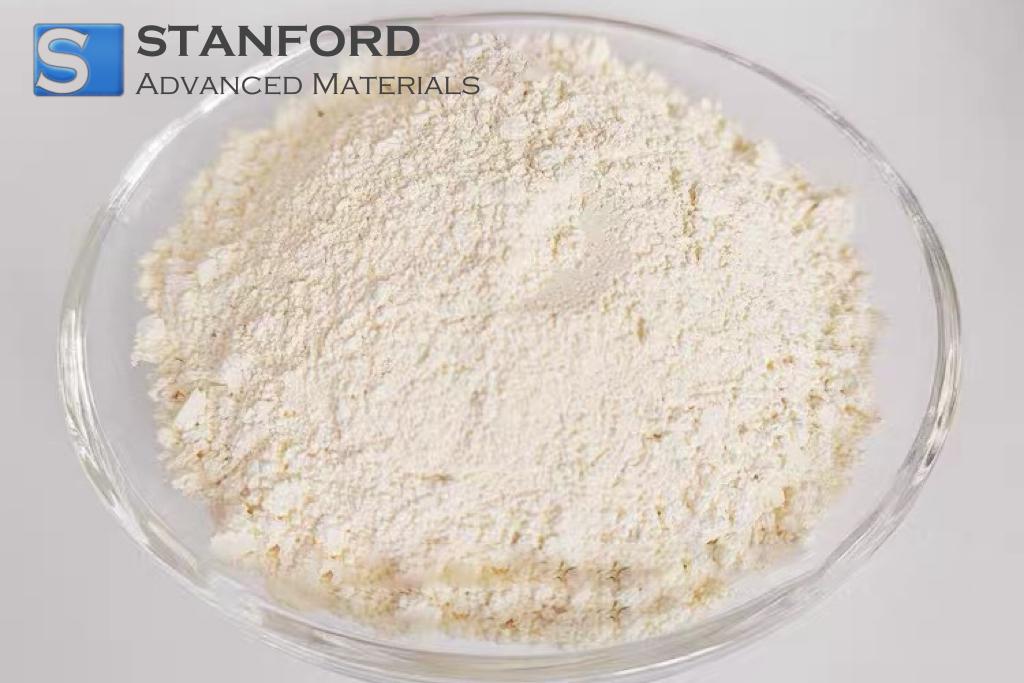
as resorbable medical devices. The powder form facilitates uniform dispersion
in composite systems and enables precise dosing in formulation processes.
PCL, poly(ε-caprolactone), Carboxyl-Terminated, IV: 1.5–2.0 dl/g, Mw:
198–297 kDa Applications
Healthcare Applications
- Used as a biodegradable scaffold in tissue engineering to achieve
controlled cell support by leveraging predictable degradation kinetics.
- Applied as a matrix in resorbable sutures to secure wound closure while
gradually transferring load as the material degrades.
Industrial Applications
- Used as a binder in biodegradable composites to maintain structural
integrity while facilitating eco-friendly end-of-life processing.
- Employed in advanced coating formulations to achieve controlled film formation
through its manageable viscosity.
Pharmaceutical Applications
- Serves as a carrier in drug delivery systems to facilitate sustained
release by exploiting its inherent degradation profile.
- Used as a coating material for capsule formulations to offer regulated
dissolution rates and improved bioavailability.
PCL, poly(ε-caprolactone), Carboxyl-Terminated, IV: 1.5–2.0 dl/g, Mw:
198–297 kDa Packing
The polymer is packaged in moisture-resistant, sealed
pouches that incorporate an inert gas flush to minimise oxidation. It is stored
under controlled temperature conditions to maintain its molecular integrity.
Anti-contamination measures include tamper-evident seals and dust-proof
secondary packaging. Customisation options are available to adapt to specific
shipping or handling requirements, ensuring the material remains in optimal
condition until use.
Additional Information
PCL (polycaprolactone) is a biodegradable polyester
extensively studied in the field of biocompatible materials. Its controlled degradation
and ease of processing make it a valuable material for biomedical applications
such as tissue scaffolding and drug delivery systems. Understanding the
relationship between molecular weight and intrinsic viscosity is critical for
tailoring its performance.
The carboxyl termination enhances the polymer's aqueous
dispersibility and provides active sites for further chemical modification,
thereby improving its compatibility with hydrophilic matrices and facilitating
ionic interaction or covalent grafting within composite systems. This expands
the material's applicability in advanced manufacturing and functional
biomaterial design. Ongoing research continues to refine processing techniques
to optimise performance and reliability across diverse applications.
Regulatory Note: This material is intended for
industrial and consumer applications. It is the user's responsibility to ensure
compliance with all applicable safety and regulatory requirements for its
intended use.


 Products
 Bars
Bars
 Beads & Spheres
 Bolts & Nuts
 Crucibles
 Discs
Discs
 Fibers & Fabrics
 Films
Films
 Flake
Flake
 Foams
Foams
 Foil
Foil
 Granules
 Honeycombs
 Ink
Ink
 Laminate
 Lumps
Lumps
 Meshes
 Metallised Film
 Plate
Plate
 Powders
 Rod
Rod
 Sheets
 Single Crystals
 Sputtering Target
 Tubes
Tubes
 Washer
 Wires
Wires
 Converters & Calculators
 Write for Us