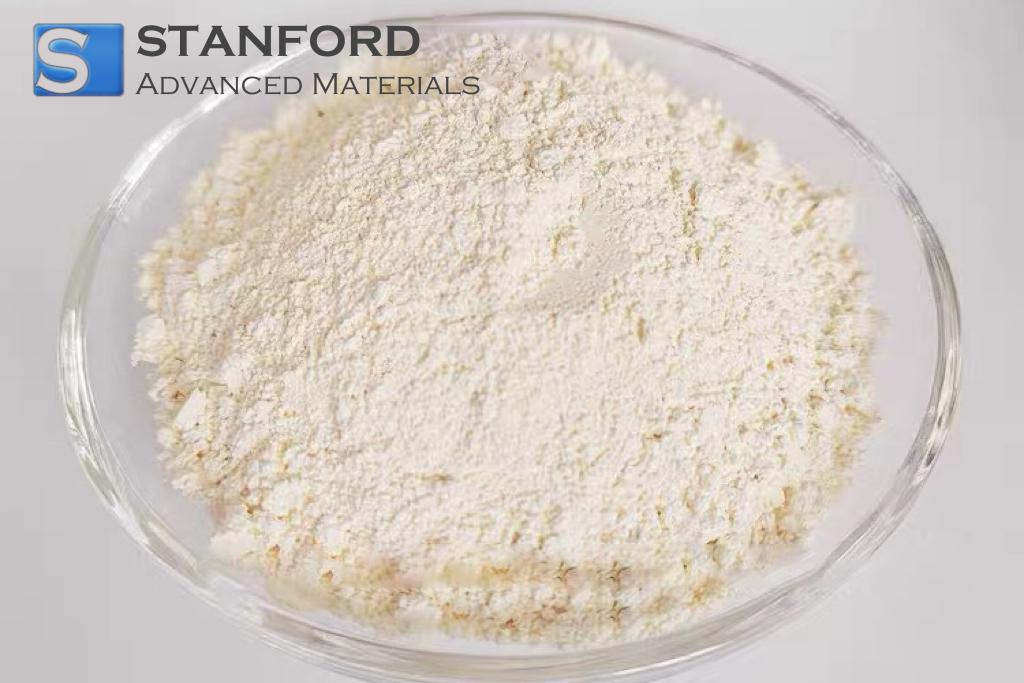
PCL, poly(ɛ-caprolactone), Carboxyl-Terminated, IV: 3.0–4.0 dl/g, Mw:
526–790 kDa Description
PCL, poly(ɛ‑caprolactone) is a semi-crystalline aliphatic
polyester produced via ring-opening polymerisation of ɛ‑caprolactone. The
carboxyl‑terminated structure allows for further chemical modification and
chain extension reactions. The specified intrinsic viscosity informs about the
average molecular weight, crucial for tuning mechanical strength and
degradation behaviour in biomedical and industrial prototype settings. Its
well-defined molecular range facilitates reproducible processing outcomes.
PCL, poly(ɛ-caprolactone), Carboxyl-Terminated, IV: 3.0–4.0 dl/g, Mw:
526–790 kDa Applications
Healthcare Applications
- Used as a biodegradable scaffold component in tissue engineering to
support cell adhesion and proliferation by leveraging its controlled
degradation rate.
- Applied as a drug delivery matrix in implantable devices to achieve
sustained release, utilising its predictable breakdown kinetics.
Industrial Applications
- Serves as a mouldable component in biodegradable packaging to reduce
environmental impact by utilising its polymeric properties.
- Frequently used in 3D printing filaments for prototyping complex
structures, ensuring dimensional stability through its controlled viscosity.
PCL, poly(ɛ-caprolactone), Carboxyl-Terminated, IV: 3.0–4.0 dl/g, Mw:
526–790 kDa Packing
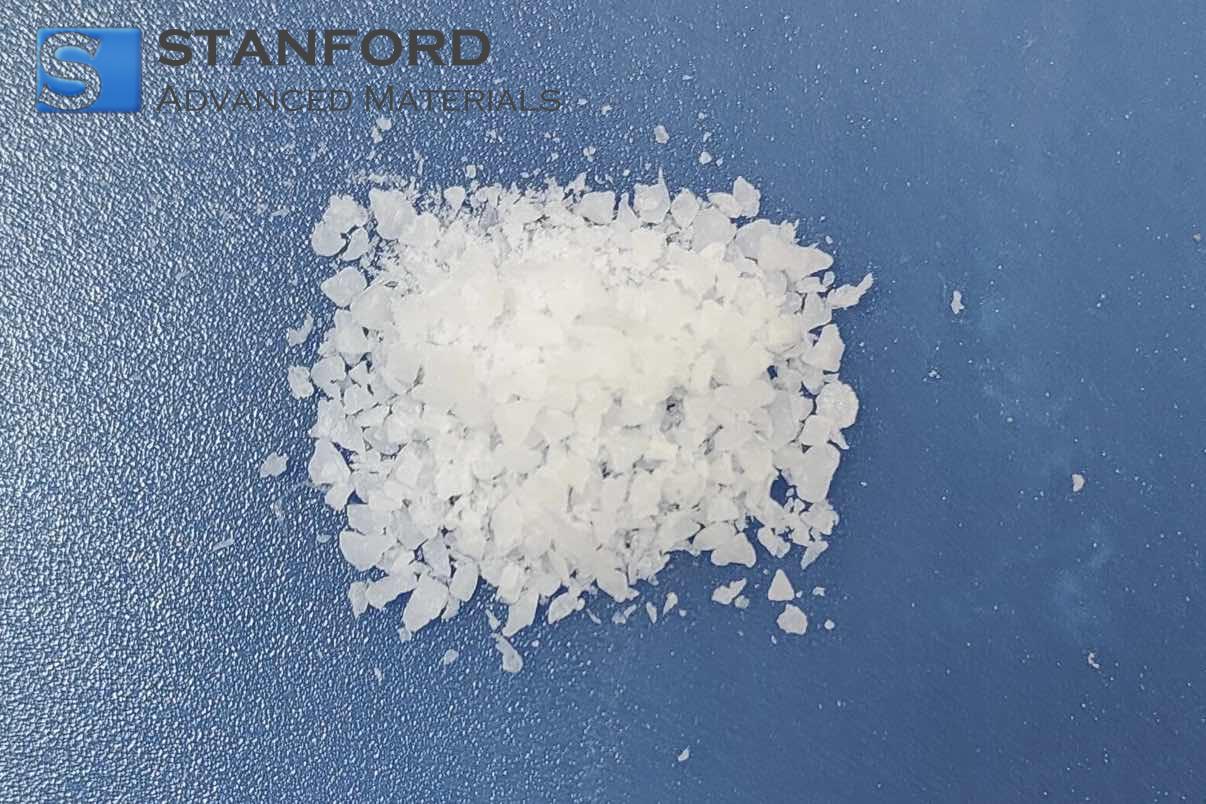
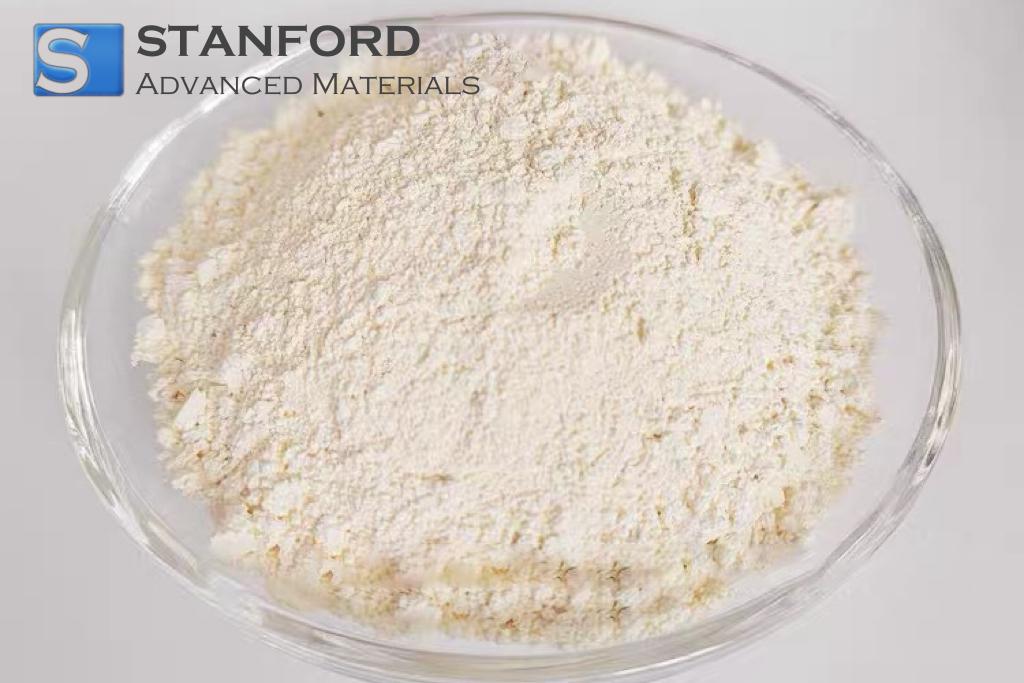
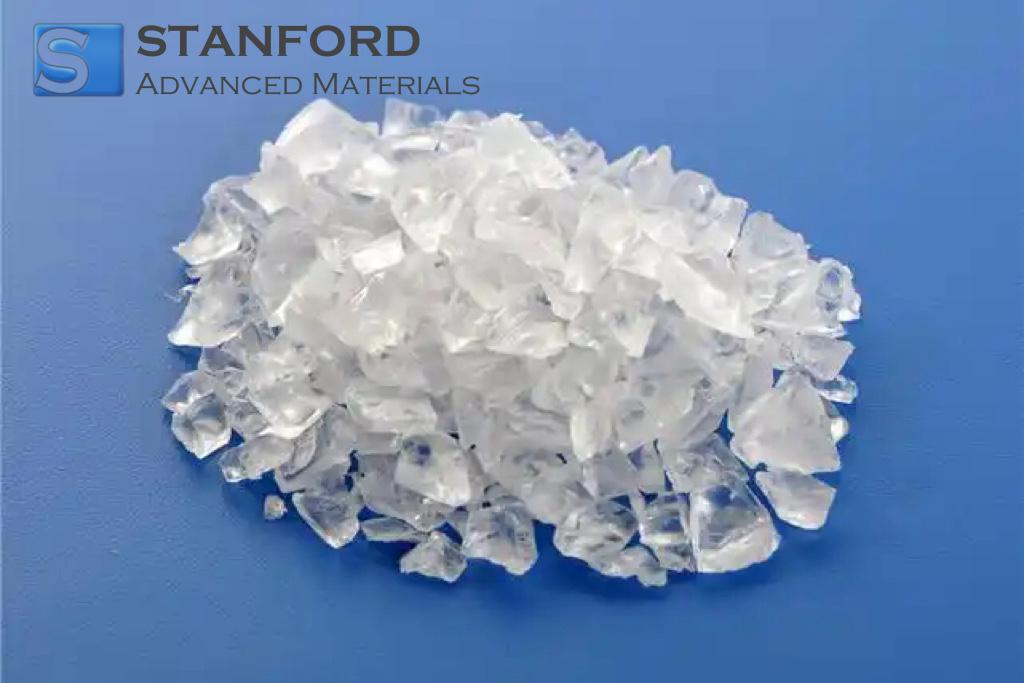
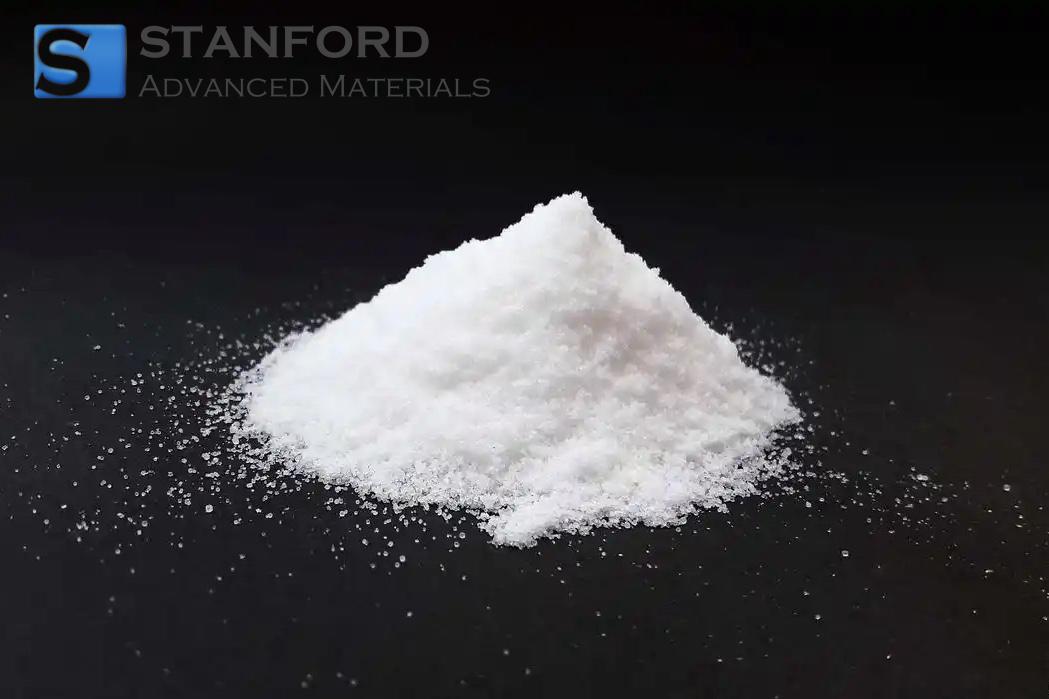
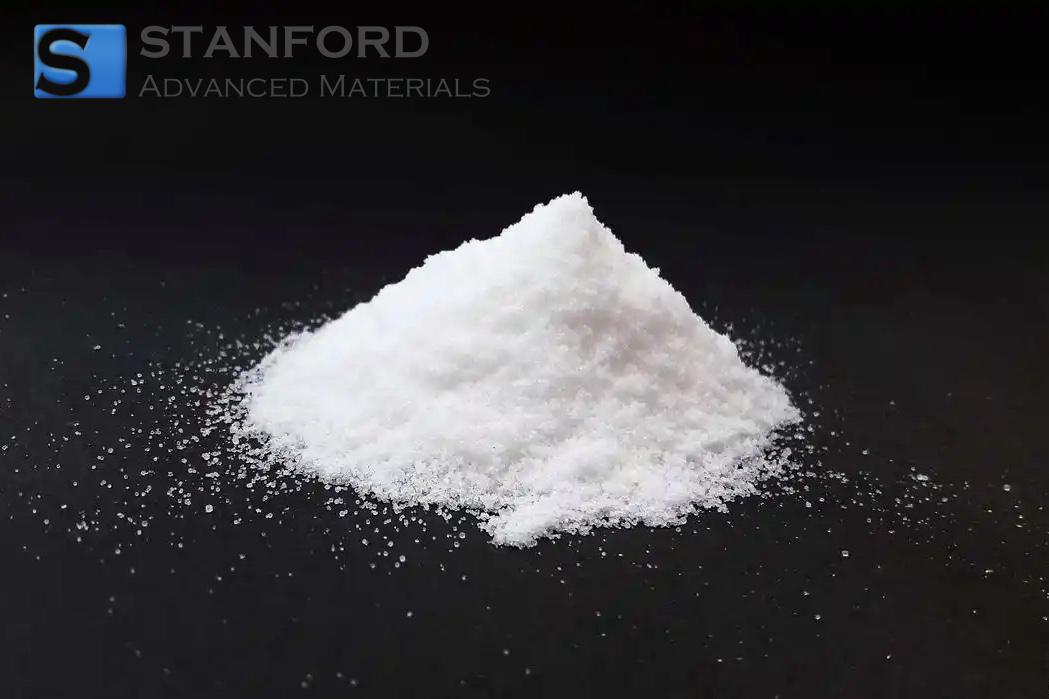
The powder is packaged in moisture-resistant, sealed foil
packaging with an inner anti-static bag to minimise contamination. It is stored
in a cool, dry environment away from direct sunlight to preserve its polymer
characteristics. Custom packaging solutions, including vacuum-sealed or inert
gas-flushed options, are available to meet specific storage and processing
requirements.
Additional Information
PCL (polycaprolactone) is a biodegradable polyester
extensively studied in the field of biocompatible materials. Its controlled
degradation and ease of processing make it a valuable material for biomedical
applications such as tissue scaffolding and drug delivery systems.
Understanding the relationship between molecular weight and intrinsic viscosity
is critical for tailoring its performance.
The carboxyl termination enhances the polymer's aqueous
dispersibility and provides active sites for further chemical modification,
thereby improving its compatibility with hydrophilic matrices and facilitating
ionic interaction or covalent grafting within composite systems. This expands
the material's applicability in advanced manufacturing and functional
biomaterial design. Ongoing research continues to refine processing techniques
to optimise performance and reliability across diverse applications.
Regulatory Note: This material is intended for
industrial and consumer applications. It is the user's responsibility to ensure
compliance with all applicable safety and regulatory requirements for its
intended use.


 Products
 Bars
Bars
 Beads & Spheres
 Bolts & Nuts
 Crucibles
 Discs
Discs
 Fibers & Fabrics
 Films
Films
 Flake
Flake
 Foams
Foams
 Foil
Foil
 Granules
 Honeycombs
 Ink
Ink
 Laminate
 Lumps
Lumps
 Meshes
 Metallised Film
 Plate
Plate
 Powders
 Rod
Rod
 Sheets
 Single Crystals
 Sputtering Target
 Tubes
Tubes
 Washer
 Wires
Wires
 Converters & Calculators
 Write for Us