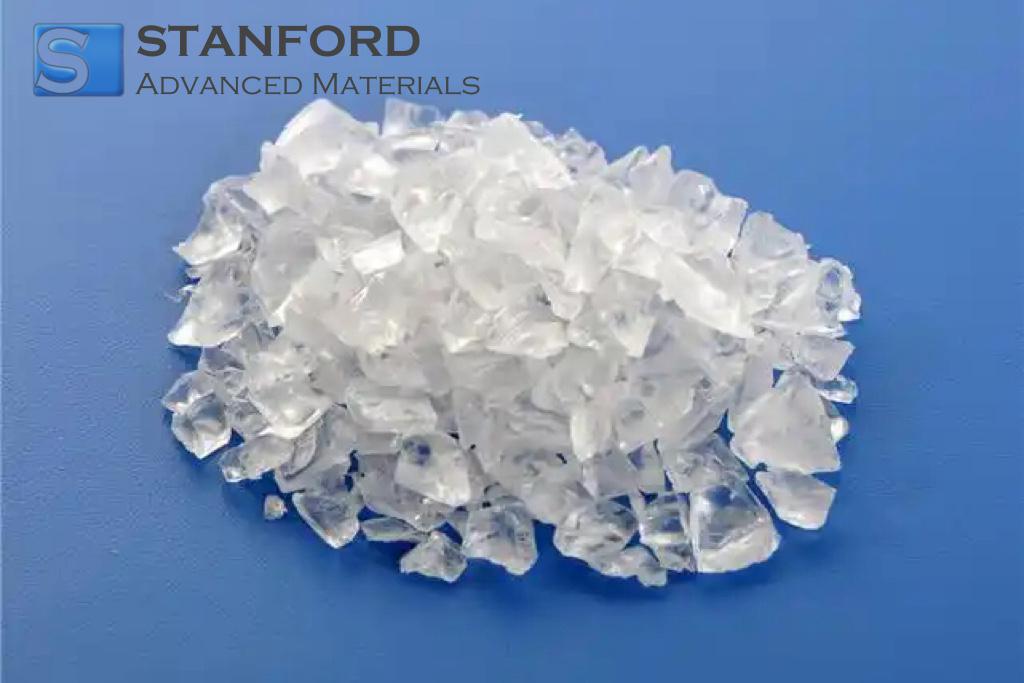
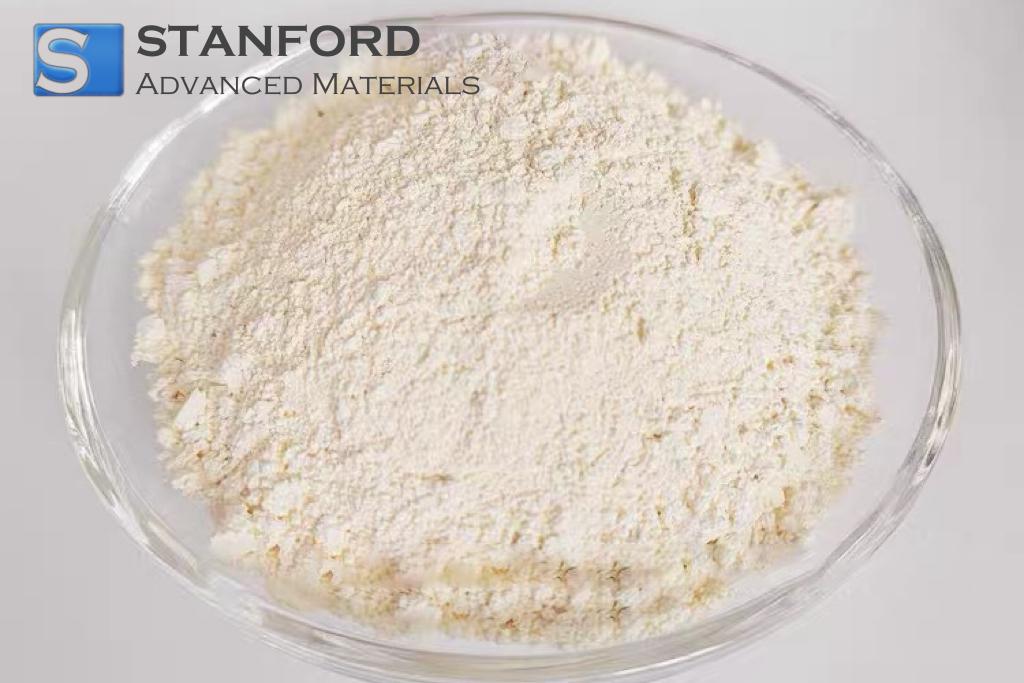
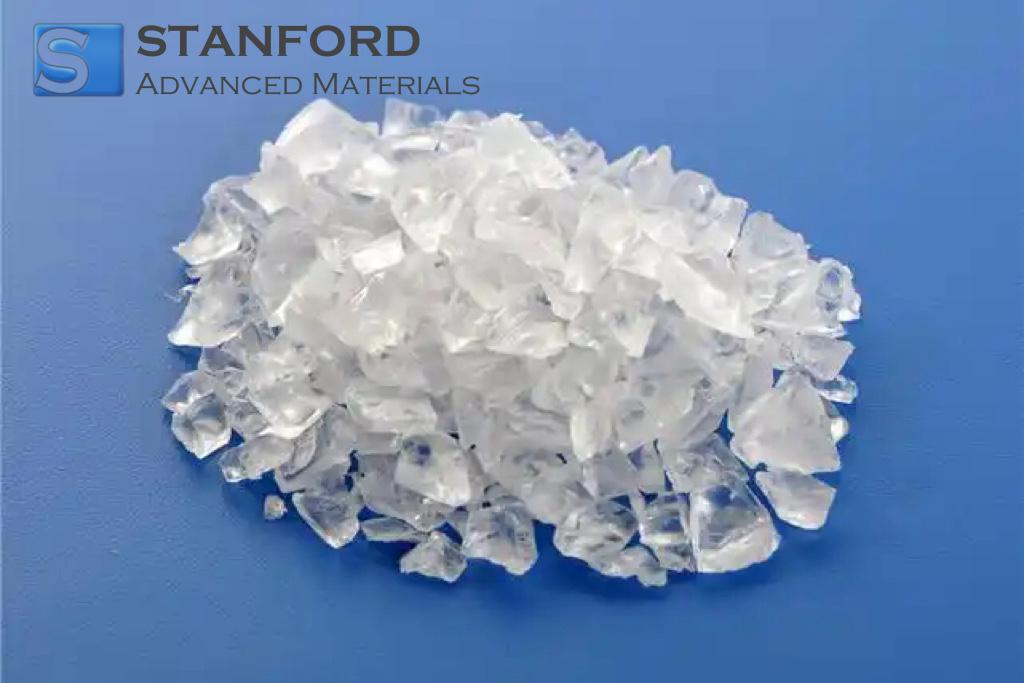
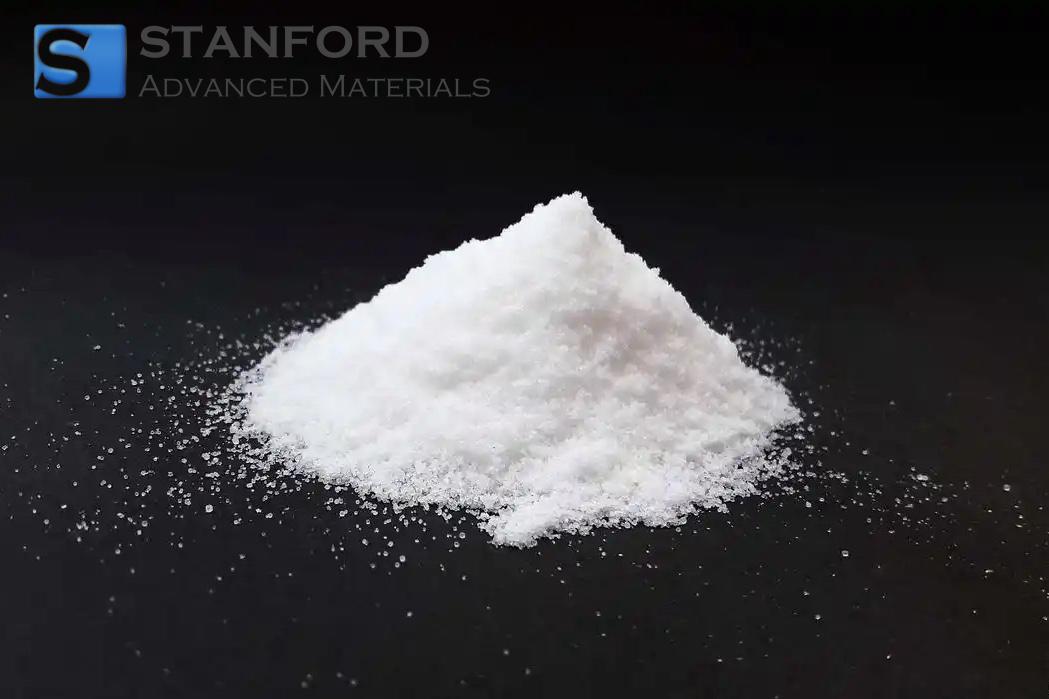
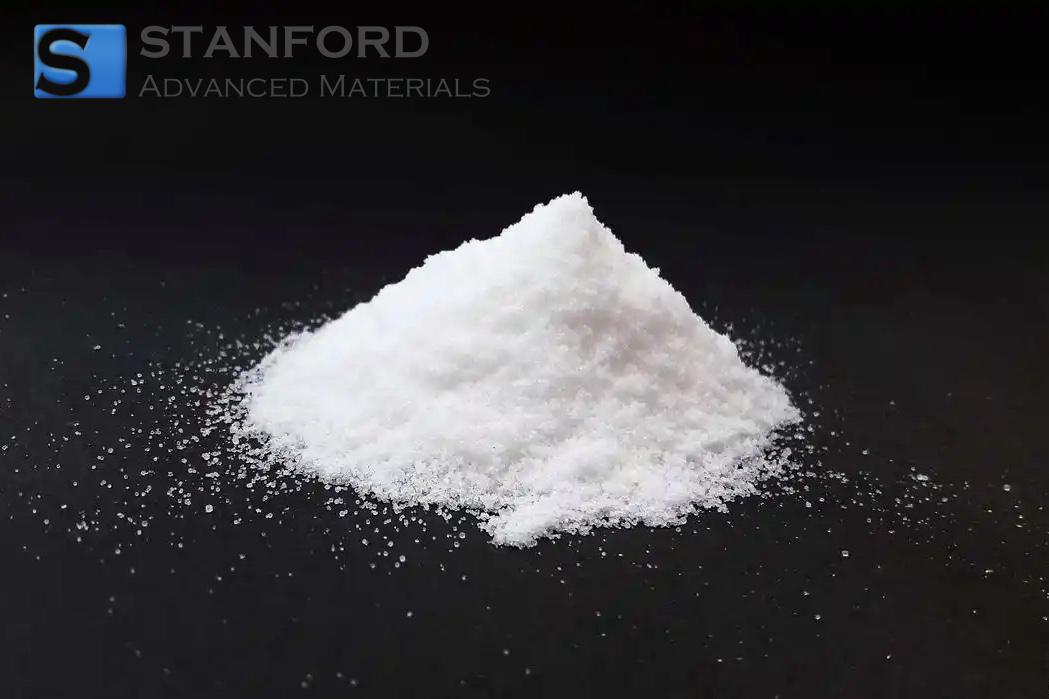
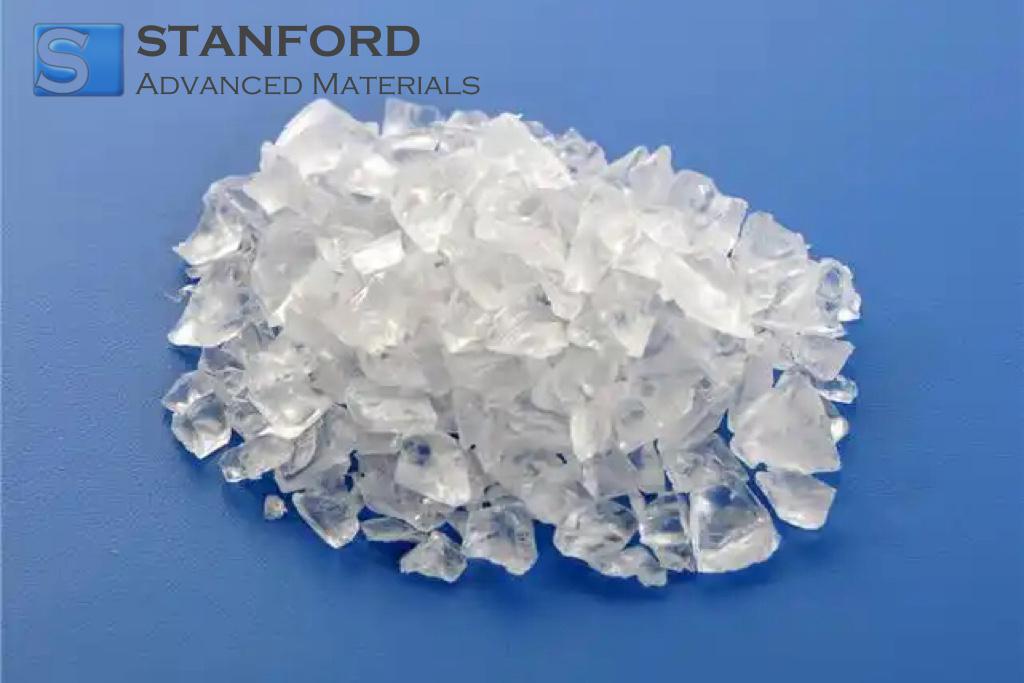
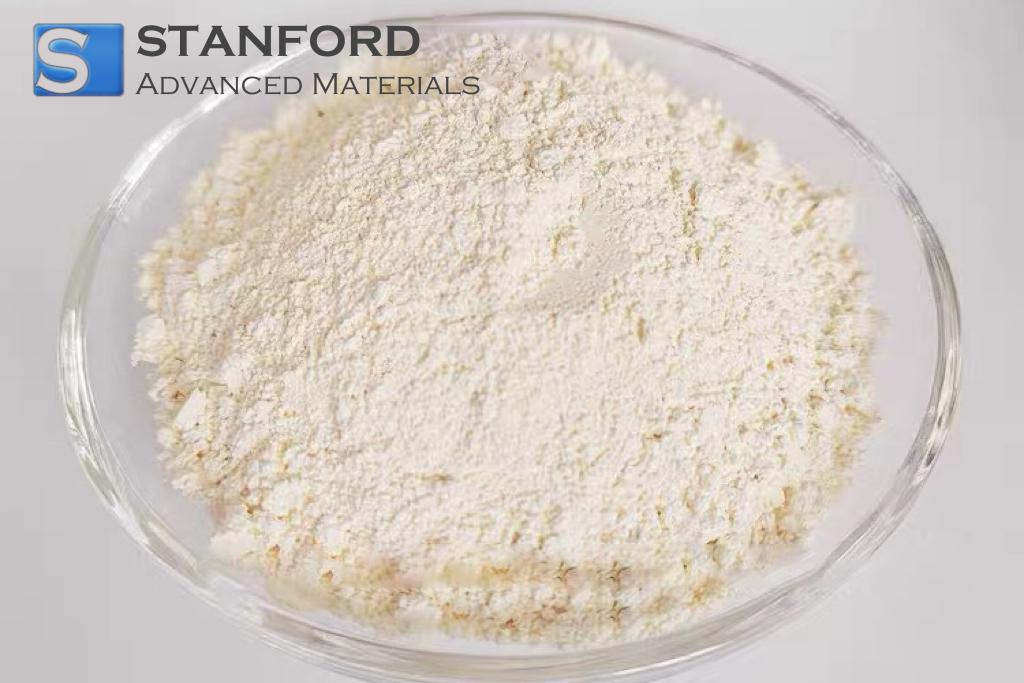
PTMC, Poly(trimethylene carbonate), Lauryl Ester Terminated, IV: 0.5–1.0 dl/g,
Mw: 20–49 kDa Description
This material is a terminally modified poly(trimethylene
carbonate) synthesised to achieve specified viscosity (IV) and molecular weight
(Mw) ranges. The lauryl ester termination contributes to enhanced interaction
with hydrophobic environments while supporting controlled degradation. Its
defined properties make it suitable for biomedical device prototyping and
research, where consistent thermal and mechanical behaviour are essential. The
product's physicochemical attributes enable precise tuning for advanced
biocompatible applications.
PTMC, Poly(trimethylene carbonate), Lauryl Ester Terminated, IV: 0.5–1.0
dl/g, Mw: 20–49 kDa Applications
1.
Biomedical Applications
- Used as a coating in implantable devices to achieve improved tissue
integration by utilising controlled degradation rates.
- Applied as scaffolding in tissue engineering to support cell growth through
its elastic and resorbable characteristics.
2.
Research and Development
- Utilised as an experimental matrix in drug delivery studies to achieve
predictable release profiles by capitalising on its defined molecular weight
control.
PTMC, Poly(trimethylene carbonate), Lauryl Ester Terminated, IV: 0.5–1.0
dl/g, Mw: 20–49 kDa Packing
This product is packaged in moisture-proof, sealed
polyethylene bags placed within secondary anti-static containers to minimise
contamination and mechanical damage. Storage under cool, dry conditions is
recommended to prevent degradation. Inert gas flushing and desiccant integration
are available for customised orders. Packaging options can be tailored to
include specific labels and additional protection based on customer
requirements.
Additional Information
PTMC, Poly(trimethylene carbonate), is a biodegradable and
biocompatible polymer widely studied in the field of biomedical materials.
Known for its amorphous nature, it exhibits excellent biocompatibility and
biodegradability, and remains in a rubbery state with inherent elasticity at
body temperature. Its adjustable degradation profile and processability make it
well-suited for applications such as soft tissue engineering, flexible
implants, and controlled drug delivery systems. Understanding the relationship
between its molecular weight and intrinsic viscosity is essential for tailoring
its performance in specific biomedical and industrial contexts.
The incorporation of lauryl ester termination further
modifies the polymer's hydrophobicity, solubility, and compatibility with
various matrices, thereby expanding its utility in advanced manufacturing and
formulation processes. Ongoing research continues to refine processing
techniques to enhance its performance, reliability, and reproducibility across
a growing range of applications.
Regulatory Note: This material is intended for industrial
and research applications. It is the customer's responsibility to ensure
compliance with all relevant safety and regulatory standards in their intended
use.


 Products
 Bars
Bars
 Beads & Spheres
 Bolts & Nuts
 Crucibles
 Discs
Discs
 Fibers & Fabrics
 Films
Films
 Flake
Flake
 Foams
Foams
 Foil
Foil
 Granules
 Honeycombs
 Ink
Ink
 Laminate
 Lumps
Lumps
 Meshes
 Metallised Film
 Plate
Plate
 Powders
 Rod
Rod
 Sheets
 Single Crystals
 Sputtering Target
 Tubes
Tubes
 Washer
 Wires
Wires
 Converters & Calculators
 Write for Us