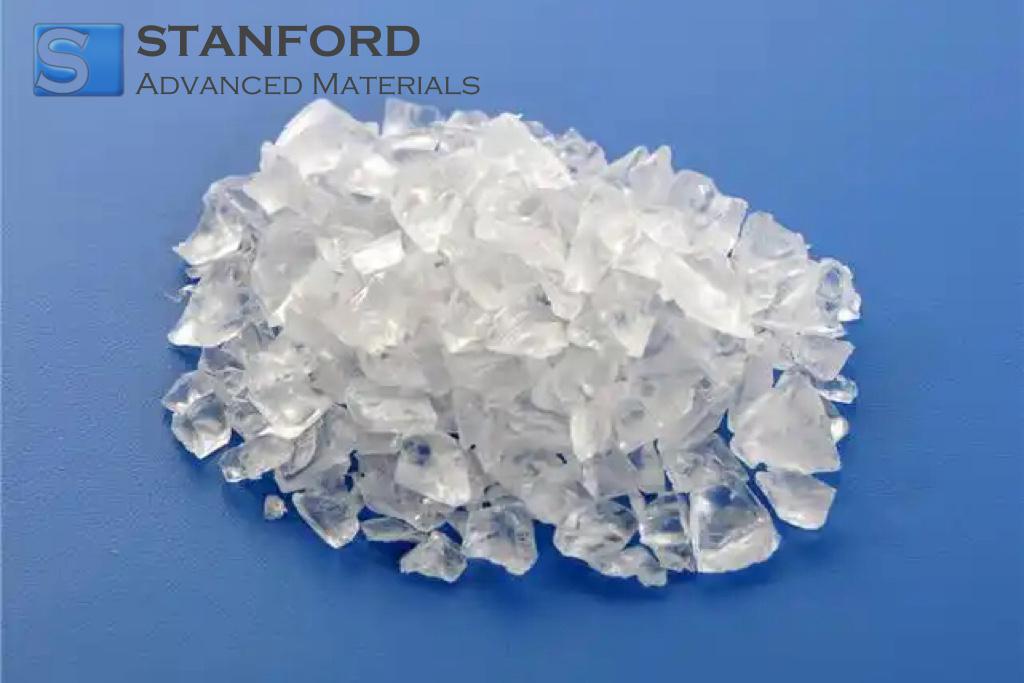
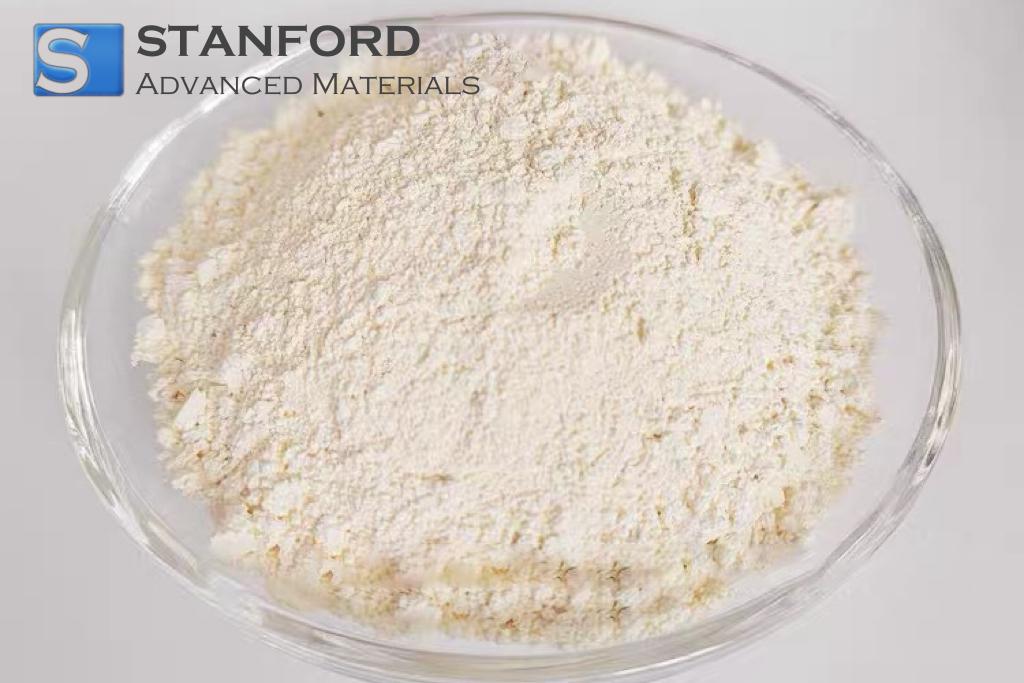
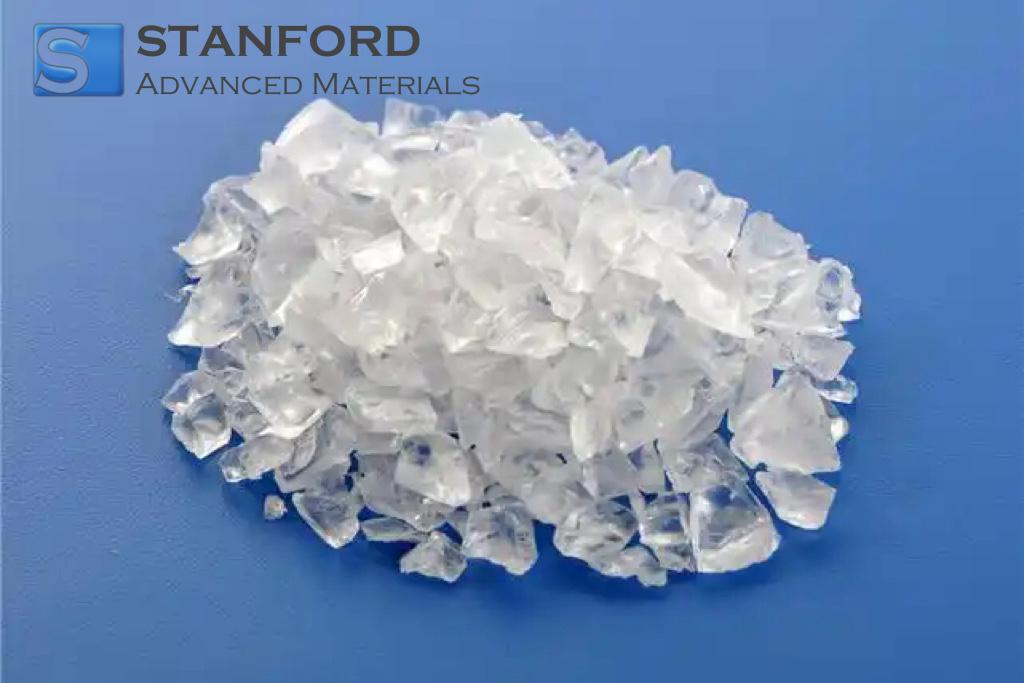
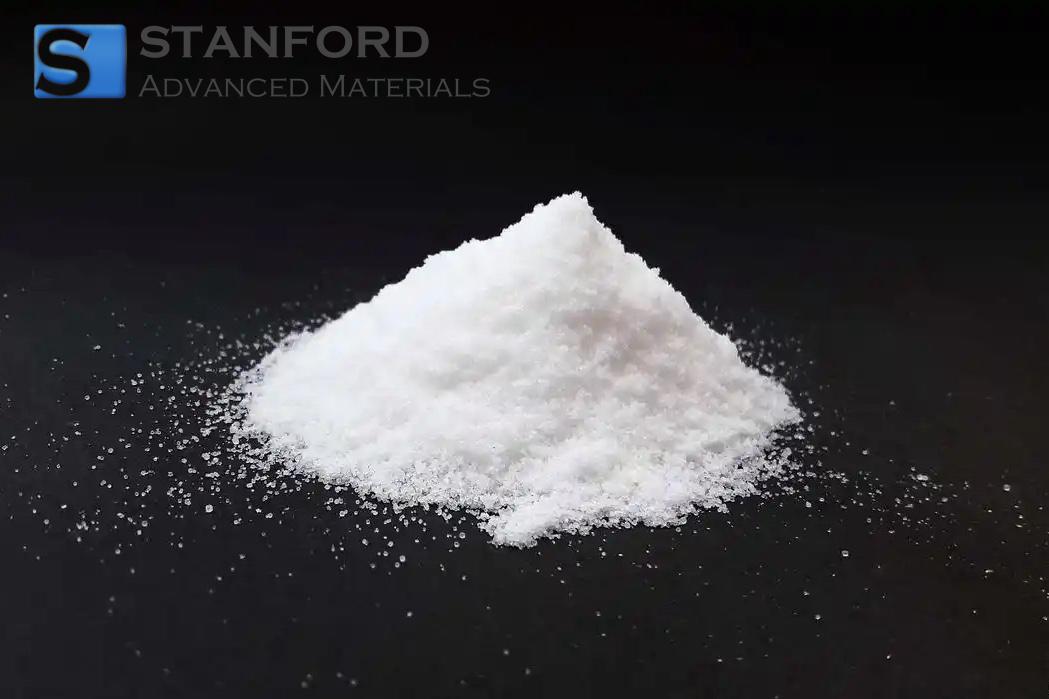
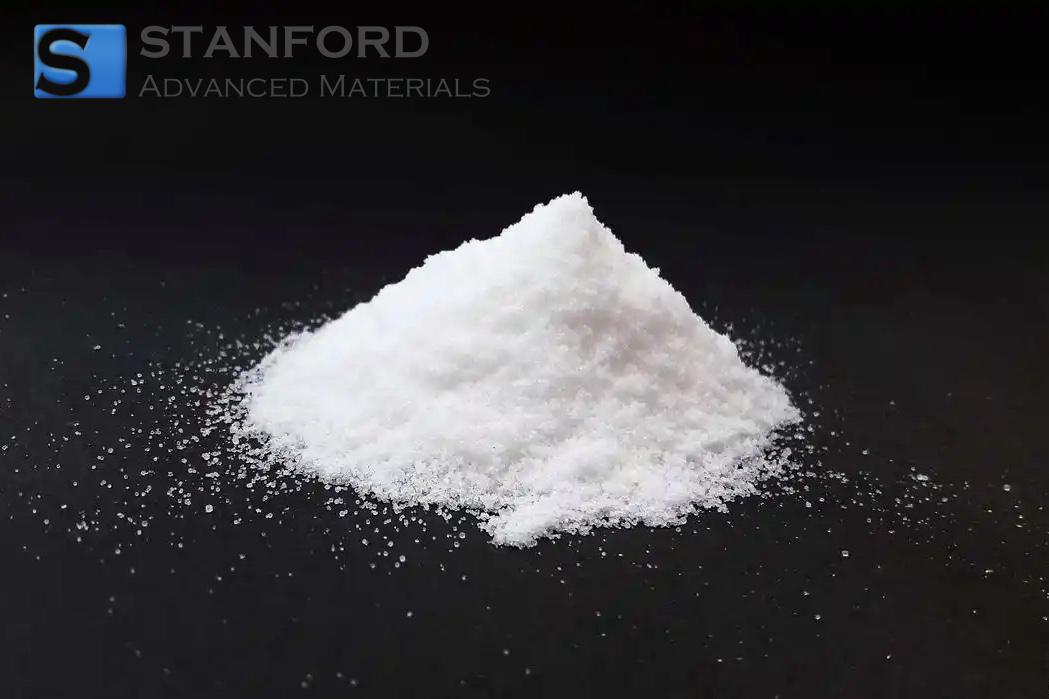
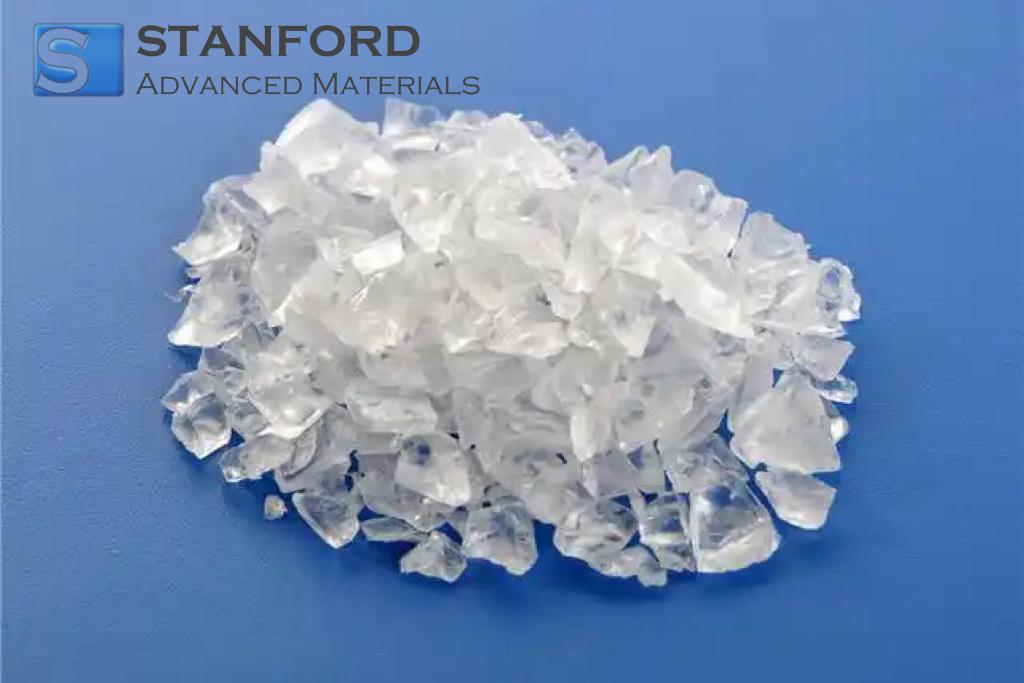
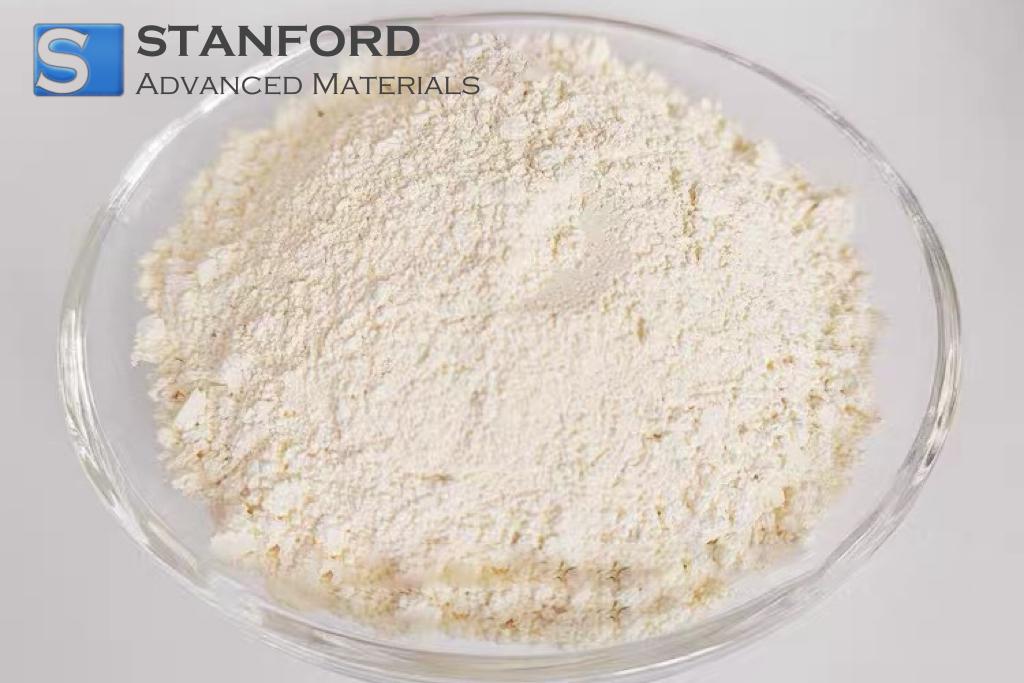
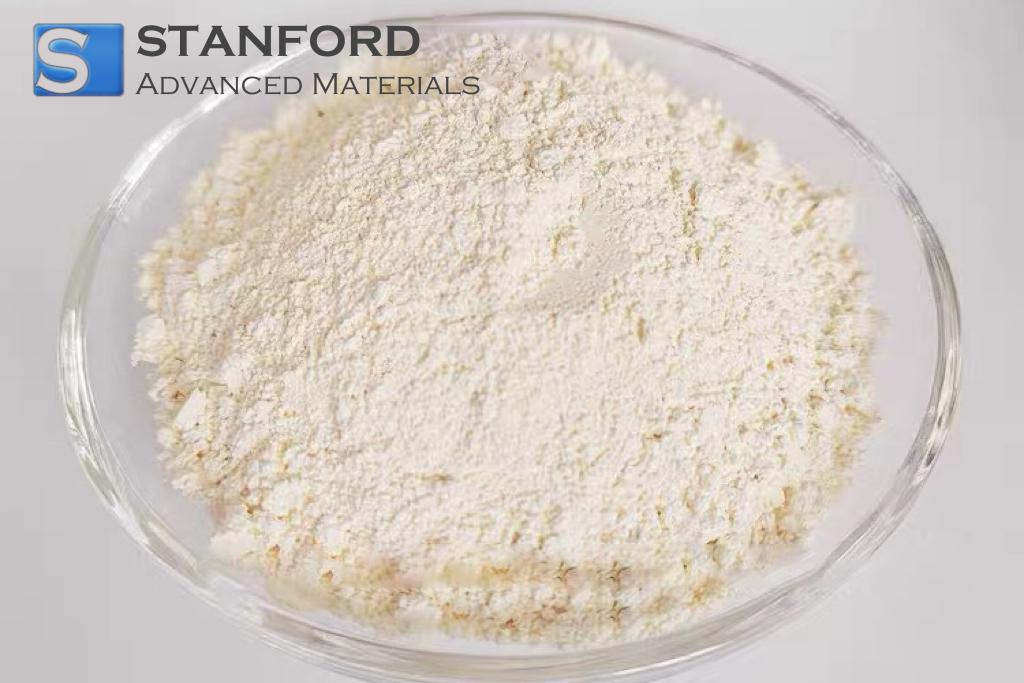
PTMC, Poly(trimethylene carbonate), Lauryl Ester Terminated, IV: 3.0–4.0
dl/g, Mw: 198–285 kDa Description
PTMC, Poly(trimethylene carbonate), Lauryl Ester Terminated,
IV: 3.0–4.0 dl/g, Mw: 198–285 kDa is a high molecular weight biocompatible
polymer known for its tailored intrinsic viscosity range. The lauryl ester
termination plays a crucial role in modulating solubility and processability.
The specified molecular weight range indicates the material is suitable for
applications requiring precise polymer chain structure control, making it
appropriate for fabricating biomedical devices where consistent degradation and
mechanical performance are essential.
PTMC, Poly(trimethylene carbonate), Lauryl Ester Terminated, IV: 3.0–4.0
dl/g, Mw: 198–285 kDa Applications
1.
Healthcare Applications
- Used as a scaffold material in tissue engineering to achieve controlled
cell proliferation by leveraging its biocompatibility and predictable
degradation behaviour.
- Applied in drug delivery systems to tailor the release profile by
utilising its defined molecular weight and ester functionalities.
2.
Medical Device Manufacturing
- Used as a component in implantable devices to maintain mechanical
stability and controlled resorption rates by leveraging its intrinsic
viscosity.
- Serves as an additive in bioresorbable coatings to improve interface
compatibility and ensure gradual material dissolution in physiological
conditions.
PTMC, Poly(trimethylene carbonate), Lauryl Ester Terminated, IV: 3.0–4.0
dl/g, Mw: 198–285 kDa Packing
This product is sealed in moisture-resistant, inert
containers with anti-static linings to guard against environmental
contaminants. It is packed with an inner laminated aluminium pouch and cushioned
within a rigid outer container to minimise physical stress during transport.
Detailed identification labels and accompanying Certificate of Analysis
reinforce traceability. Storage in a cool, dry area is advised to sustain
material characteristics. Custom packaging configurations are available upon
request.
Additional Information
PTMC, Poly(trimethylene carbonate), is a biodegradable and
biocompatible polymer widely studied in the field of biomedical materials.
Known for its amorphous nature, it exhibits excellent biocompatibility and
biodegradability, and remains in a rubbery state with inherent elasticity at
body temperature. Its adjustable degradation profile and processability make it
well-suited for applications such as soft tissue engineering, flexible
implants, and controlled drug delivery systems. Understanding the relationship
between its molecular weight and intrinsic viscosity is essential for tailoring
its performance in specific biomedical and industrial contexts.
The incorporation of lauryl ester termination further
modifies the polymer's hydrophobicity, solubility, and compatibility with
various matrices, thereby expanding its utility in advanced manufacturing and
formulation processes. Ongoing research continues to refine processing
techniques to enhance its performance, reliability, and reproducibility across
a growing range of applications.
Regulatory Note: This material is intended for
industrial and research applications. It is the customer's responsibility to
ensure compliance with all relevant safety and regulatory standards in their
intended use.


 Products
 Bars
Bars
 Beads & Spheres
 Bolts & Nuts
 Crucibles
 Discs
Discs
 Fibers & Fabrics
 Films
Films
 Flake
Flake
 Foams
Foams
 Foil
Foil
 Granules
 Honeycombs
 Ink
Ink
 Laminate
 Lumps
Lumps
 Meshes
 Metallised Film
 Plate
Plate
 Powders
 Rod
Rod
 Sheets
 Single Crystals
 Sputtering Target
 Tubes
Tubes
 Washer
 Wires
Wires
 Converters & Calculators
 Write for Us