{{flagHref}}
Products
  • Products
  • Categories
  • Blog
  • Podcast
  • Application
  • Document
|
/ {{languageFlag}}
Select language
Stanford Advanced Materials {{item.label}}
Stanford Advanced Materials
Select language
Stanford Advanced Materials {{item.label}}

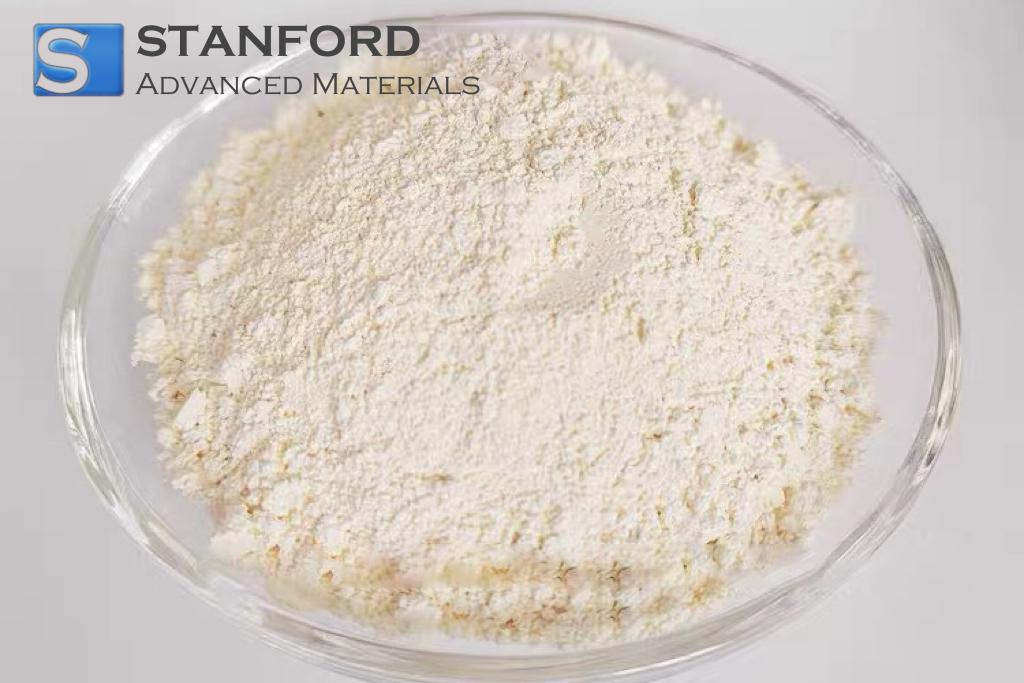
BP11119 PLGA 65:35, Lauryl Ester Terminated, IV ≤ 0.08 dl/g, Mw ≤ 5 kDa

Catalogue Number BP11119
Composition Poly(D, L-lactide-co-glycolide) 65:35, Lauryl Ester Terminated
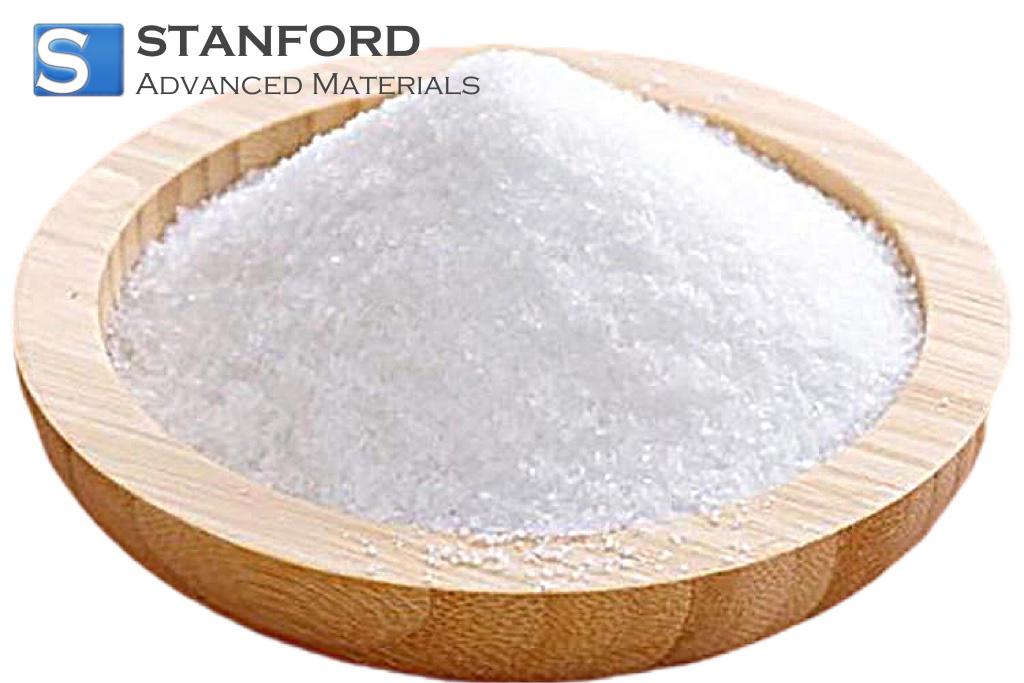
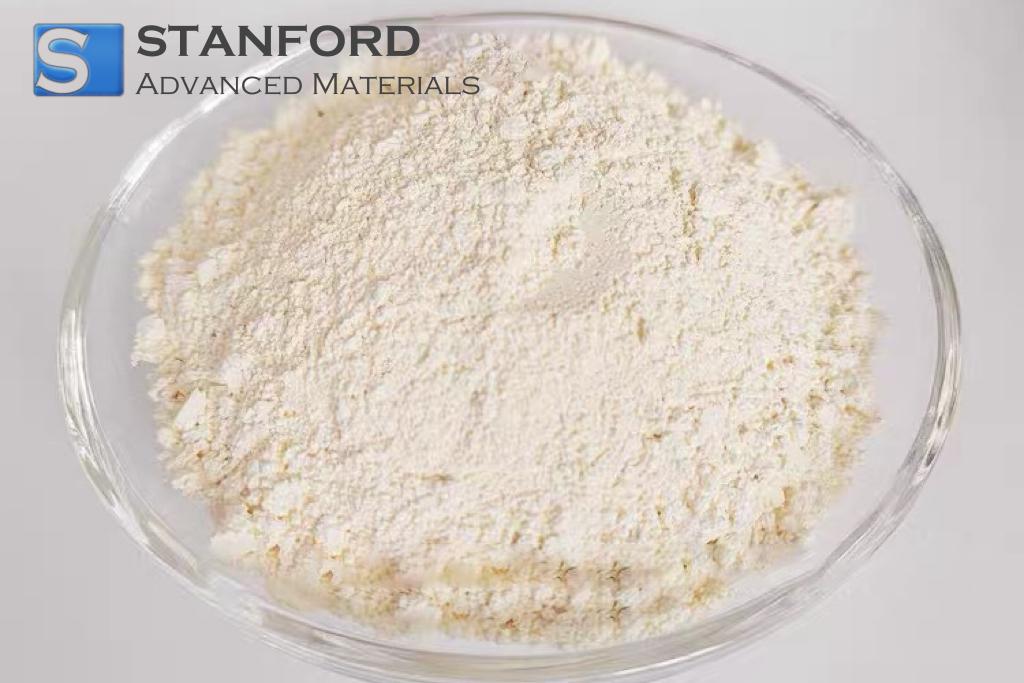
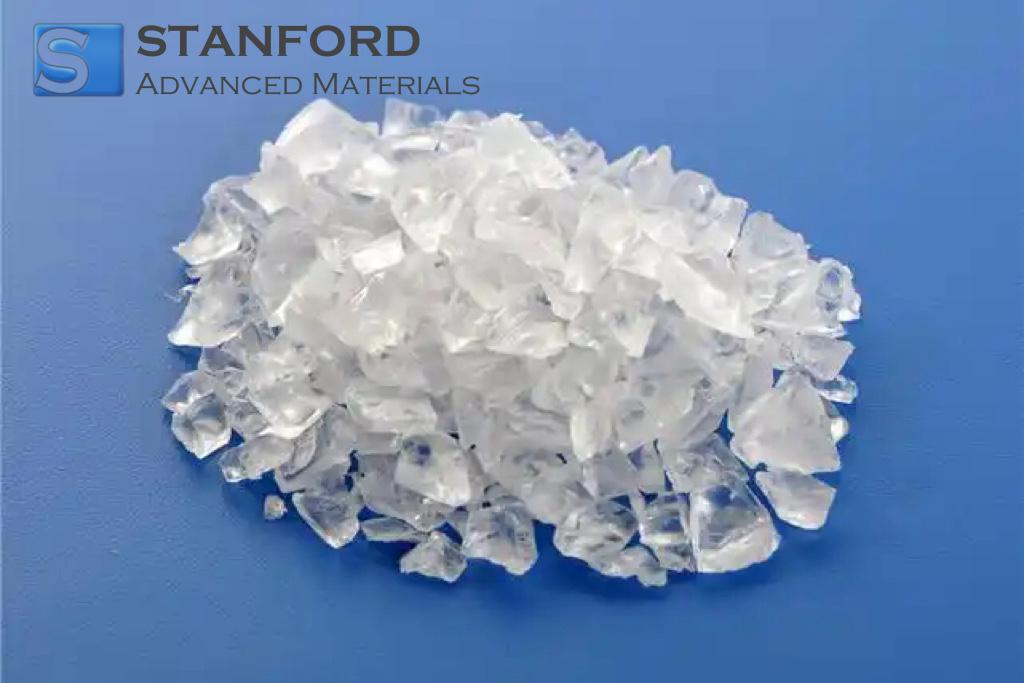
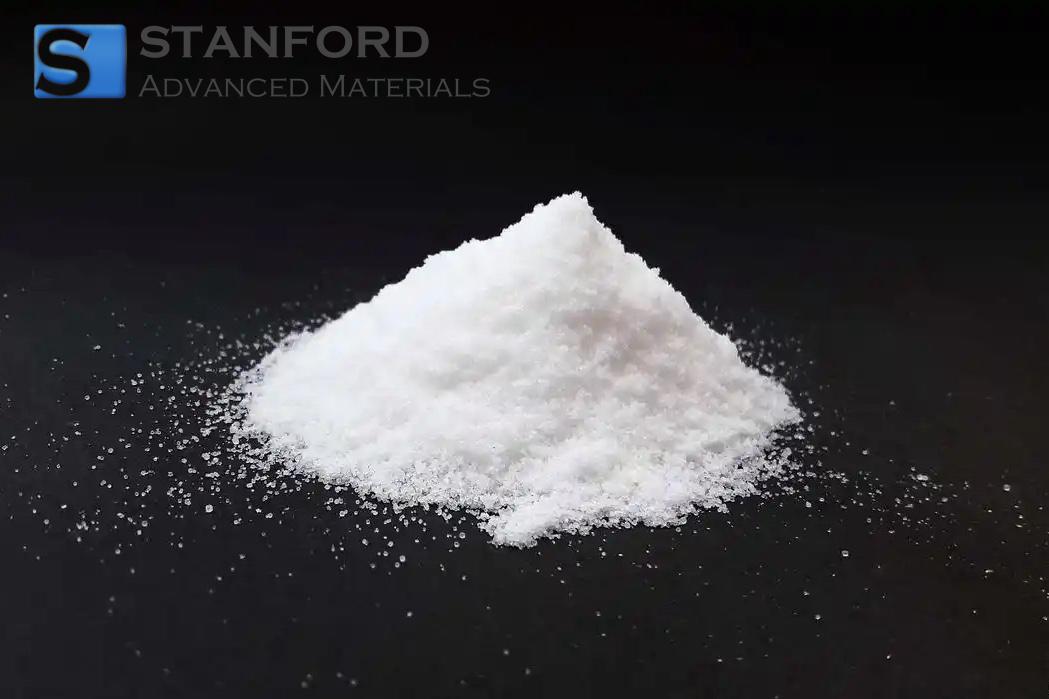
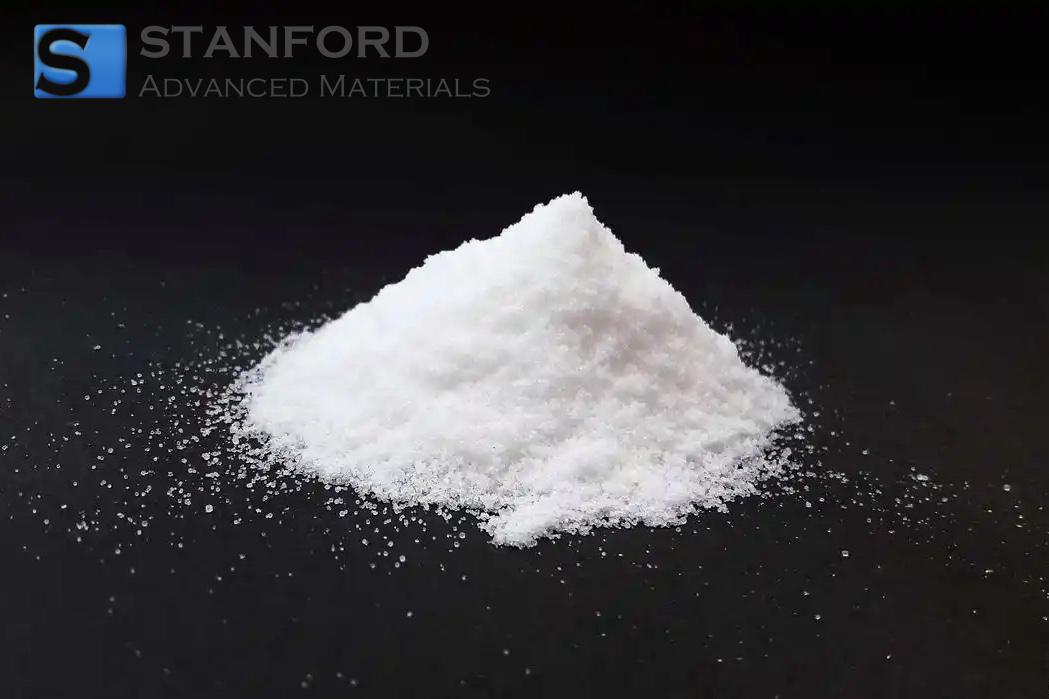
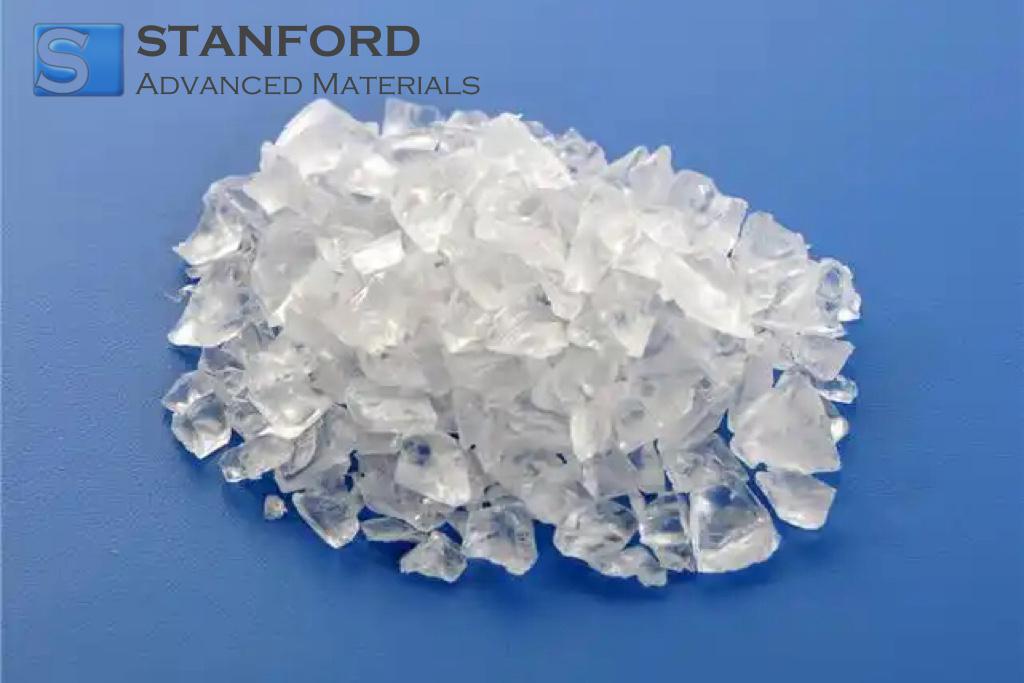
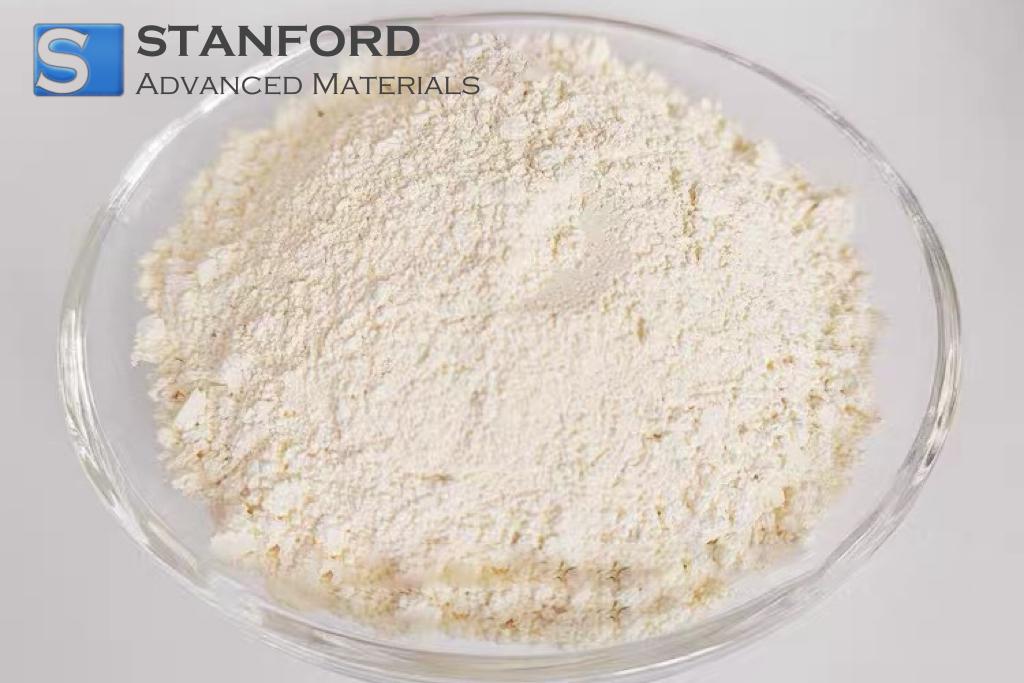
Form Powder

PLGA 65:35, Lauryl Ester Terminated is a functionalised biodegradable copolymer with a lactide-to-glycolide molar ratio of 65:35. The incorporation of lauryl ester end groups increases the polymer's hydrophobicity and modulates its degradation kinetics, making it particularly suitable for sustained-release formulations and hydrophobic drug delivery systems.

Stanford Advanced Materials (SAM) employs controlled synthesis processes and rigorous quality assurance systems, supported by spectroscopic and chromatographic characterisation methods. Intrinsic viscosity is determined using Ubbelohde capillary viscometry, providing key insights into polymer chain length and solution behaviour. Each batch undergoes validated analytical testing to ensure structural consistency, functional reliability, and compliance with specifications for advanced biomedical research and product development.

In addition to the standard 65:35 grade, SAM offers customised synthesis of PLGA copolymers with various lactide-to-glycolide ratios, such as 90:10, 85:15, 80:20, 70:30, 65:35, and 60:40. We also provide tailored molecular weights, end-group modifications, and physical forms to meet diverse application requirements.

INQUIRY
Add to Compare
Description
Specification
Reviews

FAQ

How does lauryl ester termination impact the degradation profile of the polymer?

The lauryl ester termination increases the hydrophobic behaviour, leading to a modified hydrolytic degradation rate. This alteration allows the polymer to exhibit a slower breakdown compared to unmodified PLGA, making it suitable for applications that require extended material performance.

What analytical methods are employed to determine the IV and molecular weight?

Techniques such as Gel Permeation Chromatography (GPC) and viscometry are employed to evaluate the intrinsic viscosity and molecular weight. These methods deliver detailed insight into polymer chain length and structure, ensuring accurate batch characterisation.

Can standard solvent casting techniques be used with this polymer?

Yes, the polymer’s solubility in common organic solvents permits standard solvent casting methods to form films. Controlling evaporation conditions and solvent compatibility are essential to maintain the desired mechanical properties and film integrity.

REQUEST A QUOTE

Send us an inquiry today to learn more and receive the latest pricing. Thank you!

* Your Name
* Your Email
* Product Name
* Your Phone
* Country

United Kingdom

    Comments
    I would like to join the mailing list to receive updates from Stanford Advanced Materials.
    Please enclose drawings:

    Save files here or

    * Check Code
    Accepted file types: PDF, png, jpg, jpeg. Upload multiple files at once; each file must be under 2MB.
    Leave A Message
    Leave A Message
    * Your Name:
    * Your Email:
    * Product Name:
    * Your Phone:
    * Comments: