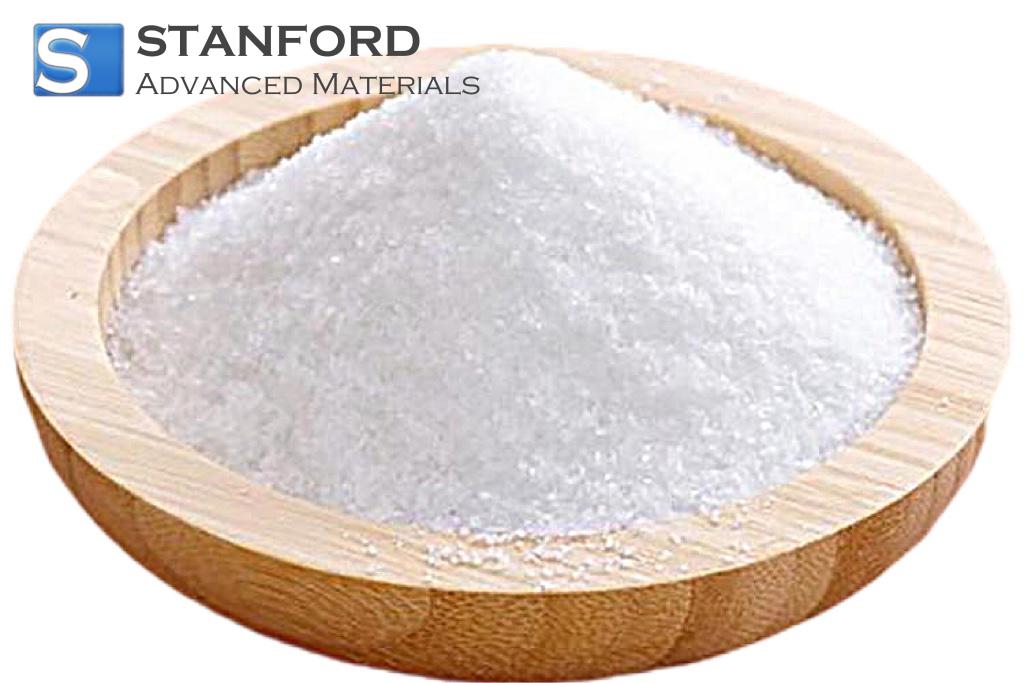
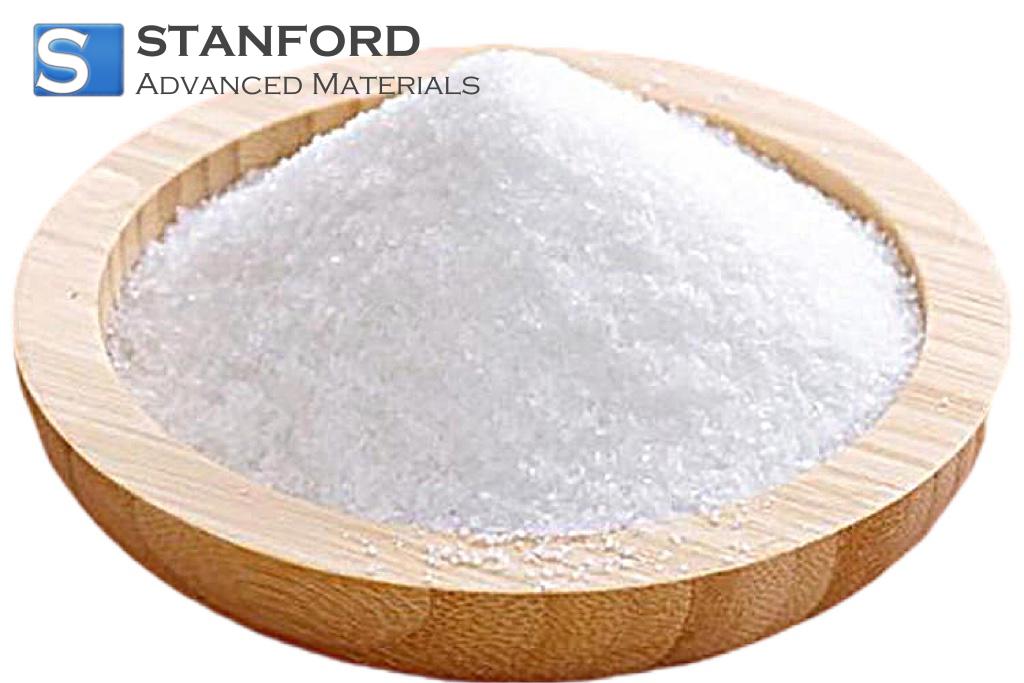
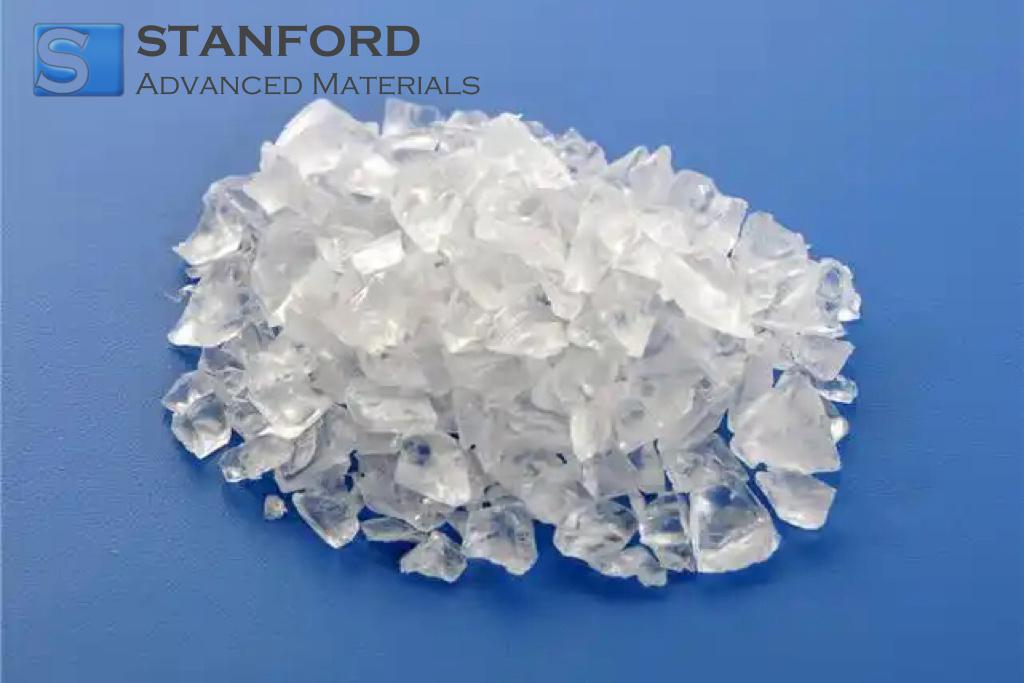
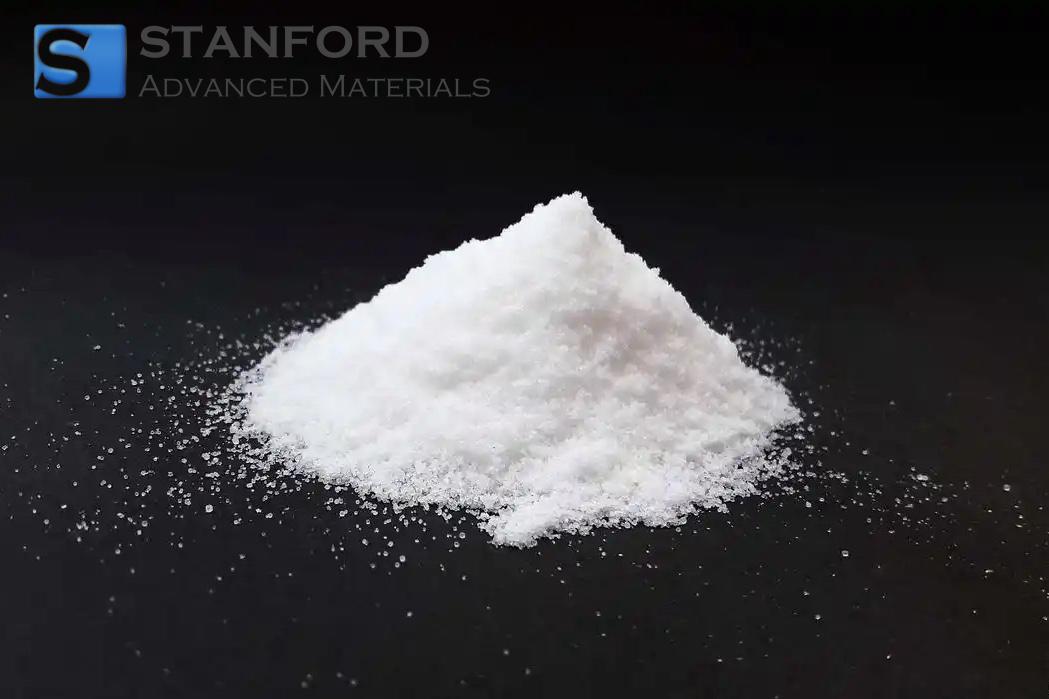
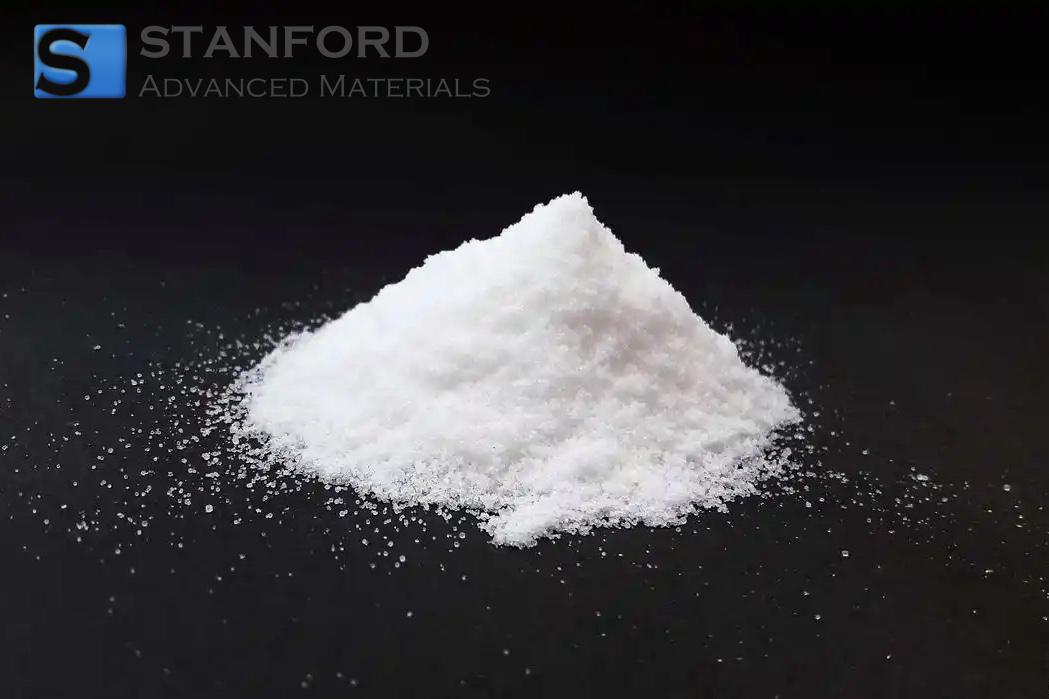
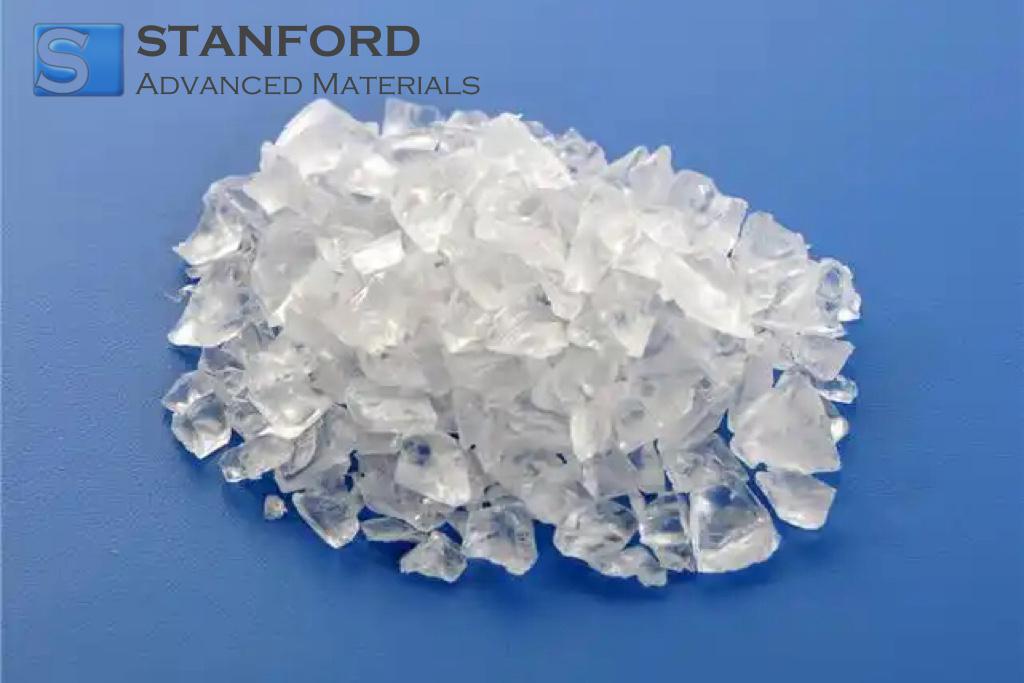
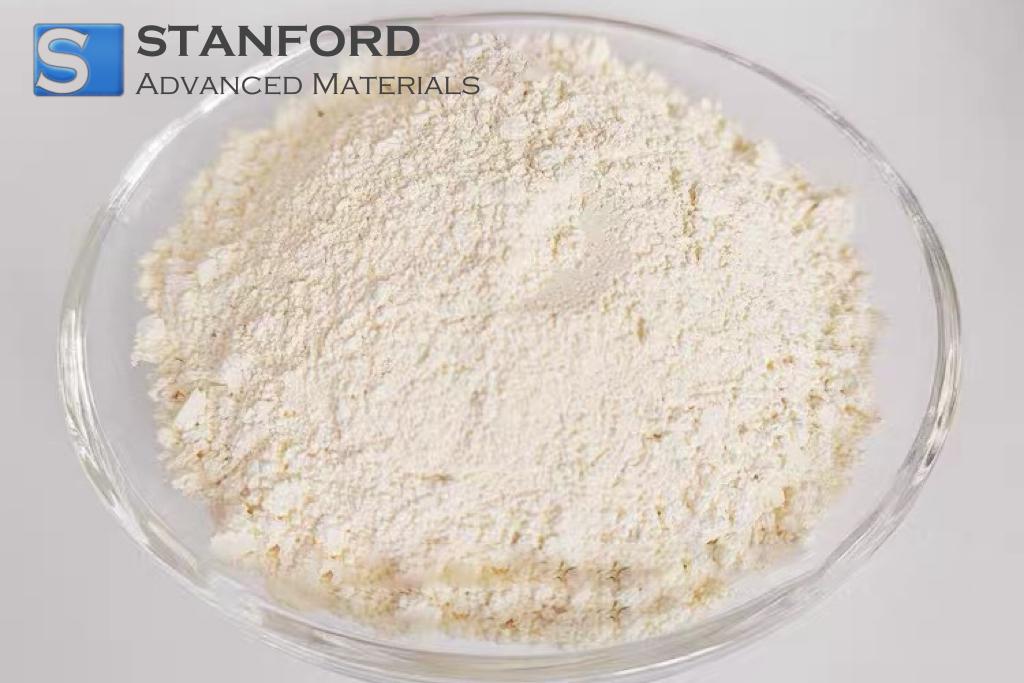
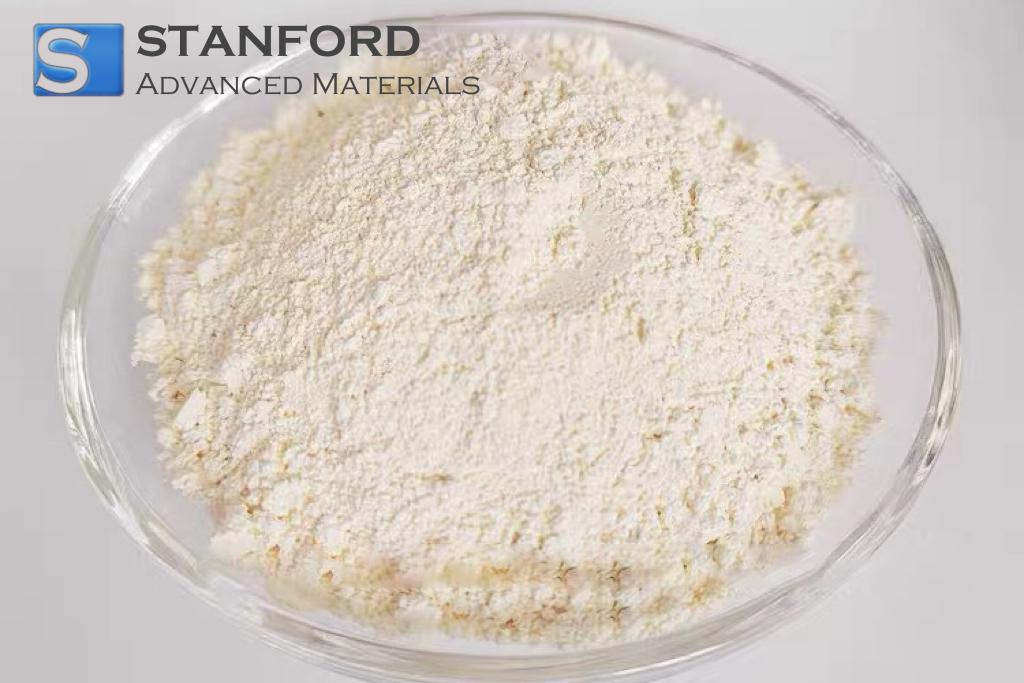
PLGA 65:35, Lauryl Ester Terminated, IV: 1.0–2.0 dl/g, Mw: 158–410 kDa
Description
The material is a poly(lactide-co-glycolide) copolymer with
a 65:35 ratio that has been modified with a lauryl ester termination. Its
intrinsic viscosity (1.0–2.0 dl/g) and molecular weight range (158–410 kDa)
determine its degradation rate and mechanical properties. These features are critical when used as a matrix in drug delivery and tissue engineering,
ensuring controllable breakdown and biocompatibility during in vivo
applications.
PLGA 65:35, Lauryl Ester Terminated, IV: 1.0–2.0 dl/g, Mw: 158–410 kDa
Applications
1.
Healthcare
- Used as a matrix in implantable drug delivery systems to achieve
predictable therapeutic release by leveraging its controlled degradation rate.
- Applied in tissue engineering scaffolds to support cell proliferation by
providing a biodegradable framework with adjustable mechanical properties.
2.
Industrial
- Employed in microencapsulation processes for encapsulating active
ingredients to attain uniform particle formation by utilising its precise
molecular weight distribution.
- Integrated in coating formulations to act as a binder that degrades
uniformly, enhancing process consistency in commercial manufacturing.
3.
Research and Development
- Utilised as a base material in laboratory studies to achieve reproducible
degradation profiles by taking advantage of its lauryl ester termination.
- Applied in formulation development to examine drug release kinetics,
ensuring reliable experimental outcomes in biocompatibility assessments.
PLGA 65:35, Lauryl Ester Terminated, IV: 1.0–2.0 dl/g, Mw: 158–410 kDa
Packing
The product is packaged in sealed, inert containers designed
to prevent moisture ingress and contamination. Each container is cushioned with
anti-static materials and secured to minimise mechanical disturbances during
transit. Storage is recommended at controlled room temperature away from direct
sunlight. Custom packaging options, including tamper-evident seals and secondary
containment, are available to meet specific handling and storage requirements.
Additional Information
Poly(lactide-co-glycolide) copolymers are widely studied for
their biodegradable and tunable properties, which make them suitable for
various biomedical applications. The degradation profile can be modulated by
adjusting the lactic to glycolic acid ratio and end-group modifications,
providing researchers with a versatile material for designing systems that
require temporal control over material breakdown. Such innovations have
significant implications in developing advanced drug delivery systems
and resorbable implants.
Research continues on refining synthesis and quality control
measures to ensure that these engineered polymers consistently meet
application-specific demands. This ongoing work enhances the
understanding of polymer degradation kinetics and influences developments
in medical device design and tissue engineering strategies.
Regulatory Note: This material is intended for
industrial and research applications. It is the customer's responsibility to
ensure compliance with all relevant safety and regulatory standards in their
intended use.


 Products
 Bars
Bars
 Beads & Spheres
 Bolts & Nuts
 Crucibles
 Discs
Discs
 Fibers & Fabrics
 Films
Films
 Flake
Flake
 Foams
Foams
 Foil
Foil
 Granules
 Honeycombs
 Ink
Ink
 Laminate
 Lumps
Lumps
 Meshes
 Metallised Film
 Plate
Plate
 Powders
 Rod
Rod
 Sheets
 Single Crystals
 Sputtering Target
 Tubes
Tubes
 Washer
 Wires
Wires
 Converters & Calculators
 Write for Us