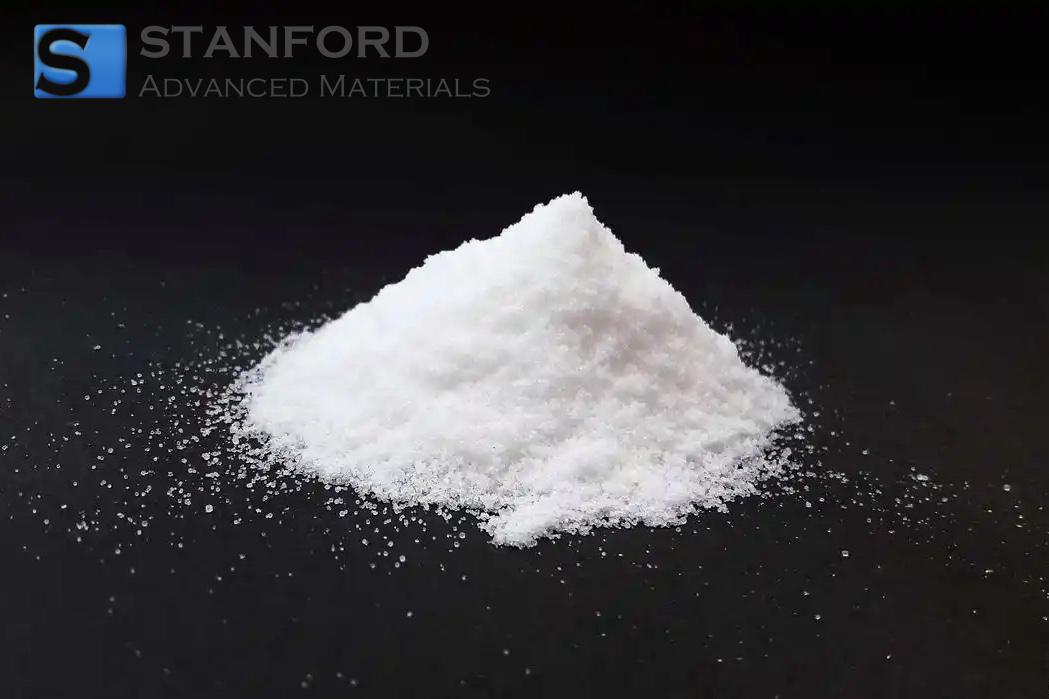
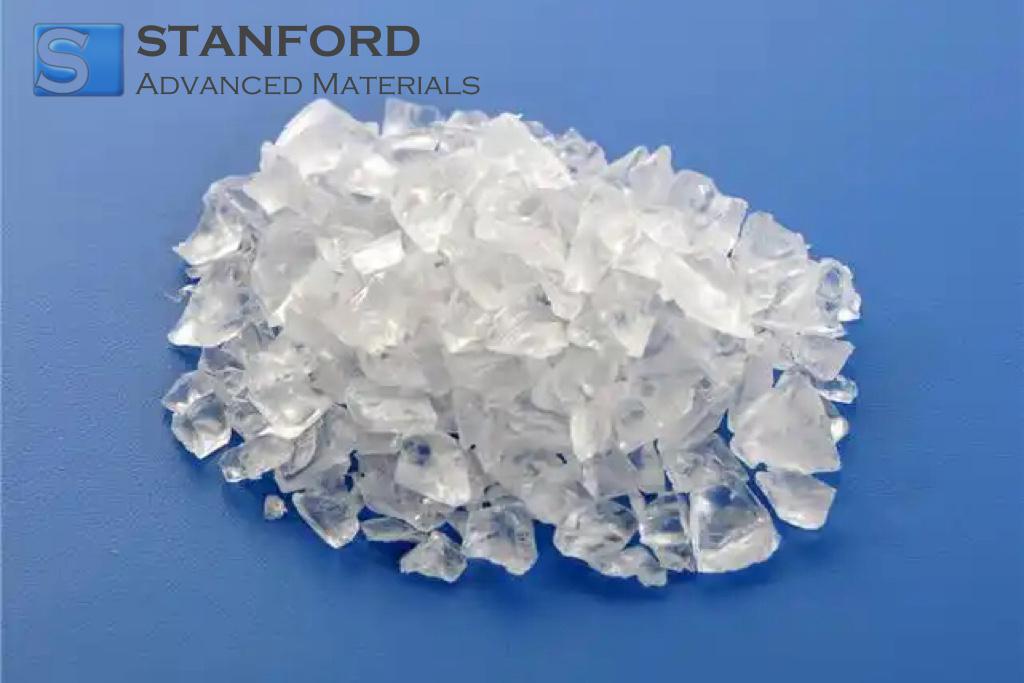
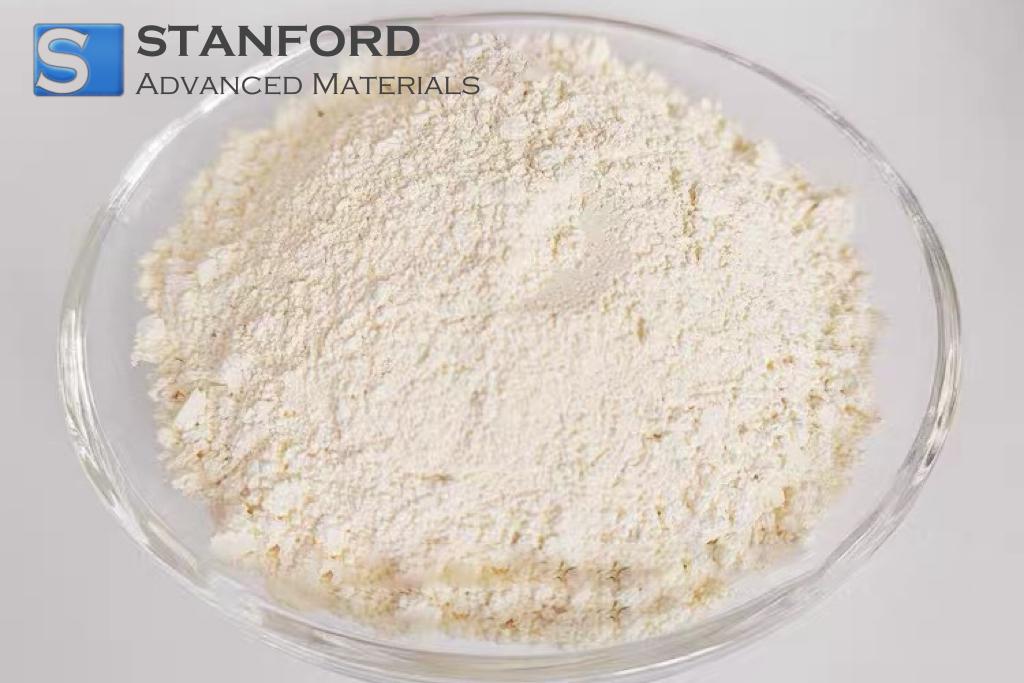
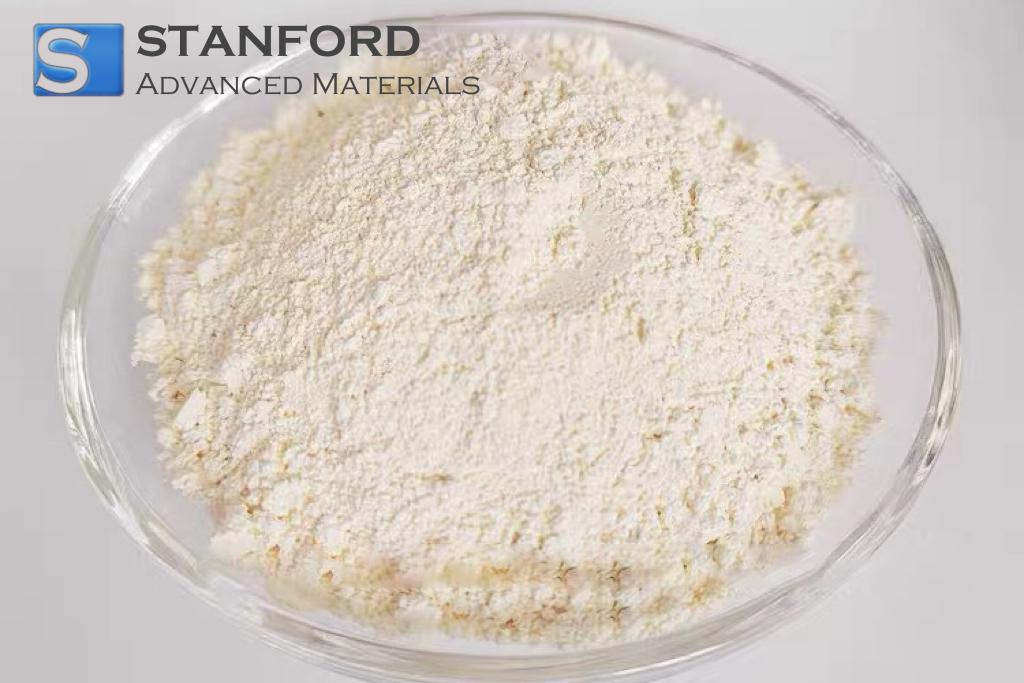
PLGA 65:35, Carboxyl-Terminated, IV: 0.18–0.25 dl/g, Mw: 15–24 kDa
Description
PLGA 65:35, Carboxyl-Terminated, IV: 0.18–0.25 dl/g, Mw:
15–24 kDa is a copolymer of lactic and glycolic acids with a 65:35 ratio,
modified with carboxyl terminal groups. The specified intrinsic viscosity and
molecular weight range determine its degradation behaviour and mechanical
integrity. This composition facilitates its use in applications where gradual
polymer erosion and biocompatibility are critical for performance.
PLGA 65:35, Carboxyl-Terminated, IV: 0.18–0.25 dl/g, Mw: 15–24 kDa
Applications
1.
Healthcare Applications
- Used as a scaffold component in tissue engineering to achieve controlled
cell growth by leveraging predictable biodegradation rates.
- Applied in bioresorbable implant systems to manage drug release kinetics
by exploiting its hydrolytic degradation properties.
2.
Pharmaceutical Applications
- Employed as a matrix in controlled drug delivery devices to achieve
sustained therapeutic release by utilising its defined molecular weight and
degradation profile.
- Serves as a carrier in injectable depot formulations to maintain dosage
consistency through gradual polymer erosion.
3.
Research Applications
- Used as a model polymer in biomaterials research to investigate
degradation behaviour and cell-material interactions by leveraging its
well-characterised properties.
PLGA 65:35, Carboxyl-Terminated, IV: 0.18–0.25 dl/g, Mw: 15–24 kDa Packing
The product is packaged in airtight, moisture-resistant
containers to prevent contamination and degradation. Protective materials such
as anti-static and cushioned inserts are used during shipment. Storage in a
cool, dry environment is recommended to maintain polymer integrity. Custom
packaging options, including inert atmosphere sealing, are available upon
request to meet specific research or industrial protocols.
Additional Information
Biodegradable polymers like PLGA are extensively studied for
their ability to safely degrade into non-toxic byproducts. Their controlled
erosion profiles make them suitable for a variety of biomedical applications,
particularly where transient support during tissue regeneration is required.
The scientific community values detailed characterisation data, such as
intrinsic viscosity and molecular weight, to predict in vivo performance.
In the broader context of biomaterials, understanding
polymer degradation kinetics is crucial for designing systems that interact
effectively with biological tissues. Research in this area continues to enhance
the precision of drug delivery systems and tissue scaffolding, bridging
material science with clinical applications.
Regulatory Note: This material is intended for
industrial and research applications. It is the customer's responsibility to
ensure compliance with all relevant safety and regulatory standards in their
intended use.


 Products
 Bars
Bars
 Beads & Spheres
 Bolts & Nuts
 Crucibles
 Discs
Discs
 Fibers & Fabrics
 Films
Films
 Flake
Flake
 Foams
Foams
 Foil
Foil
 Granules
 Honeycombs
 Ink
Ink
 Laminate
 Lumps
Lumps
 Meshes
 Metallised Film
 Plate
Plate
 Powders
 Rod
Rod
 Sheets
 Single Crystals
 Sputtering Target
 Tubes
Tubes
 Washer
 Wires
Wires
 Converters & Calculators
 Write for Us