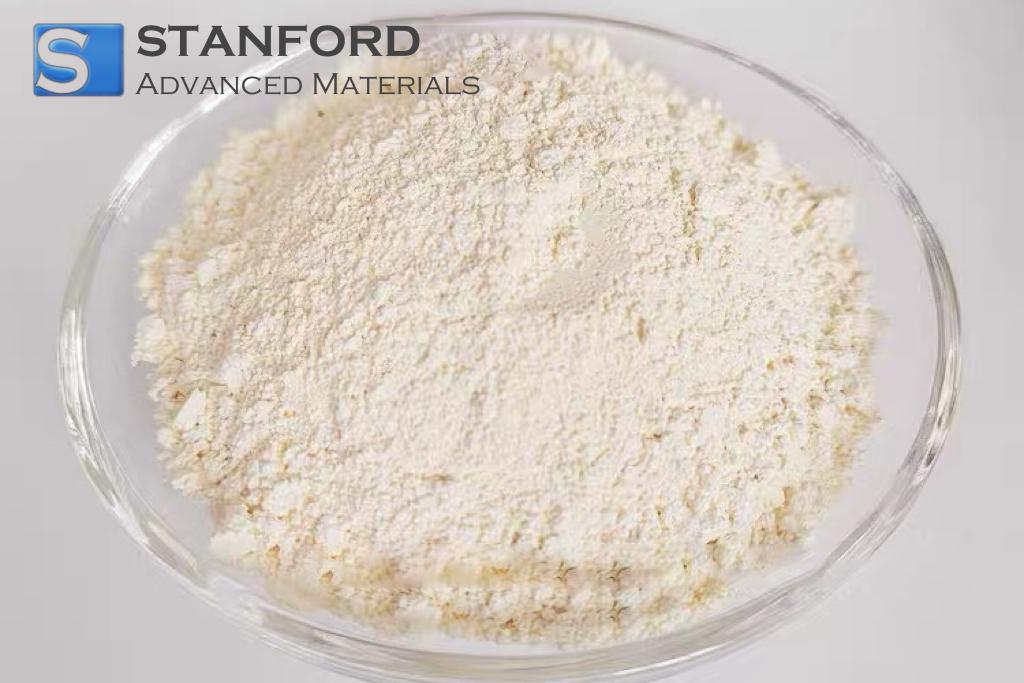
PLGA 65:35, Hydroxyl Terminated, IV: 0.08–0.18 dl/g, Mw: 5–15 kDa Description
Poly(lactic-co-glycolic acid) (PLGA) with a 65:35 lactic to glycolic acid ratio and hydroxyl termination is formulated for controlled degradation. The stated inherent viscosity (IV) reflects the molecular chain length which directly influences degradation kinetics and mechanical properties. The specified molecular weight range of 5–15 kDa ensures a balance between processability and performance, making it suitable for precision applications in drug delivery systems and tissue scaffolding.
PLGA 65:35, Hydroxyl Terminated, IV: 0.08–0.18 dl/g, Mw: 5–15 kDa Applications
1. Healthcare
- Use as a matrix in drug delivery systems to achieve sustained release by leveraging predictable hydrolytic degradation.
- Applied in biodegradable sutures where controlled resorption minimises long-term tissue irritation.
2. Biomedical Research
- Used as scaffold material in tissue engineering to promote cell adhesion and proliferation by exploiting its biocompatible degradation behaviour.
- Applied as a carrier for bioactive agents, offering precise control over release kinetics via molecular weight tuning.
3. Pharmaceutical Processing
- Employed as a component in formulation trials for encapsulated therapies to improve dosage consistency by taking advantage of its reproducible degradation profile.
PLGA 65:35, Hydroxyl Terminated, IV: 0.08–0.18 dl/g, Mw: 5–15 kDa Packing
The material is packaged in moisture-resistant, sealed containers to prevent exposure to humidity and contaminants. The powder is securely placed in anti-static bags within rigid secondary packaging to safeguard against physical impact. Storage under controlled ambient conditions is recommended. Custom packaging options, including inert gas flush and temperature-controlled containers, are available upon request to ensure optimal preservation and handling.
Additional Information
Biodegradable polymers like PLGA play a significant role in modern biomedical applications. Their hydrolytic degradation leads to non-toxic byproducts, making them suitable for temporary implants and controlled drug release systems. Understanding the relationship between molecular weight, viscosity, and degradation kinetics is essential for tailoring material properties to specific applications.
Ongoing research in polymer science continues to refine these materials for improved functionality in tissue engineering and regenerative medicine. The systematic evaluation of process parameters, including polymerisation conditions and end-group modifications, contributes to enhanced performance and reliability in critical biomedical applications.
Regulatory Note: This material is intended for industrial and research applications. It is the customer's responsibility to ensure compliance with all relevant safety and regulatory standards in their intended use.
Specification
|
Specification
|
Details
|
|
Material Description
|
65:35 D, L-PLGA with hydroxyl end group
|
|
Appearance
|
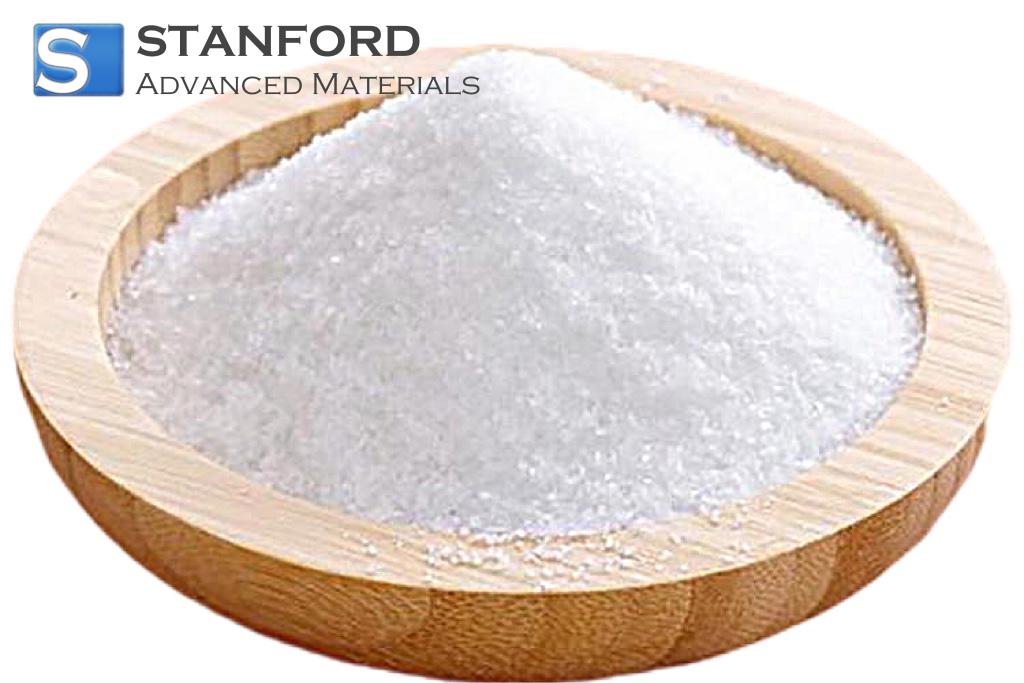
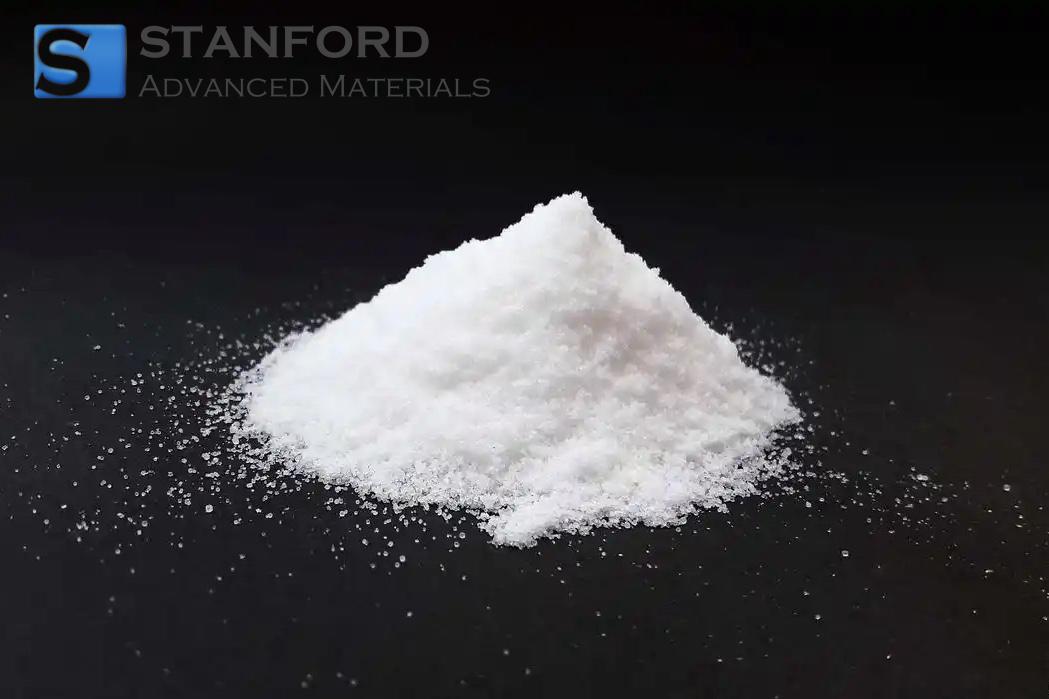
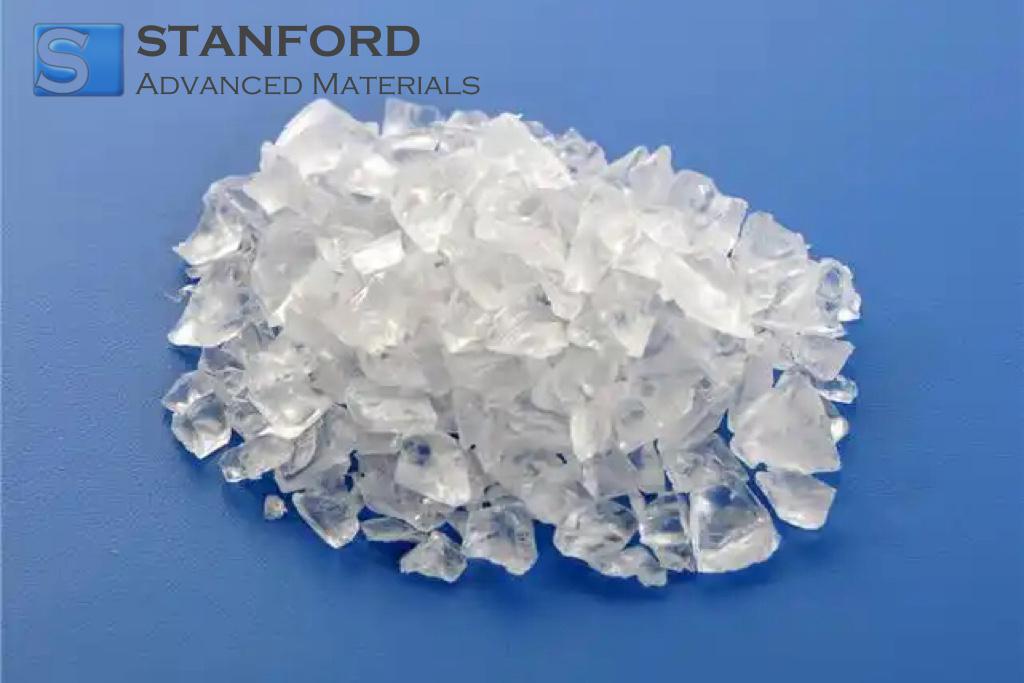
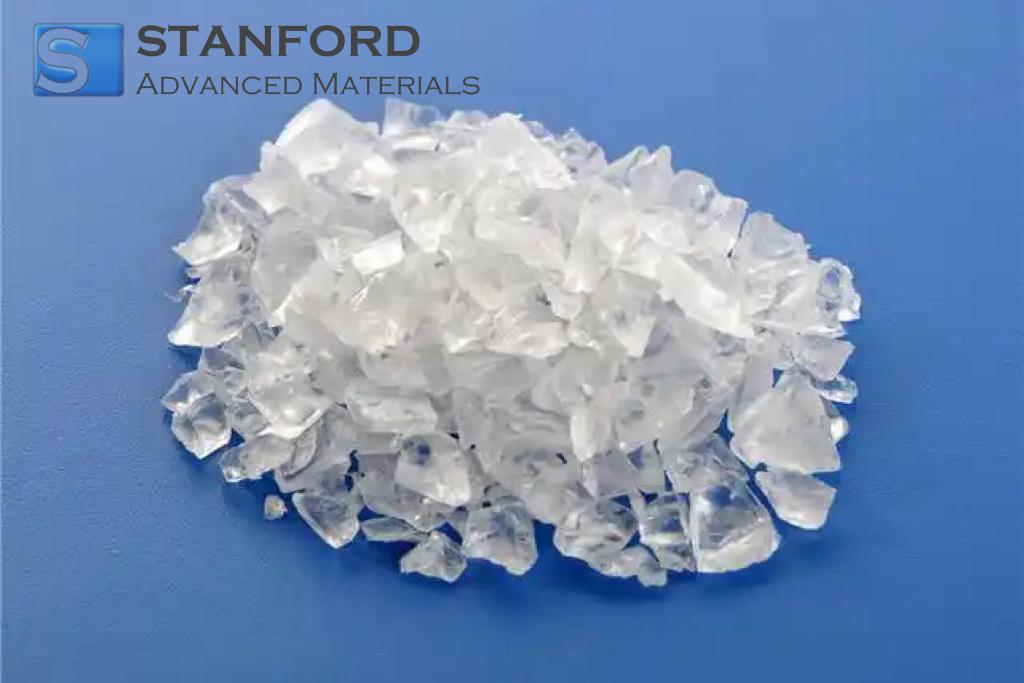
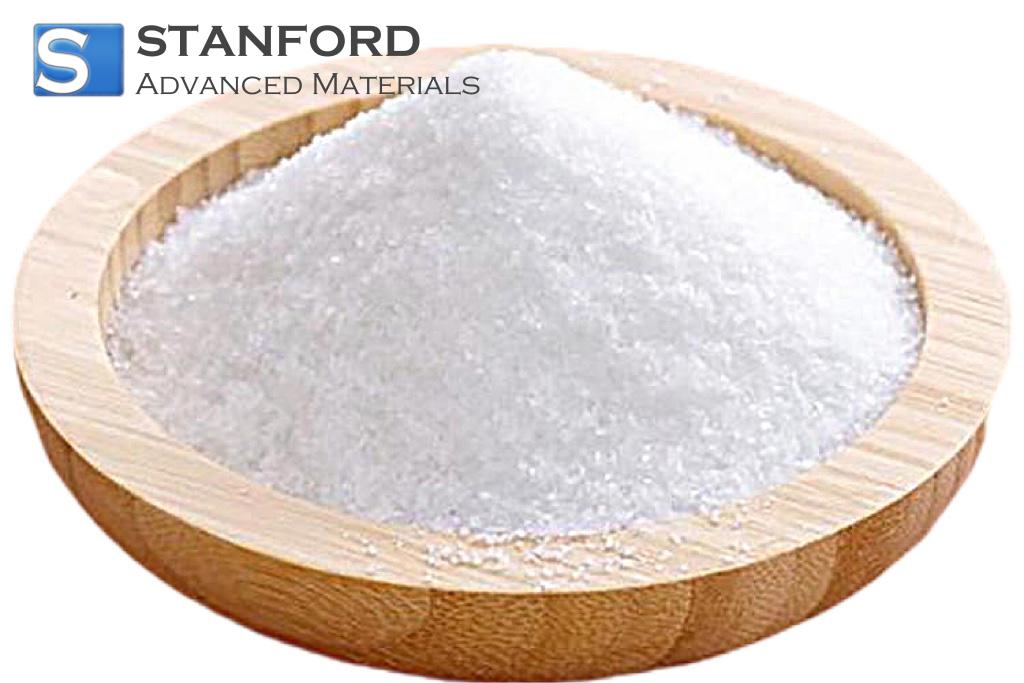
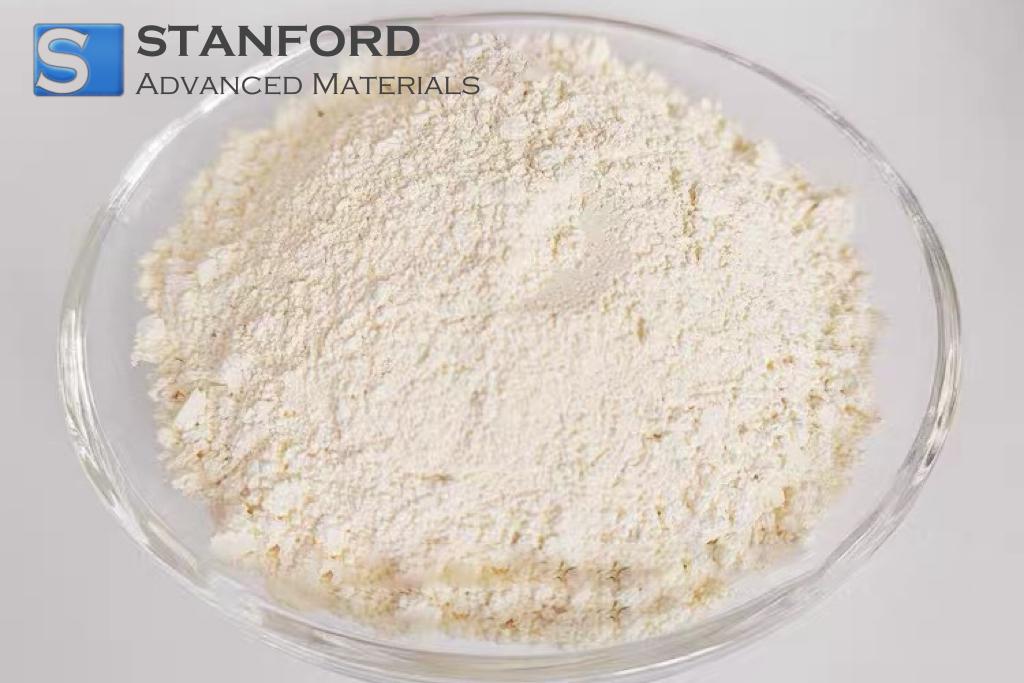
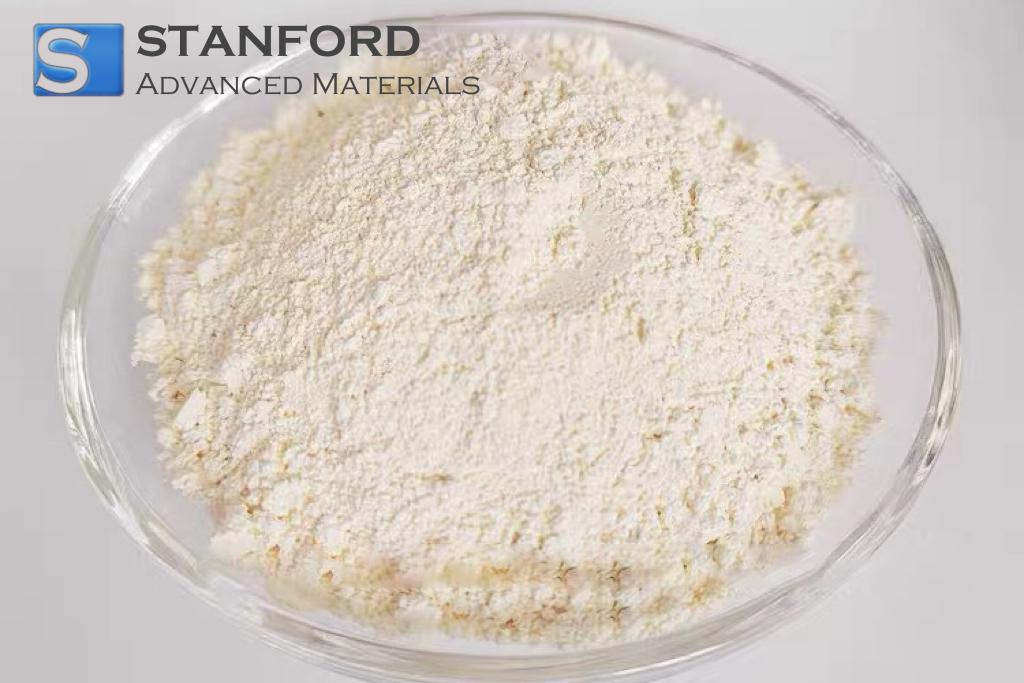
White to pale-yellow powder or granules
|
|
Glass Transition Temperature (Tg)
|
45–55°C (Typical)
|
|
Molecular Weight (Mw)
|
5–15 kDa
|
|
Intrinsic Viscosity (IV)
|
0.08–0.18 dl/g
|
|
Loss on Drying
|
≤ 0.5 %
|
|
Residue on Ignition
|
≤ 0.5 %
|
|
Total Heavy Metals
|
≤ 10 ppm
|
|
Catalyst Residue
|
≤ 200 ppm
|
|
Monomer Residue
|
≤ 1 %
|
*The above product information is based on theoretical data and is for reference only. Actual specifications may vary.
CUSTOMER REVIEWS
No reviews for current products.


 Products
 Bars
Bars
 Beads & Spheres
 Bolts & Nuts
 Crucibles
 Discs
Discs
 Fibers & Fabrics
 Films
Films
 Flake
Flake
 Foams
Foams
 Foil
Foil
 Granules
 Honeycombs
 Ink
Ink
 Laminate
 Lumps
Lumps
 Meshes
 Metallised Film
 Plate
Plate
 Powders
 Rod
Rod
 Sheets
 Single Crystals
 Sputtering Target
 Tubes
Tubes
 Washer
 Wires
Wires
 Converters & Calculators
 Write for Us