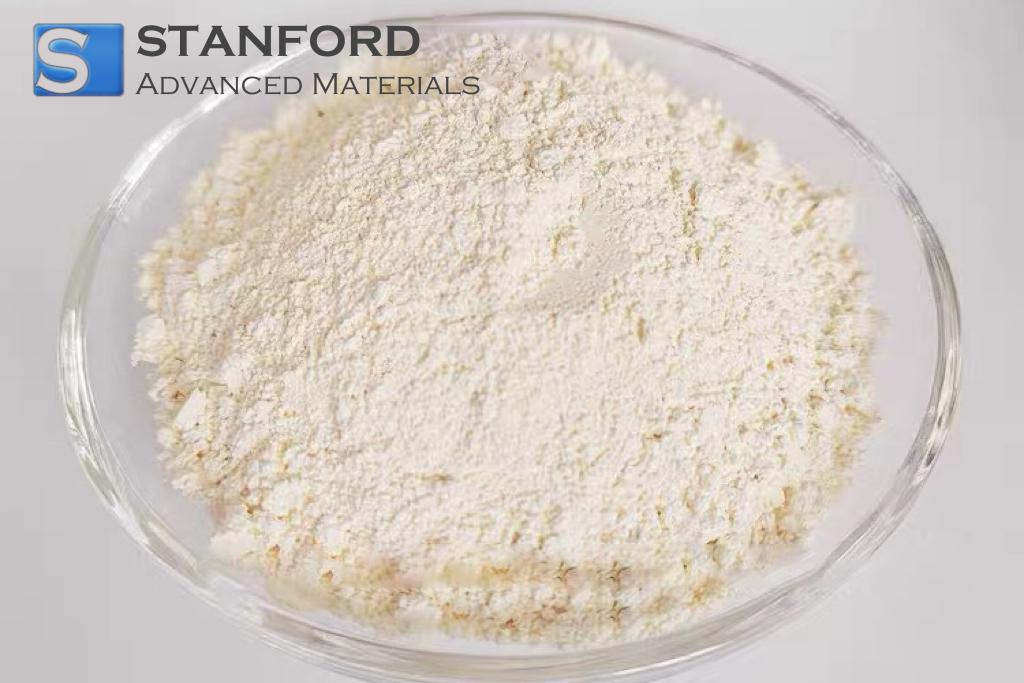
L-PLCL 75:25, Lauryl Ester Terminated, IV ≤ 1.0 dl/g Description
L-PLCL 75:25, Lauryl Ester Terminated, IV ≤ 1.0 dl/g is a synthetic copolymer with a defined lactide-to-caprolactone ratio and terminal lauryl ester groups. The specified intrinsic viscosity correlates with its molecular weight distribution, influencing processing behaviour and degradation kinetics. This formulation is suitable for applications requiring precise control over polymer chain length and hydrophobicity, making it an effective material for biomedical scaffolding and implantable devices.
L-PLCL 75:25, Lauryl Ester Terminated, IV ≤ 1.0 dl/g Applications
Healthcare Applications
- Used as a scaffold material in tissue engineering to promote cell attachment by utilising its controlled degradation profile. Its tunable mechanical properties help achieve gradual tissue integration.
- Applied as a coating in implantable devices to reduce adverse tissue responses by utilising its biocompatible surface characteristics.
Industrial Applications
- Used as a binder in bioresorbable composites for medical devices to improve handling properties by taking advantage of its consistent molecular weight.
- Applied in drug delivery systems to achieve controlled release profiles by leveraging its predictable degradation kinetics.
L-PLCL 75:25, Lauryl Ester Terminated, IV ≤ 1.0 dl/g Packing
The material is packed in moisture-resistant, anti-static packaging to prevent contamination during transit. It is stored under controlled temperature and humidity conditions to maintain its polymeric properties. Packaging includes sealed pouches within robust secondary containers. Custom packaging options are available with labelling and partitioning to meet specific storage and handling requirements for research or industrial applications.
Additional Information
We professionally provide custom synthesis services for poly(ε-caprolactone) (PCL)-based binary copolymers, precisely meeting the differentiated requirements of biomaterial R&D and high-end medical device applications for polymer performance.
Key customizable copolymer systems include:
PCL-Polylactide Copolymers [P(CL-LA)]
Copolymers can be synthesised using L-lactide (PLLA), D-lactide (PDLA), or racemic lactide (PDLLA) segments, effectively improving the brittleness of PLA, enhancing material toughness and ductility, and enabling flexible adjustment of degradation profiles from several months to years.
PCL-Poly(lactide-co-glycolide) Copolymers [P(CL-LGA)]
Copolymerisation can be tailored with various PLGA ratios (e.g., 75/25, 50/50, 85/15), significantly improving fracture toughness. By adjusting PCL content and sequence structure, the in-vivo degradation kinetics and mechanical property decay can be precisely controlled, making these materials ideal for drug delivery systems and soft tissue repair scaffolds.
PCL-Poly(trimethylene carbonate) Copolymers [P(CL-TMC)]
Combining the hydrophobic semi-crystallinity of PCL with the high elasticity of PTMC yields elastomeric materials with excellent flexibility, low modulus, and controllable degradation. Suitable for interventional devices requiring high compliance, such as vascular stents and nerve conduits.
Core Dimensions of Customization:
Flexible Inherent Viscosity Selection
We offer products with inherent viscosity ranging from 0.5–4.0 dL/g (expandable upon request), suitable for various processing techniques such as electrospinning, solution coating, melt extrusion, and injection moulding.
Tailorable End-Group Functionality
Custom end-group structures are supported, including hydroxyl (-OH), carboxyl (-COOH), ester groups (e.g., -COOCH₃), as well as click-chemistry functional groups such as azide or alkyne. These provide convenient chemical handles for subsequent molecular grafting, surface modification, or cross-linked network formation.
Regulatory Note: This material is intended for industrial and research applications. It is the customer's responsibility to ensure compliance with all relevant safety and regulatory standards in their intended use.


 Products
 Bars
Bars
 Beads & Spheres
 Bolts & Nuts
 Crucibles
 Discs
Discs
 Fibers & Fabrics
 Films
Films
 Flake
Flake
 Foams
Foams
 Foil
Foil
 Granules
 Honeycombs
 Ink
Ink
 Laminate
 Lumps
Lumps
 Meshes
 Metallised Film
 Plate
Plate
 Powders
 Rod
Rod
 Sheets
 Single Crystals
 Sputtering Target
 Tubes
Tubes
 Washer
 Wires
Wires
 Converters & Calculators
 Write for Us