

 Products
 Bars
Bars
 Beads & Spheres
 Bolts & Nuts
 Crucibles
 Discs
Discs
 Fibers & Fabrics
 Films
Films
 Flake
Flake
 Foams
Foams
 Foil
Foil
 Granules
 Honeycombs
 Ink
Ink
 Laminate
 Lumps
Lumps
 Meshes
 Metallised Film
 Plate
Plate
 Powders
 Rod
Rod
 Sheets
 Single Crystals
 Sputtering Target
 Tubes
Tubes
 Washer
 Wires
Wires
 Converters & Calculators
 Write for Us



The Food Industry's Toolbox: What Additives Do and Where They're Headed

1. Introduction: The Indispensable Pillar of the Modern Food Industry
The concept of food additives has long been misunderstood by the public. However, with the profound development of food science, their role in modern industry has undergone a fundamental transformation—from simple auxiliary materials to a scientific cornerstone that ensures food safety, optimises product quality, and drives industry innovation. They are not an "invention" of modern processing but rather a precise quantification, standardisation, and scientific extension of natural functions found in traditional methods (such as salting, sugaring, and fermentation).
Their core value in the modern food system is irreplaceable. At the micro level, additives inhibit microbial growth and delay oxidative deterioration, forming the first line of defence for food safety. At the meso level, they finely regulate the texture, flavour, and colour of products, serving as the key to transforming food from merely "edible" to a "delightful experience." At the macro level, they support large-scale production, global supply chain stability, and the reduction of food waste, acting as the unsung heroes in achieving food accessibility and sustainability.
This article will systematically outline the scientific framework and application logic of food additives, guided by functional classification. By analysing the mechanisms of major categories such as preservation, antioxidation, emulsification, thickening, and nutritional fortification, and incorporating the latest developments in functional factors, we aim to present a complete technological map of the field. The article will emphasise that, under current regulatory and risk assessment systems, the standardised use of food additives is both safe and necessary. This not only helps ensure food quality and stable supply but also serves as critical technical support for driving product innovation and responding to consumer demand for upgrades. As a global supplier of high-purity specialty chemicals, Stanford Advanced Materials (SAM) provides many of the functional ingredients discussed in this article—from collagen peptides to niche bioactive compounds—supporting R&D teams in bringing innovative food formulations to market.

Fig. 1 Modern Food Factory Production Line
2. Preservation System: The Foundation of Food Safety and Stability
The core function of preservatives and freshness-keeping additives is to effectively inhibit the growth and reproduction of microorganisms (including bacteria, moulds, and yeast), thereby preventing food spoilage and deterioration. This function is crucial for maintaining the long-term stable operation of the global food supply chain. It significantly extends the shelf life of food, reduces economic losses and resource waste caused by spoilage, and is a necessary condition for modern, large-scale food production.
As consumer preference for "clean labels" grows, scientific advancements in this field are increasingly exploring natural, multifunctional ingredients. For example, glycyrrhizinates from liquorice—such as Glycyrrhizic Acid Tripotassium Salt and Glycyrrhizic Acid Dipotassium Salt—have gained attention for their dual function as flavour enhancers with mild antibacterial activity. Their unique biological activity provides natural sweetness and improves taste while also demonstrating inhibitory effects against various microorganisms, aligning with market demand for natural preservation solutions.
Additionally, certain bioactive peptides show potential in enhancing stability in specific food systems. For instance, collagen peptides obtained through enzymatic hydrolysis (such as Fish Collagen Peptide and Bovine Collagen Peptide) not only provide nutritional support but also positively impact the microstructure and shelf life of products by influencing water activity and interacting with food components.

Fig. 2 Collagen Peptides
The safety of all these additives is built upon a strict global regulatory framework. National standards for food additive use (e.g., FDA 21 CFR) are based on rigorous risk assessment science, clearly specifying the maximum allowable usage and applicable scopes for all permitted preservatives. When used within compliant ranges, their safety has been fully validated, serving as the legal and technical foundation for public health protection.
3. Antioxidant Network: Safeguarding Flavour and Nutrition
In food systems, oxidation is one of the primary chemical pathways leading to quality deterioration. The core function of antioxidant additives is to precisely intervene in this process: by blocking the chain reaction of lipid auto-oxidation, they effectively prevent the development of unpleasant "rancid" flavours. Simultaneously, they protect natural pigments (such as carotenoids and anthocyanins) from degradation, maintaining the appealing colour of food. More importantly, they safeguard the activity of vulnerable nutrients like vitamins C and A, thereby preserving the nutritional value of food.

Fig. 3 Oil Oxidation
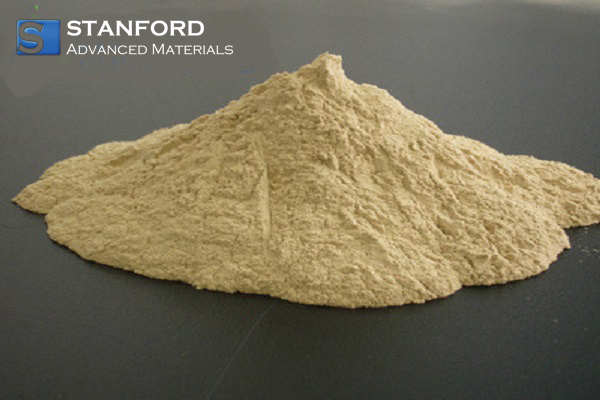
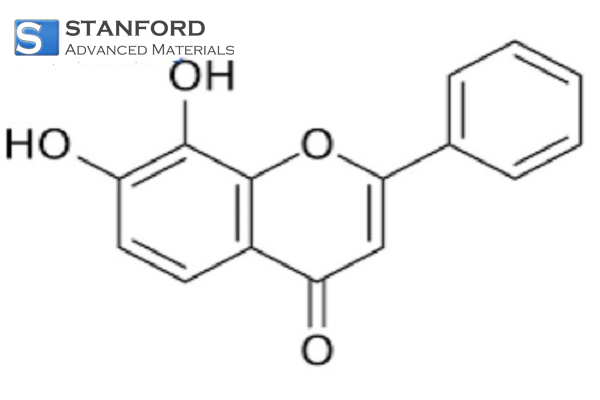
Amid ongoing discussions about the safety of synthetic antioxidants and growing consumer demand for clean labels, natural and efficient antioxidants have become a key focus of research and development. Among these, flavonoids derived from plants demonstrate exceptional potential. For example, Wogonin and Norwogonin—flavonoids from Scutellaria baicalensis—protect food systems through dual mechanisms: scavenging free radicals and chelating pro-oxidant metal ions. Their specific derivatives, such as 7,8-Dihydroxyflavone, exhibit even higher antioxidant efficacy in studies due to their unique molecular structure, making them suitable for highly oxidation-sensitive oils and functional beverage systems.
Another frontier involves exploring bioactive factors with novel mechanisms of action. Pyrroloquinoline Quinone (PQQ), a redox coenzyme present in various foods, operates beyond traditional electron donation models. Research confirms that it can activate intracellular antioxidant defence signalling pathways, mediating systemic protective effects in both cellular and food models. This enables deeper and longer-lasting protection against oxidative damage, offering new possibilities for developing high-end health foods and special medical purpose formulas.
This shift from traditional synthetic antioxidants to natural, efficient, and multifunctional components directly addresses the formulation needs of the high-end health food market. It not only meets consumers' psychological preference for "natural sources" but also endows products with additional health benefits beyond "antioxidant" effects. This evolution represents a leap from merely "preventing deterioration" to "actively promoting health," serving as a key technological force driving the food industry toward premium and functional development.
4. Texture Improvement System: Enhancing Food Mouthfeel and Appearance
Texture improvement is a core factor determining the final sensory acceptance of food. This category of additives employs a series of physicochemical actions—such as emulsification, thickening, stabilisation, and gelation—to precisely control the microstructure and rheological properties of food, thereby creating or optimising its texture, mouthfeel, and appearance. It facilitates the critical transition of products from basic nutritional carriers to enjoyable consumer experiences, representing the intersection of food science and sensory art.
In the application of innovative ingredients, functional proteins and peptides are demonstrating unique advantages over traditional colloids. For instance, collagen peptides (e.g., from fish or bovine sources) function beyond nutrition: their low molecular weight and amphiphilic structure enable precise texture modulation in protein beverages and yoghurts. In protein beverages, yoghurt, or liquid nutritional products, these peptides effectively enhance smoothness and richness, improve system stability through peptide chain interactions and water molecule binding, and help suppress unwanted foam formation, thereby elevating product consistency and consumer experience.
Moreover, some natural ingredients achieve synergistic benefits of function and colour. For example, Phycocyanin Powder, a natural blue pigment derived from spirulina, is fundamentally a protein. While imparting vibrant, stable natural blue coloration to products, its protein properties can positively influence system viscosity and emulsion stability, achieving dual benefits of "colouring" and "texture support" and aligning with the industry trend toward simplified formulations.
The essence of texture improvement lies in the deep integration of science and art. Through precise blending and application of different functional components (such as peptides, polysaccharides, and colloids), food developers can systematically design product viscosity, elasticity, chewiness, and three-phase stability. This molecular-level precision transforms simple "edible substances" into "culinary delights" that deliver multi-layered sensory pleasures, profoundly reflecting the core logic of modern food industry in applying science and technology to enhance sensory experiences.

Fig. 4 Emulsifying and Thickening
5. Nutritional Fortification and Health Function Modules: Carriers of Precision Nutrition
Nutritional fortification and functionalisation in the modern food industry have evolved from simple "nutrient replenishment" to a systematic strategy for health empowerment. Their core functions extend beyond compensating for nutrient losses during processing and standardising nutritional content to scientifically and precisely endowing food with specific health benefits. This addresses consumers' diverse needs for health management, disease prevention, and improved quality of life.
Among the myriad functional factors, widely recognised basic vitamins remain the foundation of fortified foods. For instance, Biotin (Vitamin B7), as a coenzyme for carboxylases, is crucial for the metabolism of carbohydrates, fats, and proteins, serving as a key micronutrient for maintaining skin, hair, and nervous system health.
Recent developments in this field focus on cellular energy and metabolic regulation. Take nicotinamide riboside compounds as an example: Nicotinamide Riboside Chloride and β-Nicotinamide Mononucleotide (NMN) are key precursors to nicotinamide adenine dinucleotide (NAD+). Clinical studies show these precursors elevate intracellular NAD+, enhancing mitochondrial function and energy metabolism—mechanisms with growing relevance to healthy aging and neuroprotection. This has driven innovation in high-end nutritional formulations. Another unique molecule, Inositol Trispyrophosphate (ITPP), modulates haemoglobin through allosteric regulation, appropriately reducing its oxygen affinity to promote oxygen release and utilisation in peripheral tissues. This offers novel approaches for functional products aimed at supporting exercise performance or specific physiological states.
In the niche of neuro and metabolic health, more targeted functional lipids are gaining attention. For example, Oleoylethanolamide (OEA) and Palmitoylethanolamide (PEA), as members of the endogenous fatty acid ethanolamide family, mimic or enhance endocannabinoid system signalling without producing psychoactive effects. Studies show they target receptors such as peroxisome proliferator-activated receptor alpha (PPARα), regulating appetite, energy balance, lipid metabolism, and inflammatory responses. This provides a scientific basis for developing foods aimed at weight management, metabolic health, and emotional support.
This progression marks a fundamental shift in the role of food additives from traditional "addition" to "empowerment." By integrating these rigorously scientifically validated functional factors, modern foods transcend basic nutritional supply, evolving into effective carriers that can be personalised for specific physiological needs, life stages, or health goals. This not only propels the food industry toward higher value-added functionalisation but also resonates deeply with the ancient wisdom of "food as medicine" in the context of modern precision nutrition science.

Fig. 5 Molecular Structure of Vitamin B7
6. Flavour and Colour Regulation: Enhancing Subjective Experience
Flavour and colour are the primary sensory interfaces through which consumers recognise, accept, and ultimately favour a food product. The core function of additives in this category is to scientifically optimise or impart the desired flavour characteristics and visual appeal to food. They serve as the direct bridge connecting a product's technological essence with the consumer's subjective experience, playing a decisive role in market competition.
In response to the global trend towards healthier eating and the widespread demand for "clean labels," solutions derived from natural raw materials have become mainstream in the industry. In the sugar reduction domain, natural high-intensity sweeteners play a pivotal role. For instance, Steviol Glycosides, refined from stevia leaves, offer sweetness 200-300 times that of sucrose with almost zero calories. They provide a safe sweetening option for diabetics and weight managers and serve as a core formulation tool for food and beverage companies addressing sugar tax policies globally and developing products labelled "low/no sugar."
In flavour optimisation, the role of flavour modifiers is becoming increasingly refined. Take glycyrrhizinates as an example: Glycyrrhizic Acid Tripotassium Salt and Glycyrrhizic Acid Dipotassium Salt not only impart a lingering sweet taste but also effectively mask undesirable aftertastes (such as bitterness or metallic notes) from functional ingredients like minerals or certain plant extracts. This significantly enhances overall flavour harmony and enjoyment, making them widely used in sports nutrition products, health supplements, and various seasoned foods.
On the visual front, vibrant natural colours from nature endow products with pure and dynamic appearances. Phycocyanin Powder, a water-soluble protein pigment extracted from spirulina, presents a bright, stable light blue. It fully meets clean label expectations, offering a safe and natural blue colouring solution for dairy products, confectionery, beverages, ice cream, and more, addressing market demand for alternatives to synthetic pigments.
In summary, modern flavour and colour regulation technology has evolved from simply "adding taste and colour" to "systematic sensory design" based on consumer health needs, sensory preferences, and clean label trends. By utilising high-performance natural raw materials like steviol glycosides, glycyrrhizinates, and phycocyanin, it precisely shapes a product's sensory characteristics while ensuring safety and compliance. This sensory precision—balancing sweetness, masking off-notes, and delivering clean-label colours—determines whether a product succeeds at first taste.

Fig. 6 Phycocyanin Yogurt
7. Conclusion and Outlook: Building a Better Food Future on a Scientific Foundation
Looking at the development history and functional panorama of food additives, it is clear that they have become deeply integrated into every aspect of the modern food system, serving as core elements that ensure safety, enhance quality, and drive innovation. From preservatives that inhibit microorganisms and antioxidants that defend against oxidation to texture engineers that build sensory experiences, functional modules that carry precision nutrition, and the language of flavour and colour that communicates with consumers, various additives perform their roles within strict scientific frameworks. Together, they support a rich, safe, and stable global food supply network.
The reliable operation of this system is rooted in three cornerstones: evidence-based science, global compliance, and full-chain quality control. Behind every function lies rigorous in vitro and in vivo research data; the application boundaries of each ingredient are defined by regulations in major global markets; and every step from source to finished product is managed through standardisation to ensure safety, efficacy, and stability. This is not merely a collection of technologies but a systematic engineering feat that embodies a high degree of responsibility and precision management.
Looking ahead, three trends define food additive innovation: natural sourcing—from plants, microbes, and marine life; functional precision—targeting specific health pathways at the molecular level; and system synergy—engineering formulations where combinations outperform single ingredients.
The food additive industry shares a common mission: to continuously optimise and innovate this "precision toolbox" that serves all of humanity with the most rigorous scientific attitude and the most responsible professional spirit. Its ultimate goal is to collaborate with the entire food industry to translate insights from cutting-edge life sciences and nutrition into accessible daily delights and health, collectively charting a food future that is safer, more nutritious, and more sustainable. This is not just technological evolution but an unremitting pursuit of a higher quality of life.
Stanford Advanced Materials (SAM) is a leading supplier of high-purity chemicals and functional ingredients to the food, pharmaceutical, and biotechnology industries. With a commitment to quality, regulatory compliance, and supply chain reliability, SAM partners with innovators worldwide to turn scientific discovery into consumer-ready solutions. For more information on the ingredients featured in this article, visit our website.


 Dr. Samuel R. Matthews


