

 Products
 Bars
Bars
 Beads & Spheres
 Bolts & Nuts
 Crucibles
 Discs
Discs
 Fibers & Fabrics
 Films
Films
 Flake
Flake
 Foams
Foams
 Foil
Foil
 Granules
 Honeycombs
 Ink
Ink
 Laminate
 Lumps
Lumps
 Meshes
 Metallised Film
 Plate
Plate
 Powders
 Rod
Rod
 Sheets
 Single Crystals
 Sputtering Target
 Tubes
Tubes
 Washer
 Wires
Wires
 Converters & Calculators
 Write for Us



How To Maintain Platinum Crucible

Introduction
Platinum Crucibles are essential for analytical processes in UK research institutions and industry. Stanford Advanced Materials provides this guide to explain proper maintenance procedures that ensure the longevity and performance of platinum crucibles.
1. Purity is essential:
For optimal performance, platinum with a purity of at least 99.95% must be used. The material undergoes high‐frequency melting, forging and rolling, thereby producing a high‐quality surface. Prior to first use, the surface is treated briefly with diluted hydrochloric acid and rinsed thoroughly to remove any contaminants.
2. Operating temperatures:
It is necessary to be aware that the melting point of platinum is 1770℃ and that its operating temperature is above 1300℃. Extended exposure to temperatures in excess of 1400℃ can cause marked deformation, thereby necessitating careful temperature control.
3. Caution with materials:
Platinum crucibles must never come into contact with carbon, iron or lead during use. These substances can compromise the integrity of platinum and cause it to become brittle and prone to cracking. Given that carbon is soluble in platinum at high temperatures, careful handling is required.
4. Chemical compatibility:
Although platinum is not attacked by a single acid, it is susceptible to corrosive damage when exposed to a mixed solution of nitric acid and hydrochloric acid. Consequently, such corrosive environments must be avoided to maintain the structural integrity of the crucible.
5. Considerations regarding corrosion:
Certain substances, including molten Na2SO4, NaOH, NANO3 and Na2CO3, can corrode platinum vessels if they come into contact. Given that these chemicals may cause damage, users must avoid exposure to these compounds during use.
6. Handling at high temperatures:
When operating platinum vessels at elevated temperatures, it is recommended to use crucible tongs made of stainless steel with the platinum heads supplied by the manufacturer. The use of tongs that show signs of corrosion is strictly prohibited, thereby preventing any detrimental impact on the platinum vessel.
7. Regular maintenance:
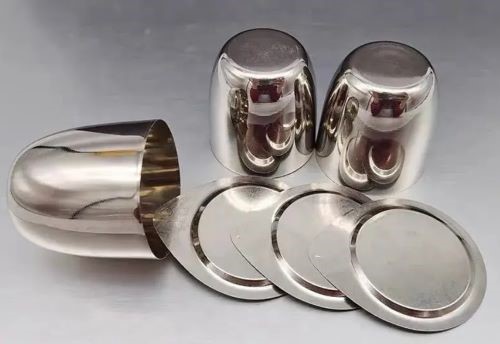
Platinum crucibles must be inspected and maintained on a regular basis. If deposits or residues accumulate after prolonged use, these can be removed by boiling the crucible in diluted hydrochloric acid or by treatment with hydrofluoric acid.
8. Increasing strength with gold:
It is possible to add 5% gold (purity ≥99.95%) to platinum, thereby producing platinum–gold-5 vessels. This alloying increases the material’s strength by 30% and offers advantages in specific applications such as X-ray fluorescence.
9. Deformation management:
Deformation over time is a normal occurrence in platinum crucibles. Form-correction treatments are recommended to restore the original shape. For regular use, a biannual trip to a noble metal manufacturer for cleaning can help ensure consistent performance.
10. Recommendations for storage:
Platinum crucibles, which resist direct oxidation, should be stored in a clean, dry and secure environment. Avoiding impacts with other hard metals will help preserve their integrity.
Conclusion
Proper maintenance practices are essential to ensure the longevity and performance of platinum crucibles. By following these guidelines, users can maintain the functionality of these instruments for analytical processes. Stanford Advanced Materials is committed to supplying high-quality materials and contributing to the advancement of analytical technologies.
 Chin Trento


